sichuan recipe
Ants Climbing a Tree Recipe with Glass Noodles
Soak the glass noodles until flexible, fry the minced pork and doubanjiang until aromatic, then simmer the noodles only until they absorb the sauce and stay separate.
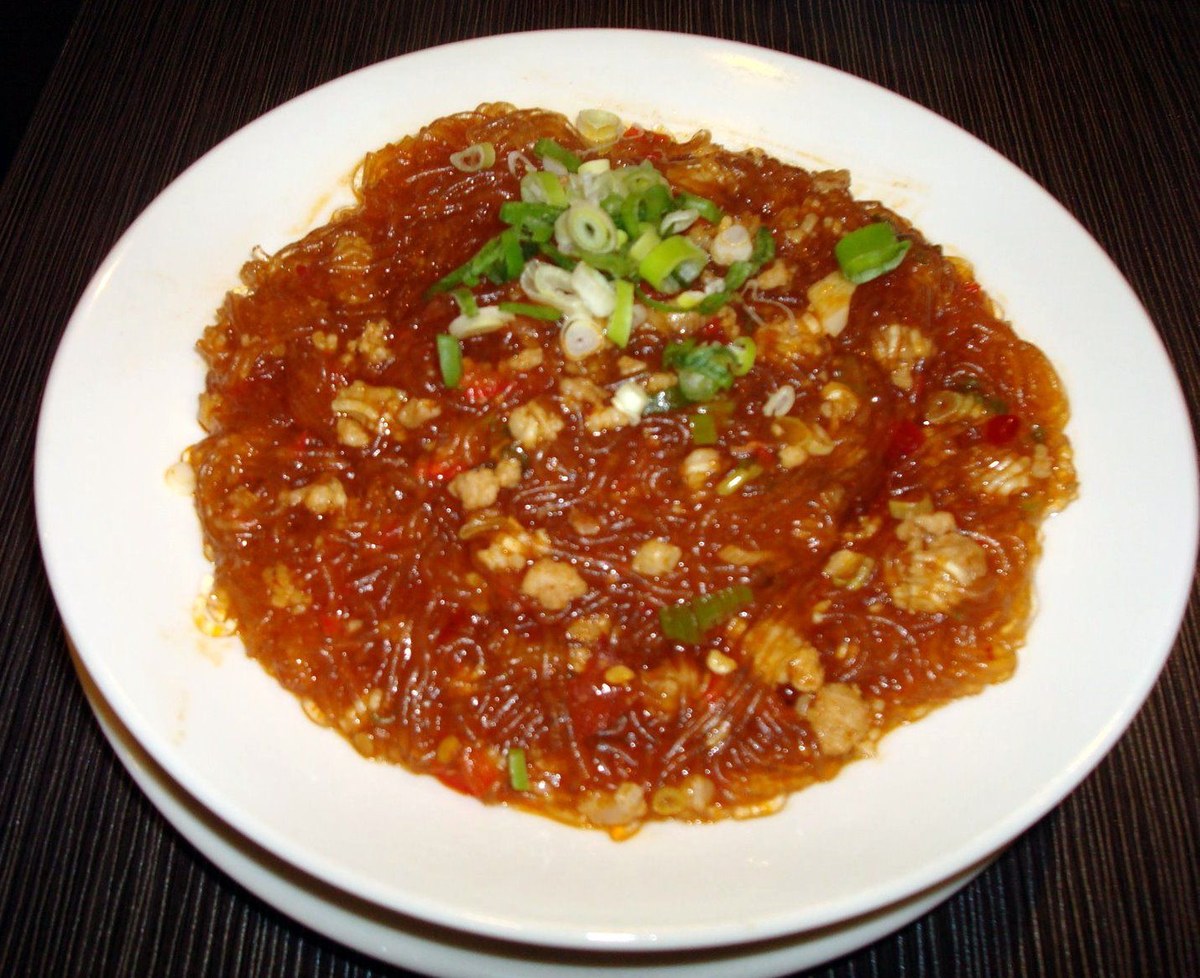
Overview
Why this recipe works
Ants Climbing a Tree is a 27-minute Sichuan recipe built around stir fry. A Sichuan ants climbing a tree recipe focused on springy mung bean glass noodles, minced pork that clings to every strand, and a red doubanjiang sauce that reduces into the noodles.
The useful move is to treat the recipe as a sequence of cues instead of a race through the clock. Start by watching for glass noodles are flexible from soaking but not boiled soft; later, check that minced pork is browned into tiny pieces that cling to the noodles. That keeps the dish controlled on a home stove even when your pan, burner, or ingredient sizes differ.
This version is especially useful for weeknight and comfort food. The ingredient focus is pork, noodles, and greens, with Doubanjiang, Sichuan Peppercorns, and Chili Oil doing most of the seasoning work.
Before cooking, read the method once and decide where your attention is needed. In Ants Climbing a Tree, the important path is stir fry, so the cook should prepare the ingredients, keep the pan setup simple, and avoid hunting for seasonings after heat has started.
The time estimate is useful, but it is not the final authority. If glass noodles are flexible from soaking but not boiled soft takes longer than expected, stay with that cue before moving forward. If minced pork is browned into tiny pieces that cling to the noodles happens quickly, lower the heat or move to the next step instead of waiting for an exact minute count.
The recipe is written for weeknight and comfort food, which means the best version is not always the most elaborate version. Keep the pantry anchor clear, use Doubanjiang, Sichuan Peppercorns, and Chili Oil with restraint, and let the final texture tell you whether the dish needs more heat, more liquid, or a shorter finish.
Use the related pantry and technique links when you want to change the recipe. Those pages explain the role of pork, noodles, and greens and How to Stir-Fry at Home, so substitutions stay connected to flavor, texture, and safety instead of becoming random swaps.
If you are cooking from a small kitchen, keep the workspace calm. Put cut ingredients in order, clear a landing spot for the finished dish, and read the safety note before handling leftovers. That preparation makes the recipe easier to follow and gives the page enough context to help readers who are still deciding whether this dish fits their night.
Best for
Weeknight and comfort food cooks who want a clear Sichuan dish without guessing at doneness.
Main cue
Glass noodles are flexible from soaking but not boiled soft
Pantry anchor
Doubanjiang, Sichuan Peppercorns, and Chili Oil
Cook's notes
What changes the result
This dish succeeds when the noodles absorb the sauce without being boiled into mush. The pan should finish almost dry, with minced pork caught between separate, glossy strands.
Judgement call
If the noodles look shiny but the pan still has loose liquid, keep tossing over moderate heat for another minute. If the strands turn dull and sticky, the liquid is gone and the dish is already past its best point.
Common failure points
- The noodles become gluey because they are boiled before stir-frying instead of only soaked.
- The sauce tastes flat because doubanjiang is added with liquid before it has bloomed in oil.
- The meat falls to the bottom because it is left in large chunks rather than broken into tiny browned pieces.
- The final dish is soupy because too much stock is added and the noodles are not allowed to absorb it.
Flavor adjustment
- For a deeper Sichuan profile, add a small spoon of chili oil and a pinch of toasted Sichuan pepper at the end.
- For a milder family version, halve the doubanjiang and build salt with light soy sauce.
- For more savoriness without more heat, add a splash of Shaoxing wine while frying the pork.
- For a vegetarian version, use chopped shiitake mushrooms and keep the sauce slightly stronger because mushrooms release moisture.
Regional context
Ants climbing a tree, or ma yi shang shu, is commonly associated with Sichuan cooking. The memorable name comes from minced meat clinging to bean thread noodles rather than from any unusual ingredient.
Ingredients
What goes in
Read the ingredient list once before heating the pan. Measure the pantry items first, group the fresh ingredients by when they enter the recipe, and keep the thickener or finishing seasoning close to the stove so the final step does not stall.
- 8 oz wheat noodles or fresh Chinese noodles
- 10 oz pork, sliced or minced as the recipe needs
- Doubanjiang, prepared for cooking
- 2 scallions, sliced
- 1 tbsp light soy sauce
- 1 tsp sugar, optional
- 1 tbsp neutral oil or as needed
Watch for
- glass noodles are flexible from soaking but not boiled soft
- minced pork is browned into tiny pieces that cling to the noodles
- doubanjiang stains the oil red before liquid is added
- the pan finishes glossy with no watery sauce pooling underneath
Ingredient notes
Know the pantry before you cook
The pantry backbone for this recipe is Doubanjiang, Sichuan Peppercorns, and Chili Oil. These notes explain what each linked ingredient is doing before you start swapping or shopping.
Doubanjiang
A salty fermented chili bean paste that gives Sichuan dishes depth, red oil, and savory heat.
Miso plus chili oil can help in emergencies, but it cannot fully replace fermented broad bean flavor.
Sichuan Peppercorns
A citrusy husk that creates the numbing sensation in many Sichuan dishes.
There is no direct substitute. Reduce or omit it for a non-numbing version.
Chili Oil
A fragrant oil that carries chili heat, toasted spice, and color into noodles, cold dishes, and dumpling sauces.
Use neutral oil bloomed with chili flakes and a pinch of sugar when a jar is unavailable.
Chinkiang Vinegar
A dark rice vinegar with malt-like depth, used in dressings, dipping sauces, and sweet-sour balances.
Rice vinegar is lighter. Add a small amount of soy sauce to approximate the darker savory note.
Method
Cook to the cues
The method starts with soak the noodles, do not boil them and ends with let the noodles drink the sauce. Use the checklist to keep your place, but let the visible cues decide when to move on: glass noodles are flexible from soaking but not boiled soft, minced pork is browned into tiny pieces that cling to the noodles, and doubanjiang stains the oil red before liquid is added.
Cook along
Check off steps as you cook
Soak the noodles, do not boil them
Cover mung bean glass noodles with warm water until flexible, then drain well. They should bend without falling apart before they enter the pan.
Brown the minced pork
Cook minced pork in a small amount of oil until the moisture has cooked off and the pieces are small enough to cling to the noodles.
Bloom the chili bean paste
Add doubanjiang, ginger, garlic, and the white part of scallions. Stir until the oil turns red and smells savory, not raw or scorched.
Let the noodles drink the sauce
Add stock, soy sauce, and the drained noodles. Toss and simmer until the liquid is mostly absorbed, then finish with scallion greens while the strands still separate.
Substitutions and safety
Before you improvise
Use the substitutions as controlled changes rather than random swaps. Keep the same cooking method, keep the sauce balance close, and use the safety notes when changing protein, reheating leftovers, or holding the dish for later.
Substitutions
- Use ground turkey, beef, or finely chopped mushrooms if pork is unavailable.
- Use mung bean vermicelli for the best bounce; rice noodles soften differently and break the dish's texture.
- Use less doubanjiang and add a little soy sauce if cooking for a lower-heat table.
- Add Sichuan pepper oil at the end only if you want a stronger numbing aroma.
Safety notes
- Keep prep surfaces clean and refrigerate leftovers within 2 hours.
- Cook animal proteins to a safe internal temperature before serving.
Serving and storage
Finish the meal well
Serve Ants Climbing a Tree while the pan finishes glossy with no watery sauce pooling underneath. If you are cooking ahead, cool leftovers quickly, keep the sauce or cooking liquid with the main ingredients, and reheat gently so the texture stays close to the first serving.
FAQ
Common questions
Why is it called Ants Climbing a Tree?
The name describes the look of tiny minced meat pieces clinging to glass noodles, like ants on tree branches.
Why did my glass noodles turn sticky?
They were likely boiled or simmered too long. Soak them first, add them to a flavorful liquid, and stop once the sauce is absorbed.
Can I make Ants Climbing a Tree without pork?
Yes. Finely chopped mushrooms or ground turkey can work, but keep the pieces small so they cling to the noodles.
Is Ants Climbing a Tree very spicy?
It is usually savory and moderately spicy from doubanjiang. Use less chili bean paste and finish with chili oil at the table if you need two heat levels.