sichuan recipe
Suan Cai Yu with Pickled Mustard Greens and Dried Chilies
Build a broth with pickled mustard greens, ginger, garlic, dried chiles, and stock, poach thin fish fillets until just opaque, then finish with hot oil over dried chiles and Sichuan peppercorn.
Overview
Why this recipe works
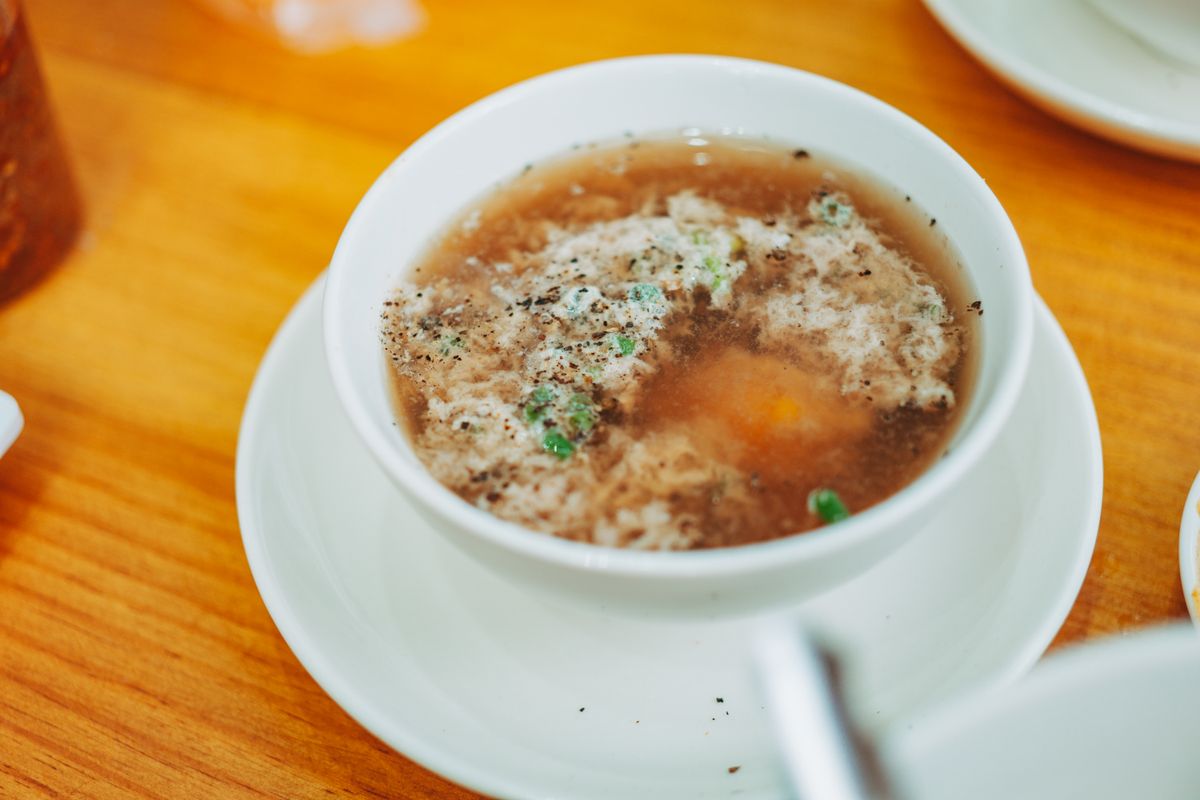
Suan Cai Yu with Dried Chilies is a 52-minute Sichuan recipe built around soup and poach. Suan cai yu with dried chilies is the accurate match for this image because the bowl shows pale fish fillets in a yellow hot-sour broth, topped with dried red chiles and peppercorn-like spices, with rice alongside. The old Hunan fish soup title was too vague. This page now teaches the real search promise: sour pickled greens, silky fish slices, and hot oil poured over aromatics without making the broth greasy.
The useful move is to treat the recipe as a sequence of cues instead of a race through the clock. Start by watching for pickled mustard greens smell sour and savory after frying; later, check that fish slices turn opaque but stay silky. That keeps the dish controlled on a home stove even when your pan, burner, or ingredient sizes differ.
This version is especially useful for restaurant style, family dinner, and rice dish. The ingredient focus is fish, chili, garlic, and ginger, with Doubanjiang, Sichuan Peppercorns, and Shaoxing Wine doing most of the seasoning work.
Before cooking, read the method once and decide where your attention is needed. In Suan Cai Yu with Dried Chilies, the important path is soup and poach, so the cook should prepare the ingredients, keep the pan setup simple, and avoid hunting for seasonings after heat has started.
The time estimate is useful, but it is not the final authority. If pickled mustard greens smell sour and savory after frying takes longer than expected, stay with that cue before moving forward. If fish slices turn opaque but stay silky happens quickly, lower the heat or move to the next step instead of waiting for an exact minute count.
The recipe is written for restaurant style, family dinner, and rice dish, which means the best version is not always the most elaborate version. Keep the pantry anchor clear, use Doubanjiang, Sichuan Peppercorns, and Shaoxing Wine with restraint, and let the final texture tell you whether the dish needs more heat, more liquid, or a shorter finish.
Use the related pantry and technique links when you want to change the recipe. Those pages explain the role of fish, chili, garlic, and ginger and Chinese Soup Base and Gentle Steaming, so substitutions stay connected to flavor, texture, and safety instead of becoming random swaps.
If you are cooking from a small kitchen, keep the workspace calm. Put cut ingredients in order, clear a landing spot for the finished dish, and read the safety note before handling leftovers. That preparation makes the recipe easier to follow and gives the page enough context to help readers who are still deciding whether this dish fits their night.
Best for
Restaurant style, family dinner, and rice dish cooks who want a clear Sichuan dish without guessing at doneness.
Main cue
Pickled mustard greens smell sour and savory after frying
Pantry anchor
Doubanjiang, Sichuan Peppercorns, and Shaoxing Wine
Cook's notes
What changes the result
Lead with the image-specific identity and the practical texture promise: sour pickled broth, silky fish slices, and a hot-oil chile finish that matches the bowl.
Judgement call
The broth is right when it tastes slightly too sour and salty alone; rice and fish will soften it. If the fish flakes apart before serving, the broth was boiling too hard.
Common failure points
- The fish breaks because slices were too thin, stirred too much, or boiled hard.
- The broth tastes flat because the pickled greens were added without frying first.
- The dish tastes oily because the finishing oil was poured in excess instead of used to bloom aromatics.
- The chiles taste burnt because the oil was smoking fiercely or the dried chiles were already dark.
Flavor adjustment
- For a more Chongqing-style punch, add pickled chiles and a little extra Sichuan peppercorn.
- For a cleaner fish flavor, skip doubanjiang and let pickled mustard greens carry the sourness.
- For a restaurant-style top, bloom dried chiles and scallions with hot oil just before serving.
- For a milder family bowl, use fewer chiles but keep white pepper and ginger in the broth.
Regional context
Suan cai yu is commonly associated with Sichuan and Chongqing hot-sour fish cooking. Its appeal is the contrast between sour pickled greens and delicate fish, so naming it directly gives searchers a clearer page than a broad Hunan soup label.
Ingredients
What goes in
Read the ingredient list once before heating the pan. Measure the pantry items first, group the fresh ingredients by when they enter the recipe, and keep the thickener or finishing seasoning close to the stove so the final step does not stall.
- 1 lb mild white fish fillets, thinly sliced
- 1 tbsp Shaoxing wine
- 1/2 tsp kosher salt for fish, plus more for broth
- 1 egg white or 2 tbsp water
- 2 tsp cornstarch
- 10 oz Sichuan pickled mustard greens, rinsed lightly and sliced
- 3 garlic cloves, minced
- 1 tbsp minced ginger
- 2 scallions, white and green parts separated
- 4 cups chicken stock or light fish stock
- 1 tbsp pickled chile or doubanjiang, optional
- 1 tsp sugar
- 1/2 tsp white pepper
- 1/3 cup dried red chiles
- 1 tsp Sichuan peppercorns
- 2 tbsp neutral oil
Watch for
- pickled mustard greens smell sour and savory after frying
- fish slices turn opaque but stay silky
- broth is yellow, hot-sour, and not muddy
- dried chiles bloom on top without burning black
- rice makes sense beside the bowl because the broth is punchy
Ingredient notes
Know the pantry before you cook
The pantry backbone for this recipe is Doubanjiang, Sichuan Peppercorns, and Shaoxing Wine. These notes explain what each linked ingredient is doing before you start swapping or shopping.
Doubanjiang
A salty fermented chili bean paste that gives Sichuan dishes depth, red oil, and savory heat.
Miso plus chili oil can help in emergencies, but it cannot fully replace fermented broad bean flavor.
Sichuan Peppercorns
A citrusy husk that creates the numbing sensation in many Sichuan dishes.
There is no direct substitute. Reduce or omit it for a non-numbing version.
Shaoxing Wine
A Chinese rice wine used to reduce raw aromas and add gentle complexity.
Dry sherry is a common substitute. For alcohol-free cooking, use stock plus a small aromatic boost.
Chili Oil
A fragrant oil that carries chili heat, toasted spice, and color into noodles, cold dishes, and dumpling sauces.
Use neutral oil bloomed with chili flakes and a pinch of sugar when a jar is unavailable.
Method
Cook to the cues
The method starts with velvet the fish lightly and ends with finish with hot oil. Use the checklist to keep your place, but let the visible cues decide when to move on: pickled mustard greens smell sour and savory after frying, fish slices turn opaque but stay silky, and broth is yellow, hot-sour, and not muddy.
Cook along
Check off steps as you cook
Velvet the fish lightly
Toss fish slices with Shaoxing wine, salt, egg white or water, and cornstarch. The coating should feel slippery, not pasty.
Wake up the pickled greens
Stir-fry pickled mustard greens with garlic, ginger, and scallion whites until their sour aroma sharpens. This step keeps the broth from tasting flat.
Simmer a hot-sour broth
Add stock, optional pickled chile or doubanjiang, sugar, and white pepper. Simmer briefly, then taste. The broth should be sour, savory, and slightly salty before fish goes in.
Poach fish gently
Lower the heat and slide in fish slices one by one. Poach until just opaque, then move the fish and broth to a wide serving bowl.
Finish with hot oil
Place dried chiles, Sichuan peppercorns, and scallion greens on top. Heat oil until shimmering and pour it over the aromatics so they bloom without blackening.
Substitutions and safety
Before you improvise
Use the substitutions as controlled changes rather than random swaps. Keep the same cooking method, keep the sauce balance close, and use the safety notes when changing protein, reheating leftovers, or holding the dish for later.
Substitutions
- Use cod, tilapia, basa, sole, or other mild white fish that can be sliced thin.
- Use sauerkraut only in a pinch; rinse and season carefully because the flavor is different from Chinese pickled mustard greens.
- Use fewer dried chiles for a mild bowl but keep the hot-oil finish for aroma.
- Use chicken stock for a fuller home version or light fish stock for a cleaner seafood version.
Safety notes
- Check fish for bones before slicing.
- Do not leave fish in hard-boiling broth; it can break apart and overcook quickly.
- Pour hot oil carefully over a heatproof serving bowl.
Serving and storage
Finish the meal well
Serve Suan Cai Yu with Dried Chilies while rice makes sense beside the bowl because the broth is punchy. If you are cooking ahead, cool leftovers quickly, keep the sauce or cooking liquid with the main ingredients, and reheat gently so the texture stays close to the first serving.
FAQ
Common questions
Why is this no longer just Hunan fish fillet soup?
The reviewed image shows a suan cai yu-style bowl: pale fish fillets in a yellow hot-sour broth with dried red chiles, peppercorn-like spices, and rice. A vague Hunan soup title misses the visible pickled-fish identity.
What are the sour vegetables in suan cai yu?
They are usually Chinese pickled mustard greens. They bring the sour, savory backbone that separates suan cai yu from a plain spicy fish soup.
How do I keep the fish slices silky?
Slice the fish thin, coat it lightly with wine and starch, and poach it below a hard boil until just opaque.
Is suan cai yu supposed to be very spicy?
It should be hot-sour and aromatic, but not only painful. You can reduce dried chiles while keeping pickled greens, ginger, garlic, and Sichuan peppercorn for character.