Use this when
Chinese project recipes for grill, roast, dumpling, noodle, bun, braise, and dinner-party dishes that need more planning.
Recipe collection
Use this collection for recipes where marinating, folding, simmering, steaming, or dry-spice high heat are worth a longer cooking session.
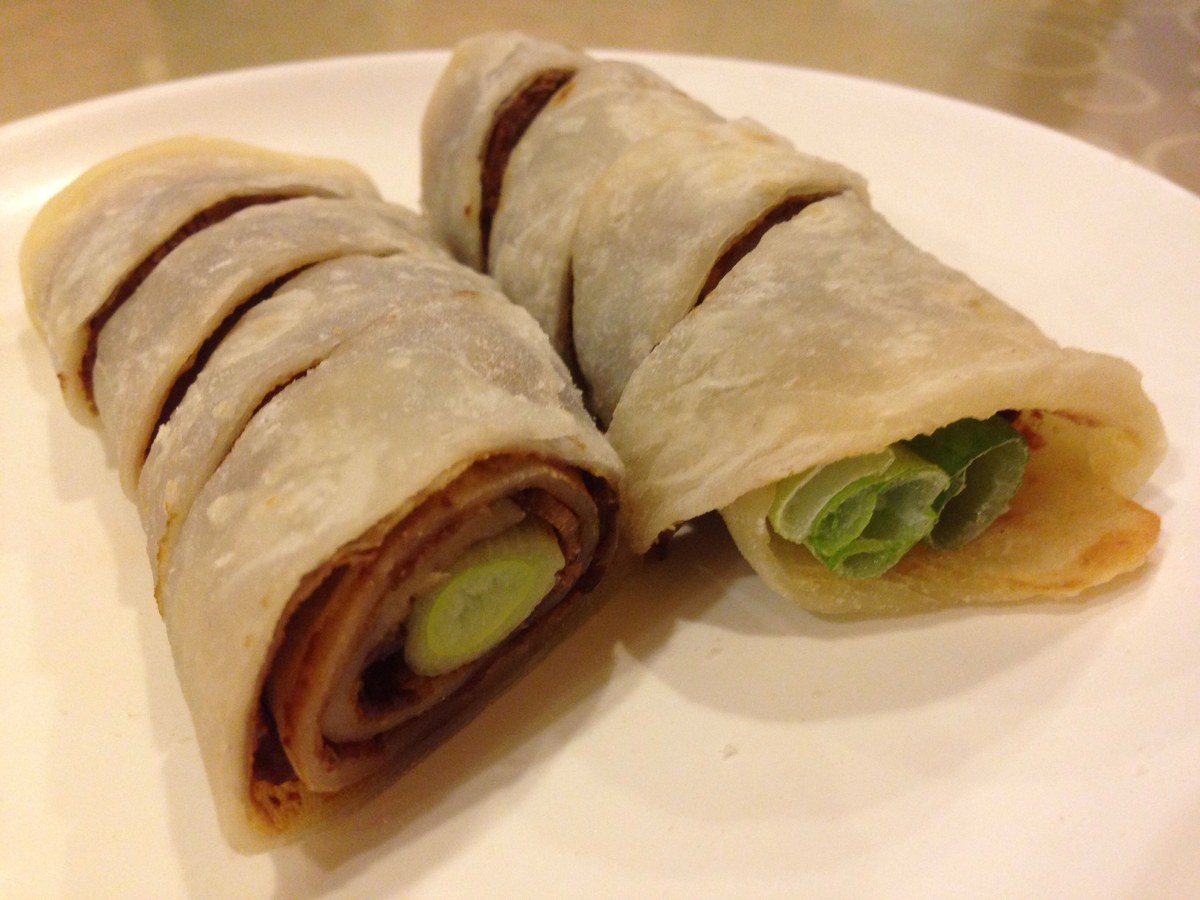
A beef scallion pancake roll built from chilled braised beef, a hot crisp pancake, cucumber strips, scallion, cilantro, and just enough sweet savory sauce to hold the roll together.
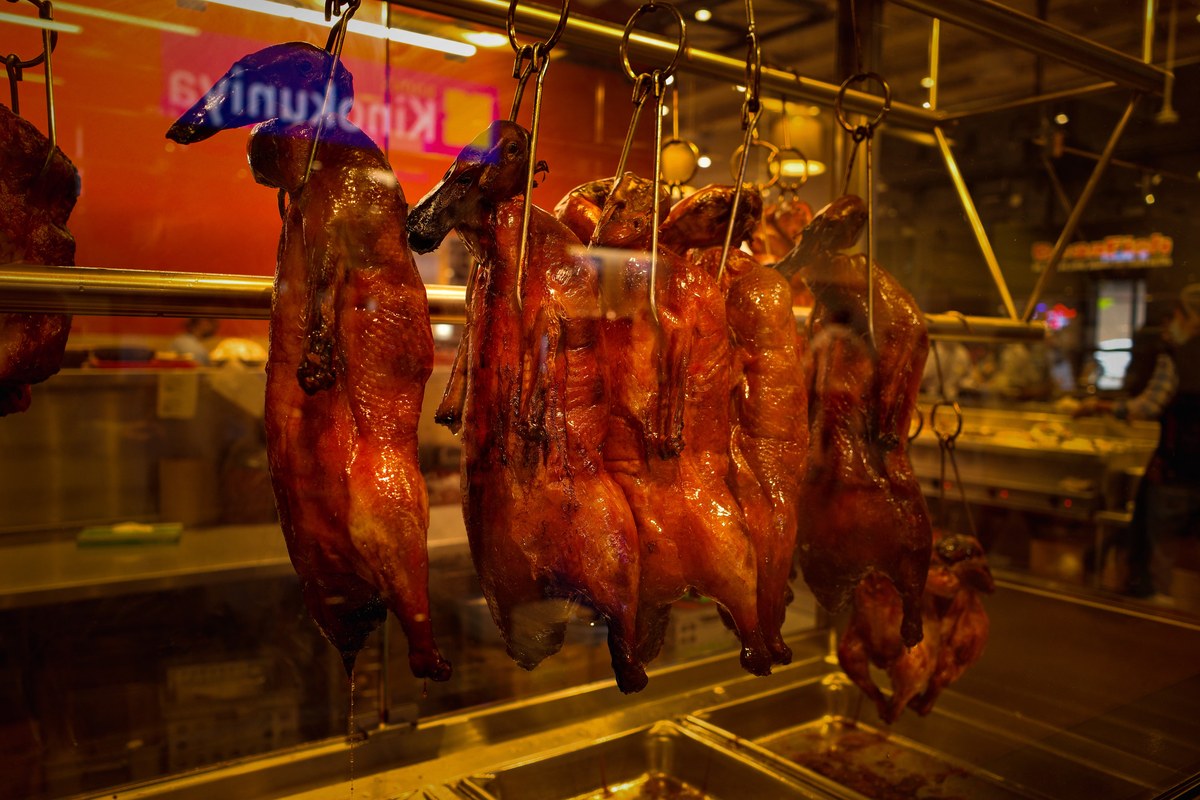
A Cantonese roast duck recipe built around aromatic marinade, proper skin drying, a glossy glaze, and resting before slicing.
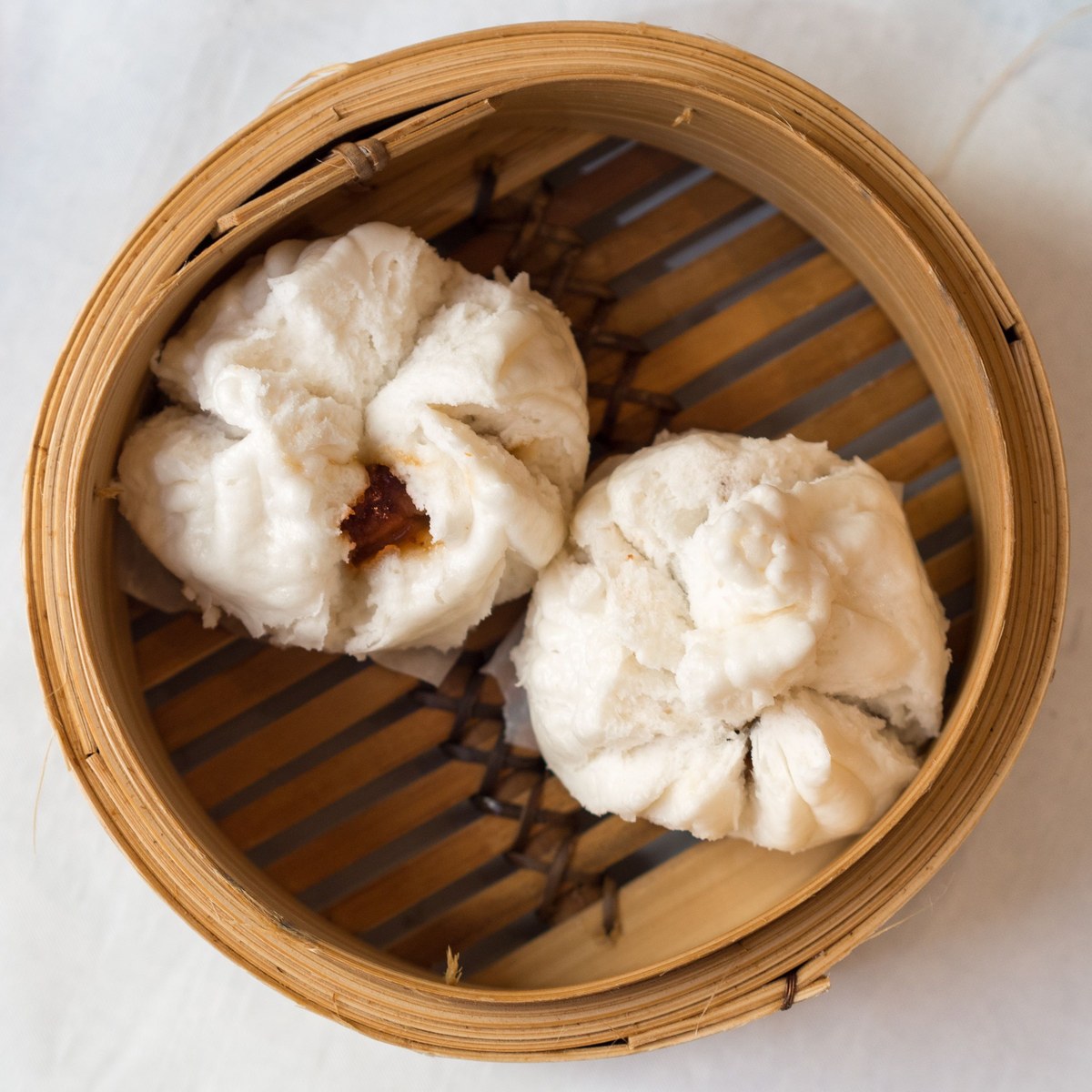
A make-ahead Cantonese bun project with thick barbecue pork filling, soft steamed dough, freezer notes, and clear shaping cues.
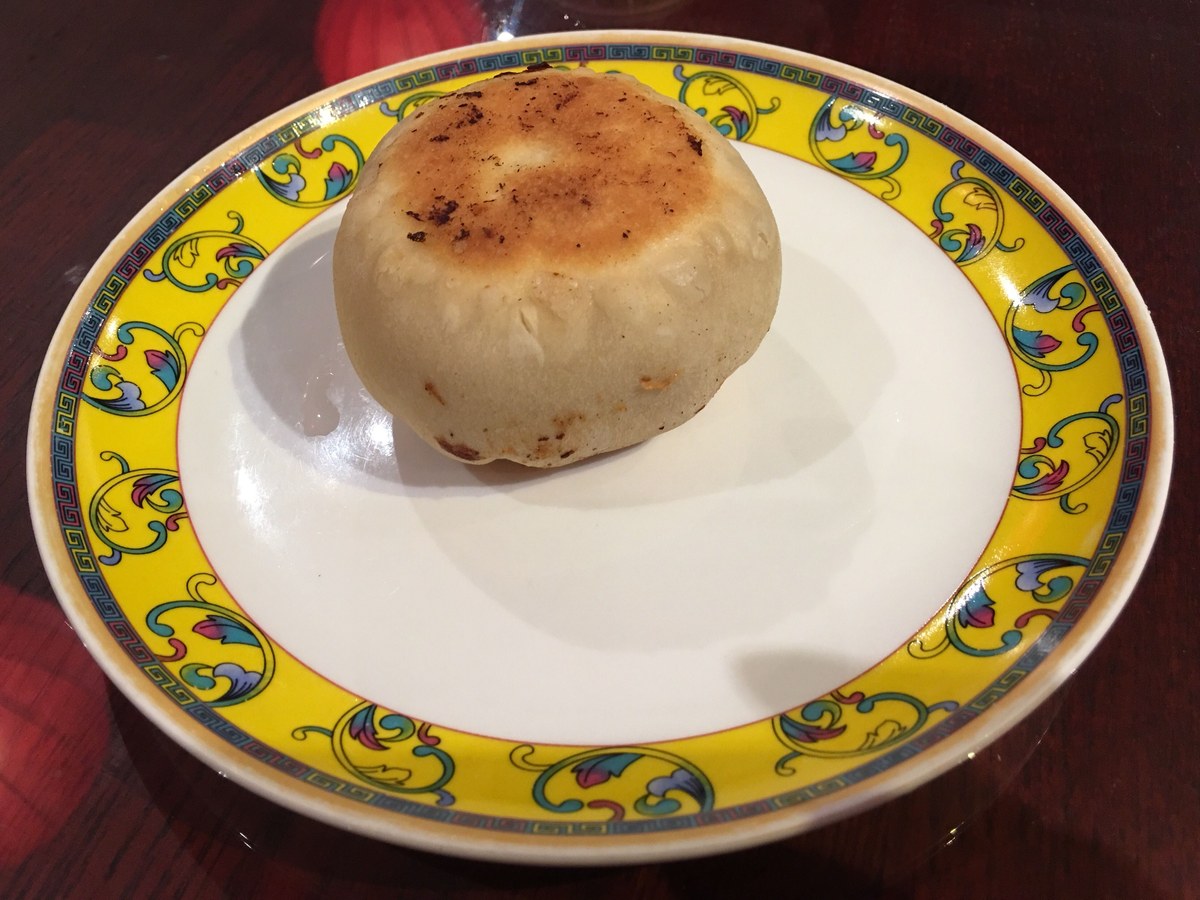
A northern Chinese xian bing recipe for pan-fried meat pies with a soft wrapper, juicy beef or pork filling, sealed edges, and a crisp bottom that returns after covered cooking.
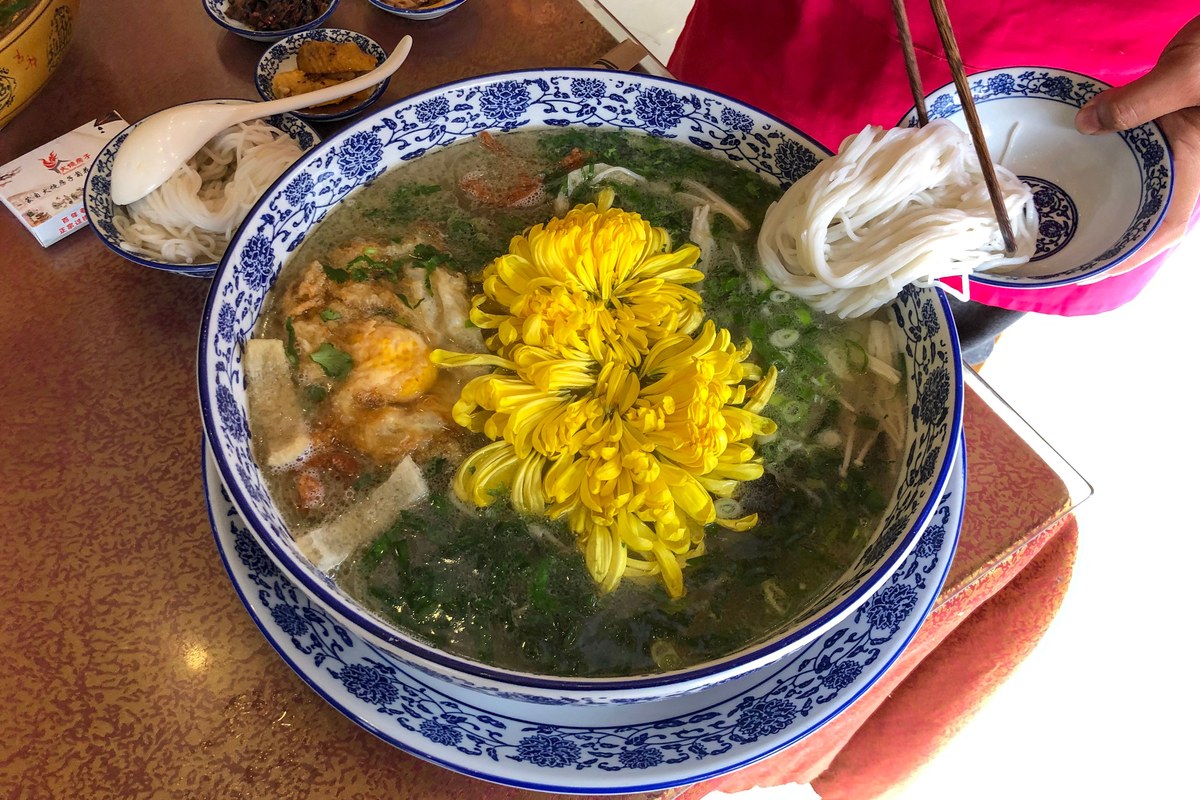
A crossing bridge rice noodles recipe focused on Yunnan-style hot broth, rice noodles held separately, thin toppings, mushrooms, greens, and the timing that keeps the noodles springy while the broth stays hot enough to finish the bowl.
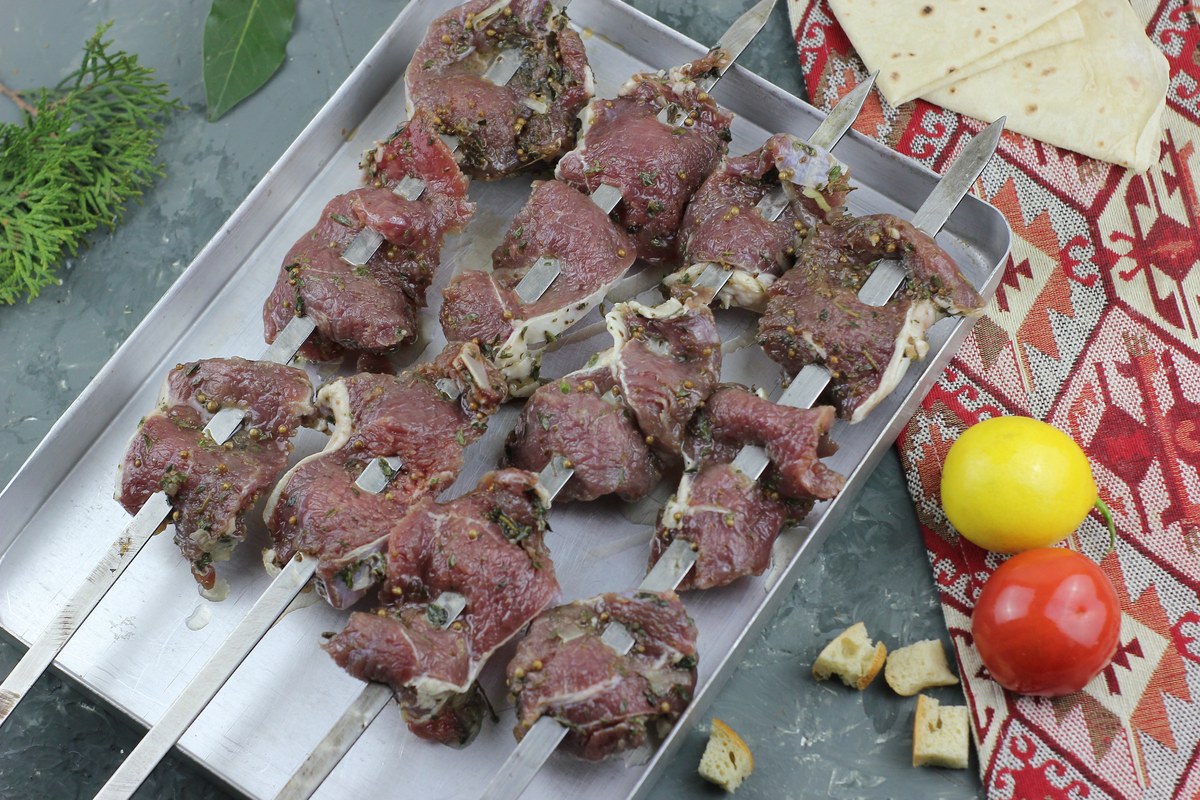
A Xinjiang-style cumin lamb skewer recipe focused on tender lamb pieces, bold cumin-chili seasoning, hot cooking, and the difference between char and dryness.
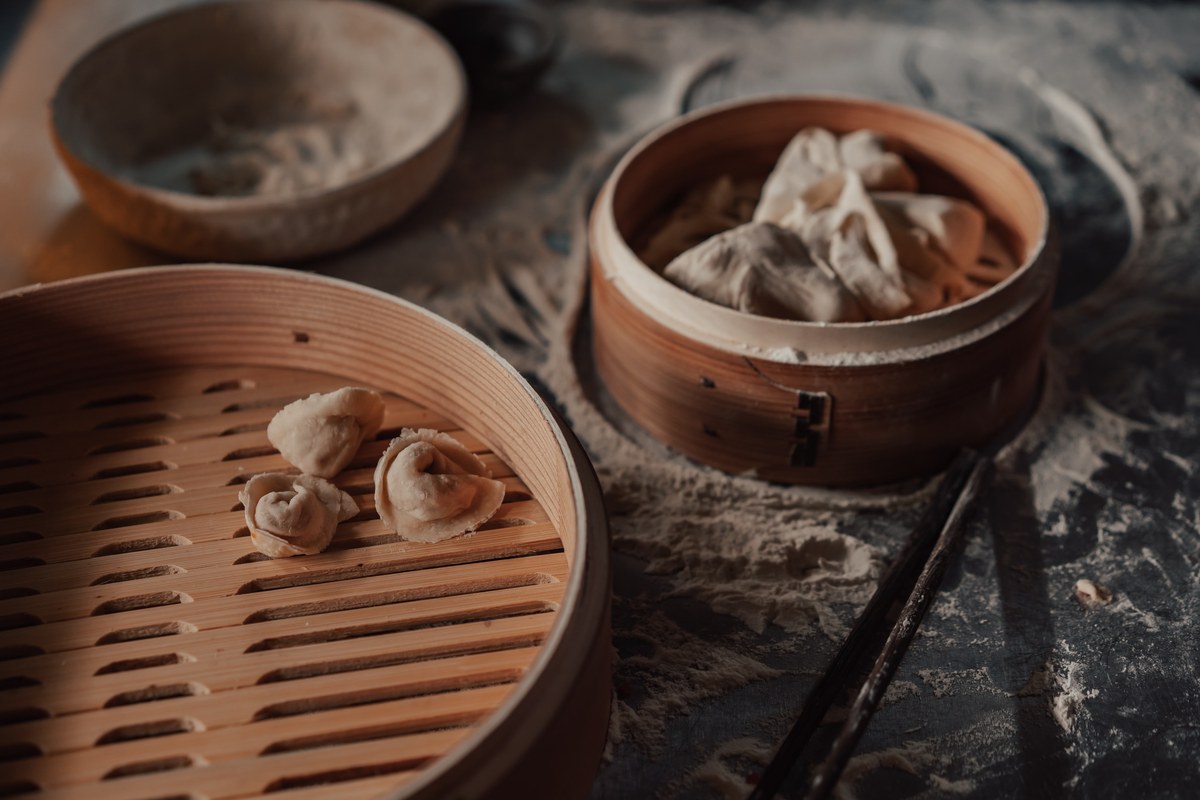
A beginner Chinese dumpling recipe focused on juicy but not wet filling, a simple half-moon fold, freezer handling, and cooking cues that prevent splitting.
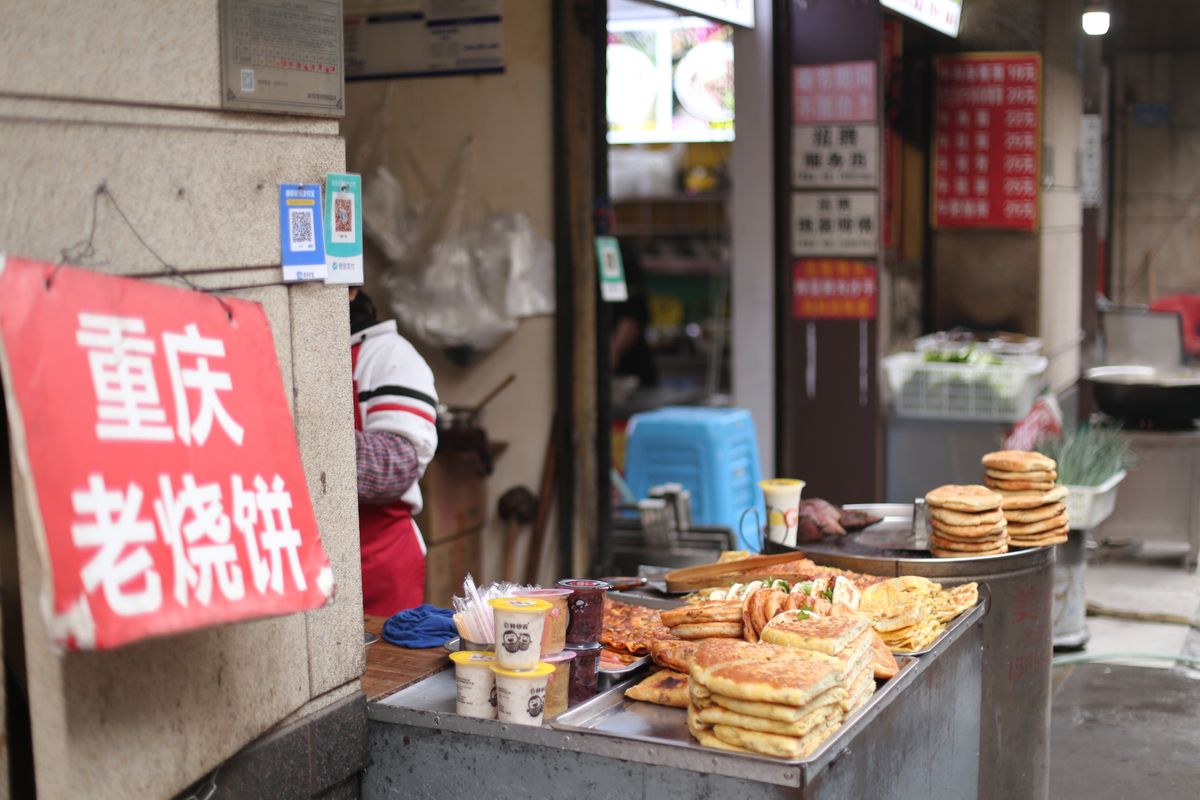
Chongqing street griddle pancakes match the reviewed image better than seafood pancake because the photo shows a street stall stacked with Chinese flatbreads and a sign for Chongqing laoshao bing, not seafood in a batter. This page teaches a home version of the stall logic: hot-water dough, a thin savory filling, firm sealing, and steady pan heat until both sides blister.
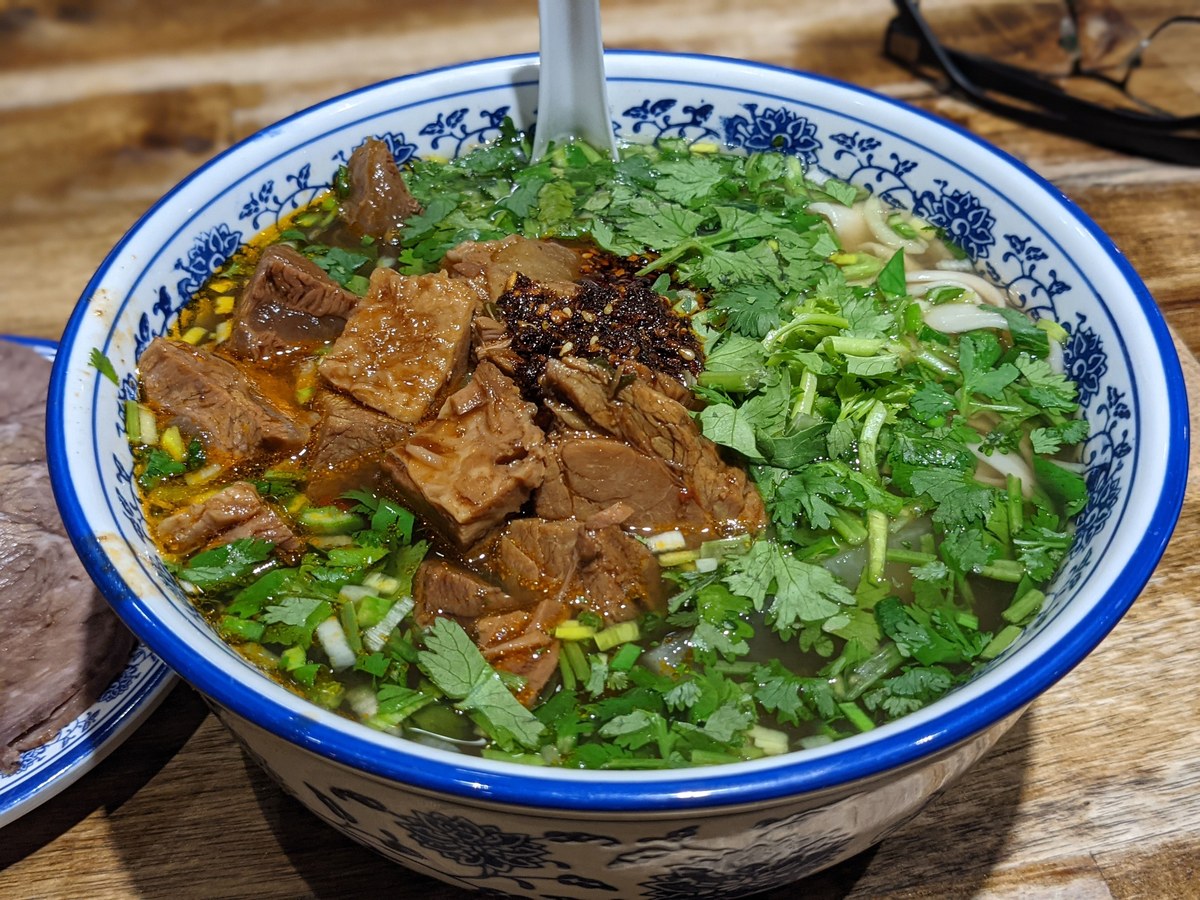
Lanzhou beef noodle soup is not a dark soy beef stew with noodles. The bowl works because each element stays distinct: clear beef broth, tender sliced beef, soft daikon, springy wheat noodles, fresh herbs, and red chili oil added at the end.
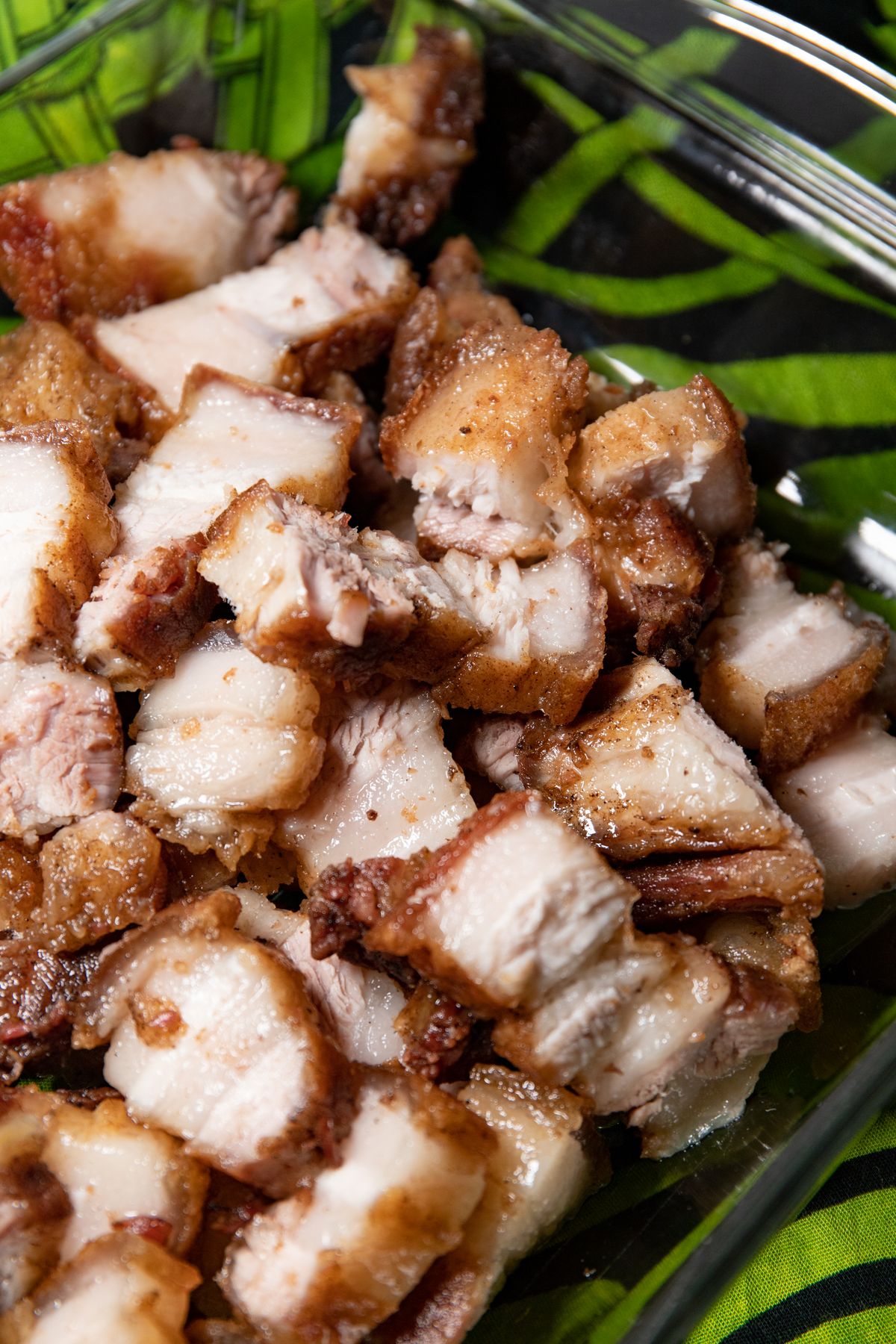
Cantonese crispy pork belly bites match the reviewed image far better than the old braised pork ribs title because the plate shows chopped roast pork belly with crisp browned skin and layered fat. This page therefore teaches the siu yuk problem home cooks actually face: dry the skin enough to blister while keeping the meat seasoned and juicy.
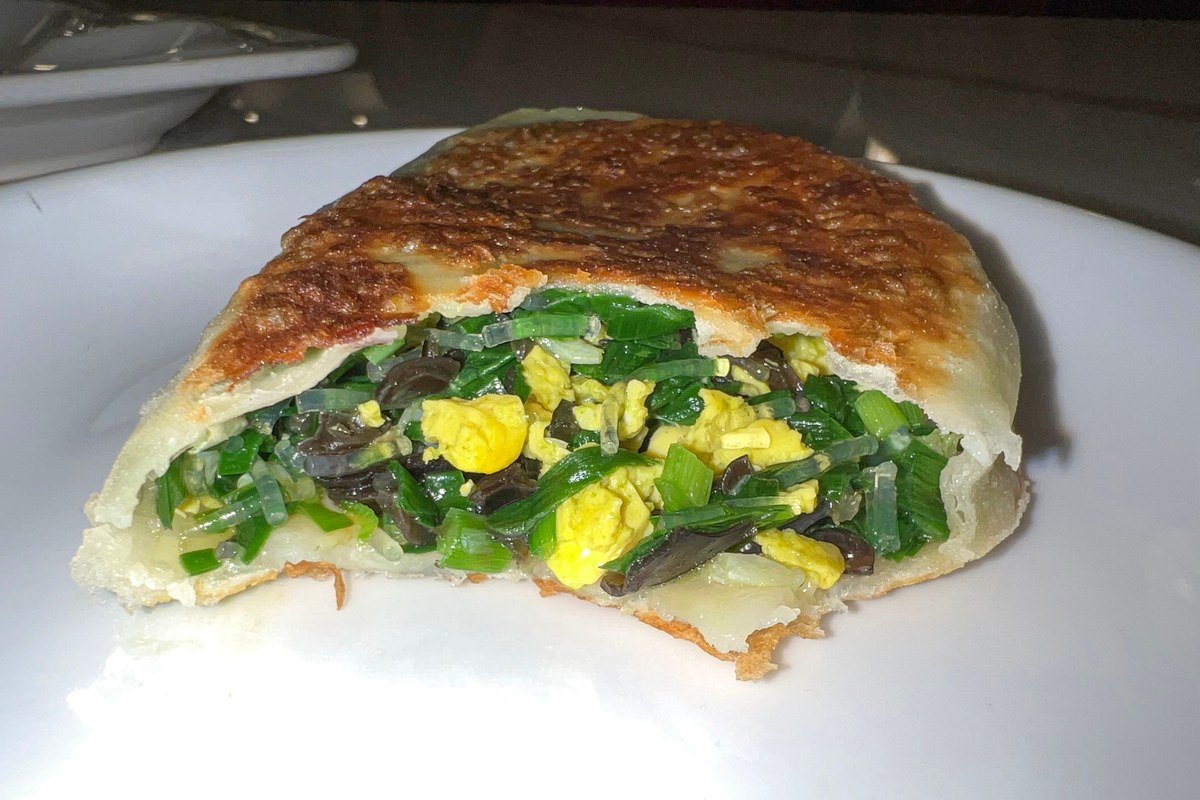
Jiucai Hezi is a northern Chinese chive pocket, not a generic leek pancake. The filling needs to stay dry and loose, the eggs need to cool before they meet the chives, and the wrapper should blister in the skillet without steaming itself soggy.
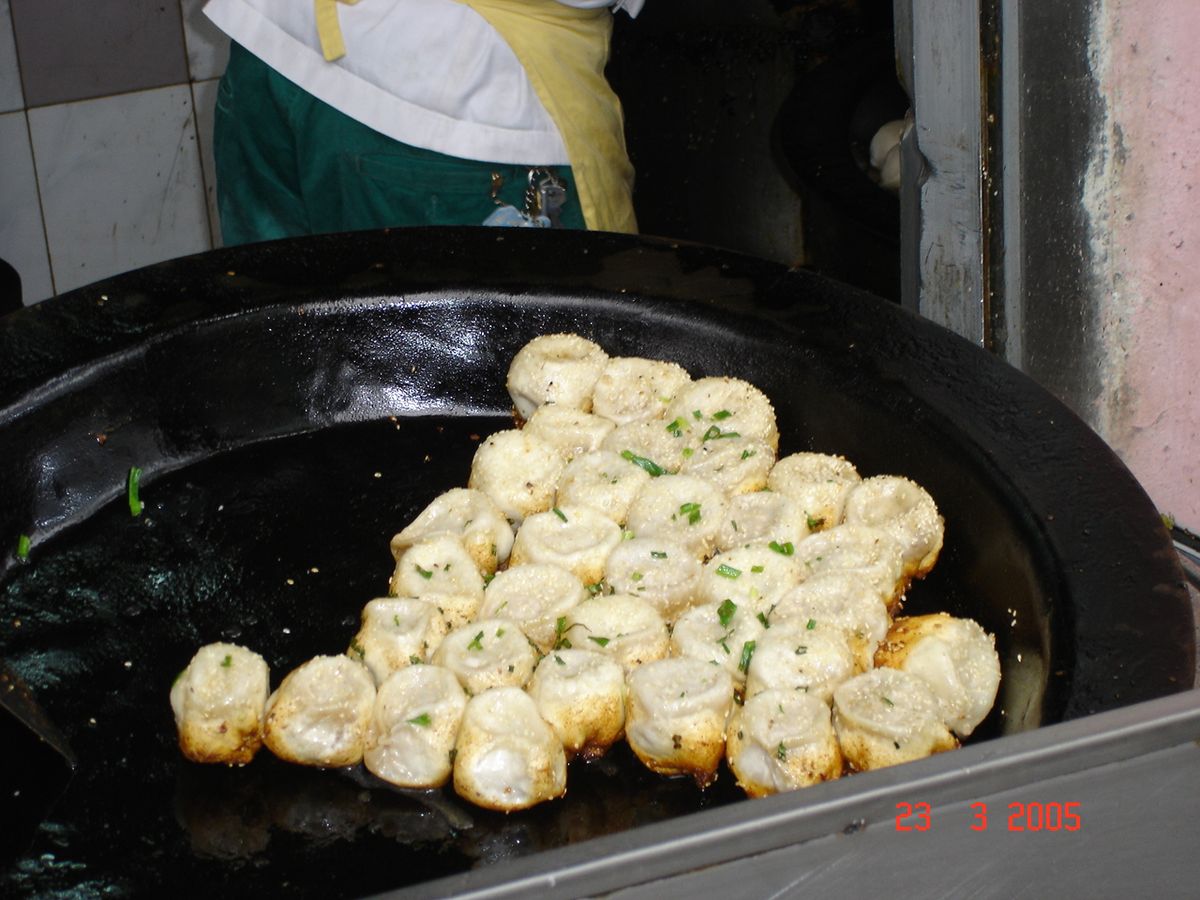
Sheng Jian Bao is the accurate direction for this page because the replacement image shows small pan-fried buns crowded in a broad Shanghai-style griddle. The useful home-cook lesson is not pleating perfection; it is managing the covered steam stage, then uncovering long enough for the bottoms to fry crisp without scorching.
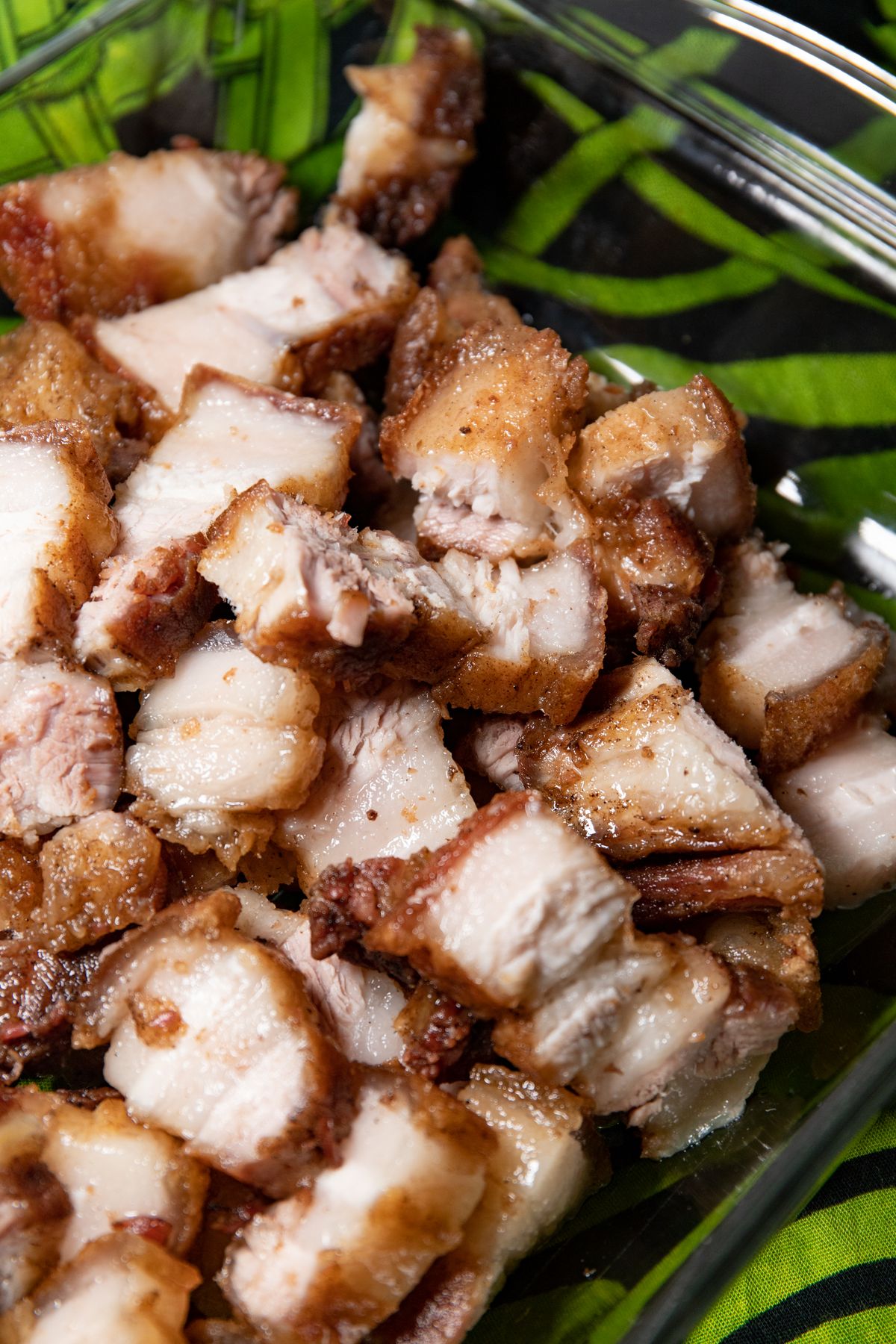
This page is rewritten around the exact crispy pork belly image instead of the old pickled long bean pork draft. It now teaches crisp-skinned pork belly served with lettuce or herb leaves, a punchy dipping sauce, and practical reheating cues so the pork stays crisp instead of leathery.
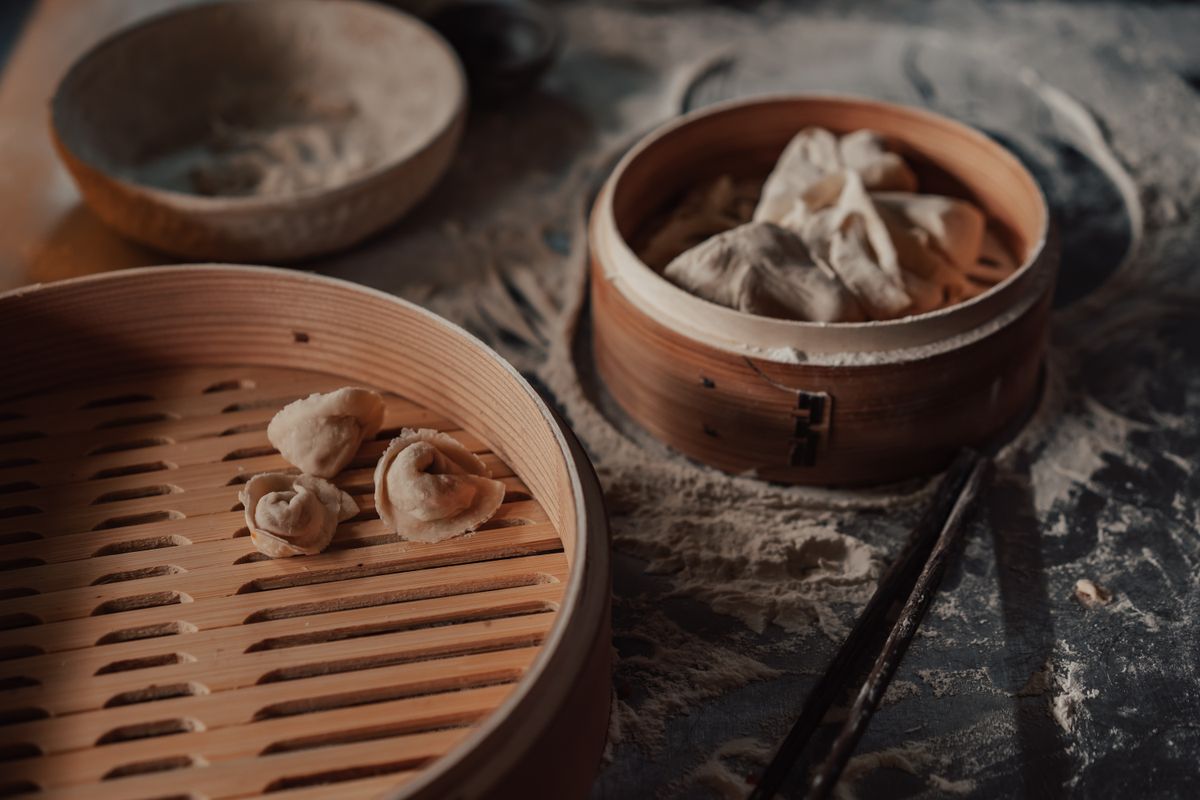
Pork and celery dumplings are already the right dish family for the image, so this refinement keeps the topic and makes it useful. The exact photo shows pale handmade dumplings in bamboo steamers, which means the page should teach filling texture, celery moisture control, and the moment dumplings are cooked through without bursting.
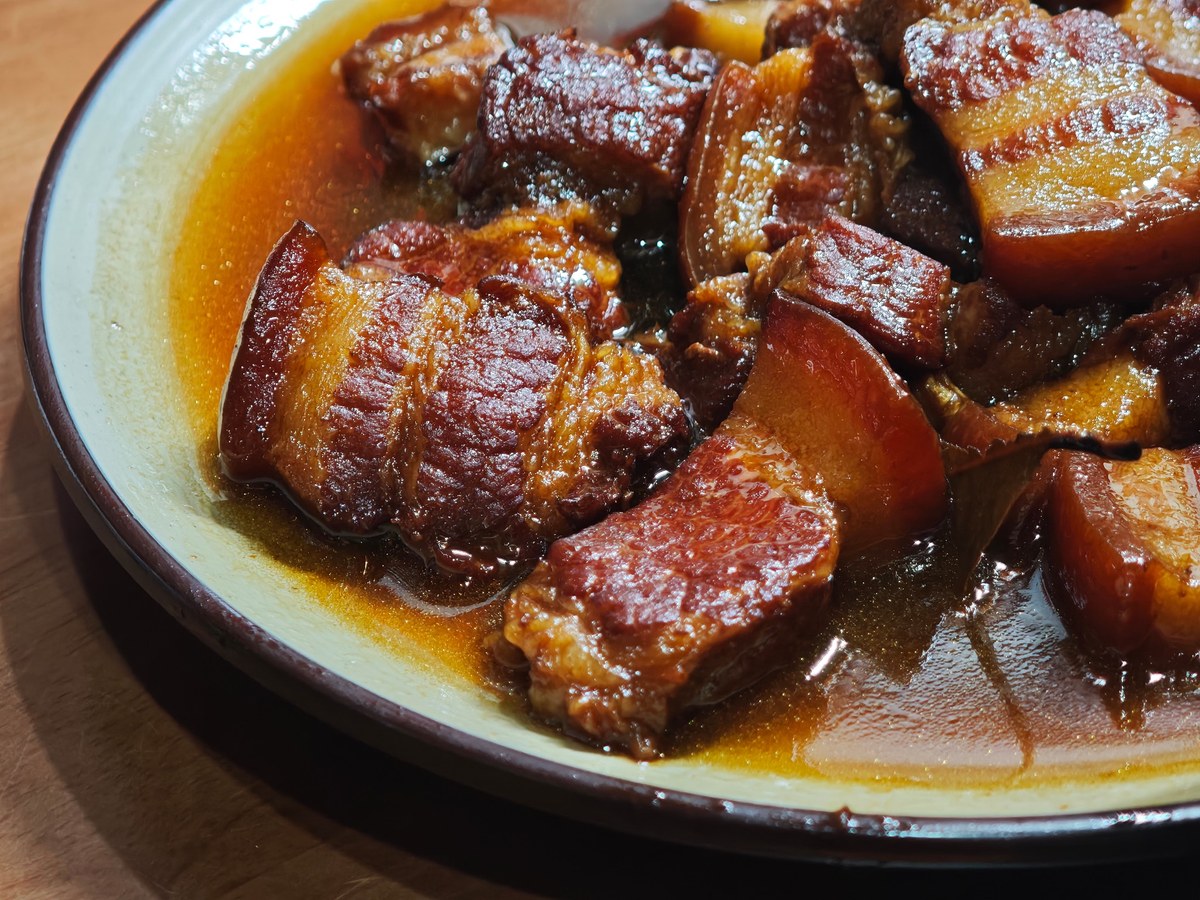
A red-braised pork belly recipe for hong shao rou, focused on blanching, caramel color, low simmering, and a final glossy reduction that keeps the pork tender.
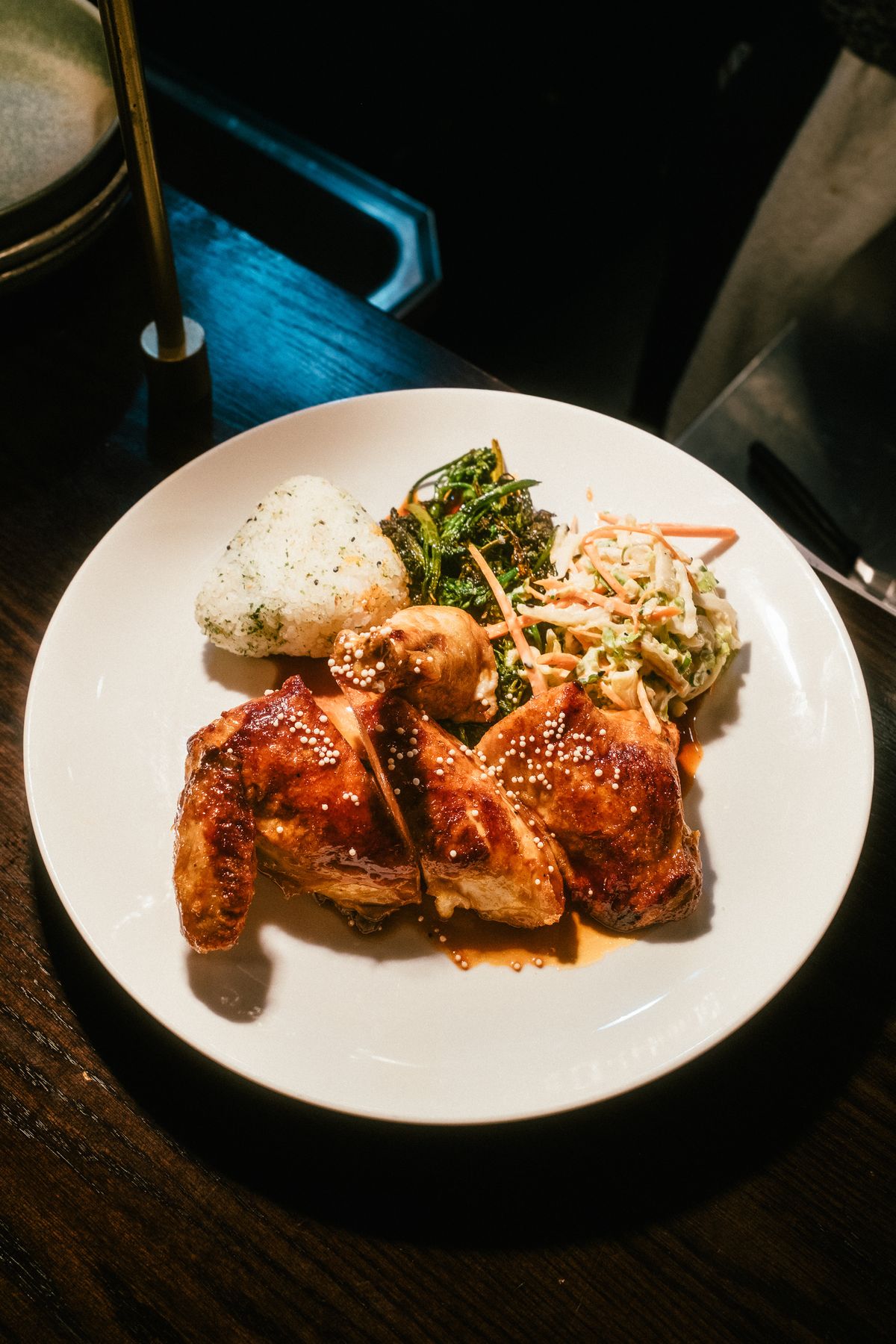
This page is rewritten around the exact roasted chicken plate instead of the old red wine chicken draft. It now teaches soy-sauce roast chicken with ginger, scallion, five-spice warmth, crisped skin, and rice-and-greens service that matches the plated photo.
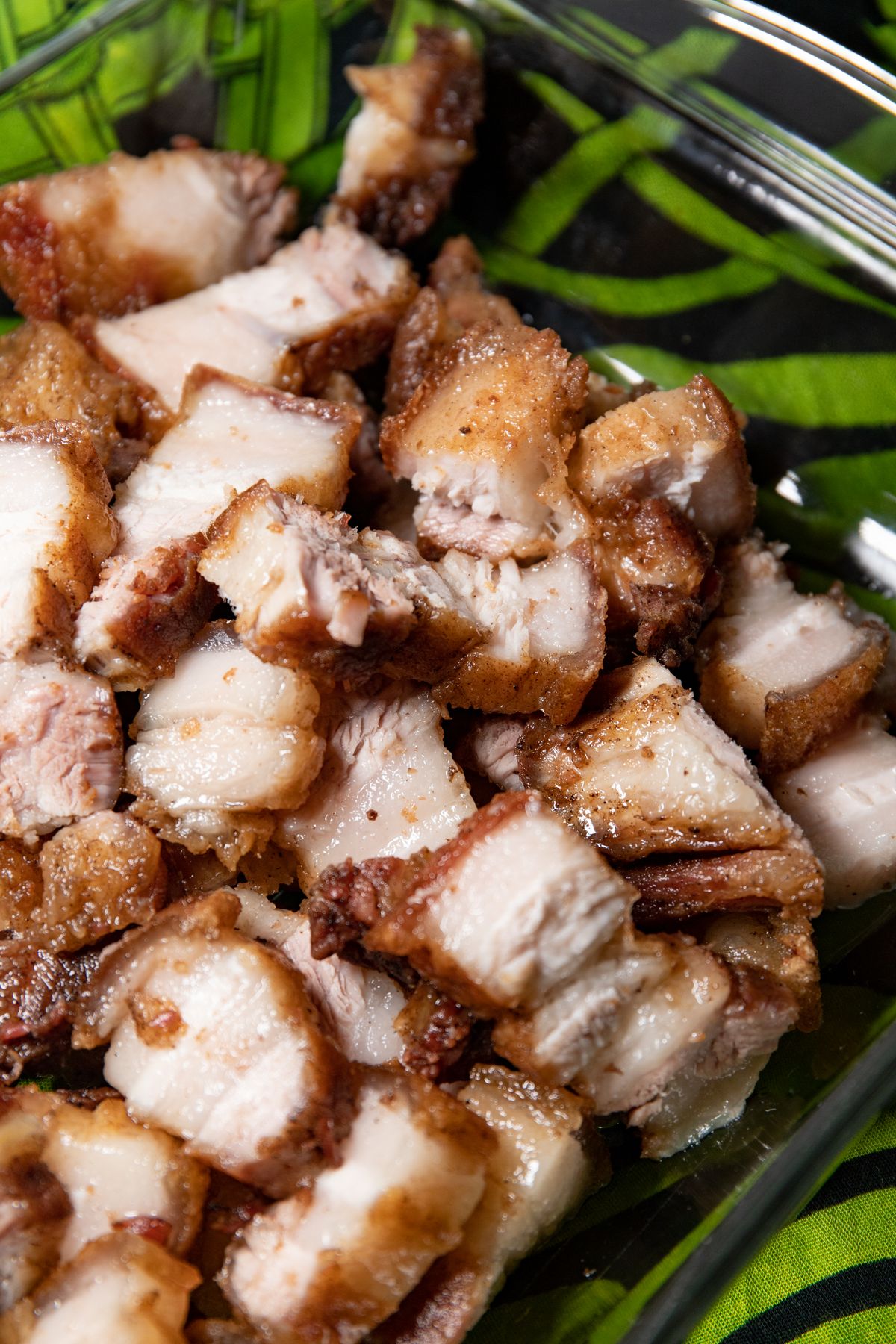
Chinese crispy pork belly is a more truthful page for this image than red wine pork ribs. The photo shows chopped pork belly pieces with browned skin and layered fat, so the page should focus on drying, skin texture, seasoning restraint, and reheating without softening the crisp edges.
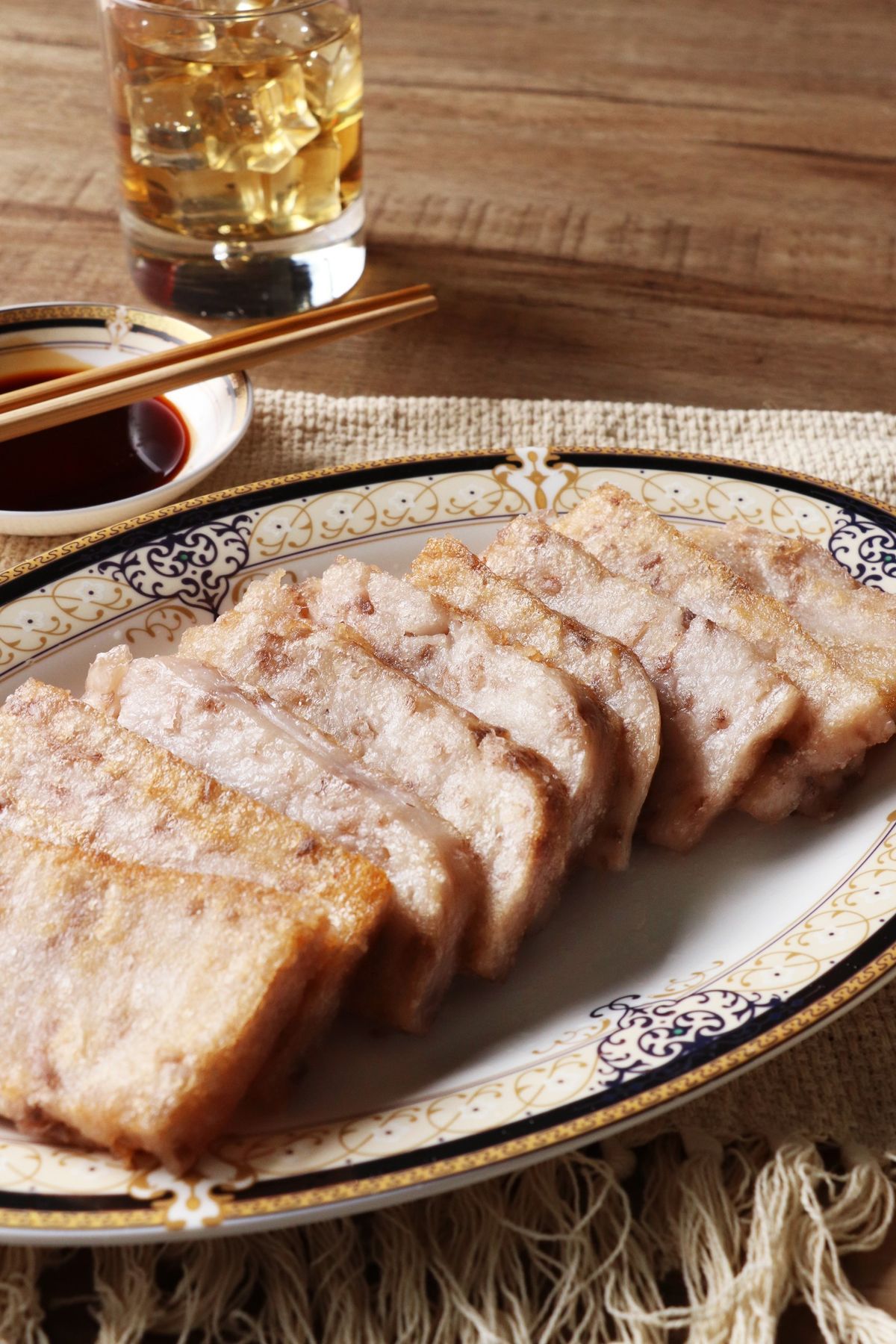
This page is rewritten around the exact crispy pork belly slice image instead of the old lettuce wrap draft. It now teaches siu yuk-style pork belly slices with dry skin, rendered fat, a crisp crackling layer, and a simple soy or mustard dip that matches the plated photo.
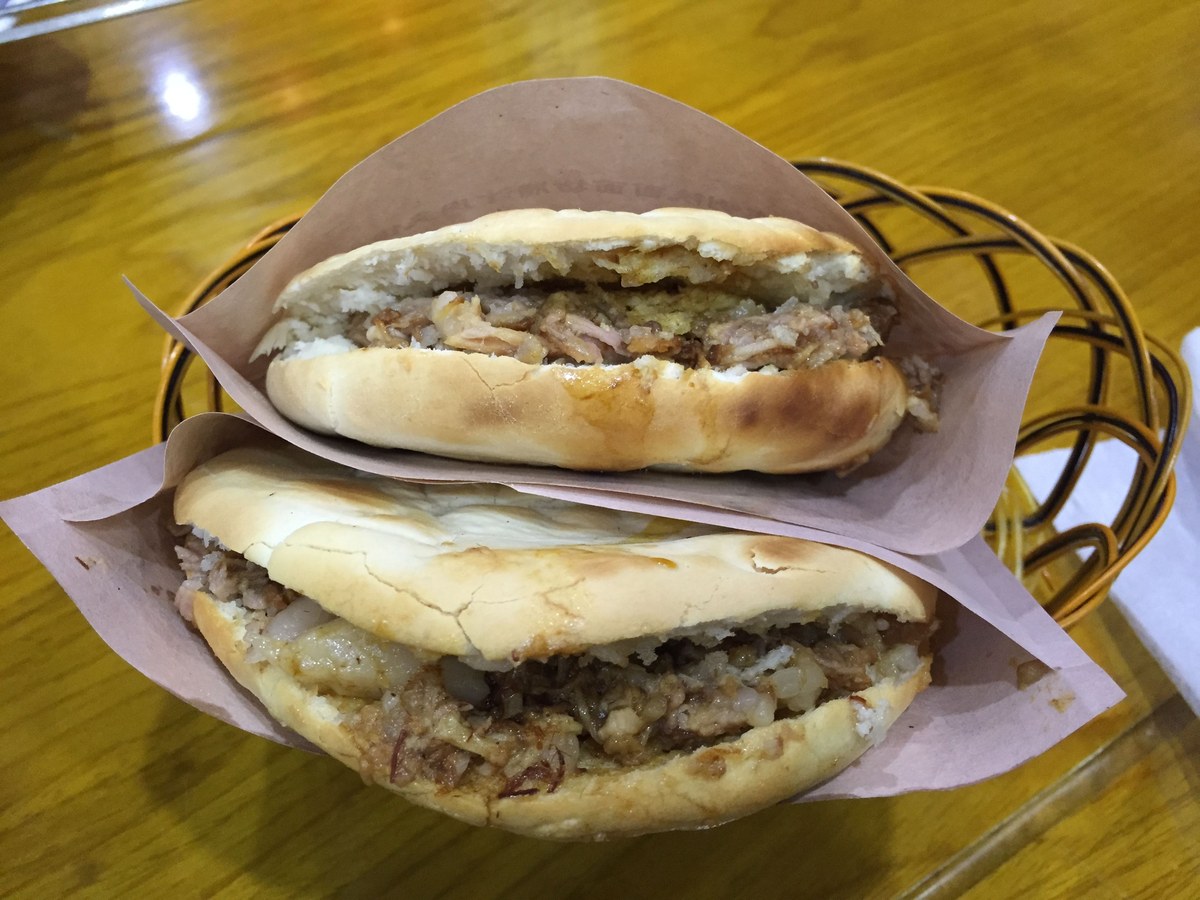
A rou jia mo recipe focused on Shaanxi-style spiced braised pork, a little braising juice chopped back into the filling, and crisp baiji mo flatbread that holds the meat without turning soggy.
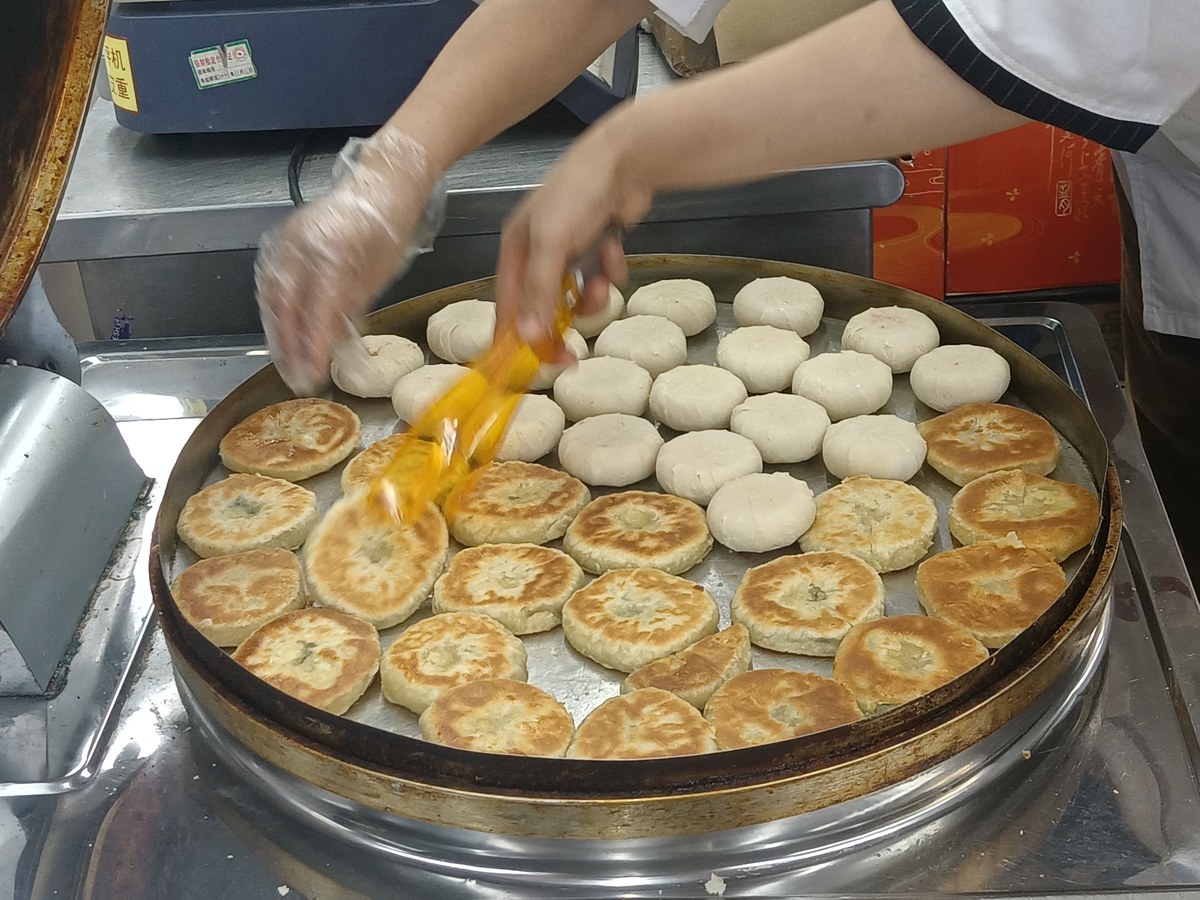
A scallion pancakes recipe focused on hot-water dough, enough oil between layers, a tight coil, and pan-frying that gives crisp edges without leaving the center raw.
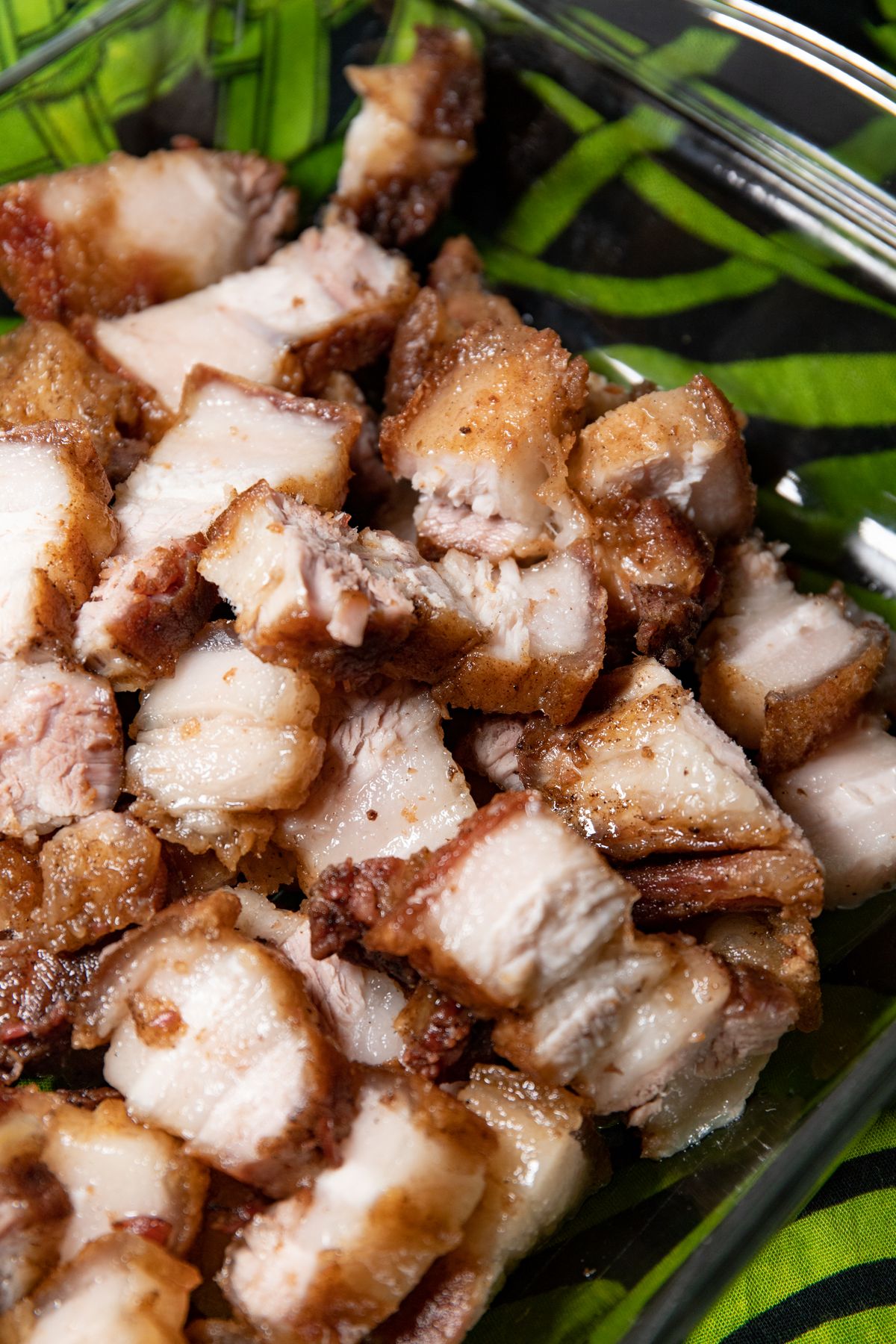
This page is rewritten around the exact pork belly bite image instead of the old scallion pork stir-fry draft. It now teaches bite-size pork belly pieces crisped with salt, white pepper, garlic, chili, and optional Sichuan pepper so the pieces stay juicy inside and crisp at the edges.
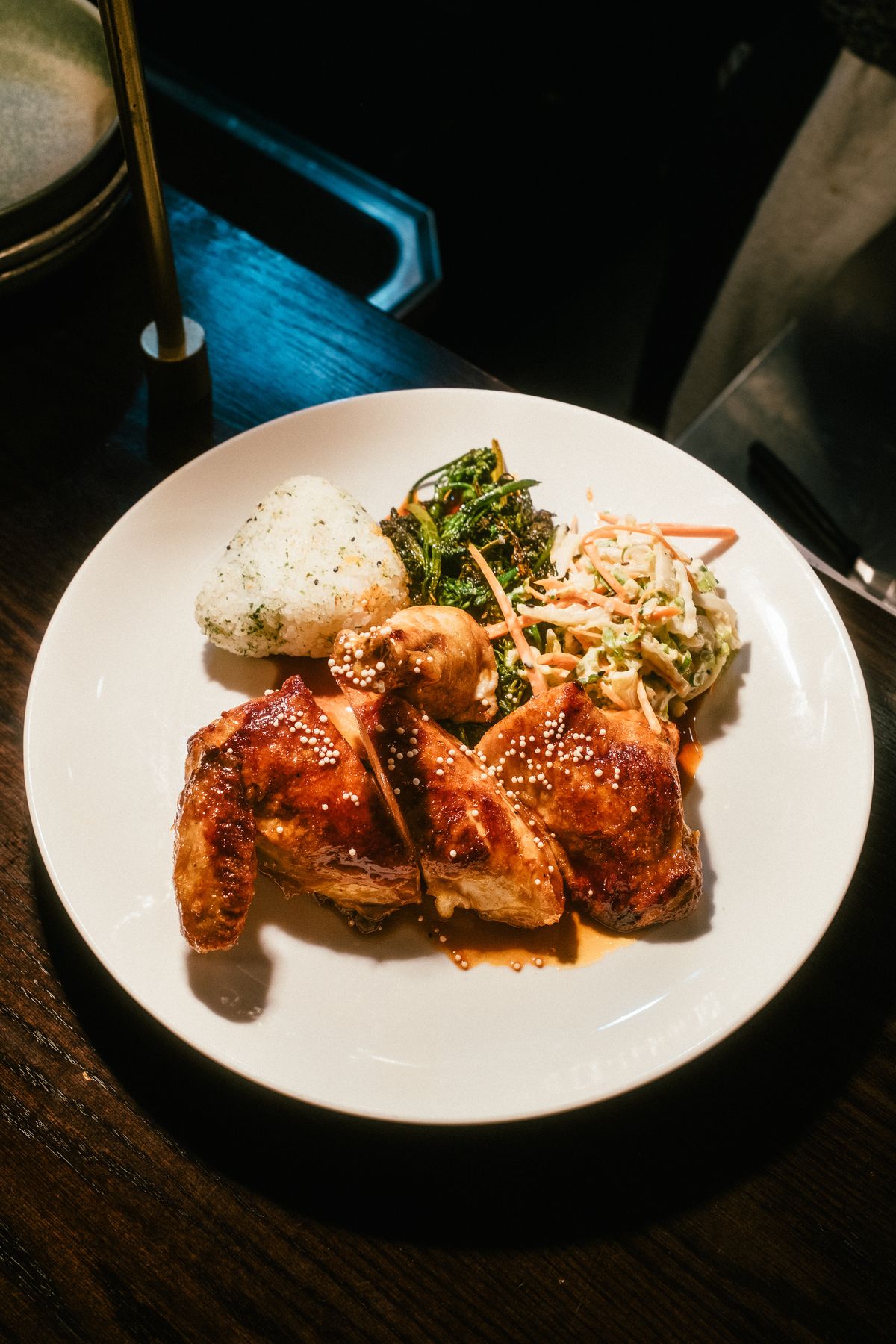
This page is rewritten around the exact chicken rice plate image instead of the old generic Shanghai soy sauce chicken draft. It now teaches a soy-glazed roast chicken plate with ginger-scallion aromatics, rice, greens, and a spoonable pan glaze.
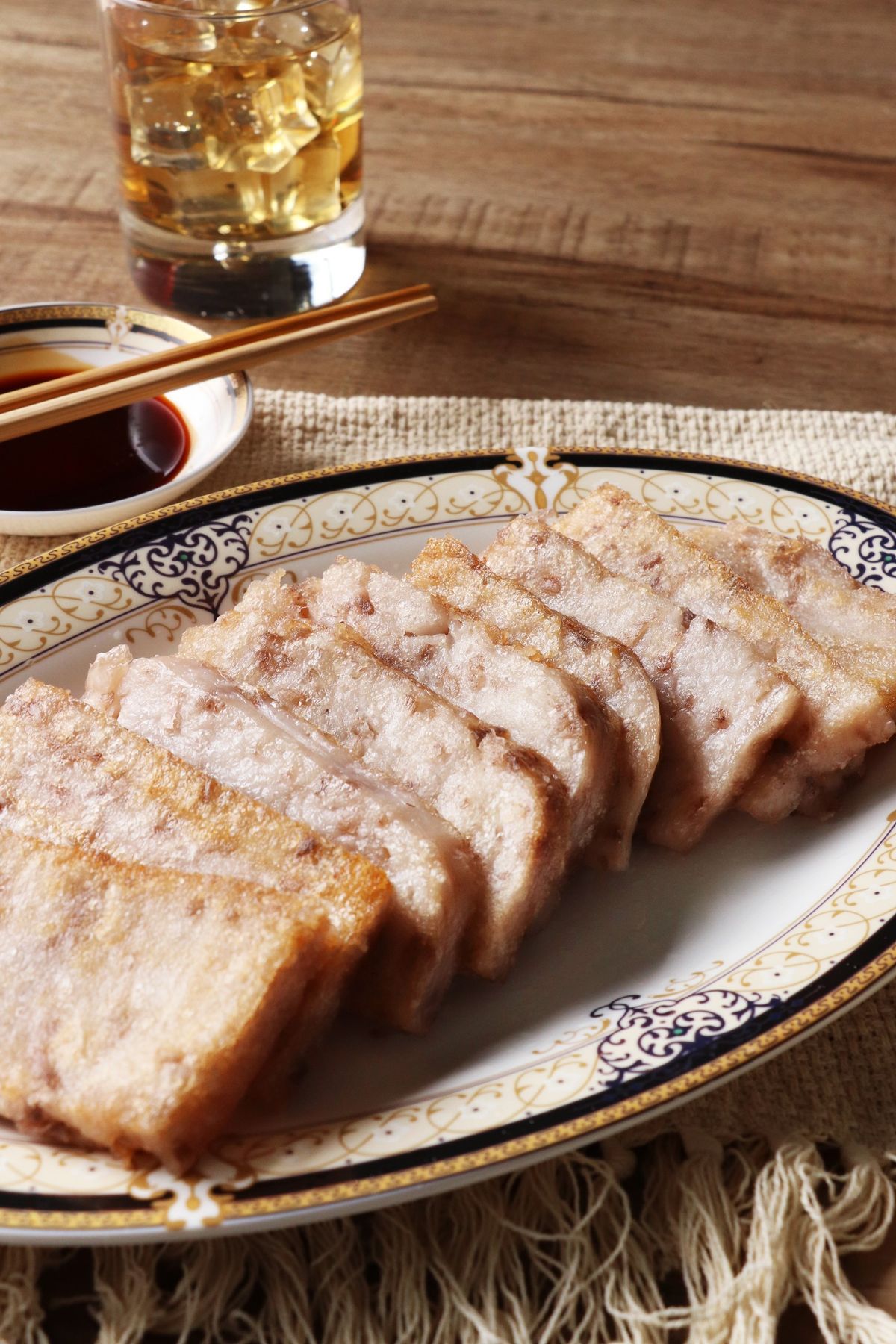
This page is rewritten around the exact crispy pork belly image instead of the old shredded potato pancake draft. It now teaches a siu yuk-inspired crispy pork belly plate with a soy-vinegar dipping sauce and practical cues for crunchy skin, tender meat, and clean slicing.
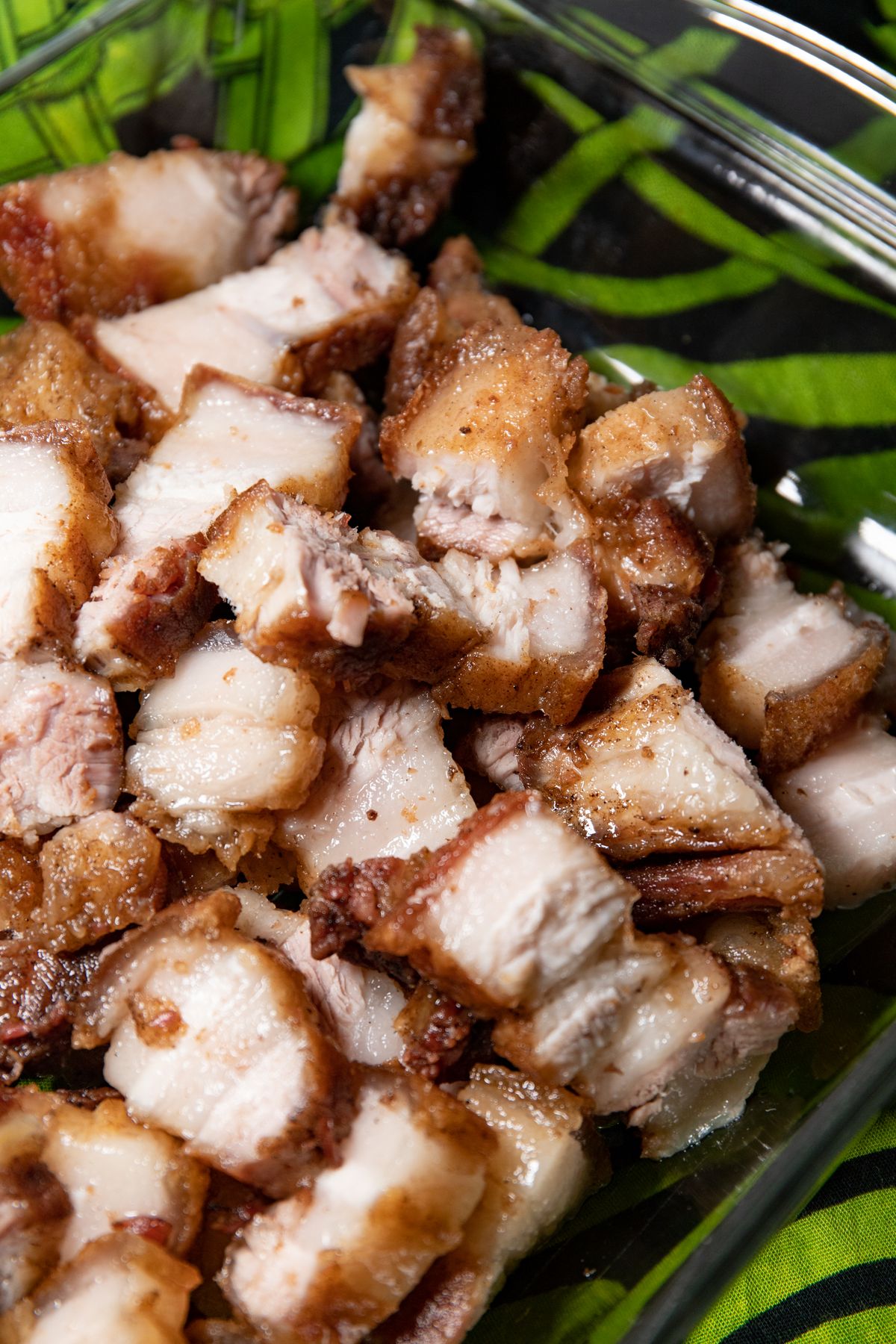
This page is rewritten around the exact crispy pork belly cube image instead of the old steamed pork with preserved greens draft. The article teaches Chinese roast pork belly logic: dry skin, five-spice seasoning on the meat side, patient roasting, a crisping finish, and clean slicing into juicy cubes.
Cook with context
The everyday salty soy sauce used for seasoning, not the same as dark soy sauce.
A dark rice vinegar with malt-like depth, used in dressings, dipping sauces, and sweet-sour balances.
An earthy spice used in Xinjiang-style lamb, noodles, and dry stir-fries.
A warm spice blend that can bring star anise, fennel, cinnamon, clove, and pepper notes to braises and roasts.
A glossy savory sauce that brings sweetness, salt, and body to Cantonese greens and noodle stir-fries.
A Chinese rice wine used to reduce raw aromas and add gentle complexity.
A skillet method for crisp bottoms, tender centers, and controlled steam.
A staged workflow for making barbecue pork filling and steaming soft buns.
A practical home method for clear broth, gentle simmering, and final seasoning.
How to build cumin-heavy grilled or broiled flavor without burning spices.
A simple half-moon seal and storage workflow for a first dumpling night.
A controlled steaming workflow for eggs, fish, pork patties, and buns.
Collection depth
Chinese Project Recipes gathers recipes around a practical cooking intent. Use this collection for recipes where marinating, folding, simmering, steaming, or dry-spice high heat are worth a longer cooking session.
Use the collection by choosing a constraint first: time, ingredient, method, diet, or comfort level. Then compare recipes by what can go wrong. A fast stir-fry needs prep finished before heat starts, while a braise may be slower but more forgiving once the pot is simmering.
Representative dishes include Beef Scallion Pancake Rolls, Cantonese Roast Duck, Char Siu Pork Buns, Xian Bing Chinese Meat Pies, and Crossing Bridge Rice Noodles. They are grouped together because they answer a similar user need, but they still differ in heat level, texture, prep style, and how much pantry knowledge they require.
The pantry links are Light Soy Sauce, Chinkiang Vinegar, Cumin, Five-Spice, Oyster Sauce, and Shaoxing Wine. These pages help a reader decide whether a recipe is practical tonight or needs a shopping trip. They also keep substitutions grounded in flavor role instead of guesswork.
The technique links are Pan-Fry Dumplings and Pancakes, Roast and Steam Buns, Chinese Soup Base, Dry Spice Grill, Beginner Dumpling Folding, and Gentle Steaming. Read those when a recipe seems simple but depends on texture. Many Chinese home recipes are short on paper because the technique carries the difficulty.
Use Chinese Project Recipes as a practical cooking guide rather than a decoration around a recipe list. Read the opening idea, then scan the linked recipes for timing, heat level, texture, and pantry overlap. That order helps a home cook decide what to make before shopping, while still giving enough context for search visitors who landed on the page with a specific question. The collection is meant to help readers choose a dish and then move into the supporting recipe, pantry, and technique pages.
Chinese Project Recipes also works as an internal map for the site. The recipes, pantry notes, and technique links are intentionally connected so a reader can move from a broad question into a concrete dish, then back into a supporting skill or ingredient explanation. That pattern builds useful internal links without forcing the same paragraph onto every page. The collection is meant to help readers choose a dish and then move into the supporting recipe, pantry, and technique pages.
For cooking decisions, the most important detail is not only the name of the dish. A reader needs to know what texture to expect, what ingredient carries the flavor, which step is fragile, and what can be prepared ahead. This page keeps those decisions close to the recipes so the user does not need to open ten tabs before starting dinner. The collection is meant to help readers choose a dish and then move into the supporting recipe, pantry, and technique pages.
The page is written for English-speaking home cooks using ordinary pans, grocery-store ingredients, and a mixed pantry. It avoids assuming a restaurant wok burner, a full Chinese pantry, or previous knowledge of regional cooking terms. When a linked recipe needs a special paste, sauce, starch, or folding method, the surrounding notes explain why that element matters. The collection is meant to help readers choose a dish and then move into the supporting recipe, pantry, and technique pages.
If you are comparing options, start with the dishes that share ingredients you already own. Then check the method and total cooking time. A short recipe can still fail if the heat sequence is wrong, and a longer recipe can be easy if the work is mostly simmering, steaming, resting, or cooling. The collection is meant to help readers choose a dish and then move into the supporting recipe, pantry, and technique pages.
For meal planning, keep one anchor dish and one supporting dish. Pair a bold sauce with plain rice, a crisp stir-fry with a soup, or a rich braise with a cold vegetable plate. That approach keeps the table balanced and makes the cooking session feel organized instead of crowded. The collection is meant to help readers choose a dish and then move into the supporting recipe, pantry, and technique pages.
For SEO and reader trust, the page should answer the obvious question in plain language, then give enough detail to prove the answer is usable. That means naming the dishes, showing the relevant techniques, explaining pantry substitutions, and warning about texture or food safety when a recipe depends on those choices. The collection is meant to help readers choose a dish and then move into the supporting recipe, pantry, and technique pages.
The repeated theme is cue-based cooking. Timers help, but visible changes matter more: oil color, sauce thickness, steam strength, noodle spring, dumpling edges, vegetable brightness, and whether a protein is cooked through. Those cues make the page useful even when the reader changes brands, pan size, or serving count. The collection is meant to help readers choose a dish and then move into the supporting recipe, pantry, and technique pages.
Use Chinese Project Recipes as a practical cooking guide rather than a decoration around a recipe list. Read the opening idea, then scan the linked recipes for timing, heat level, texture, and pantry overlap. That order helps a home cook decide what to make before shopping, while still giving enough context for search visitors who landed on the page with a specific question. The collection is meant to help readers choose a dish and then move into the supporting recipe, pantry, and technique pages.
Chinese Project Recipes also works as an internal map for the site. The recipes, pantry notes, and technique links are intentionally connected so a reader can move from a broad question into a concrete dish, then back into a supporting skill or ingredient explanation. That pattern builds useful internal links without forcing the same paragraph onto every page. The collection is meant to help readers choose a dish and then move into the supporting recipe, pantry, and technique pages.
Chinese project recipes for grill, roast, dumpling, noodle, bun, braise, and dinner-party dishes that need more planning.
Beef Scallion Pancake Rolls, Cantonese Roast Duck, Char Siu Pork Buns, Xian Bing Chinese Meat Pies, and Crossing Bridge Rice Noodles
Light Soy Sauce, Chinkiang Vinegar, Cumin, Five-Spice, Oyster Sauce, and Shaoxing Wine
Pan-Fry Dumplings and Pancakes, Roast and Steam Buns, Chinese Soup Base, Dry Spice Grill, Beginner Dumpling Folding, and Gentle Steaming