northern recipe
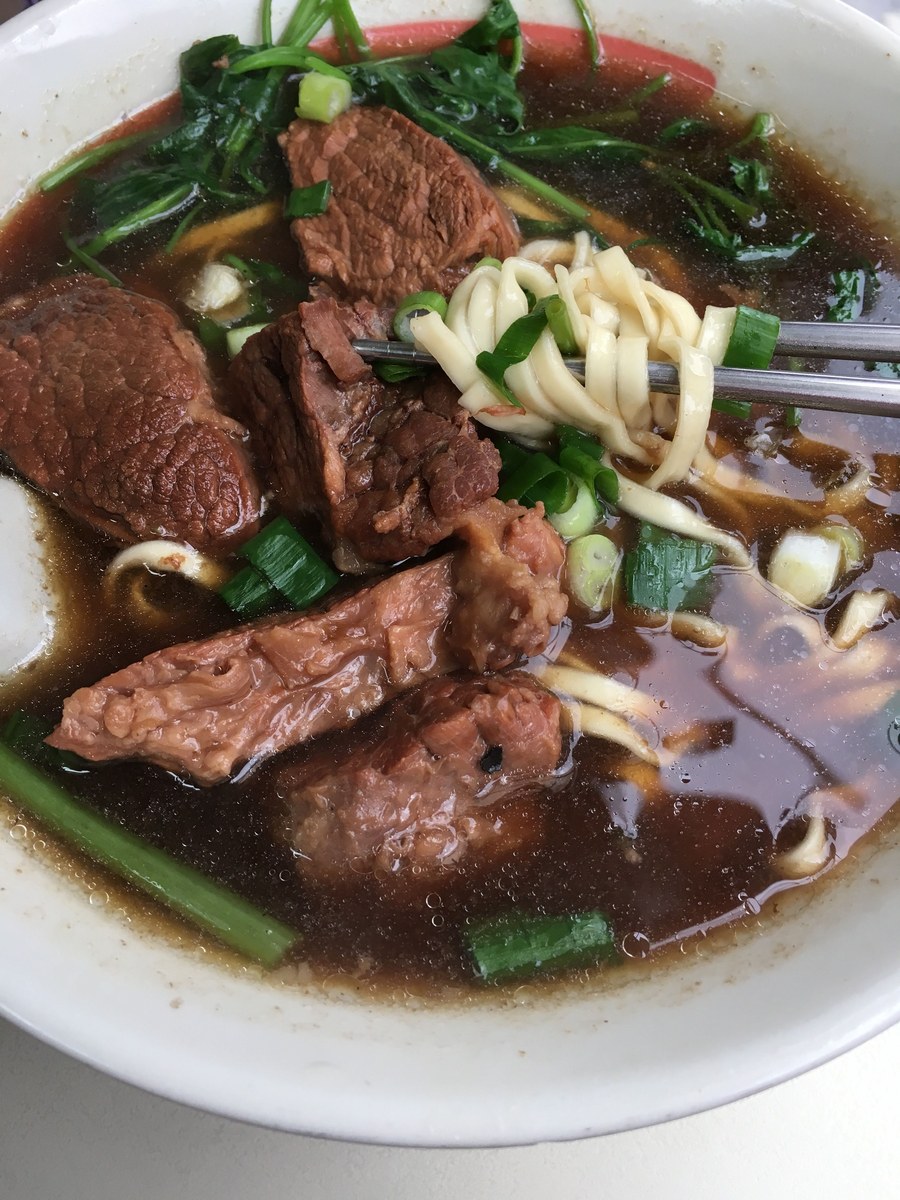
Five-Spice Beef Shank Noodle Soup with Tender Slices
Braise beef shank low and slow in a soy-spice broth, rest it before slicing, strain and season the broth, then assemble hot noodles, greens, beef slices, and scallions bowl by bowl.
Overview
Why this recipe works
Five-Spice Beef Shank Noodles is a 40-minute Northern Chinese recipe built around braise, simmer, and noodle. A five-spice beef shank noodle soup recipe focused on gently braising beef shank until sliceable, seasoning the broth with soy, ginger, star anise, cinnamon, and five-spice, then serving it over springy noodles.
The useful move is to treat the recipe as a sequence of cues instead of a race through the clock. Start by watching for beef shank is tender enough to slice but not falling into shreds; later, check that broth smells of ginger, soy, and warm spice without tasting dusty. That keeps the dish controlled on a home stove even when your pan, burner, or ingredient sizes differ.
This version is especially useful for comfort food and make ahead. The ingredient focus is beef, noodles, scallion, and ginger, with Light Soy Sauce, Chinkiang Vinegar, and Cumin doing most of the seasoning work.
Before cooking, read the method once and decide where your attention is needed. In Five-Spice Beef Shank Noodles, the important path is braise, simmer, and noodle, so the cook should prepare the ingredients, keep the pan setup simple, and avoid hunting for seasonings after heat has started.
The time estimate is useful, but it is not the final authority. If beef shank is tender enough to slice but not falling into shreds takes longer than expected, stay with that cue before moving forward. If broth smells of ginger, soy, and warm spice without tasting dusty happens quickly, lower the heat or move to the next step instead of waiting for an exact minute count.
The recipe is written for comfort food and make ahead, which means the best version is not always the most elaborate version. Keep the pantry anchor clear, use Light Soy Sauce, Chinkiang Vinegar, and Cumin with restraint, and let the final texture tell you whether the dish needs more heat, more liquid, or a shorter finish.
Use the related pantry and technique links when you want to change the recipe. Those pages explain the role of beef, noodles, scallion, and ginger and Noodle Boiling and Rinsing, so substitutions stay connected to flavor, texture, and safety instead of becoming random swaps.
If you are cooking from a small kitchen, keep the workspace calm. Put cut ingredients in order, clear a landing spot for the finished dish, and read the safety note before handling leftovers. That preparation makes the recipe easier to follow and gives the page enough context to help readers who are still deciding whether this dish fits their night.
Best for
Comfort food and make ahead cooks who want a clear Northern Chinese dish without guessing at doneness.
Main cue
Beef shank is tender enough to slice but not falling into shreds
Pantry anchor
Light Soy Sauce, Chinkiang Vinegar, and Cumin
Cook's notes
What changes the result
This page should focus on braise control and assembly. The beef should be tender but sliceable, while the noodles must be cooked separately so the broth stays clear.
Judgement call
Push a chopstick into the shank near the center. If it enters with a little resistance and the meat still holds its shape, stop simmering and let the beef rest in broth before slicing.
Common failure points
- Beef stays tough because the simmer is stopped before the connective tissue softens.
- The broth tastes dusty because too much five-spice powder is used instead of a small amount with whole spices.
- The soup turns cloudy because noodles are boiled directly in the serving broth.
- Slices crumble because the beef is cut while hot instead of rested or chilled first.
Flavor adjustment
- For a Taiwanese-style bowl, add pickled mustard greens and chile oil at serving rather than overloading the braise.
- For a cleaner northern-style broth, lean on ginger, scallion, star anise, cinnamon, and soy with only a small pinch of five-spice.
- For deeper color, add dark soy sauce sparingly; too much can make the broth taste flat and bitter.
- For a lighter dinner, use more greens and fewer noodles while keeping the broth strong enough to season the bowl.
Regional context
Beef noodle soup connects northern Chinese wheat-noodle habits with soy-braised beef and, in Taiwanese versions, a darker aromatic broth served with greens, scallion, and pickled vegetables.
Ingredients
What goes in
Read the ingredient list once before heating the pan. Measure the pantry items first, group the fresh ingredients by when they enter the recipe, and keep the thickener or finishing seasoning close to the stove so the final step does not stall.
- 1 1/2 lb beef shank
- 10 oz fresh wheat noodles or dried wheat noodles
- 6 cups beef stock, chicken stock, or water
- 2 tbsp light soy sauce
- 1 tbsp dark soy sauce
- 1 tbsp Shaoxing wine
- 1 tbsp rock sugar or brown sugar
- 3 slices ginger
- 2 scallions, plus more for serving
- 2 star anise, 1 small cinnamon stick, and 1 bay leaf
- 1/2 tsp five-spice powder, added lightly
- Bok choy, spinach, or other greens for serving
Watch for
- beef shank is tender enough to slice but not falling into shreds
- broth smells of ginger, soy, and warm spice without tasting dusty
- noodles are cooked separately so starch does not cloud the broth
- greens stay bright and fresh against the deep beef broth
Ingredient notes
Know the pantry before you cook
The pantry backbone for this recipe is Light Soy Sauce, Chinkiang Vinegar, and Cumin. These notes explain what each linked ingredient is doing before you start swapping or shopping.
Light Soy Sauce
The everyday salty soy sauce used for seasoning, not the same as dark soy sauce.
Tamari can work when a recipe needs a gluten-free-adaptable path, but labels must be checked.
Chinkiang Vinegar
A dark rice vinegar with malt-like depth, used in dressings, dipping sauces, and sweet-sour balances.
Rice vinegar is lighter. Add a small amount of soy sauce to approximate the darker savory note.
Cumin
An earthy spice used in Xinjiang-style lamb, noodles, and dry stir-fries.
Toast ground cumin briefly in oil if seeds are unavailable.
Five-Spice
A warm spice blend that can bring star anise, fennel, cinnamon, clove, and pepper notes to braises and roasts.
Use a tiny pinch of star anise and cinnamon for a narrower version.
Method
Cook to the cues
The method starts with blanch and rinse the beef and ends with build each noodle bowl. Use the checklist to keep your place, but let the visible cues decide when to move on: beef shank is tender enough to slice but not falling into shreds, broth smells of ginger, soy, and warm spice without tasting dusty, and noodles are cooked separately so starch does not cloud the broth.
Cook along
Check off steps as you cook
Blanch and rinse the beef
Simmer beef shank for a few minutes, then rinse away foam. This keeps the broth cleaner and makes the spice flavor easier to taste later.
Braise until sliceable
Return the beef to the pot with stock, soy sauces, wine, sugar, ginger, scallion, star anise, cinnamon, bay leaf, and a small amount of five-spice. Simmer gently until a chopstick slides in with resistance but not force.
Rest, slice, and tune the broth
Let the shank cool in the broth if time allows, then slice across the grain. Strain the broth and adjust salt, soy sauce, and sugar so it tastes slightly stronger than soup alone.
Build each noodle bowl
Cook noodles separately, blanch greens, and place them in hot bowls. Ladle over broth, add beef slices, scallion, and chile oil or pickled mustard greens if desired.
Substitutions and safety
Before you improvise
Use the substitutions as controlled changes rather than random swaps. Keep the same cooking method, keep the sauce balance close, and use the safety notes when changing protein, reheating leftovers, or holding the dish for later.
Substitutions
- Use beef chuck if shank is unavailable, but slice it thicker because it will not have the same collagen ring.
- Use star anise, cinnamon, and bay leaf even if you skip bottled five-spice powder; whole spices make a cleaner broth.
- Use dried wheat noodles, knife-cut noodles, or fresh ramen-style wheat noodles, but cook them outside the soup.
- Use pickled mustard greens, chile oil, or black vinegar at the table to adjust richness without muddying the pot.
Safety notes
- Keep prep surfaces clean and refrigerate leftovers within 2 hours.
- Cook animal proteins to a safe internal temperature before serving.
Serving and storage
Finish the meal well
Serve Five-Spice Beef Shank Noodles while greens stay bright and fresh against the deep beef broth. If you are cooking ahead, cool leftovers quickly, keep the sauce or cooking liquid with the main ingredients, and reheat gently so the texture stays close to the first serving.
FAQ
Common questions
Why is my beef shank tough?
It needs more gentle time. Beef shank has connective tissue that becomes tender through low simmering, then slices best after resting in the broth.
How much five-spice powder should I use?
Use it lightly. A small pinch supports star anise, cinnamon, ginger, and soy; too much powder makes the broth taste dusty and medicinal.
Should I cook noodles in the beef broth?
No. Cook noodles separately so starch does not cloud the broth. Add them to bowls right before ladling the hot soup over the top.
Can I make the beef shank ahead?
Yes. Braised beef shank slices more cleanly after chilling in its broth, and the broth tastes deeper the next day.