Use this when
Chinese make-ahead recipes for dumplings, braises, soups, cold dishes, and leftovers that reheat well.
Recipe collection
Use this collection when you want freezer-friendly, batch-friendly, or next-day Chinese recipes.
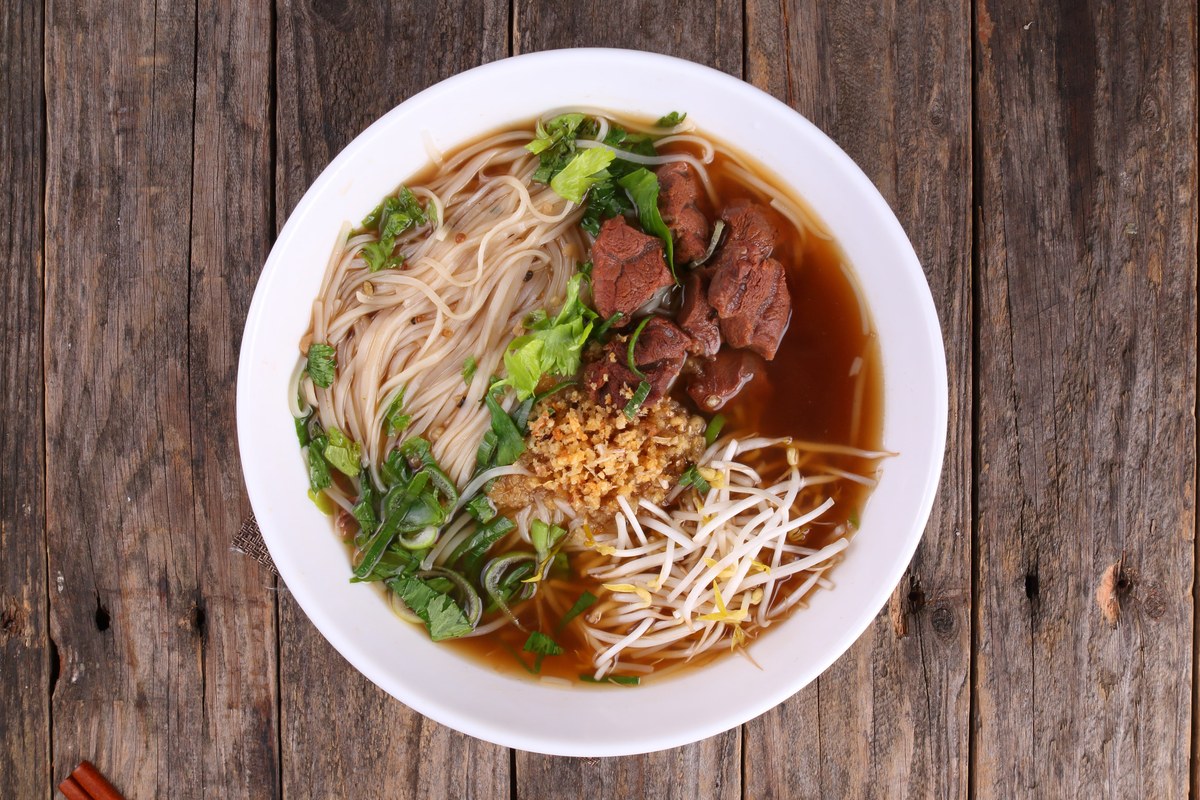
A Chinese beef noodle soup recipe built around tender braised beef, aromatic broth, chewy noodles, and bowl assembly that keeps the noodles springy.
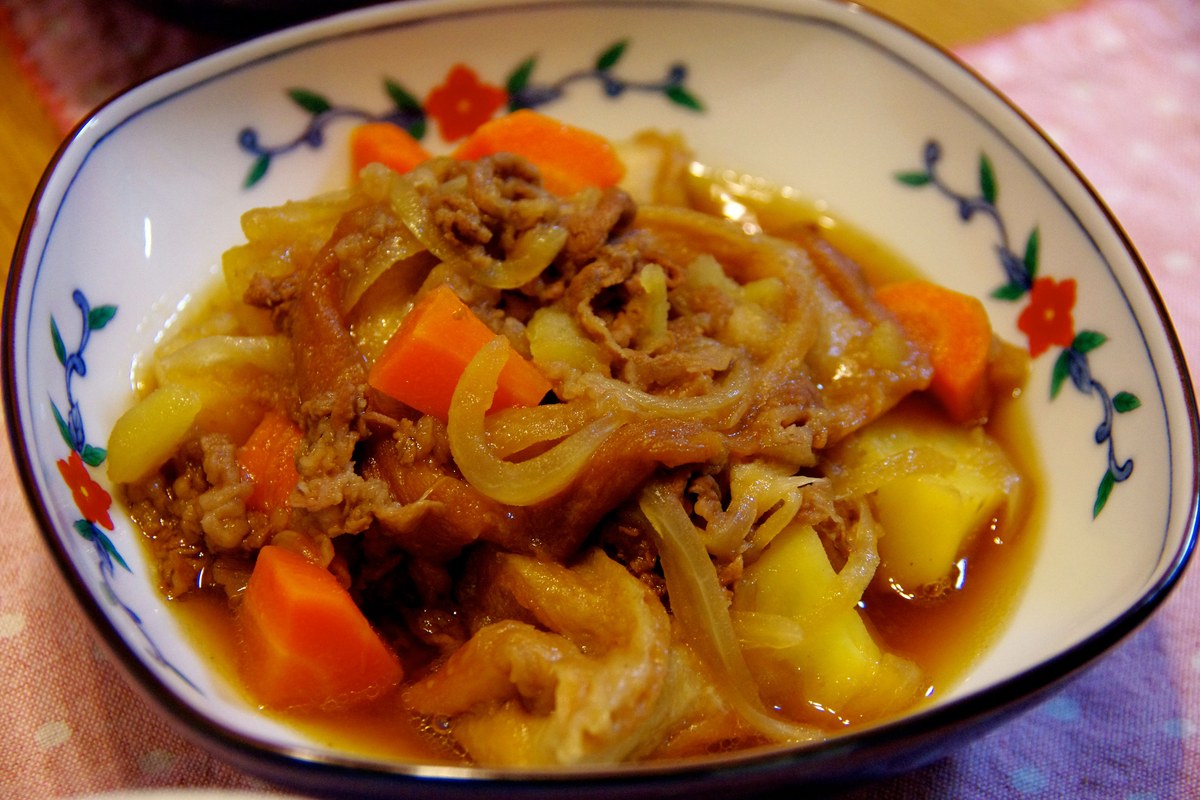
A home-style Chinese beef and potato braise built around tender beef, potatoes added late enough to hold their corners, and a soy-based sauce that reduces glossy instead of turning salty.
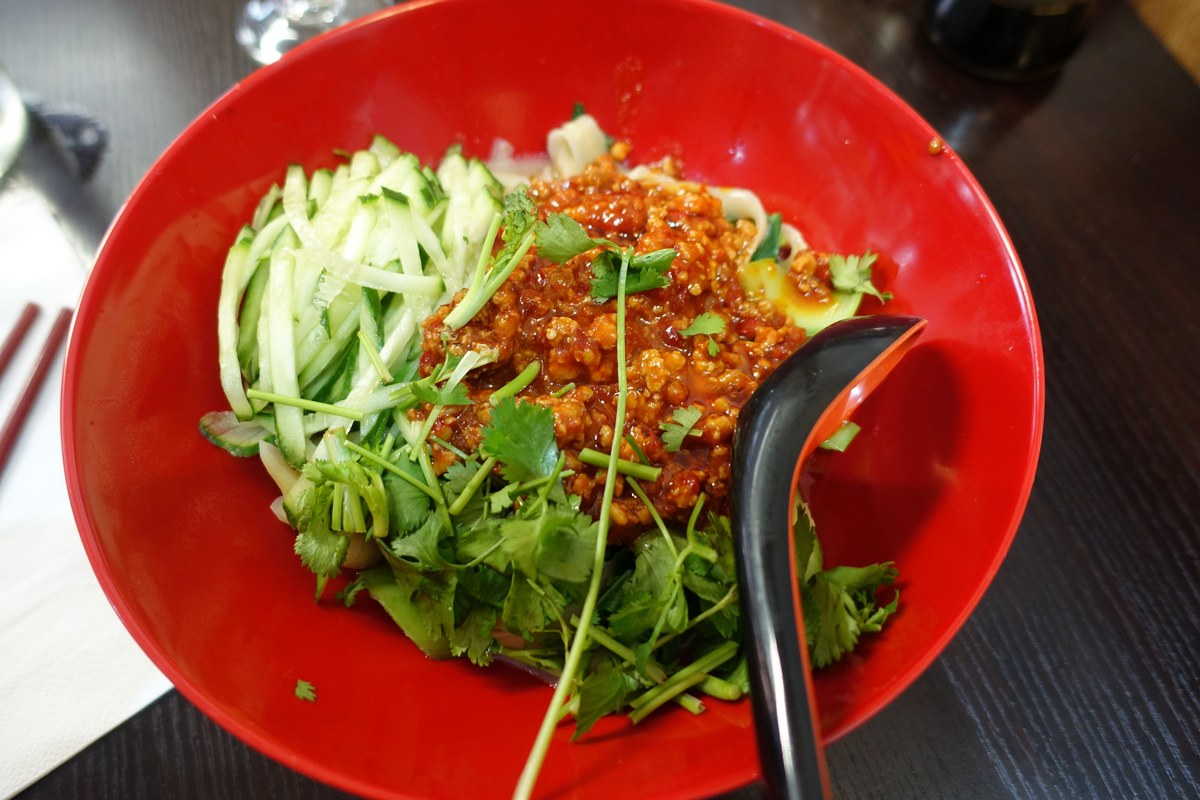
Beijing zha jiang mian is not a rice bowl. The dish is built around thick wheat noodles, a salty-sweet fried soybean paste sauce, and crisp raw vegetable toppings that keep the bowl from tasting heavy.
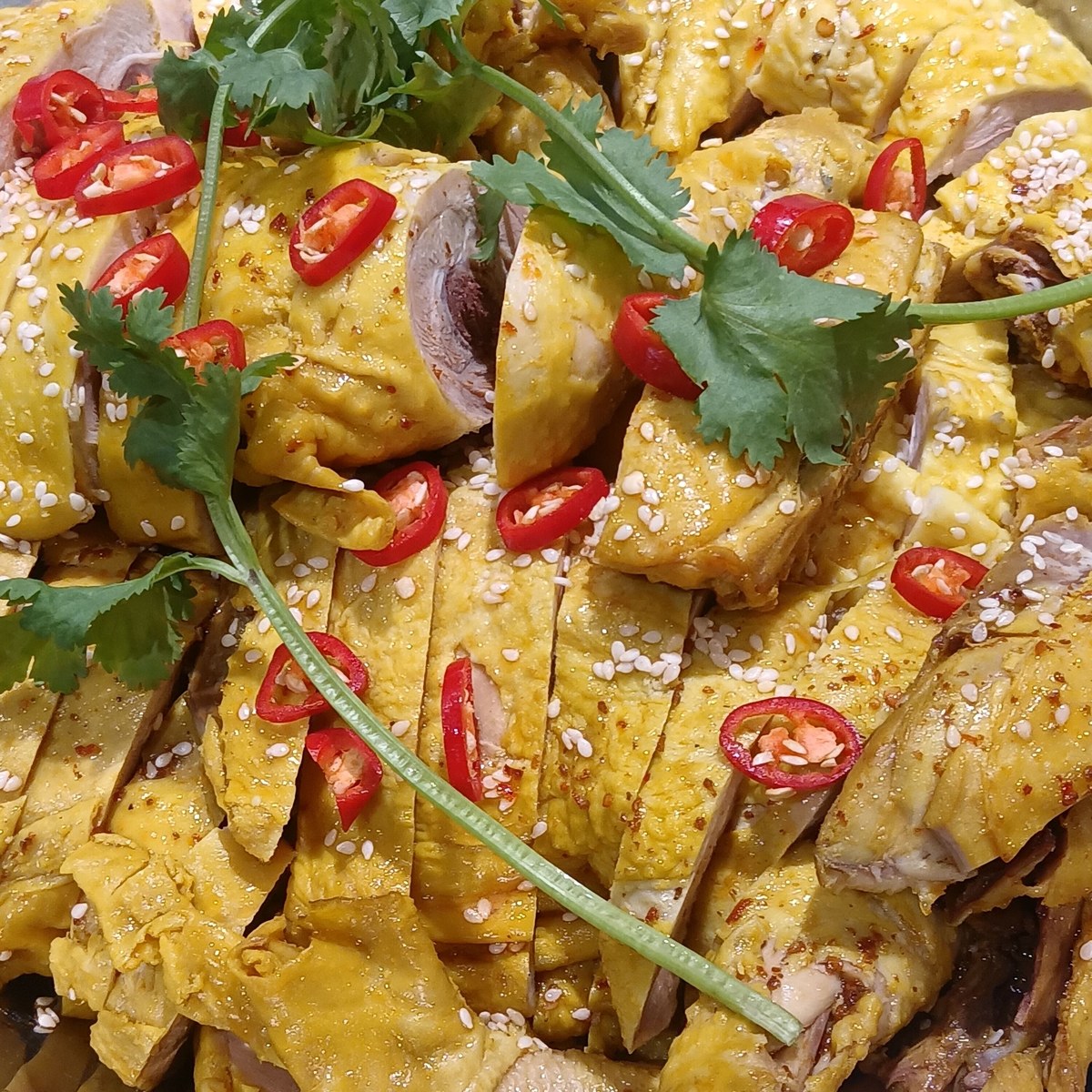
A Shandong-leaning yellow braised chicken recipe where garlic, ginger, soy sauce, Shaoxing wine, mushrooms, and potatoes cook into a glossy sauce made for spooning over rice.
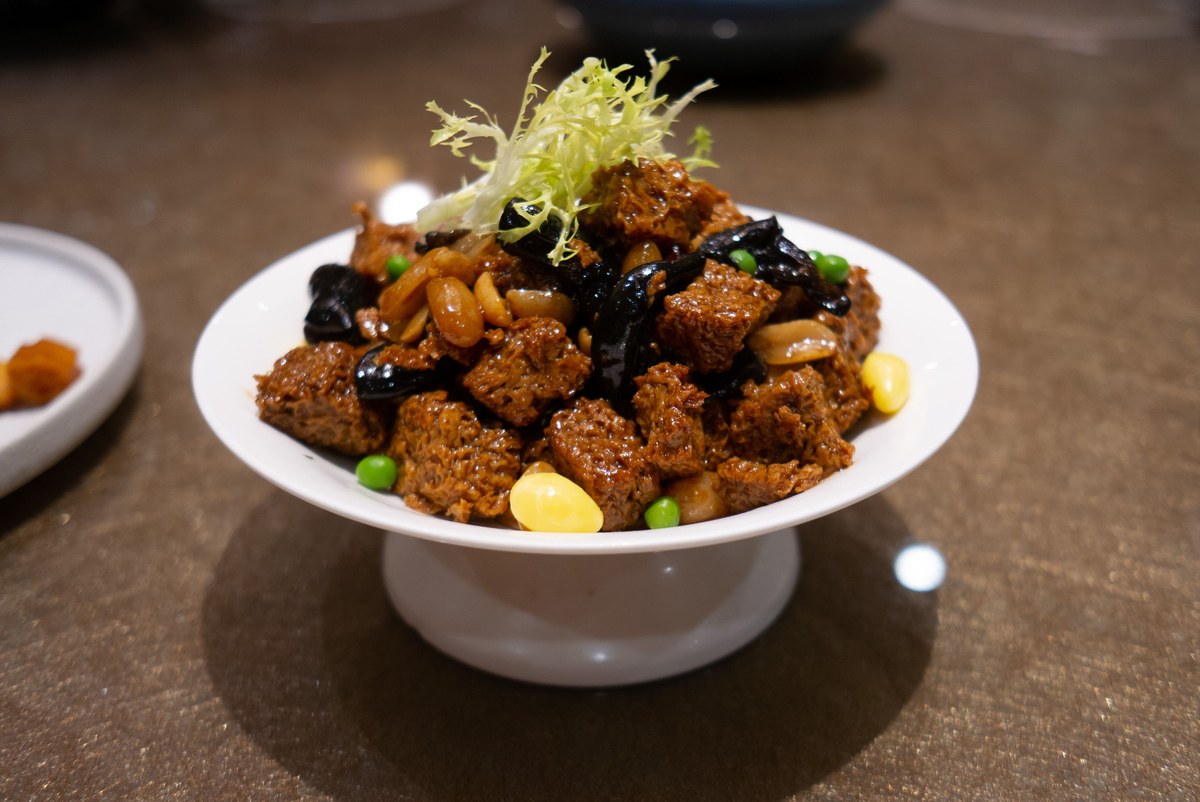
A Shanghai-style braised gluten dish where spongy kao fu absorbs soy sauce, sugar, mushroom flavor, peanuts, and wood ear until it tastes better after resting.
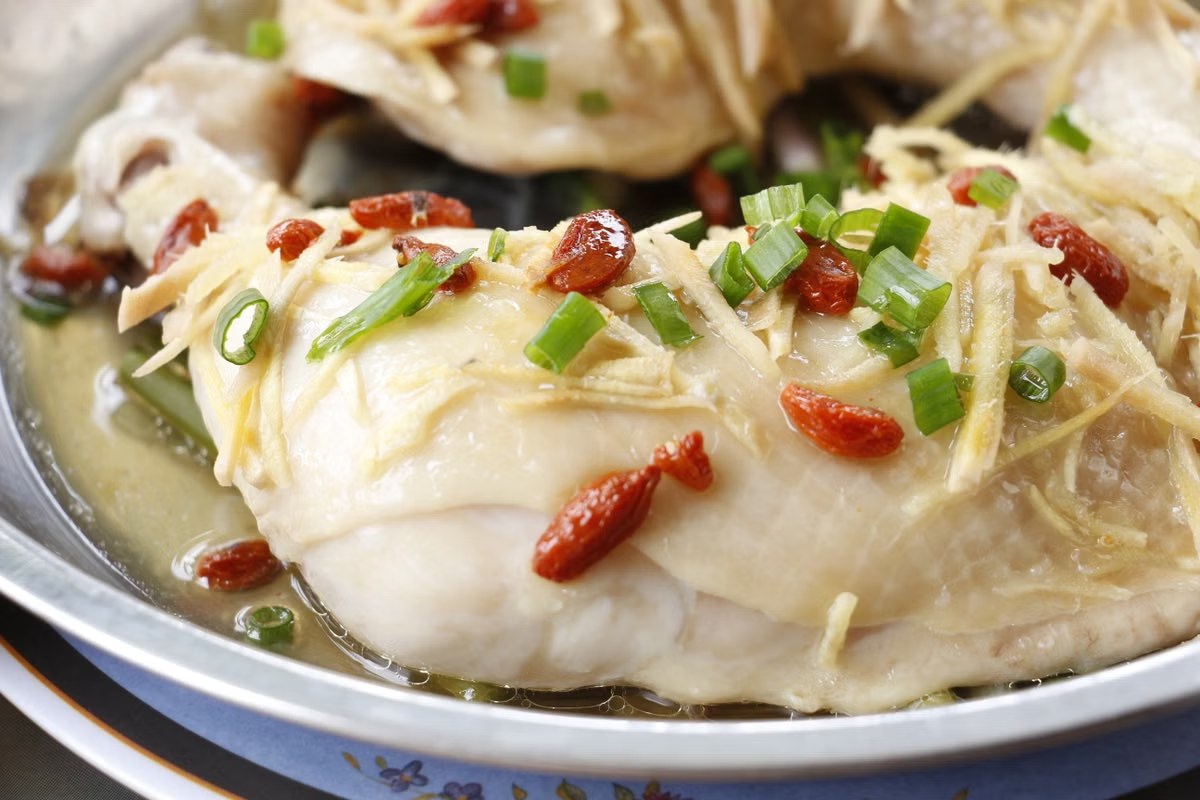
Chinese steamed chicken with goji berries is a better fit for this page than the old mushroom-braise draft because the image and search demand both point to a clean steamed chicken dish. The win is not heavy sauce; it is tender chicken, ginger perfume, and the small pool of chicken essence that collects in the dish.
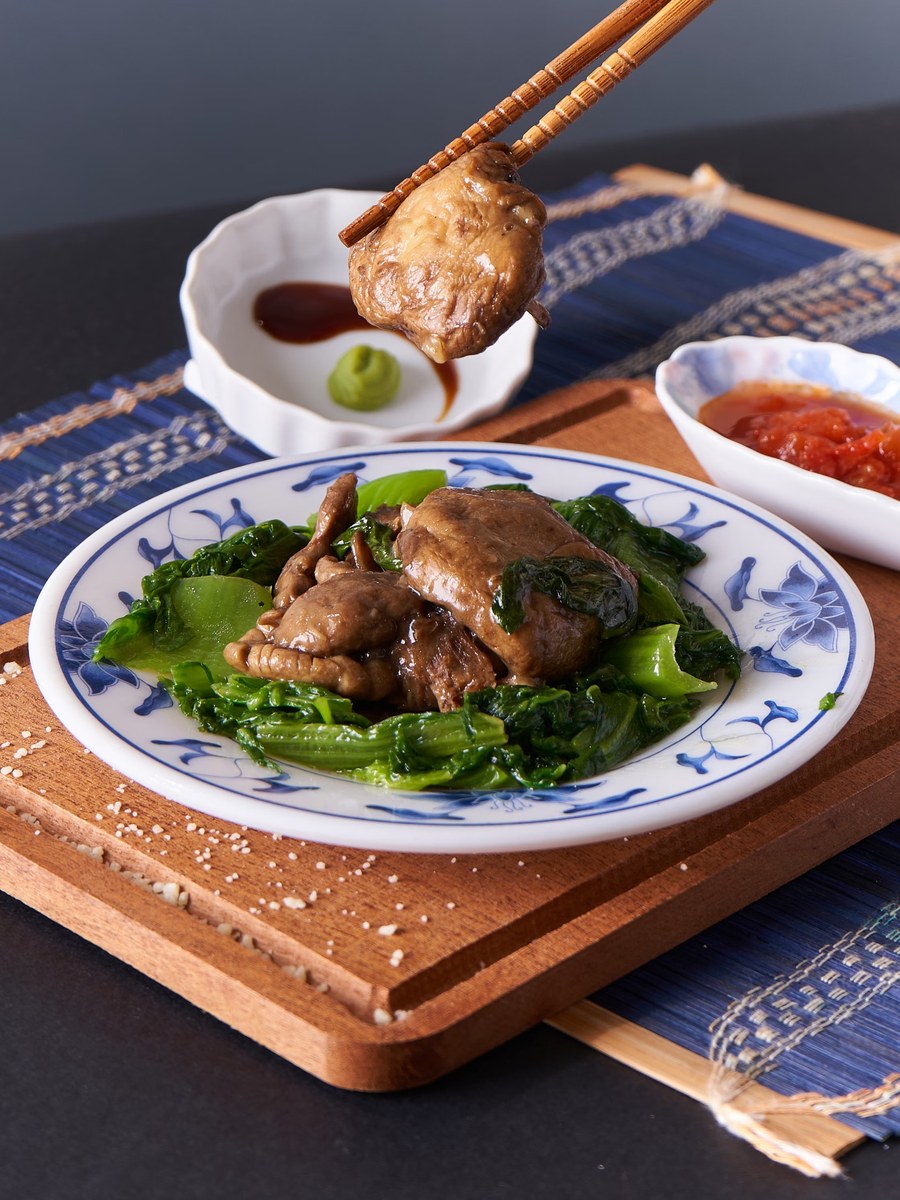
A mushroom braise inspired by sea cucumber banquet sauces, built around shiitake depth, oyster sauce gloss, and a slow reduction that coats without turning muddy.
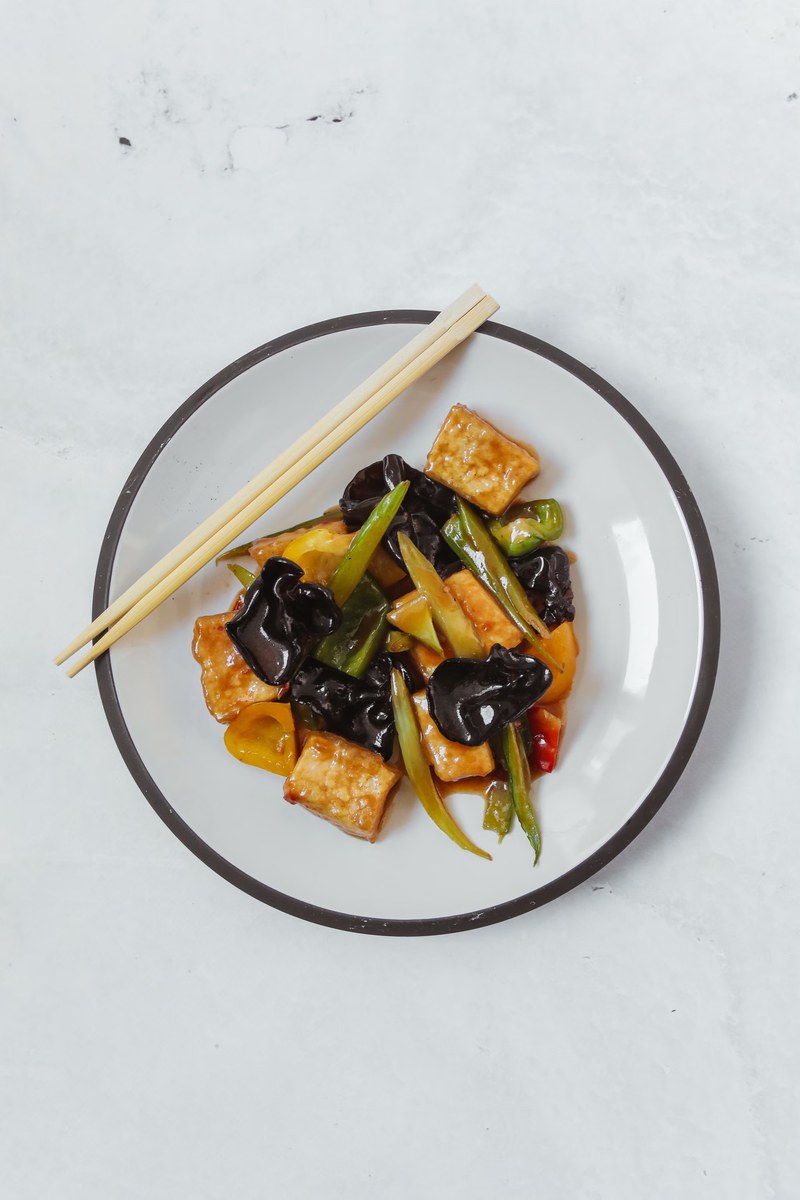
A Chinese braised tofu with mushrooms recipe built around pan-seared tofu, bouncy wood ear mushrooms, crisp peppers, and a light soy glaze that tastes savory without becoming heavy.
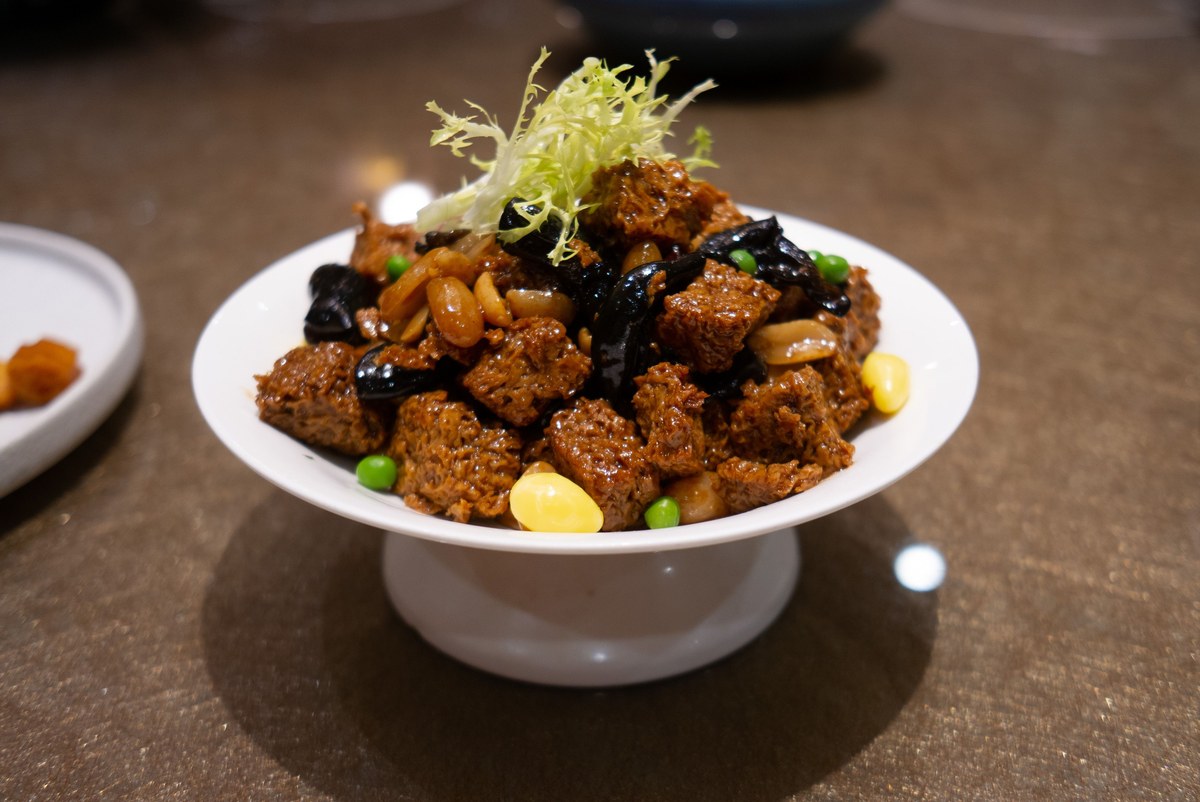
Hong Shao Kao Fu is the Shanghai-style braised wheat gluten dish that rewards patience more than force. Rinse the gluten well, let dried mushrooms and wood ear season the braising liquid, then reduce the sauce until the sponge-like pieces taste glossy instead of watery.
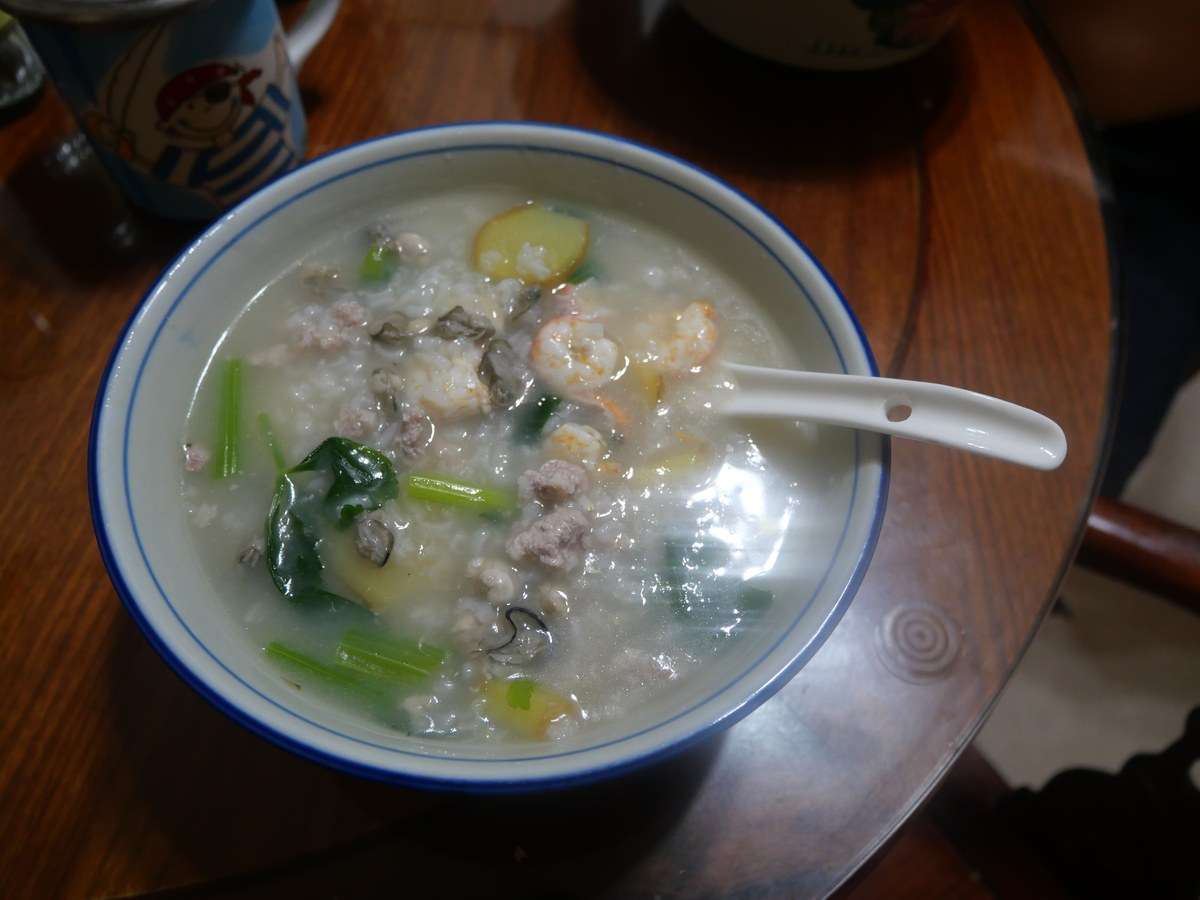
A Cantonese fish congee recipe focused on silky broken-down rice, tender fish slices, fresh ginger, scallion, white pepper, sesame oil, and adding the fish only at the end so it poaches gently instead of turning dry.
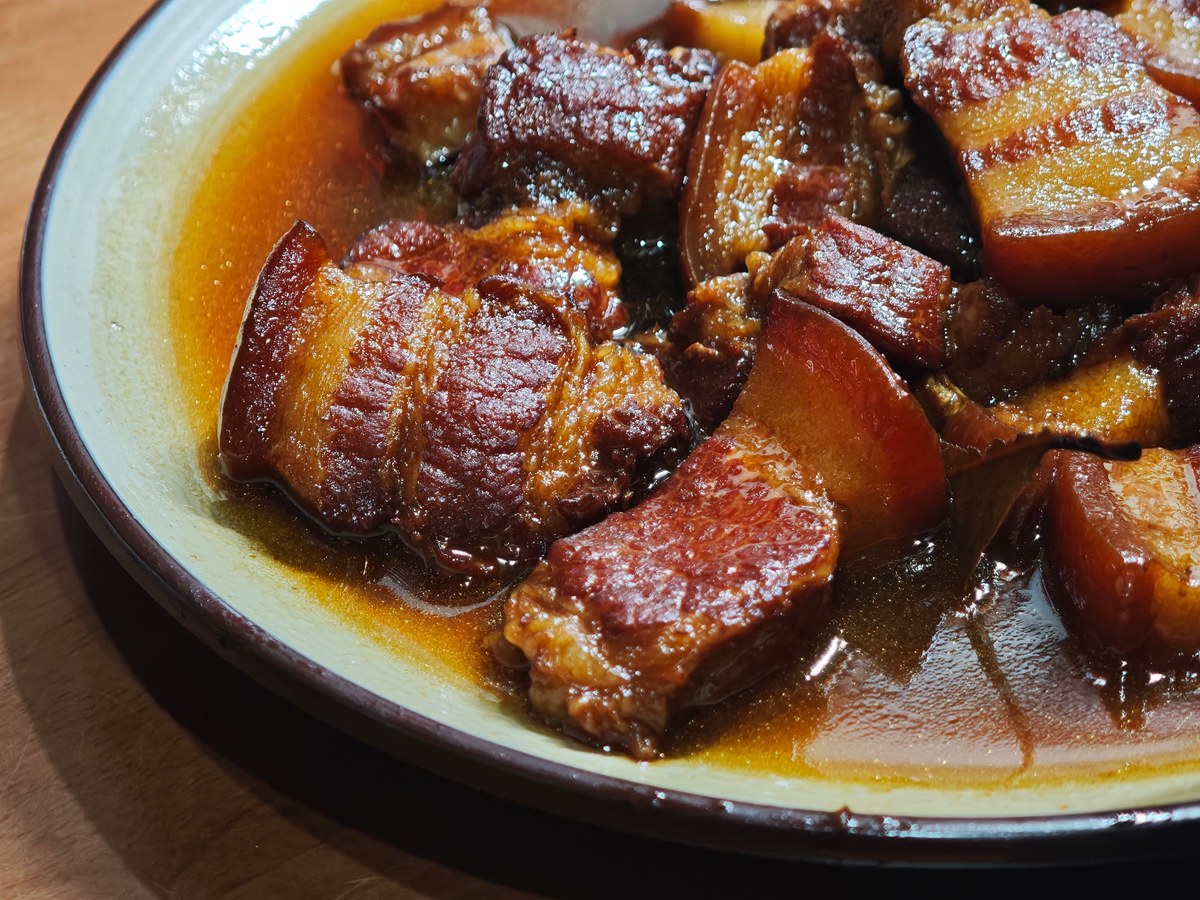
A Chairman Mao red-braised pork recipe focused on pork belly tenderness, caramel color, Hunan-style aromatics, and a glossy sauce that reduces after the meat is tender.
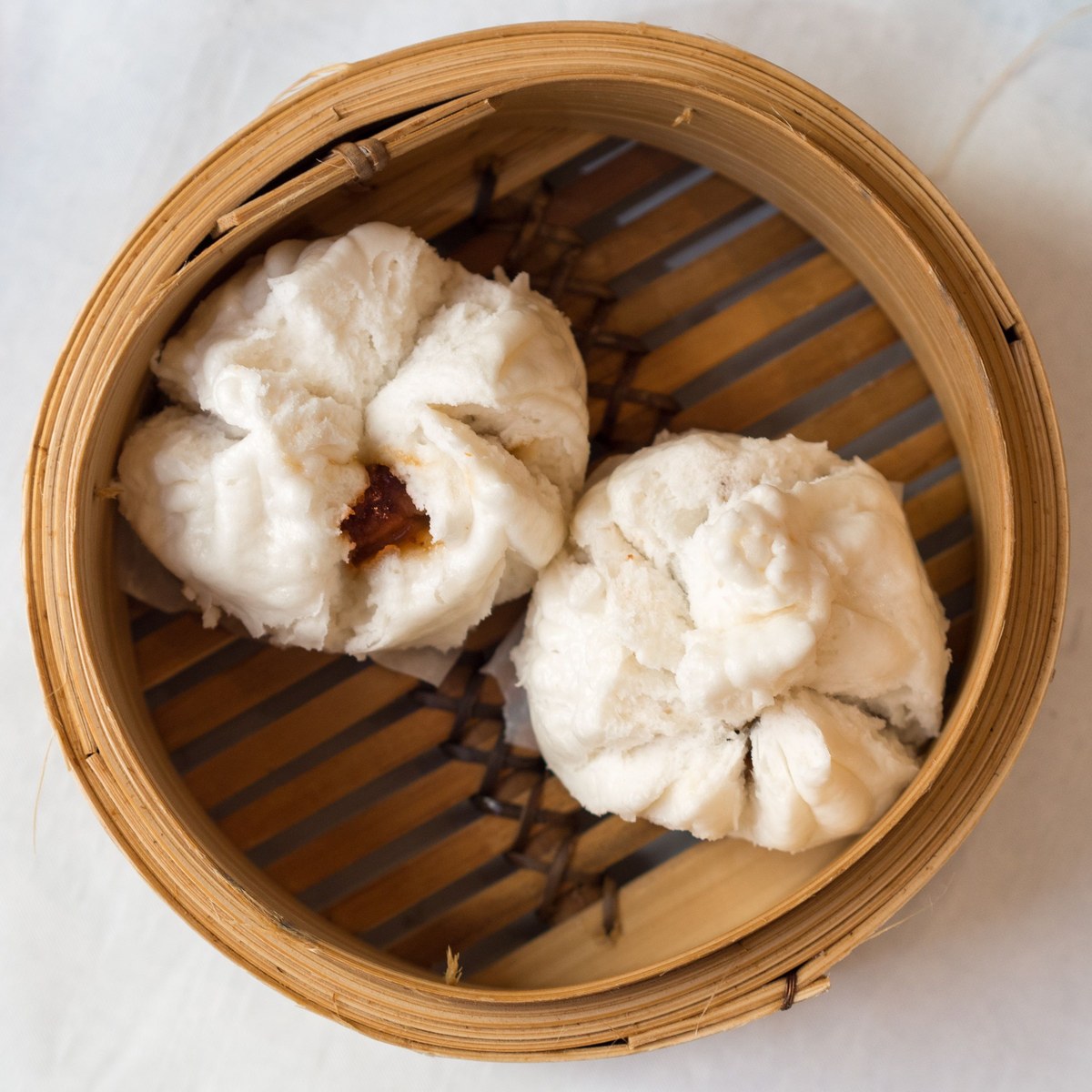
A make-ahead Cantonese bun project with thick barbecue pork filling, soft steamed dough, freezer notes, and clear shaping cues.
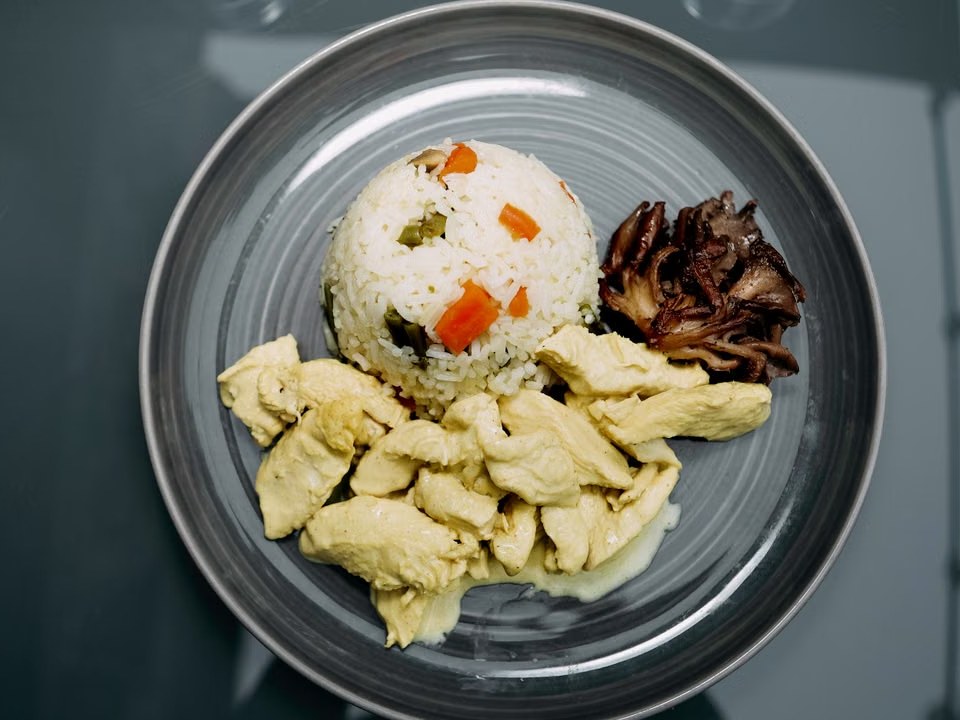
Chicken and mushroom rice is a stronger match for the available exact image than the old stir-fry draft. The dish should taste like rice that absorbed chicken, mushroom, ginger, and soy, not like plain rice with toppings placed beside it.
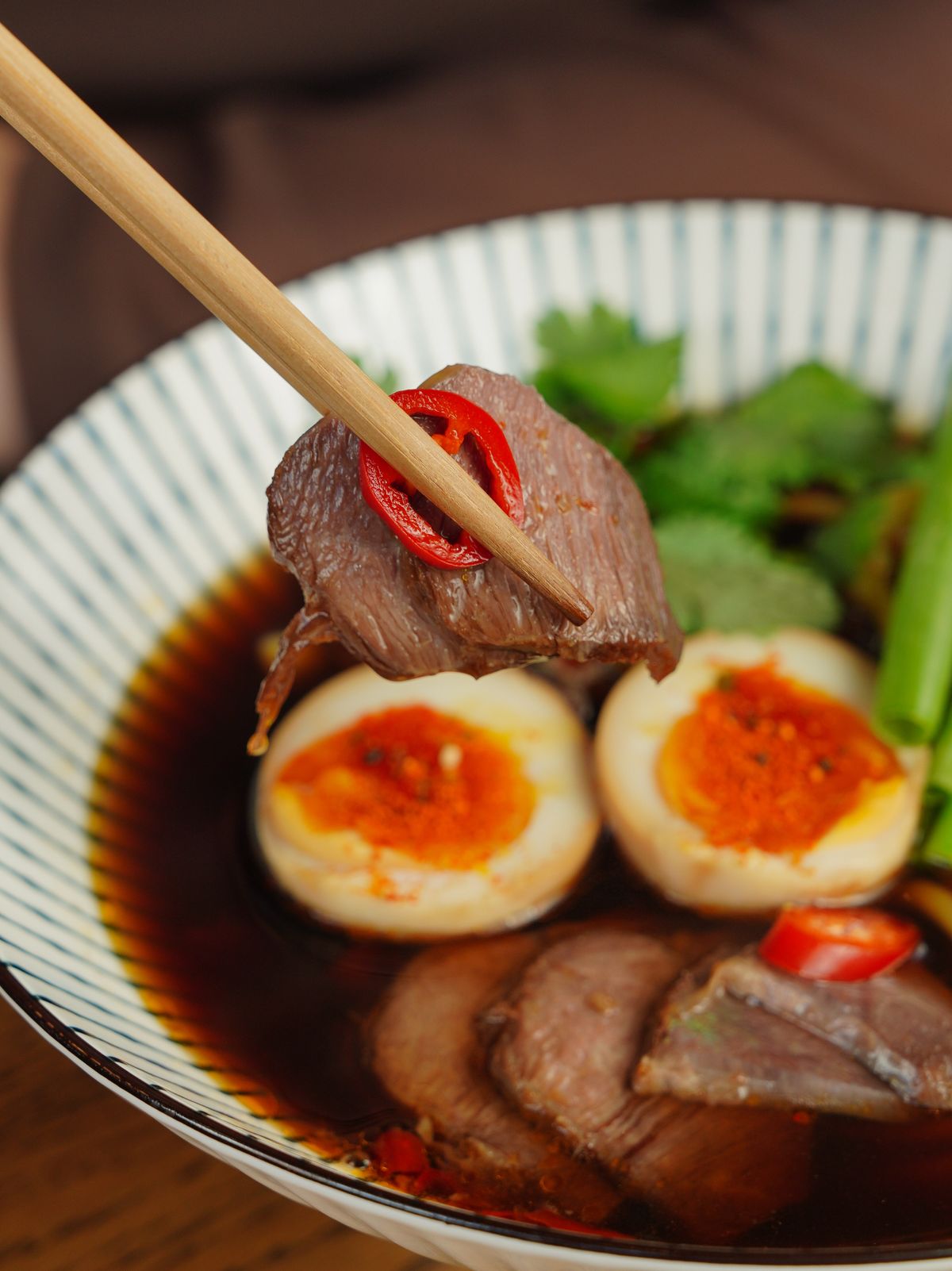
Taiwanese beef noodle soup with soy eggs is the accurate page for this image because the bowl shows sliced beef, halved soy eggs, chile oil, cilantro, and a dark broth. It is not a chicken mushroom hot pot soup. The refined article focuses on what the image promises: beef that slices tender, a broth deepened with soy and spices, and toppings that make the bowl feel complete.
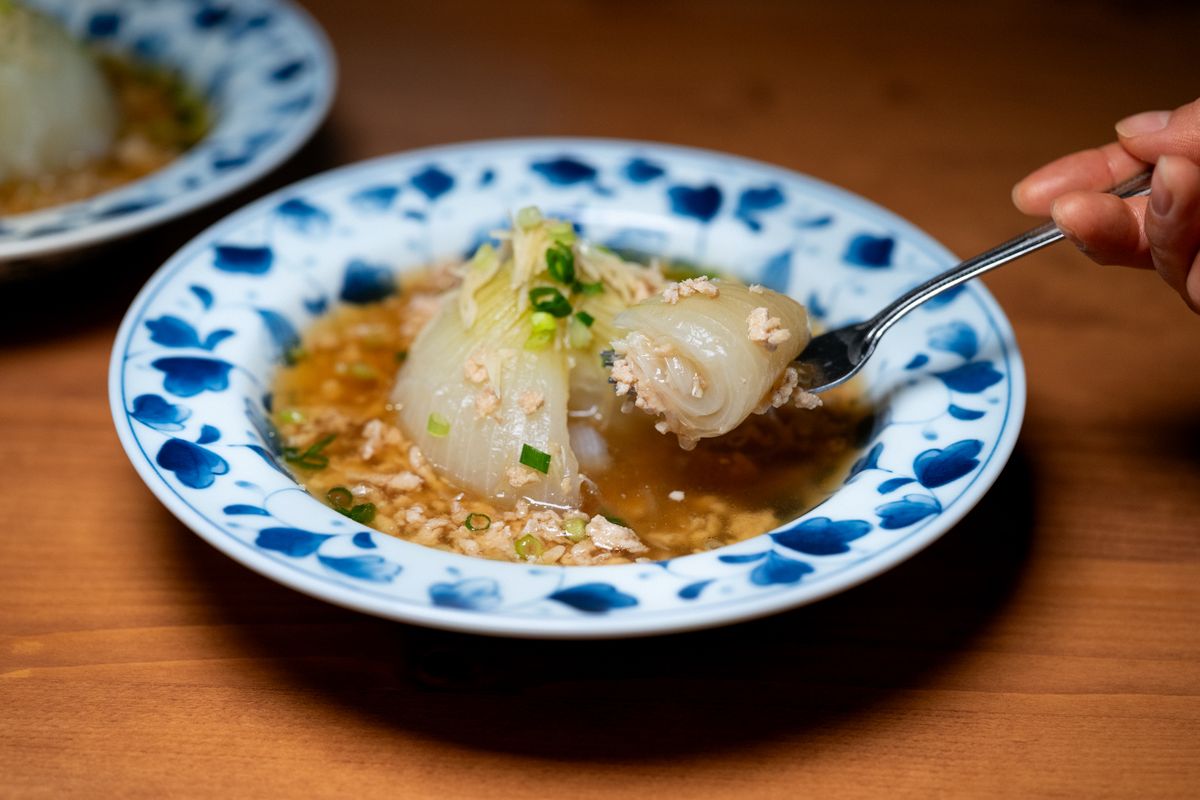
This page has been moved away from a vague rice-bowl promise and toward what the new image actually shows: tender cabbage leaves folded into soft bundles, sitting in a savory sauce with minced pork and scallion. The useful lesson is gentle blanching and careful rolling, not hot wok speed.
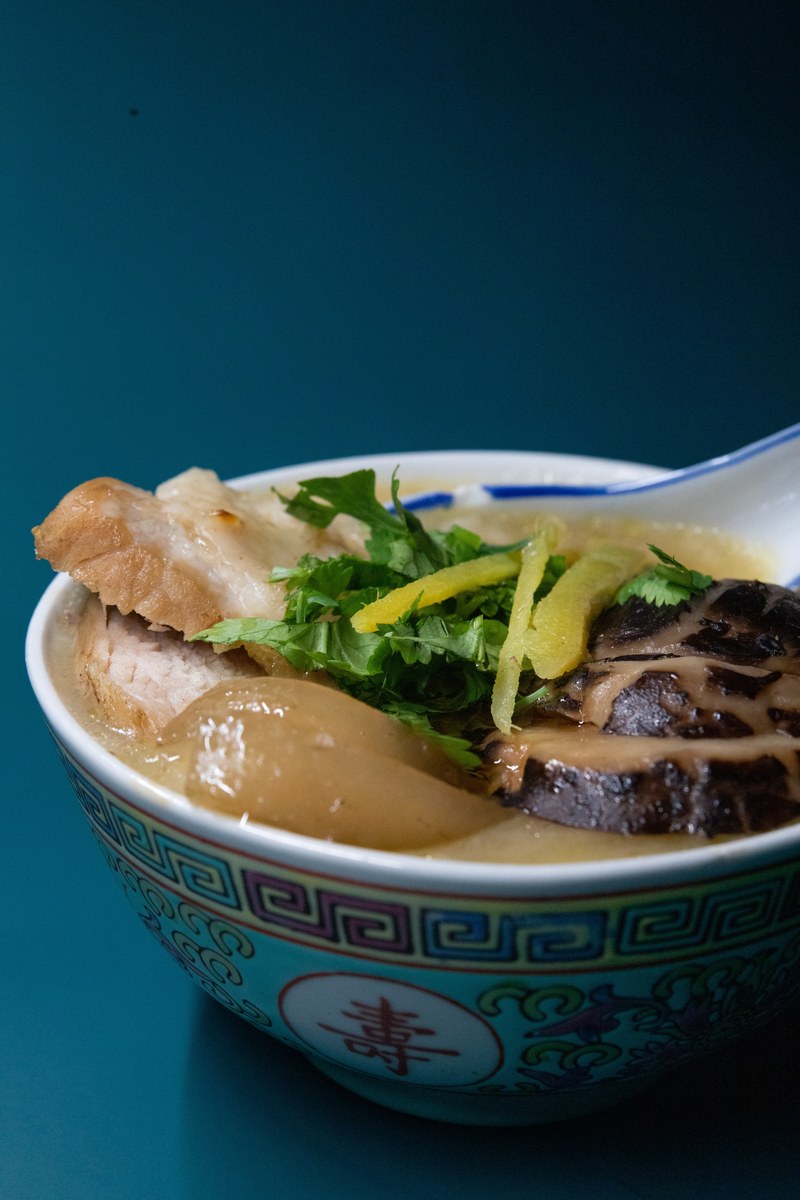
A Cantonese century egg and pork congee recipe focused on silky rice texture, tender pork, clean ginger aroma, and the right moment to add century egg.
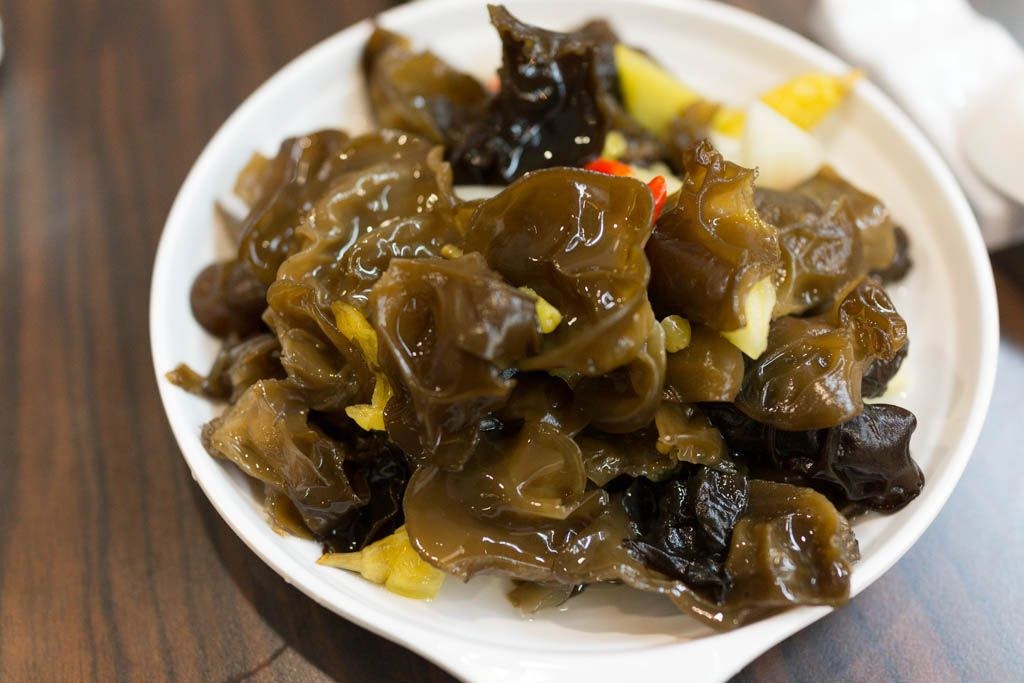
A Chinese wood ear mushroom salad with cucumber, garlic, black vinegar, soy sauce, and chili oil, focused on blanching the mushrooms briefly and draining everything well for a crisp cold dish.
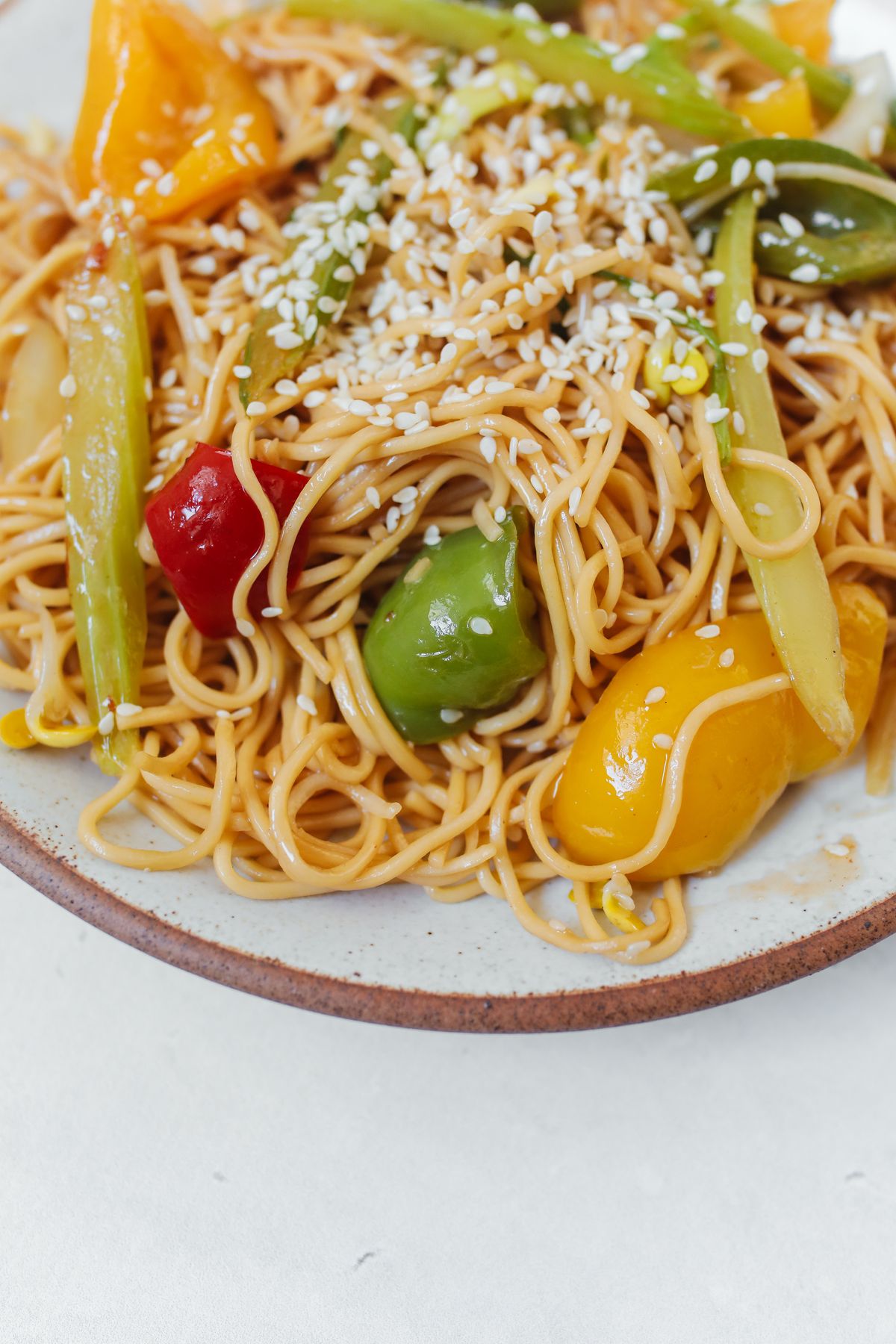
Vegetable sesame noodles with peppers fit the reviewed image better than cumin cucumber cold noodles because the bowl shows glossy thin noodles tossed with bell peppers, scallions or leek, and sesame seeds, with no visible cucumber or cumin. The refined page focuses on what the image promises: springy noodles, a light savory sesame coating, and crisp vegetables that do not collapse.
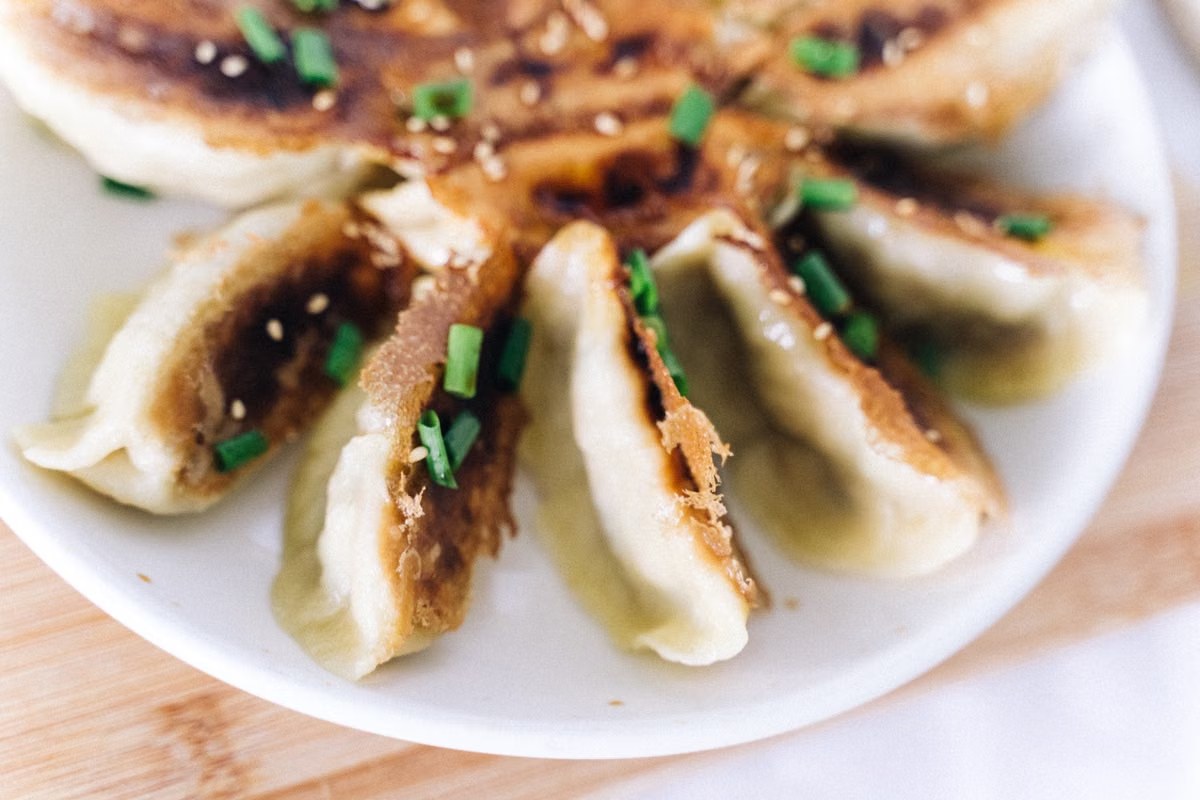
Pan-fried potstickers are a cleaner fit than the old cumin mushroom flatbread title because the exact image shows crescent dumplings with browned bottoms. A good potsticker is two textures at once: crisp where it touched the pan and tender where steam cooked the wrapper.
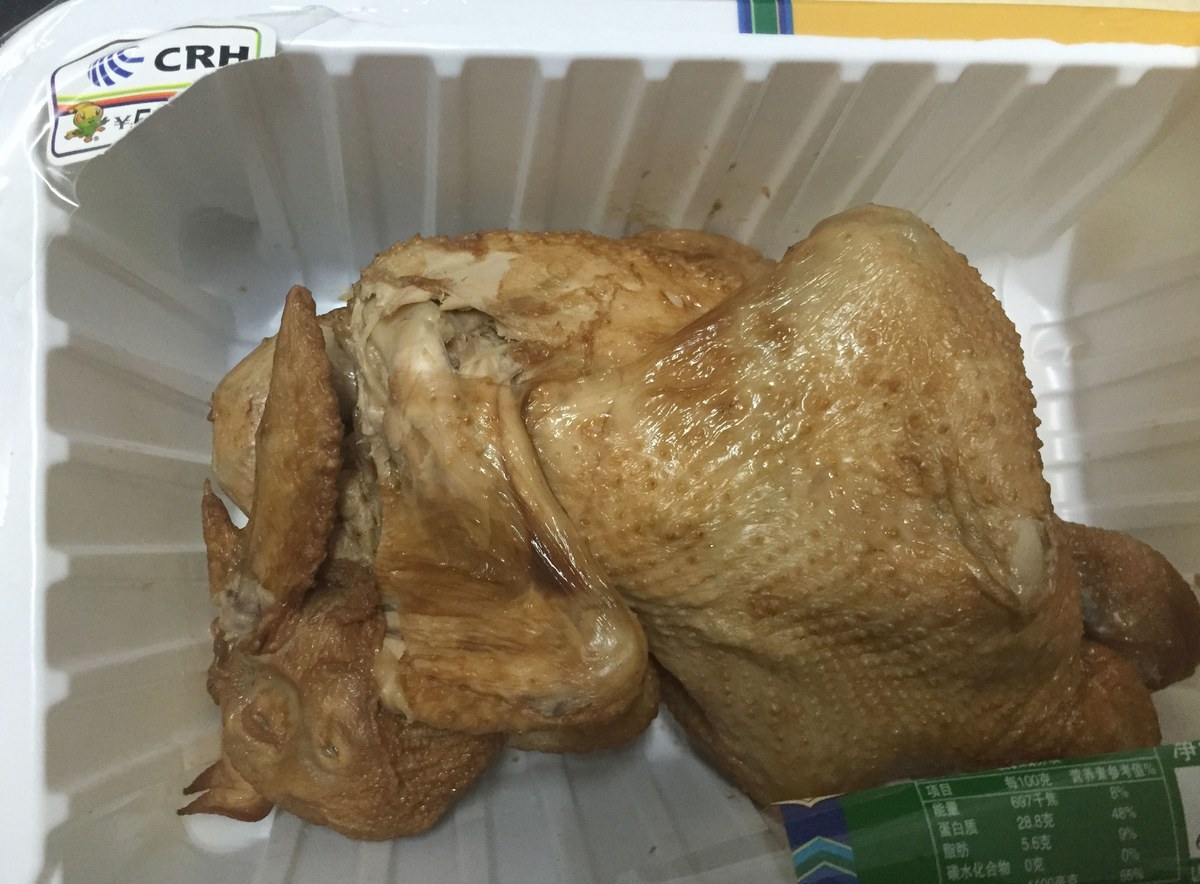
A Dezhou braised chicken recipe focused on Shandong-style spiced soy stock, whole chicken or large legs, star anise, five spice, ginger, scallion, gentle braising, and resting until the meat is tender.
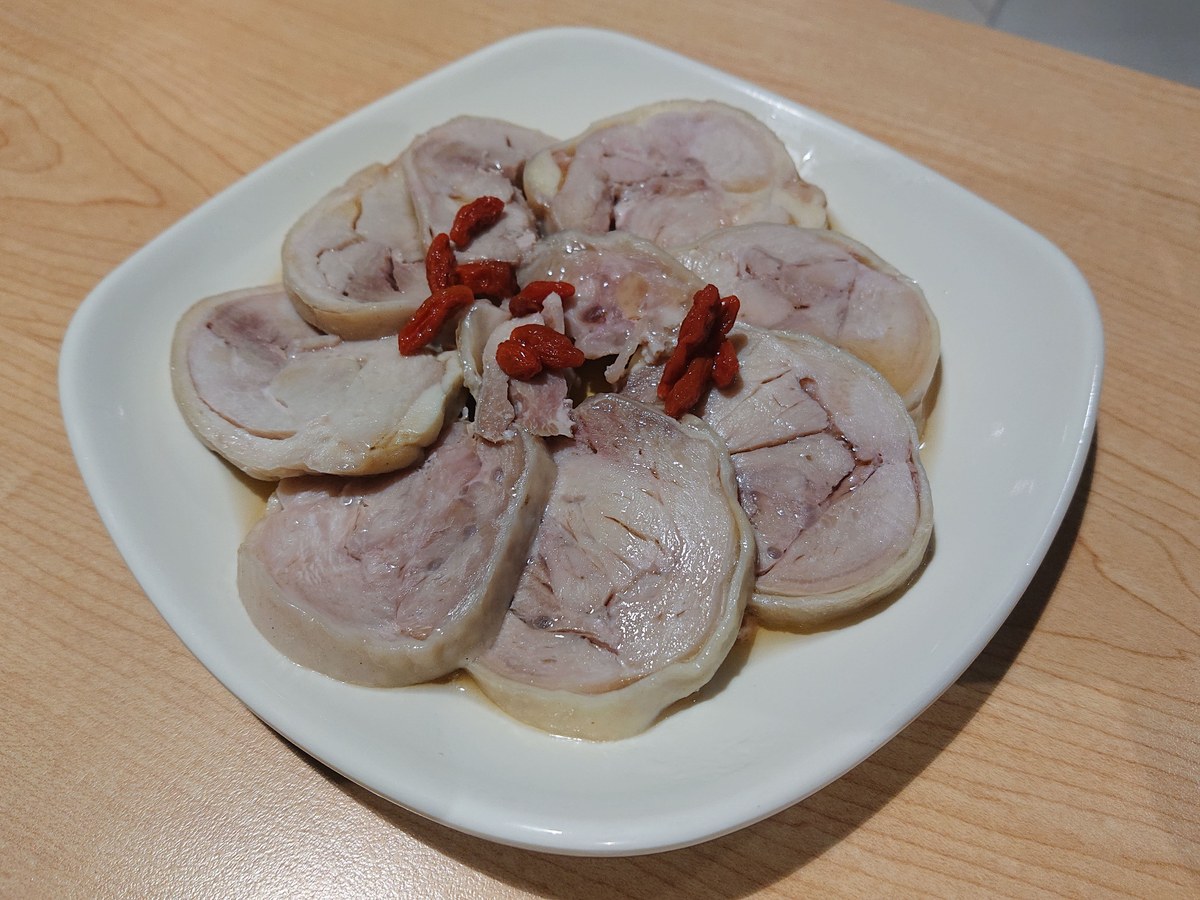
A Chinese drunken chicken recipe focused on gently poached chicken, a balanced Shaoxing wine and chicken broth marinade, overnight chilling, and clean cold slices that taste fragrant rather than harsh.
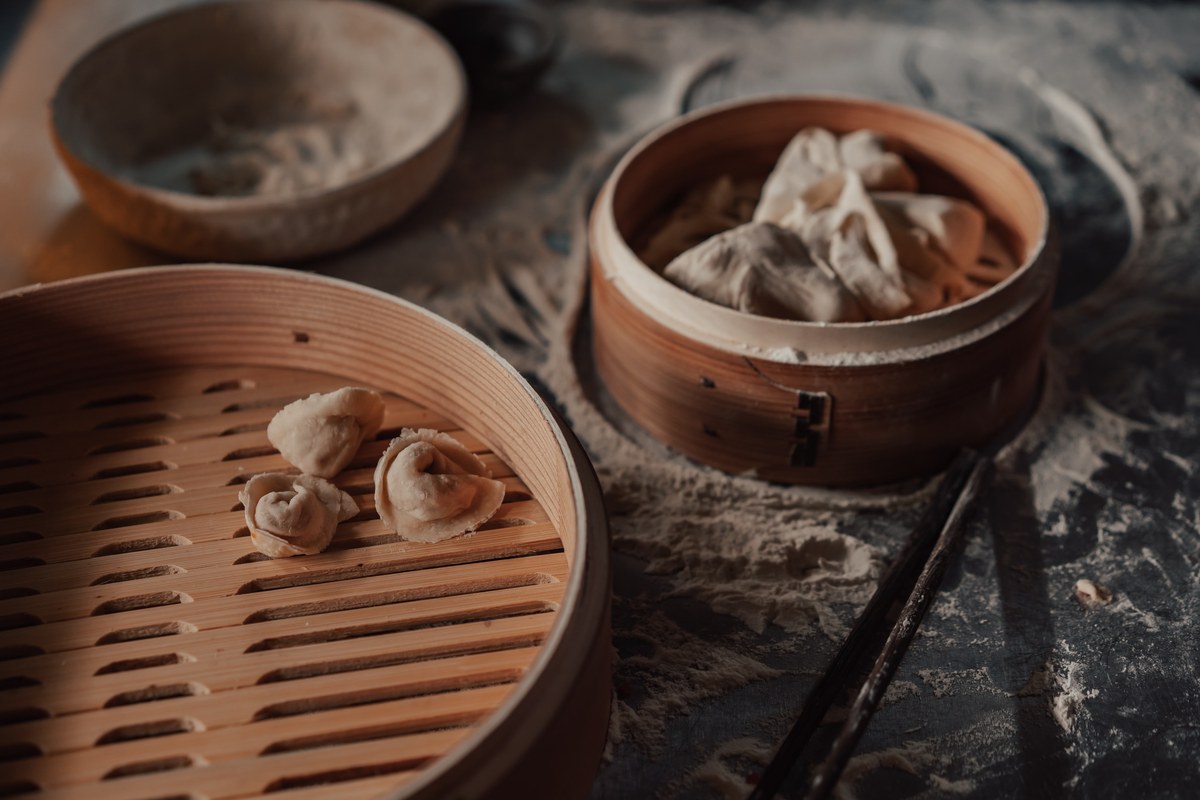
A beginner Chinese dumpling recipe focused on juicy but not wet filling, a simple half-moon fold, freezer handling, and cooking cues that prevent splitting.
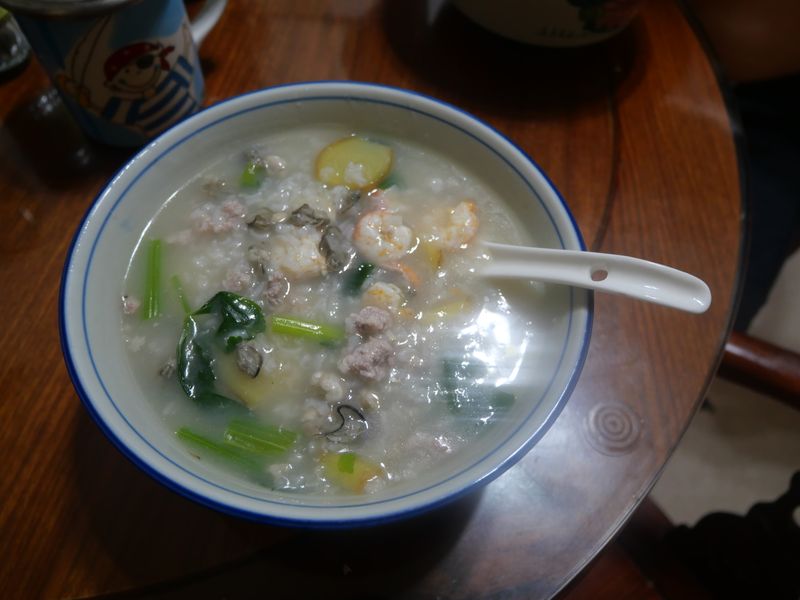
This article now matches congee search intent instead of a generic soup bowl. The page teaches a Cantonese-style fish rice porridge: silky rice, ginger, briefly marinated fish, and a finish gentle enough that the fillets stay tender instead of breaking into the pot.
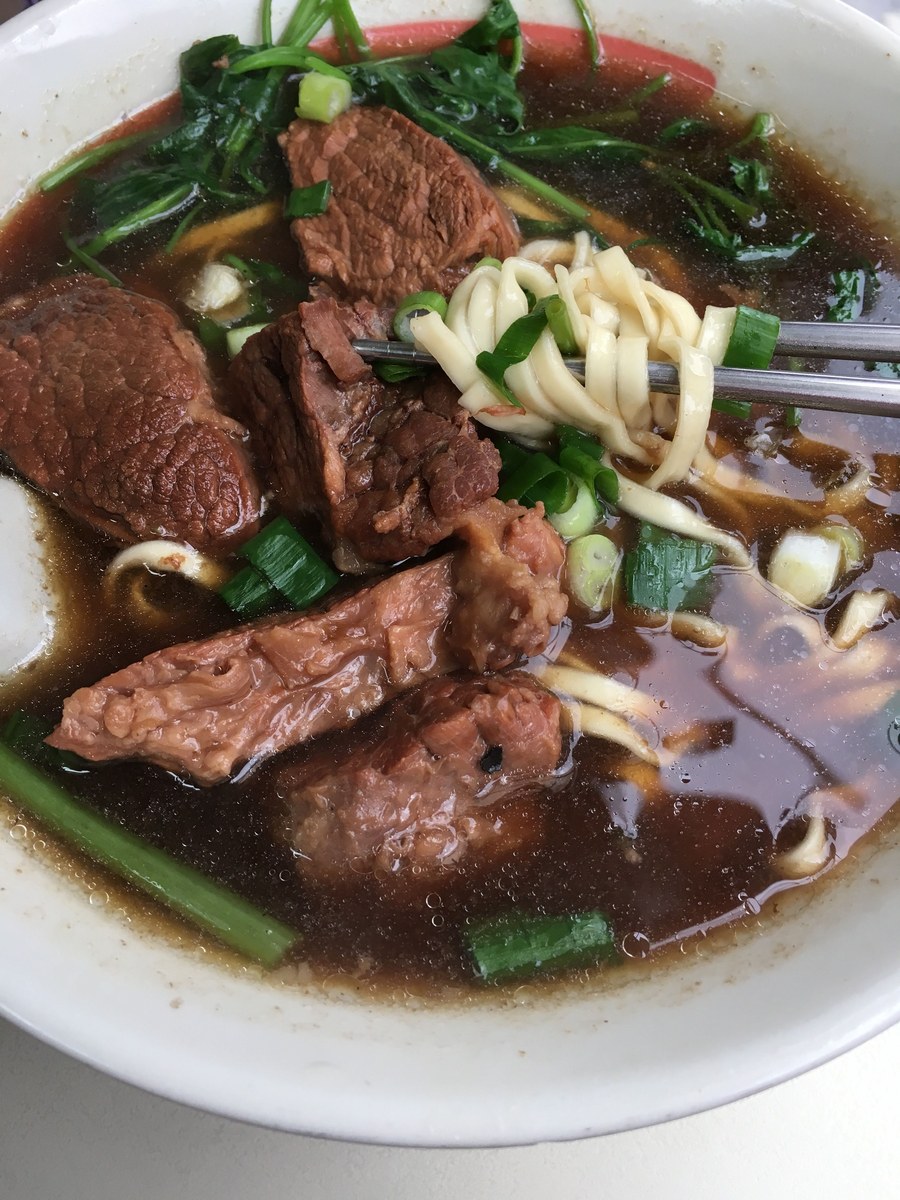
A five-spice beef shank noodle soup recipe focused on gently braising beef shank until sliceable, seasoning the broth with soy, ginger, star anise, cinnamon, and five-spice, then serving it over springy noodles.
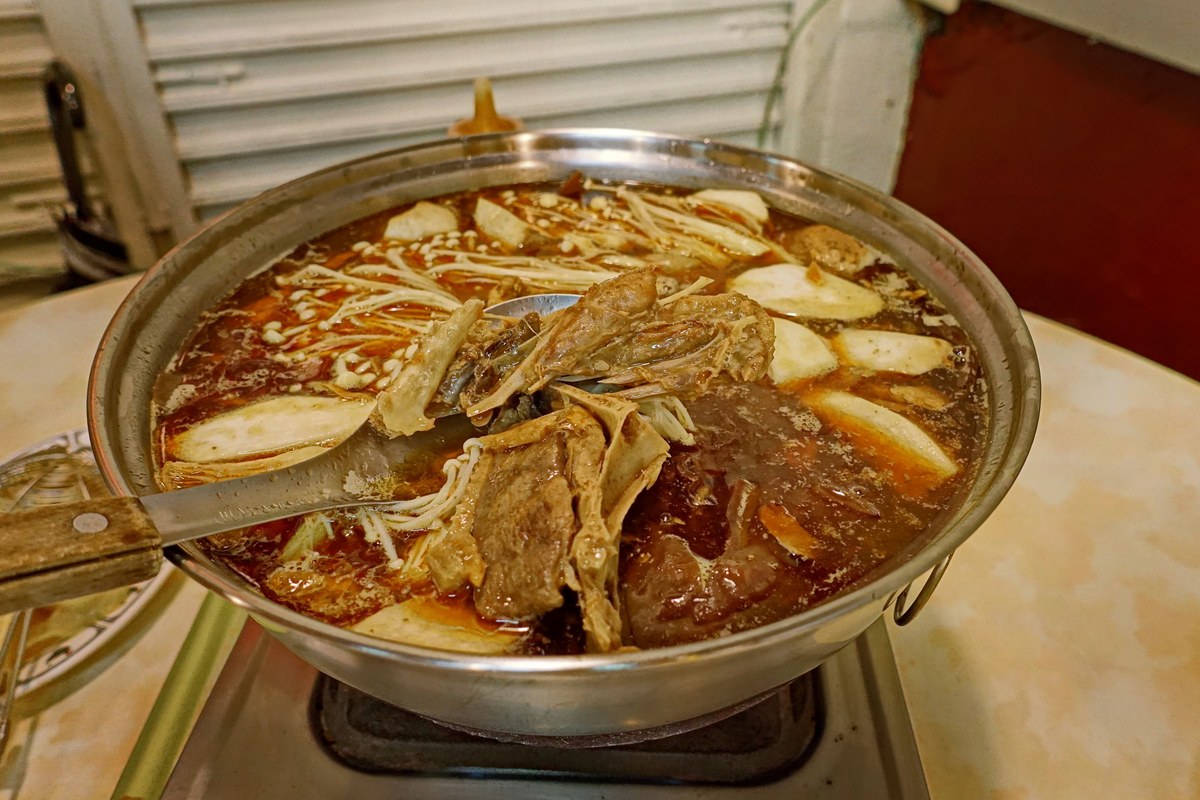
Quanzhou ginger duck is about old ginger and duck fat, not a generic chicken braise. Fry the ginger slowly in sesame oil, let the duck brown enough to smell savory, then simmer with rice wine so the broth tastes warm and aromatic instead of harsh or greasy.
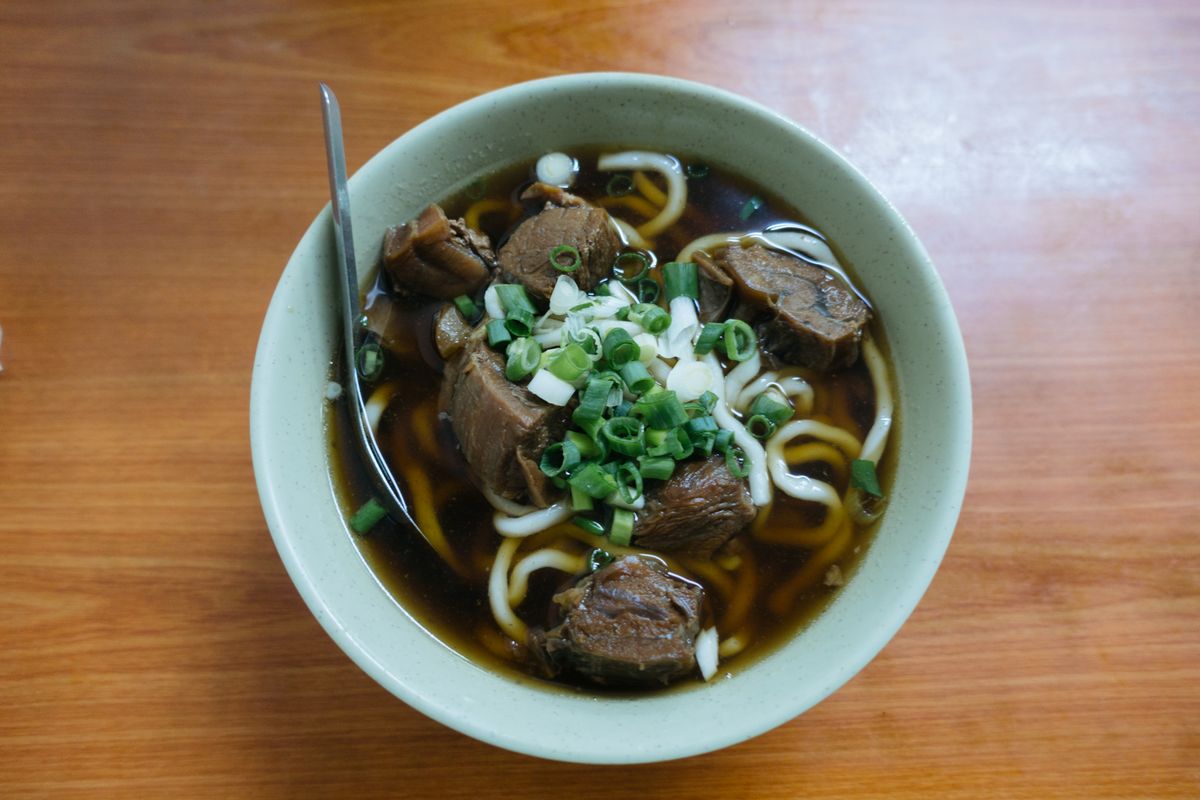
This page is rewritten around the exact Taiwanese beef noodle soup image instead of the older seaweed egg soup draft. It now teaches a dark soy-braised beef broth, springy noodles, tender beef chunks, scallion finish, and the judgment cues that keep the bowl rich without turning salty or greasy.
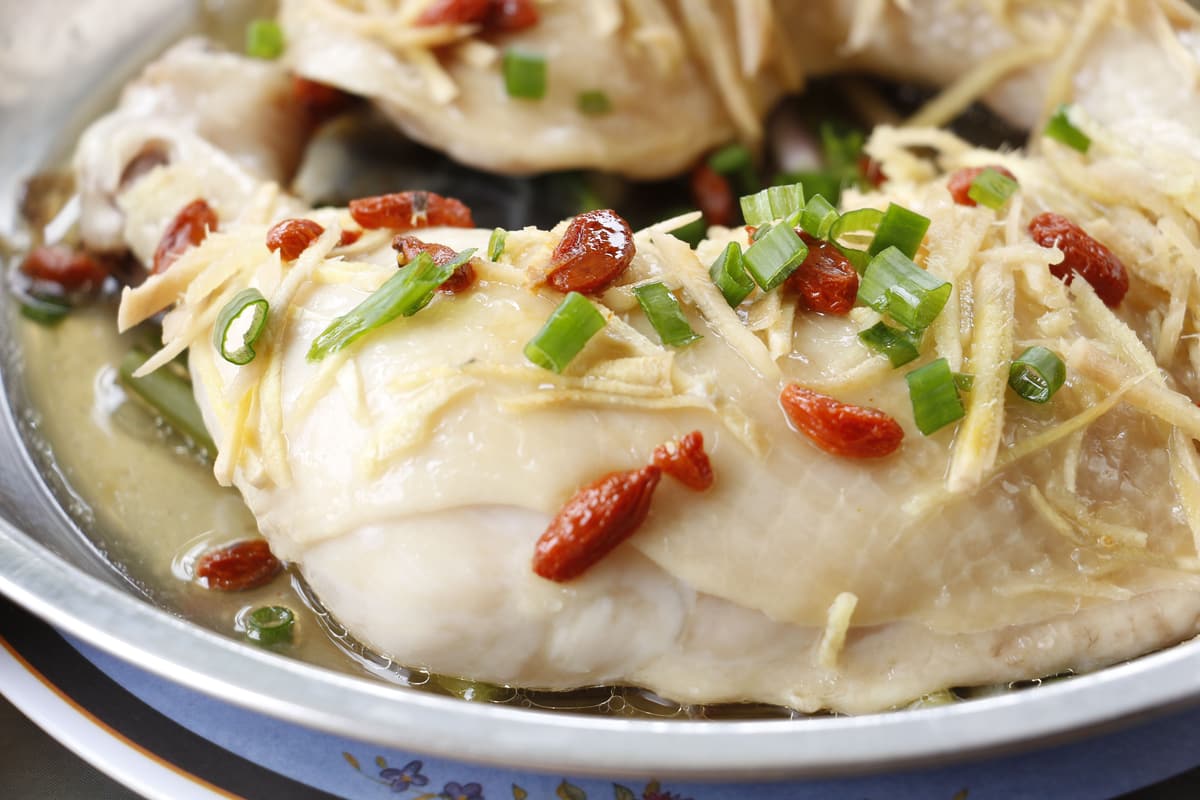
Fujian ginger steamed chicken is the honest angle for this page because the reviewed image shows pale steamed chicken under ginger slivers, goji berries, scallions, and clear juices rather than a dark soy braise. The useful home lesson is gentle heat: steam until the chicken is just cooked, then season the juices so the plate tastes clean instead of boiled.
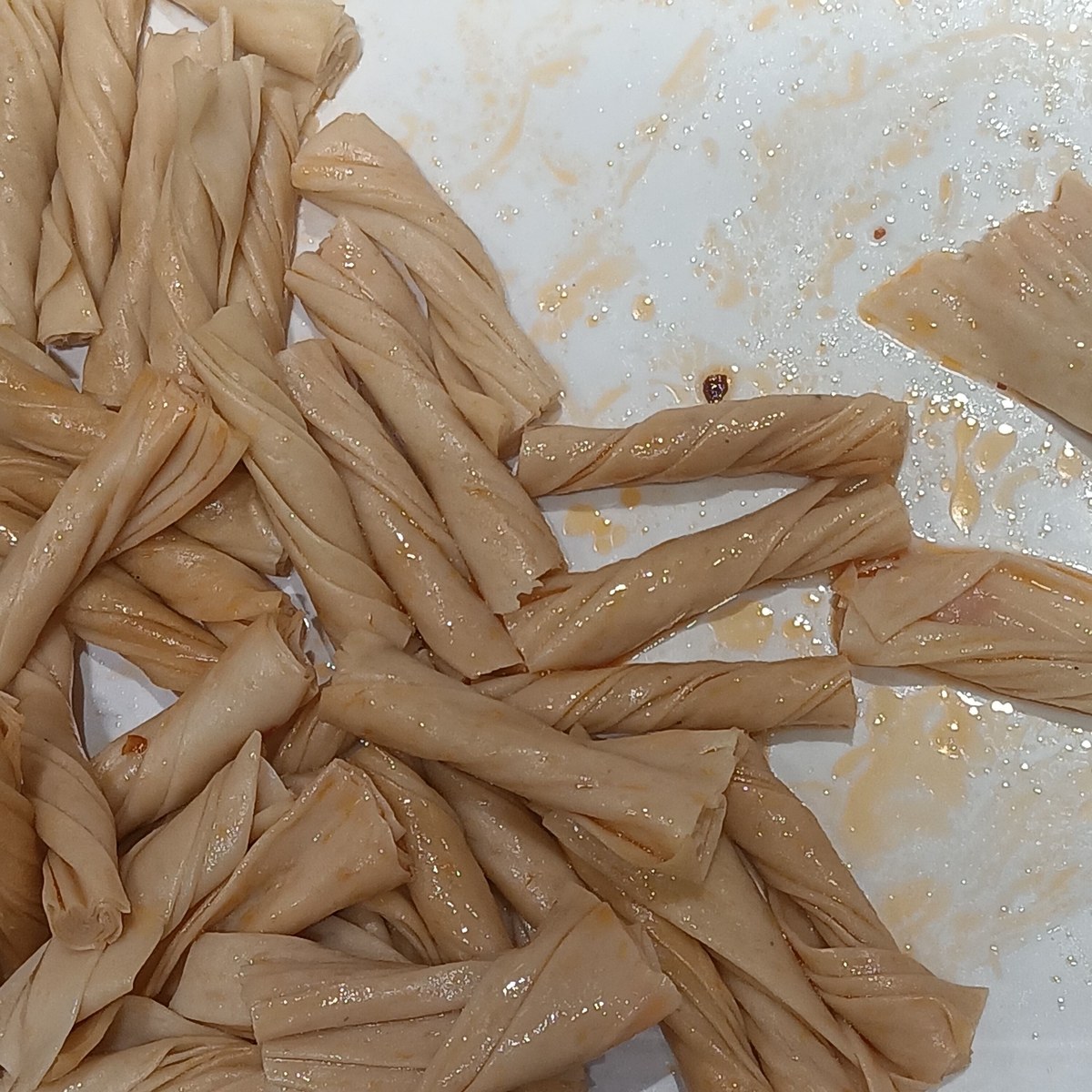
A tofu skin rolls recipe focused on pliable beancurd sheets, a compact mushroom or pork filling, gentle rolling, and light steaming or braising so the wrappers stay tender instead of splitting.
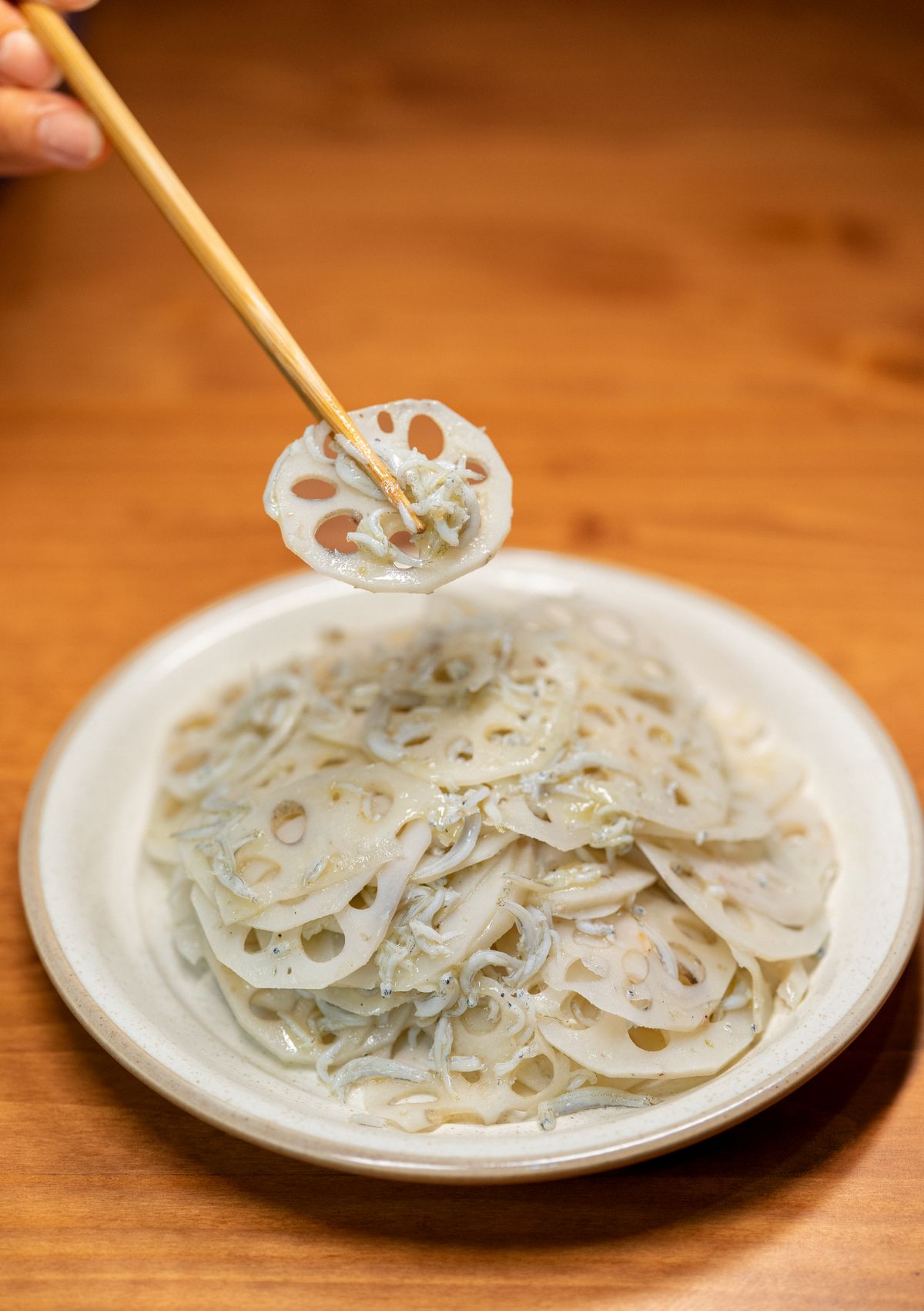
This article now matches a real lotus root image instead of a generic greens photo. The page is framed as a crisp Chinese cold dish: briefly blanched lotus root, a pale vinegar-soy dressing, tiny dried shrimp or dried whitebait, and enough texture guidance to keep every slice snappy.
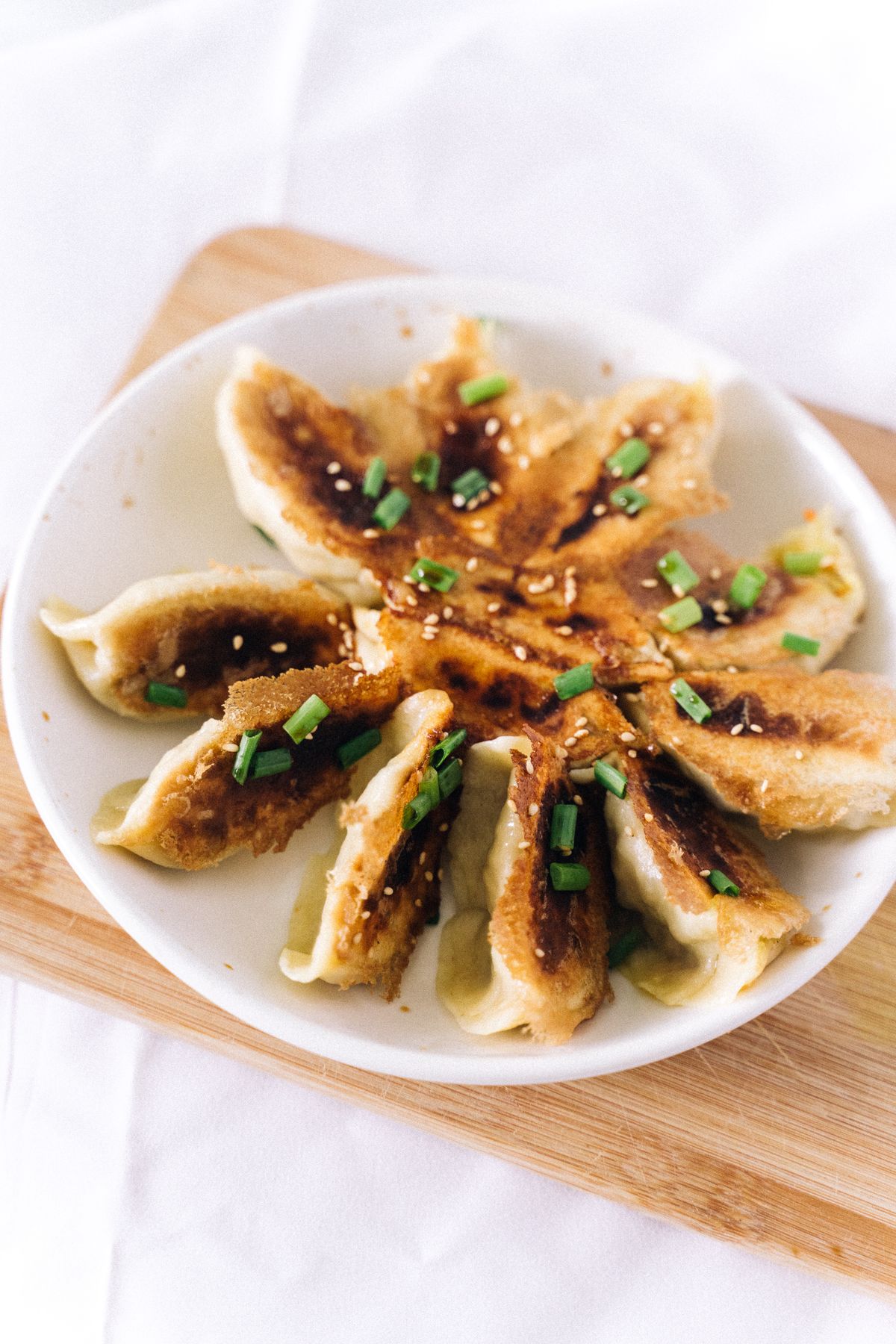
This page now matches the replacement dumpling image instead of the old sliced cake-like close match. It focuses on the pan-fried dumpling method English searchers expect: juicy filling, a browned bottom, a short steam, and a final uncovered crisping step that keeps the dumplings from tasting soggy.
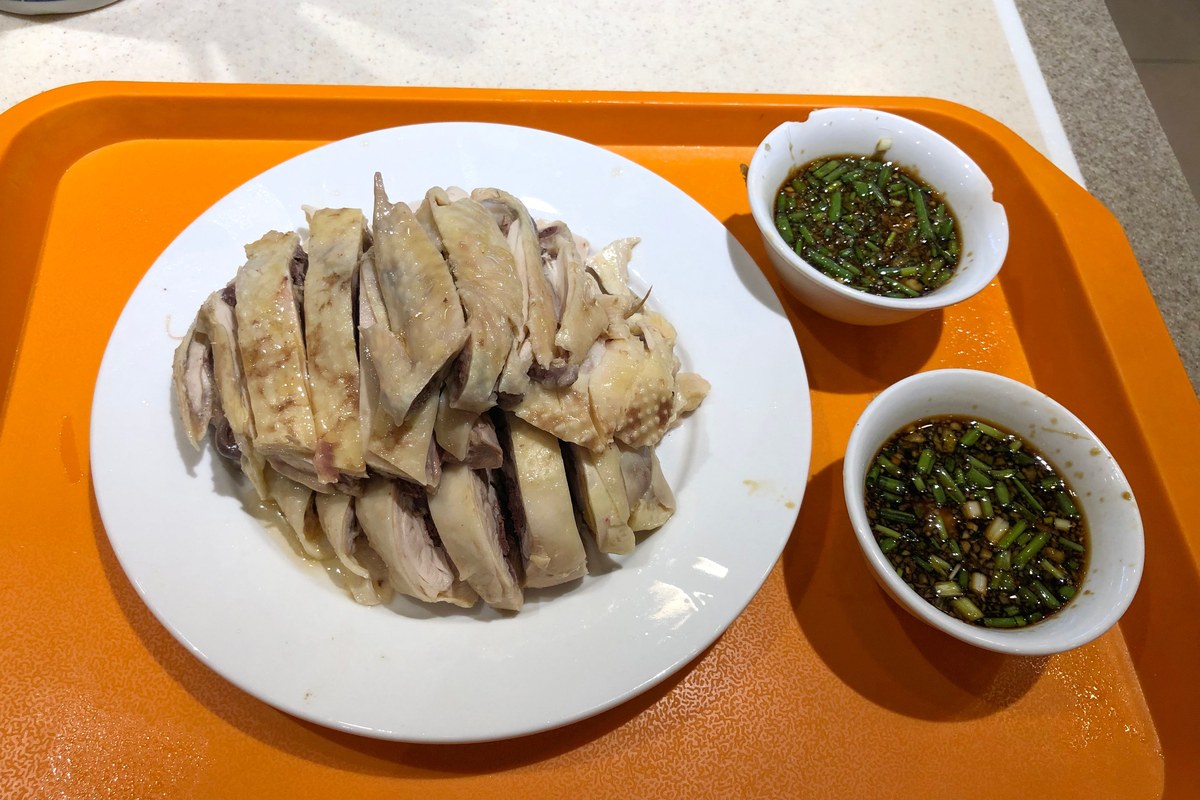
Cantonese white cut chicken is a quiet technique dish: the chicken should be gently poached, rested, cooled enough to firm the skin, and served with hot ginger scallion oil. The sauce is bold, but the meat should still taste clean and juicy.
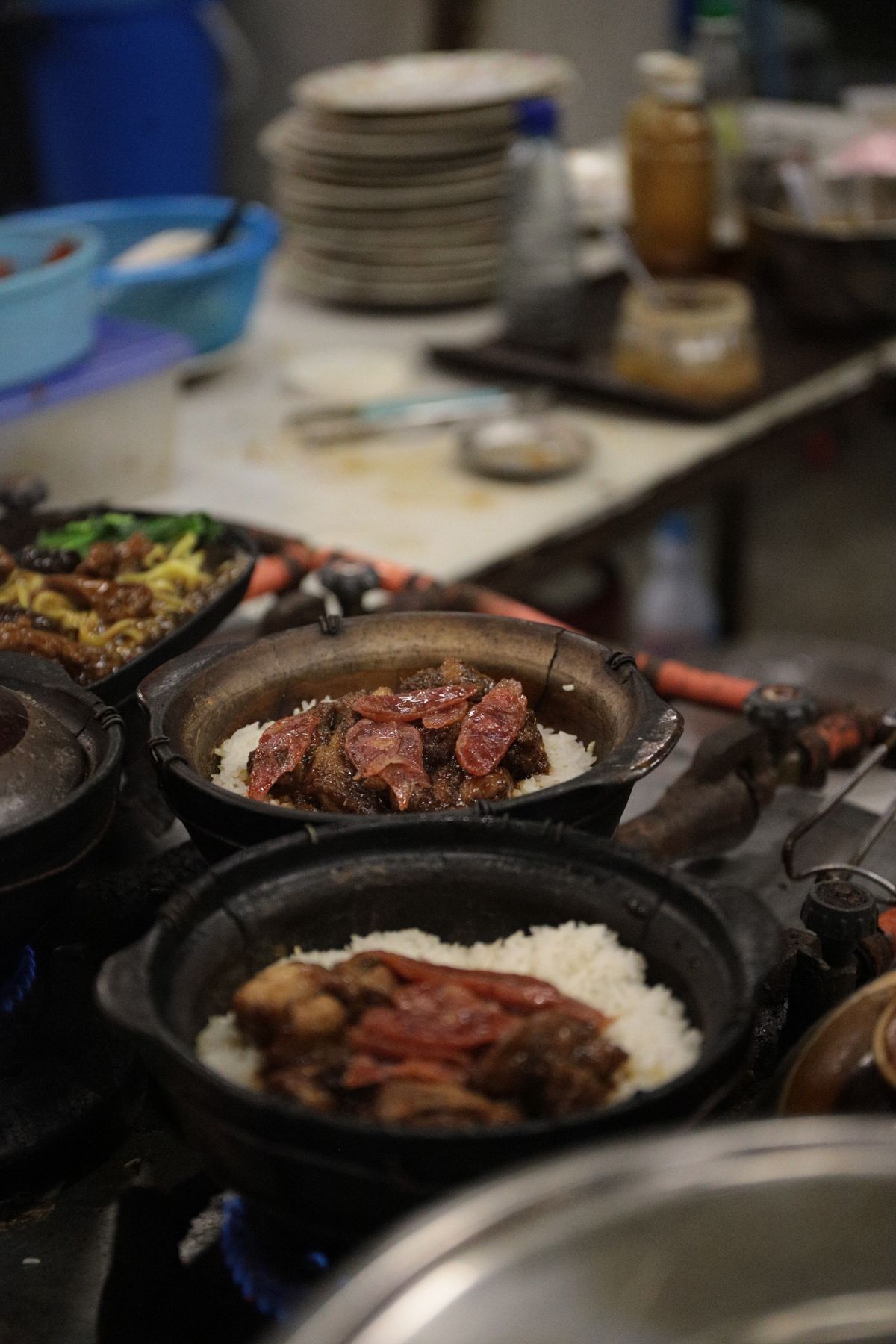
Lap cheong clay pot rice is the honest page for this image because the reviewed photo shows clay pots of rice topped with Chinese sausage and meat, not a ground pork tofu bowl. The useful home lesson is sequencing: cook the rice until it is almost tender, add the sausage late enough to stay glossy, then let the bottom quietly crisp without burning.
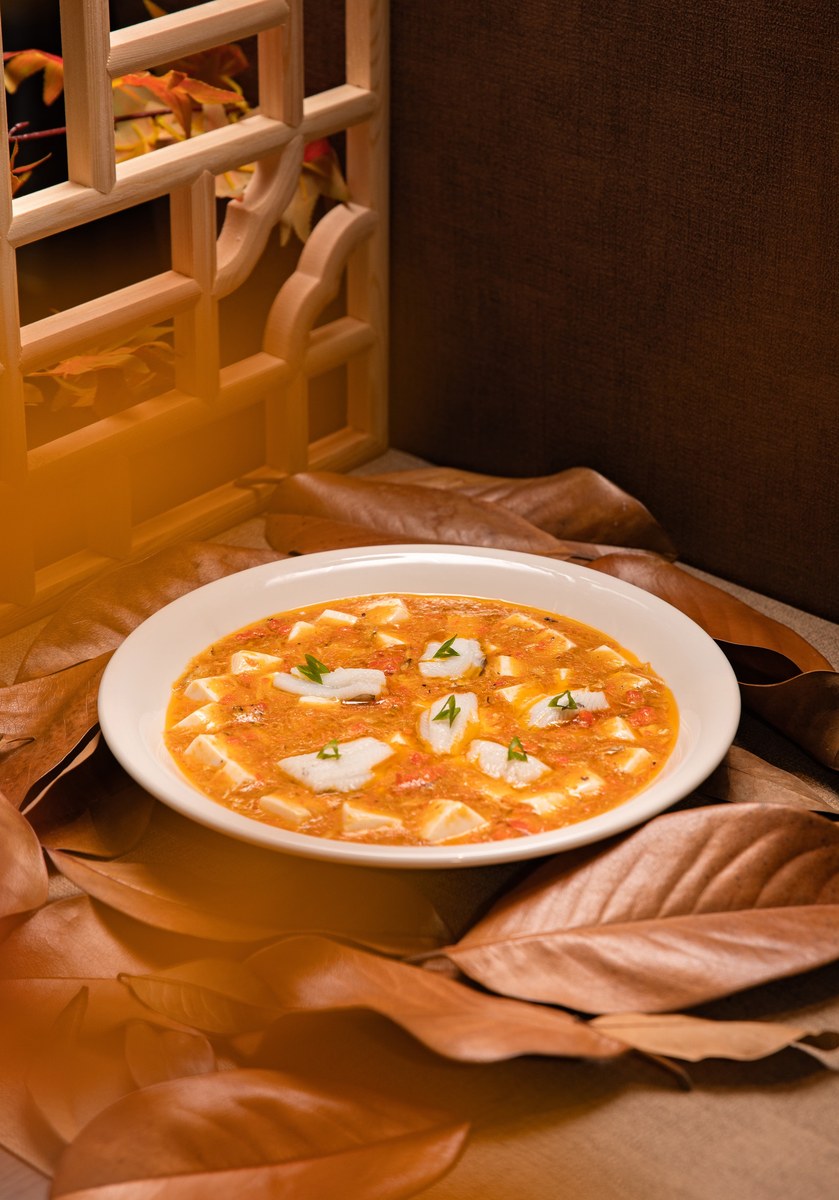
A Chinese hot and sour soup recipe that balances white pepper heat, vinegar brightness, tofu, mushrooms, bamboo shoots, and egg ribbons without making the broth muddy.
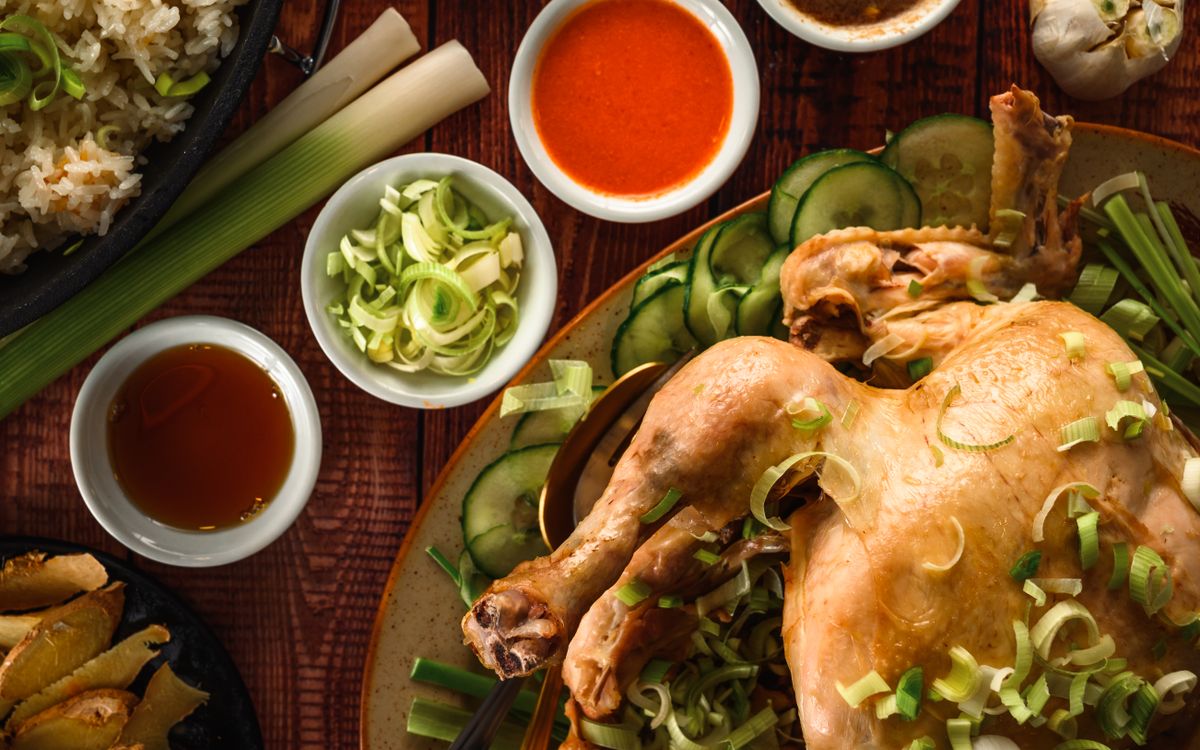
White cut chicken with ginger scallion sauce is the accurate page for this image because the plate shows a whole pale chicken with cucumber, scallions or leeks, dipping sauces, and rice nearby, not a chopped Hunan chili stir-fry. The useful lesson is restraint: poach gently, rest the bird, season the sauce boldly, and let the clean chicken flavor stay visible.
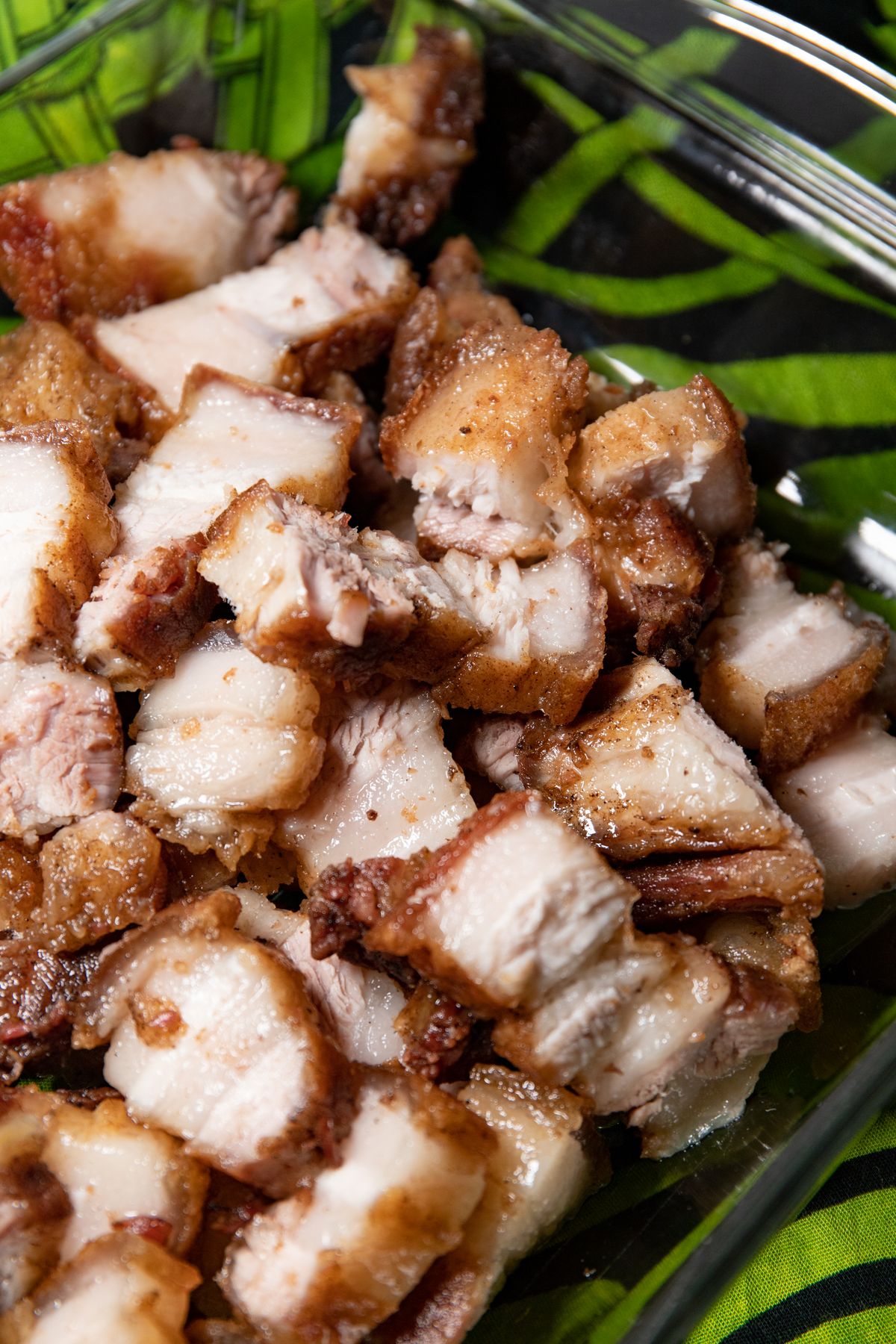
Cantonese crispy pork belly bites match the reviewed image far better than the old braised pork ribs title because the plate shows chopped roast pork belly with crisp browned skin and layered fat. This page therefore teaches the siu yuk problem home cooks actually face: dry the skin enough to blister while keeping the meat seasoned and juicy.
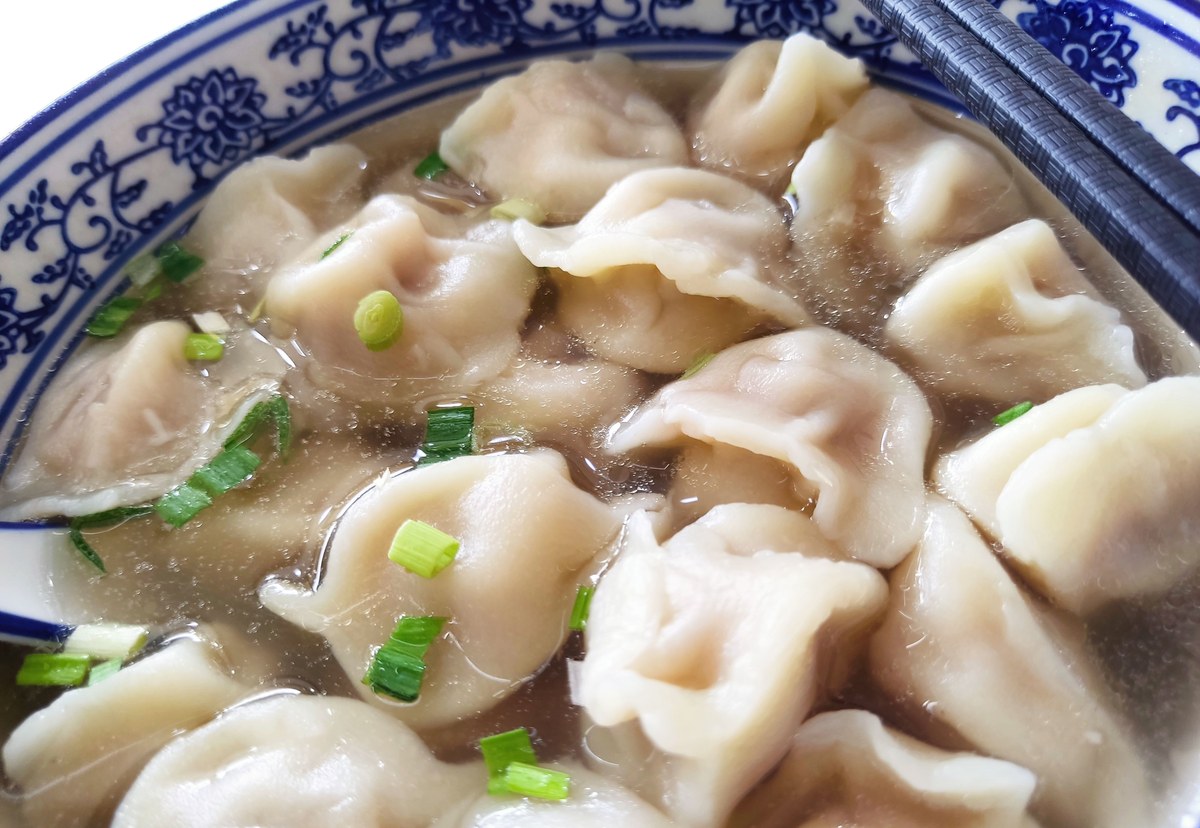
Northern lamb dumplings are warmer and more aromatic than a standard pork jiaozi. Cumin, ginger, scallion, and a little carrot or cabbage balance the lamb, while a tacky filling and tight seal keep the dumplings juicy instead of greasy or burst open.
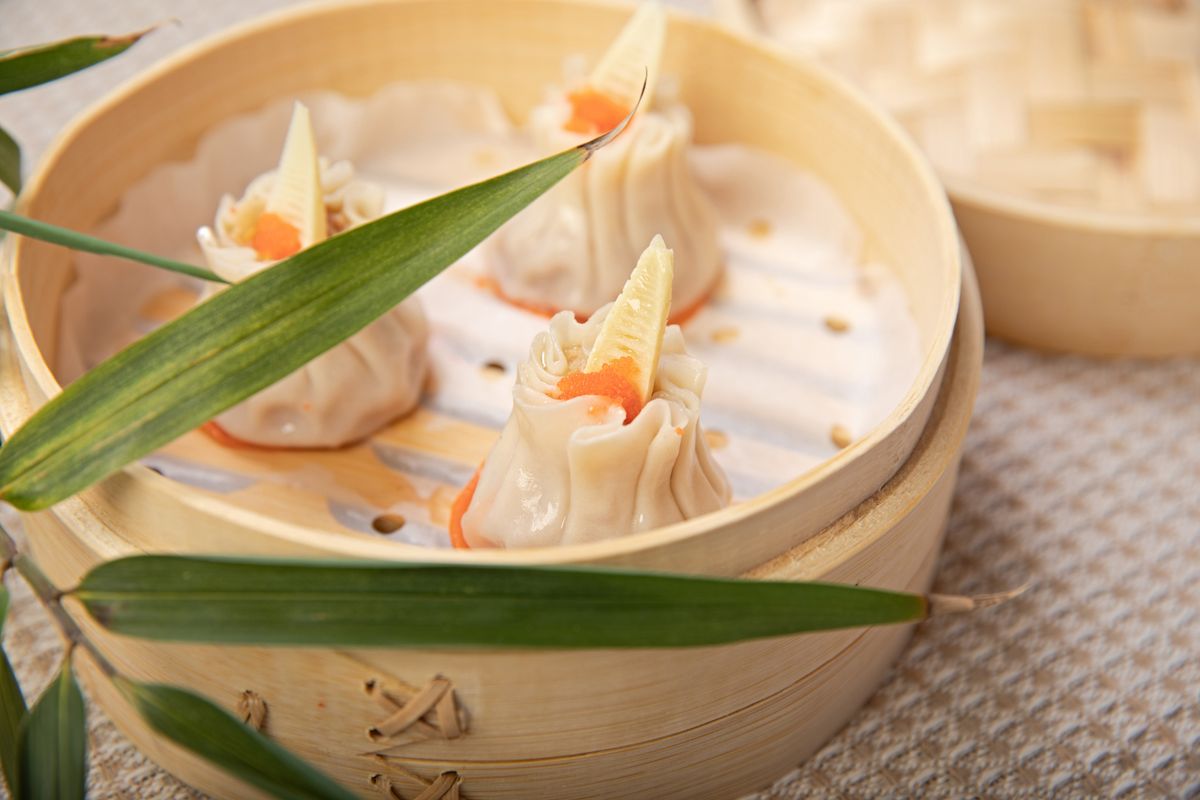
This page is rewritten around the exact siu mai image instead of lamb dumpling soup. It now teaches Chinese pork and shrimp siu mai: an open-top dumpling with a bouncy filling, thin wrapper, visible garnish, and steaming cues that keep the dumplings juicy rather than dense.
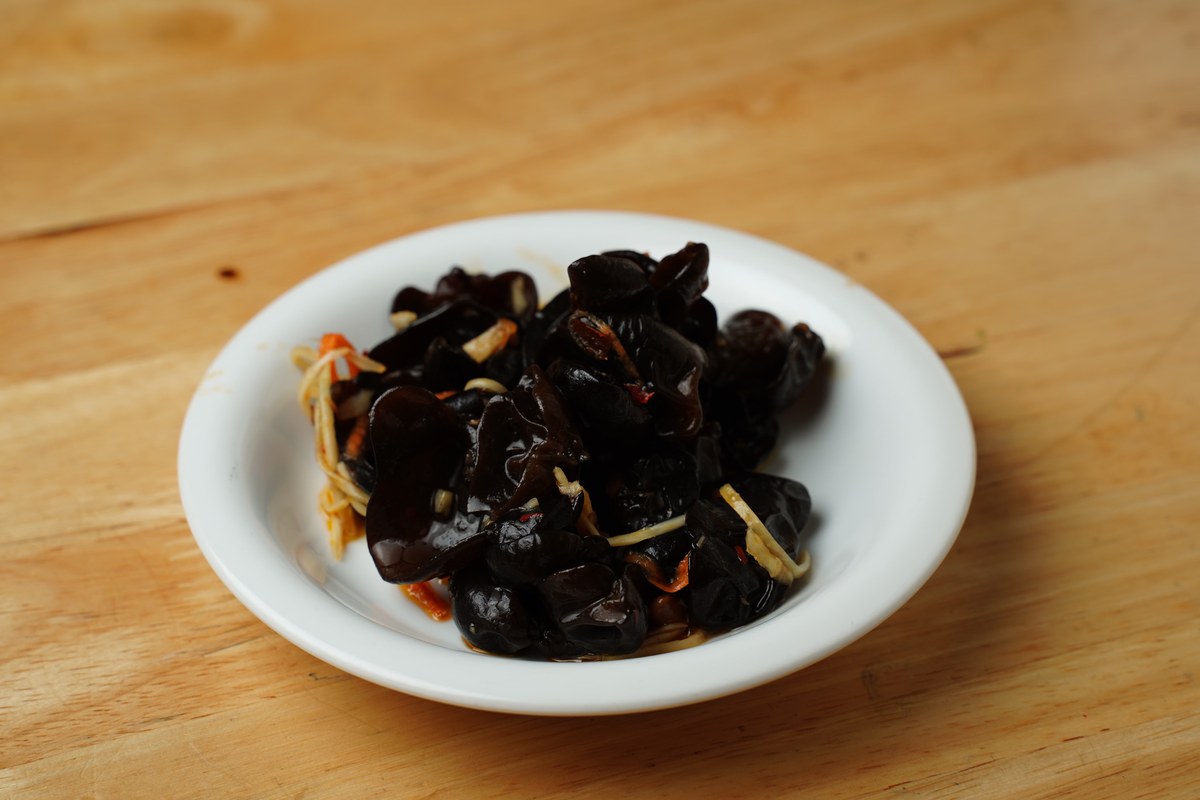
A liangban wood ear mushrooms recipe focused on rehydrating dried wood ear cleanly, trimming gritty bases, blanching for a springy bite, and dressing with black vinegar, garlic, soy, sugar, sesame oil, and chili oil.
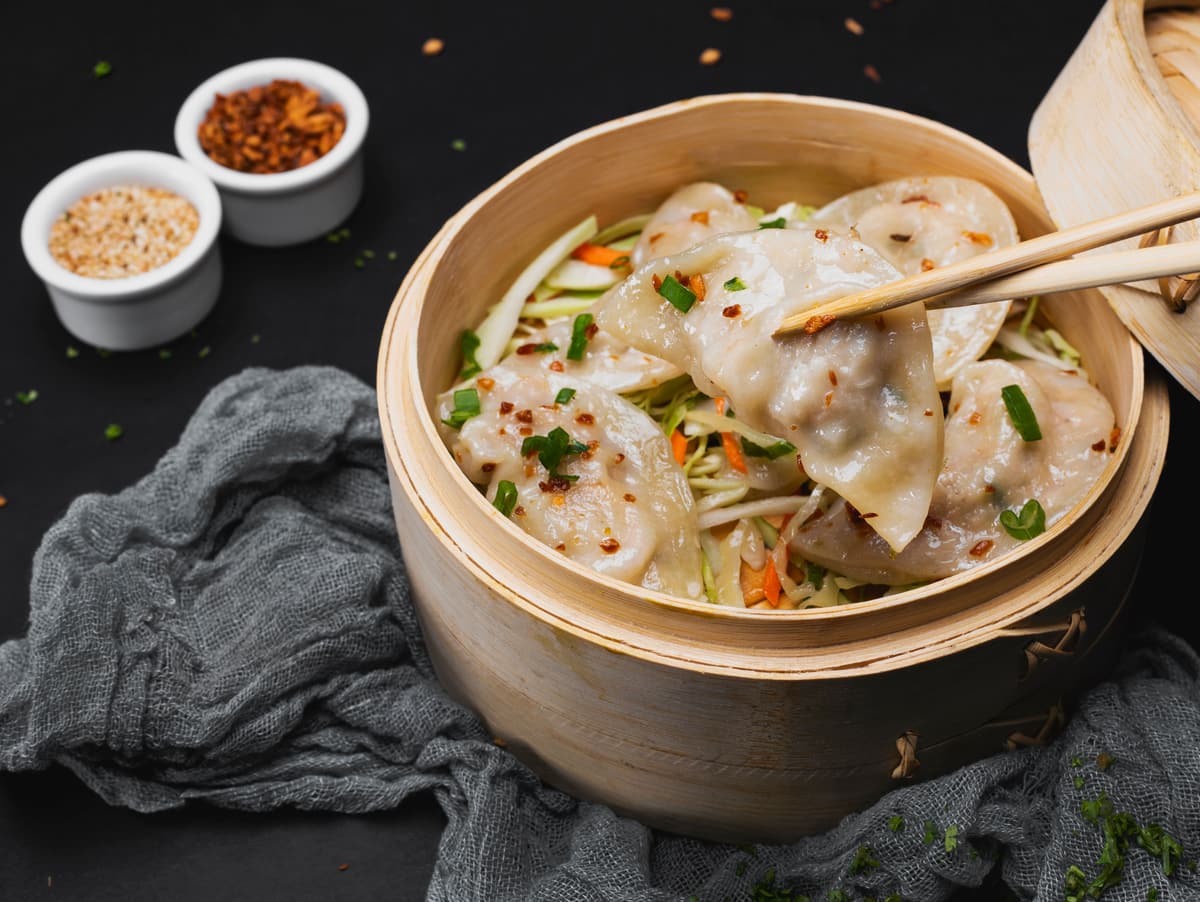
Mushroom cabbage steamed dumplings match the reviewed image and search intent better than a soup page because the photo shows glossy dumplings in a bamboo basket over shredded vegetables and chili flakes, with no broth. The refined page focuses on the vegetarian dumpling problem: remove water from cabbage, build mushroom umami, and steam without tearing the wrapper.
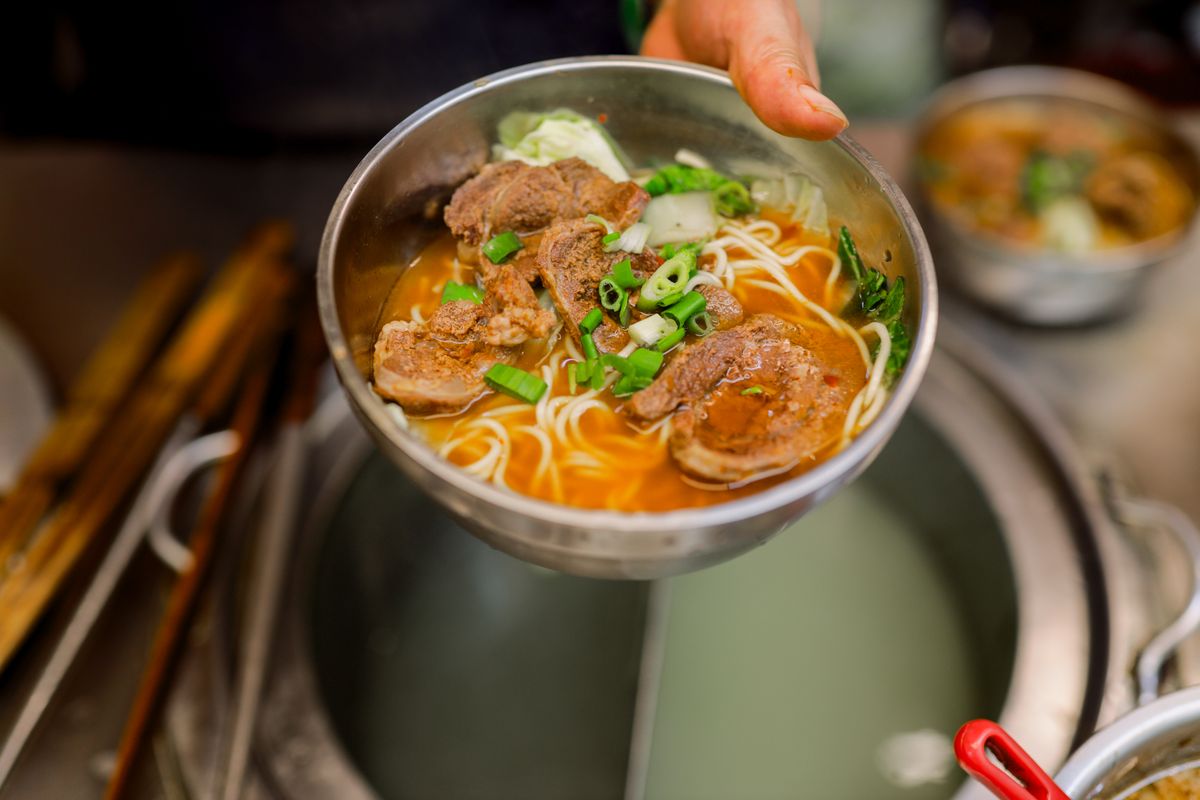
This page is rewritten around the exact braised beef noodle soup image instead of the old mushroom rice noodle draft. It now teaches a soy-braised beef broth, separate noodle cooking, fresh scallions, and greens, with practical cues for keeping the beef tender and the soup drinkable.
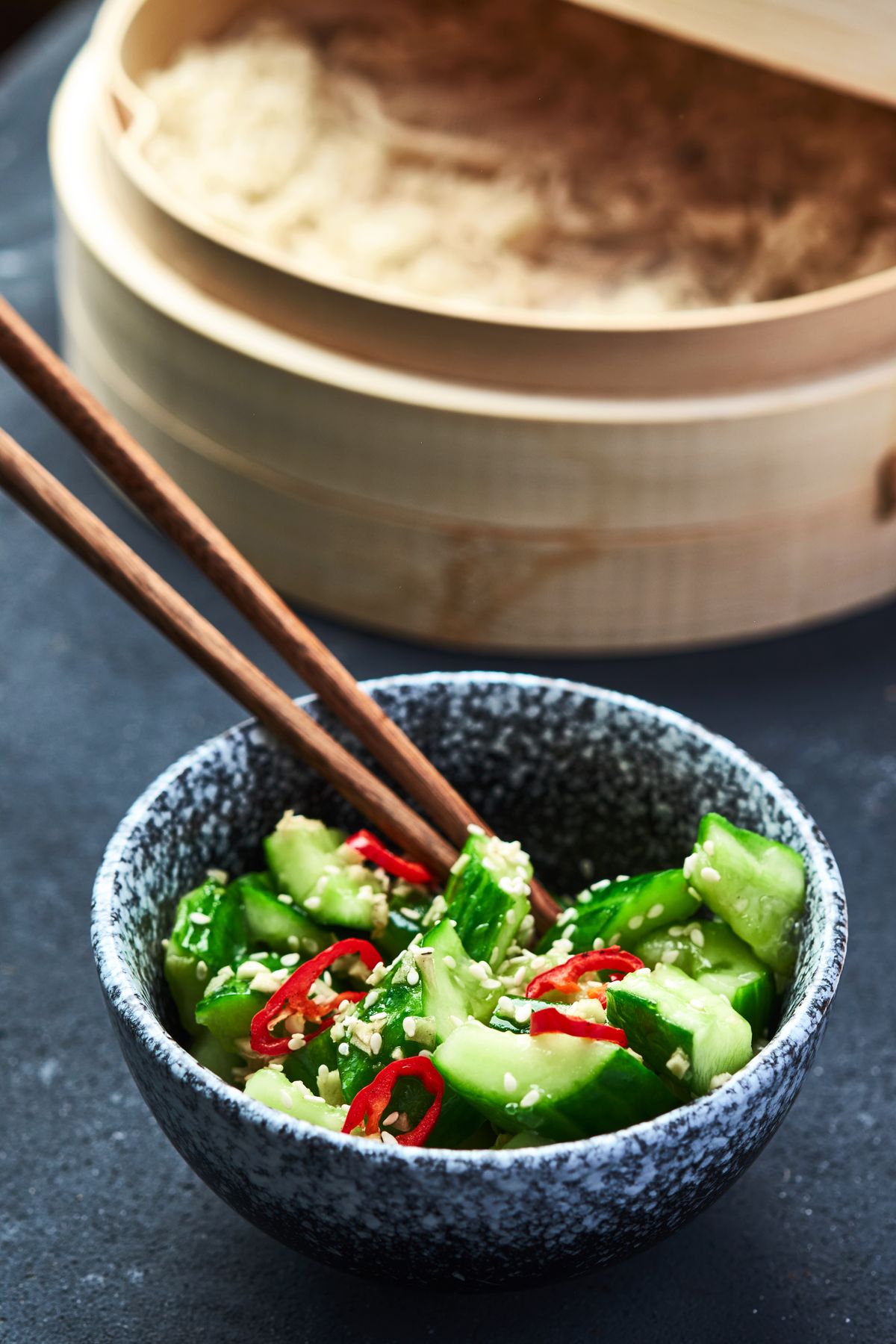
Northern garlic cucumber salad is the cleaner long-tail angle for this page because the broader Chinese smashed cucumber query is already covered elsewhere on the site. This version still uses the pai huang gua technique, but it leans direct and garlicky: cracked cold cucumber, soy, vinegar, sesame oil, and optional chili.
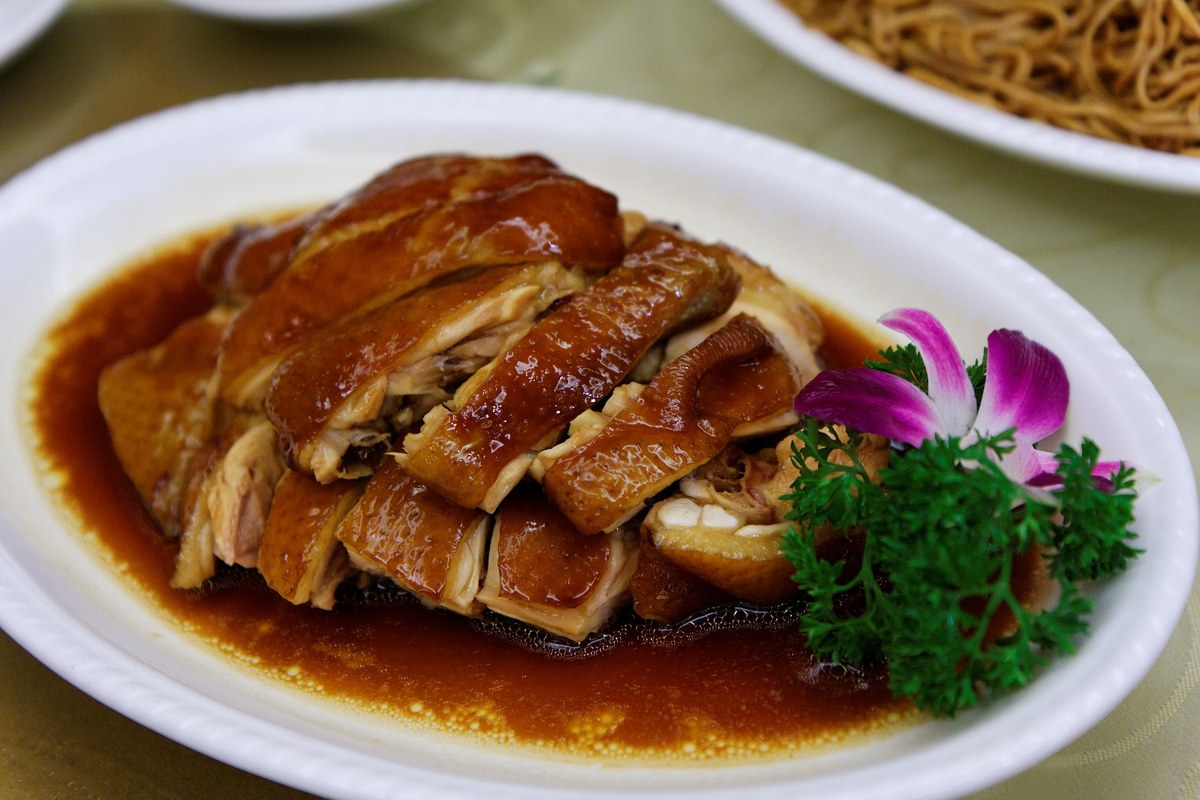
Soy sauce chicken is a Cantonese poached-braised chicken, not baked chicken brushed with soy sauce. The skin gets its shine from a seasoned soy bath, repeated basting, and gentle heat that cooks the meat without tearing the surface.
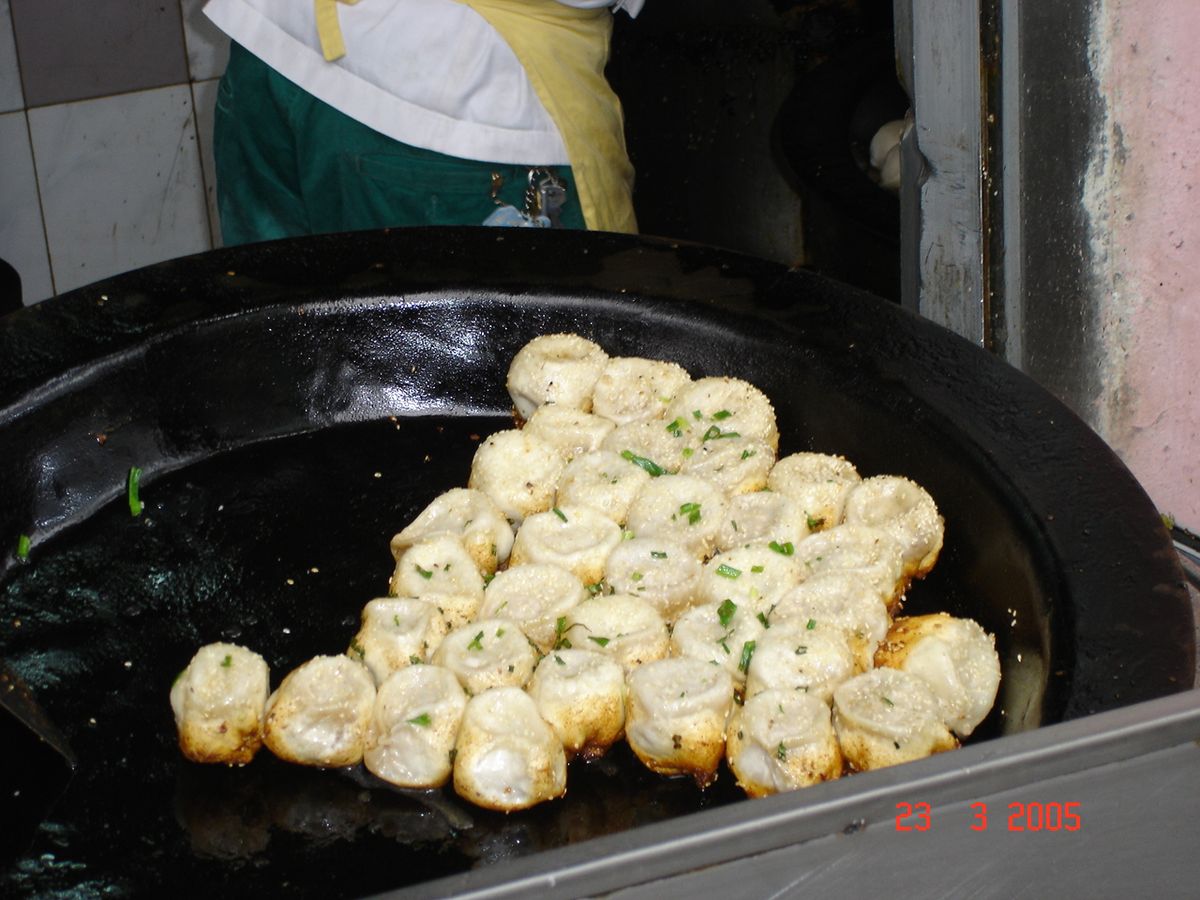
Sheng Jian Bao is the accurate direction for this page because the replacement image shows small pan-fried buns crowded in a broad Shanghai-style griddle. The useful home-cook lesson is not pleating perfection; it is managing the covered steam stage, then uncovering long enough for the bottoms to fry crisp without scorching.
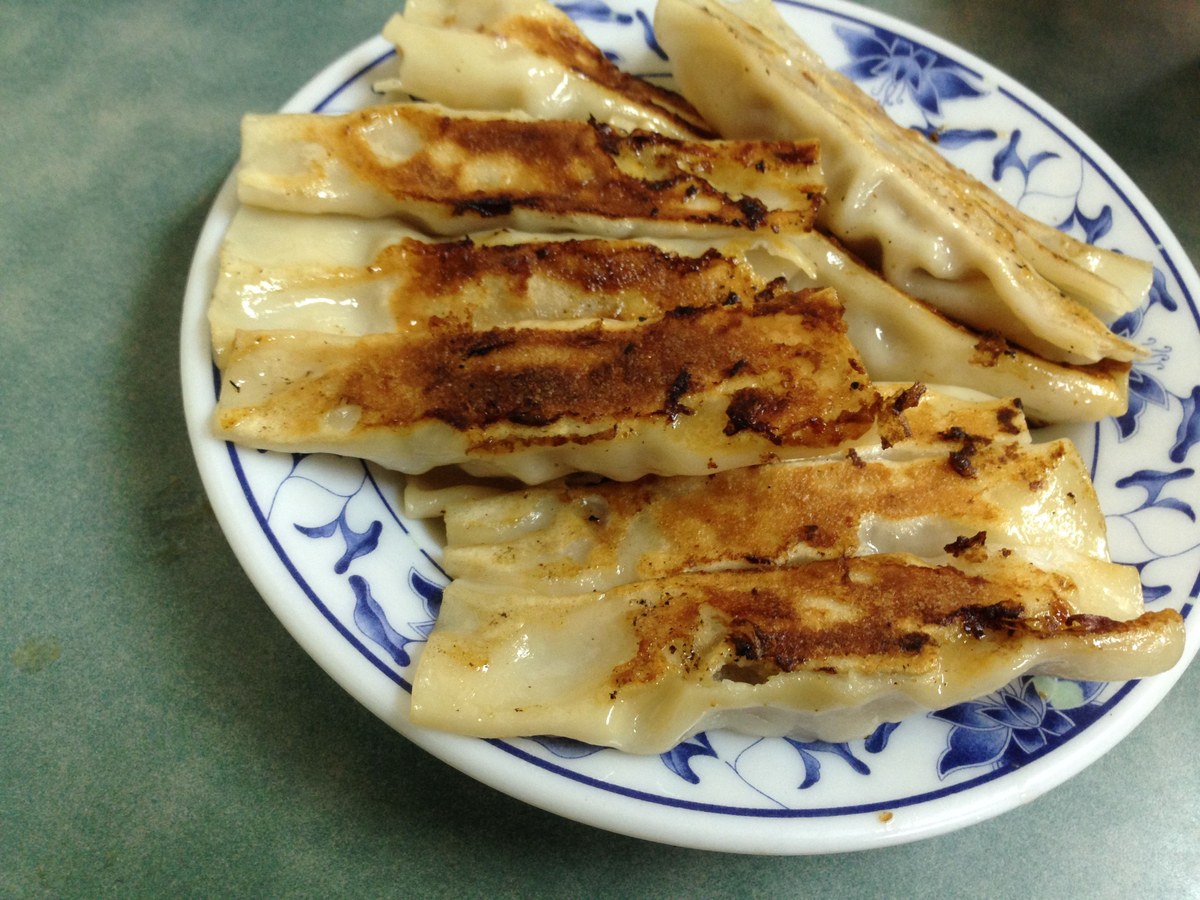
Guo Tie succeed when the filling is sticky, the cabbage is squeezed dry, and the pan method has three clear stages: brown, steam, then re-crisp. Skip any one of those and the dumplings either stick, split, or turn soft on the bottom.
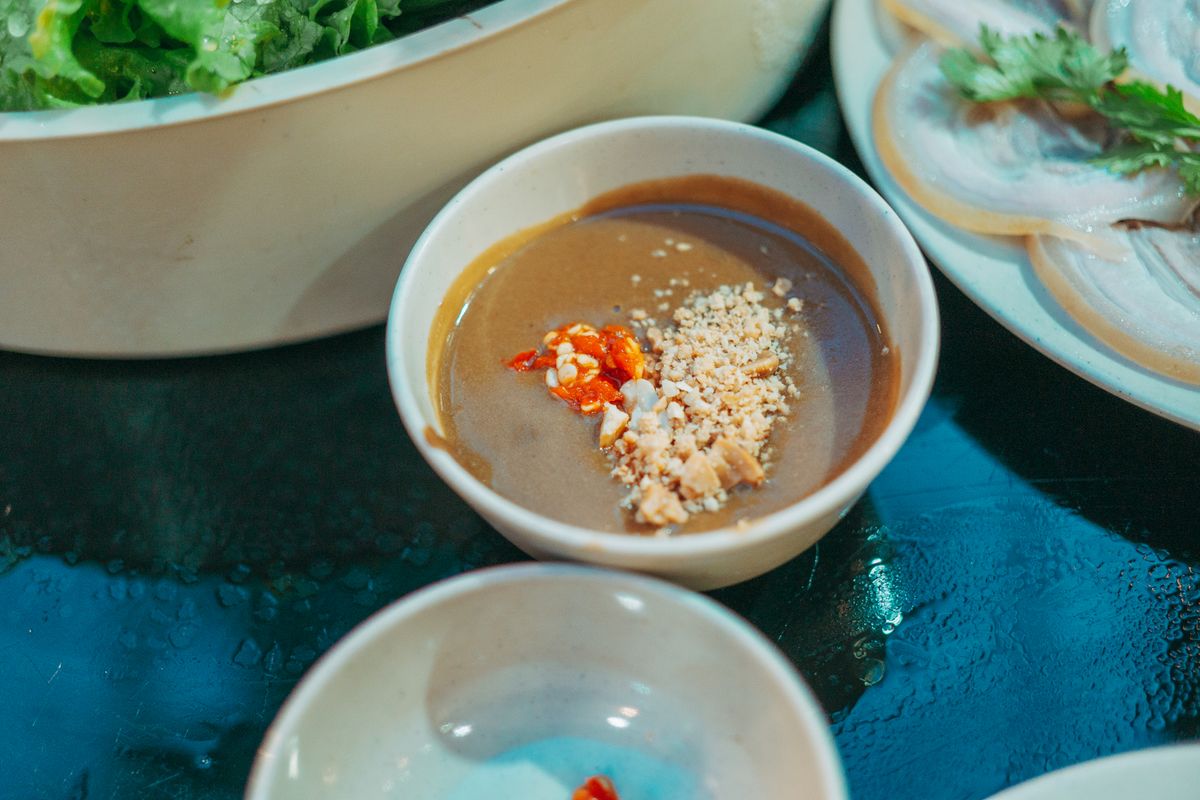
Beijing hot pot peanut sesame dipping sauce is the accurate page for this image because the bowl shows a thick tan nut sauce topped with crushed peanuts and chile oil. It does not show a sweet peanut soup. The useful home-cook lesson is dilution: sesame paste and peanut butter seize if liquid is dumped in, so thin them slowly before adding salty, sour, fermented, and spicy seasonings.
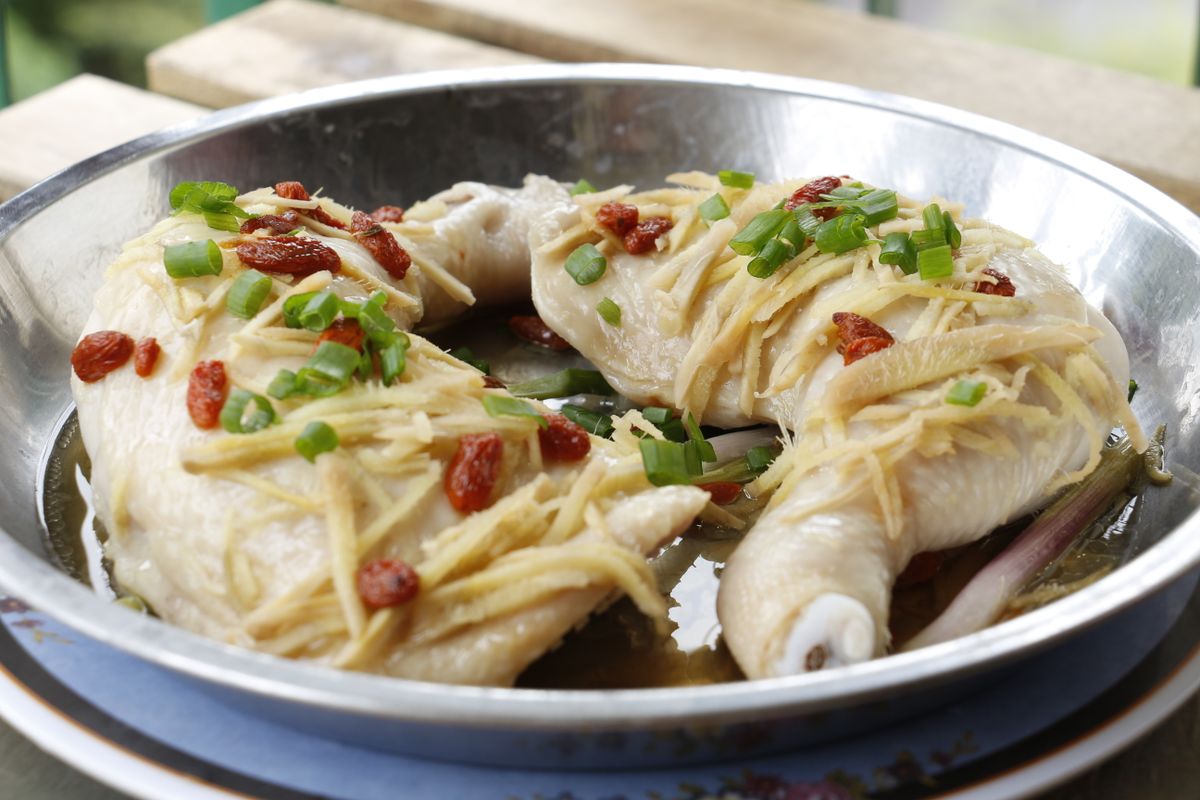
Steamed chicken legs with ginger and goji is the accurate page for this image because the reviewed bowl shows pale chicken legs or quarters under ginger slivers, goji berries, and scallion, not peppercorn-coated chicken wings. The refined page keeps the focus narrow: bone-in pieces, gentle steam, and the clear chicken essence that should taste clean instead of boiled.
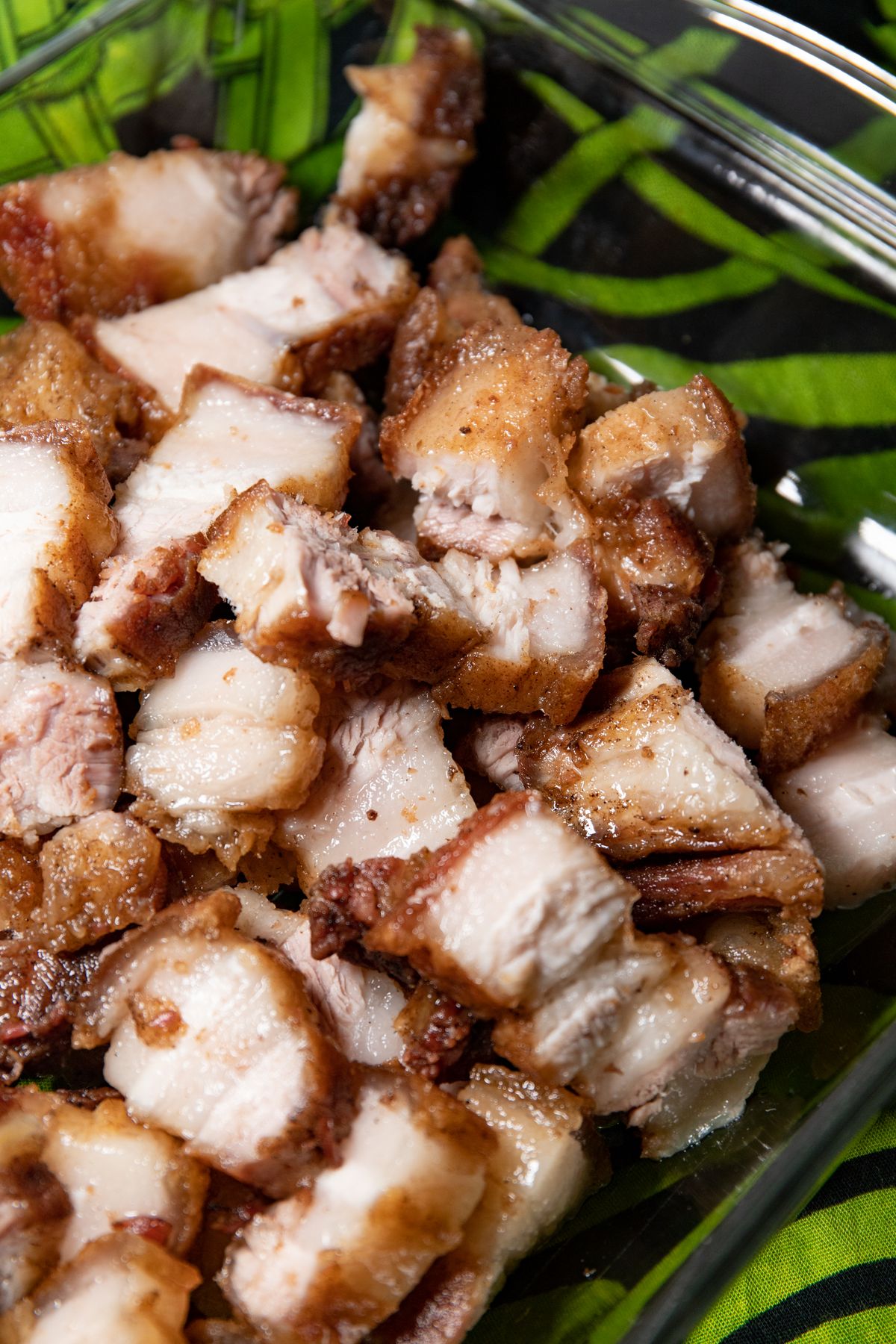
This page is rewritten around the exact crispy pork belly image instead of the old pickled long bean pork draft. It now teaches crisp-skinned pork belly served with lettuce or herb leaves, a punchy dipping sauce, and practical reheating cues so the pork stays crisp instead of leathery.
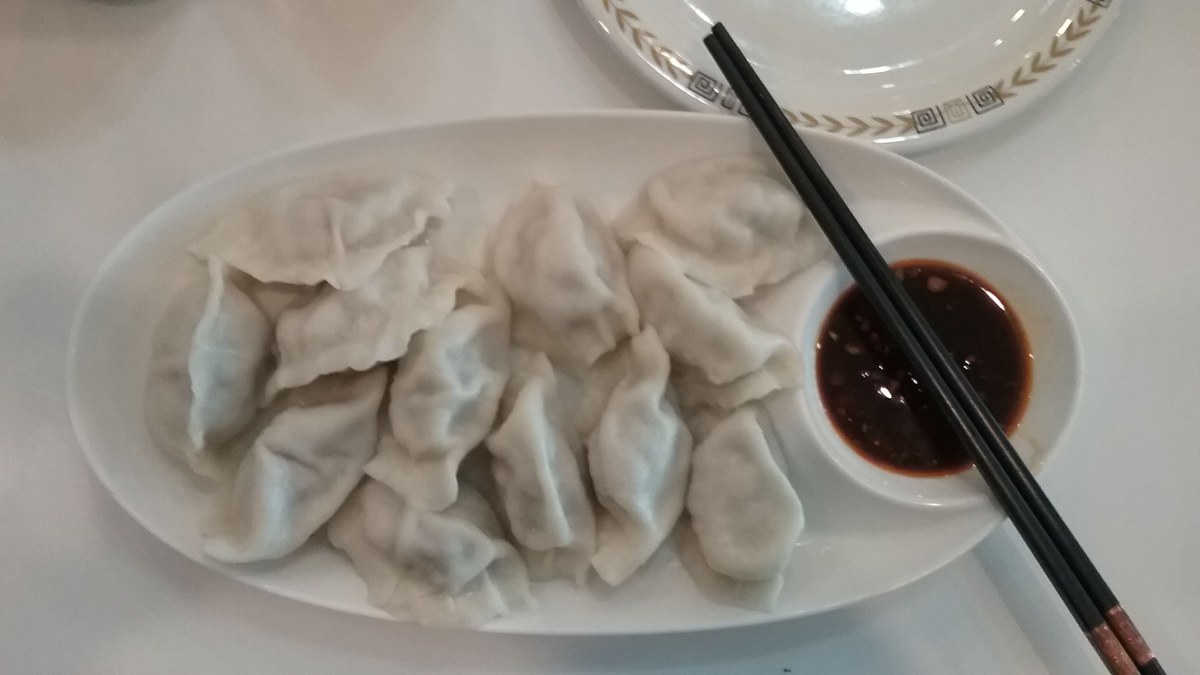
Pork and napa cabbage dumplings succeed or fail before the wrapper is sealed. The cabbage needs to be salted and squeezed so it seasons the filling without flooding it, and the pork needs enough stirring to turn sticky and juicy.
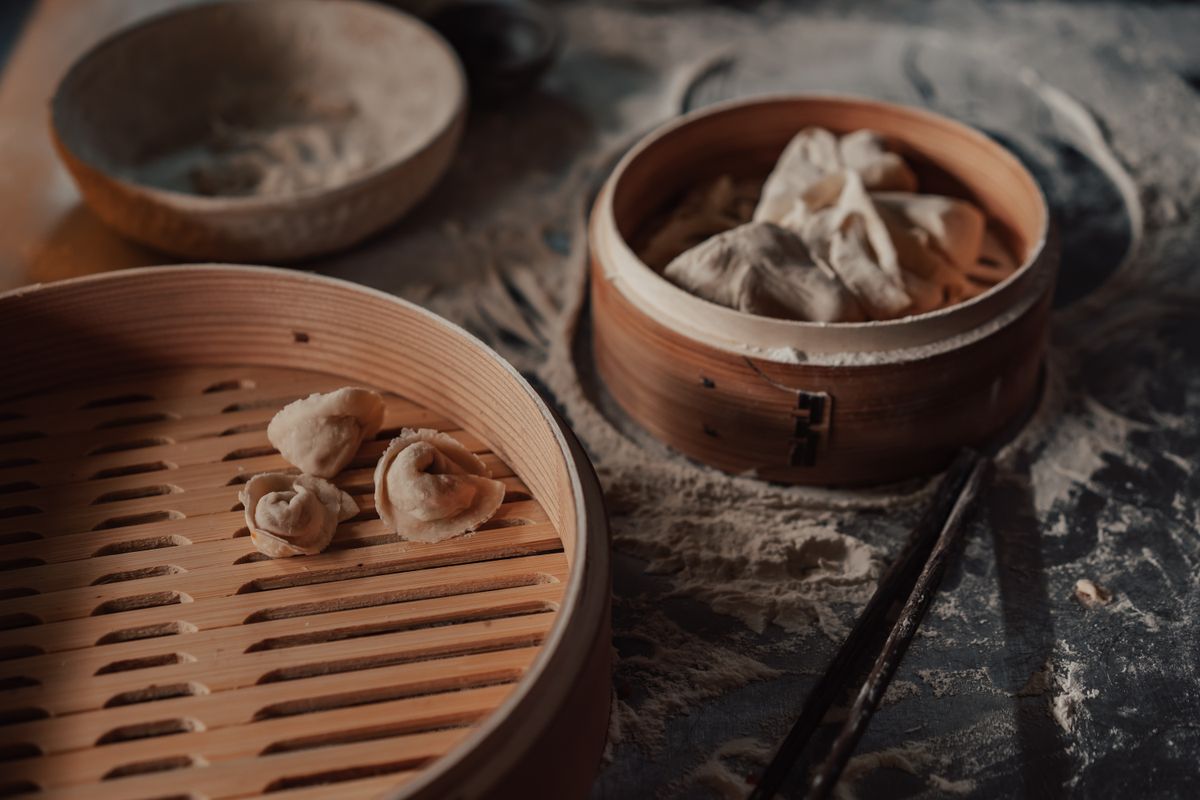
Pork and celery dumplings are already the right dish family for the image, so this refinement keeps the topic and makes it useful. The exact photo shows pale handmade dumplings in bamboo steamers, which means the page should teach filling texture, celery moisture control, and the moment dumplings are cooked through without bursting.
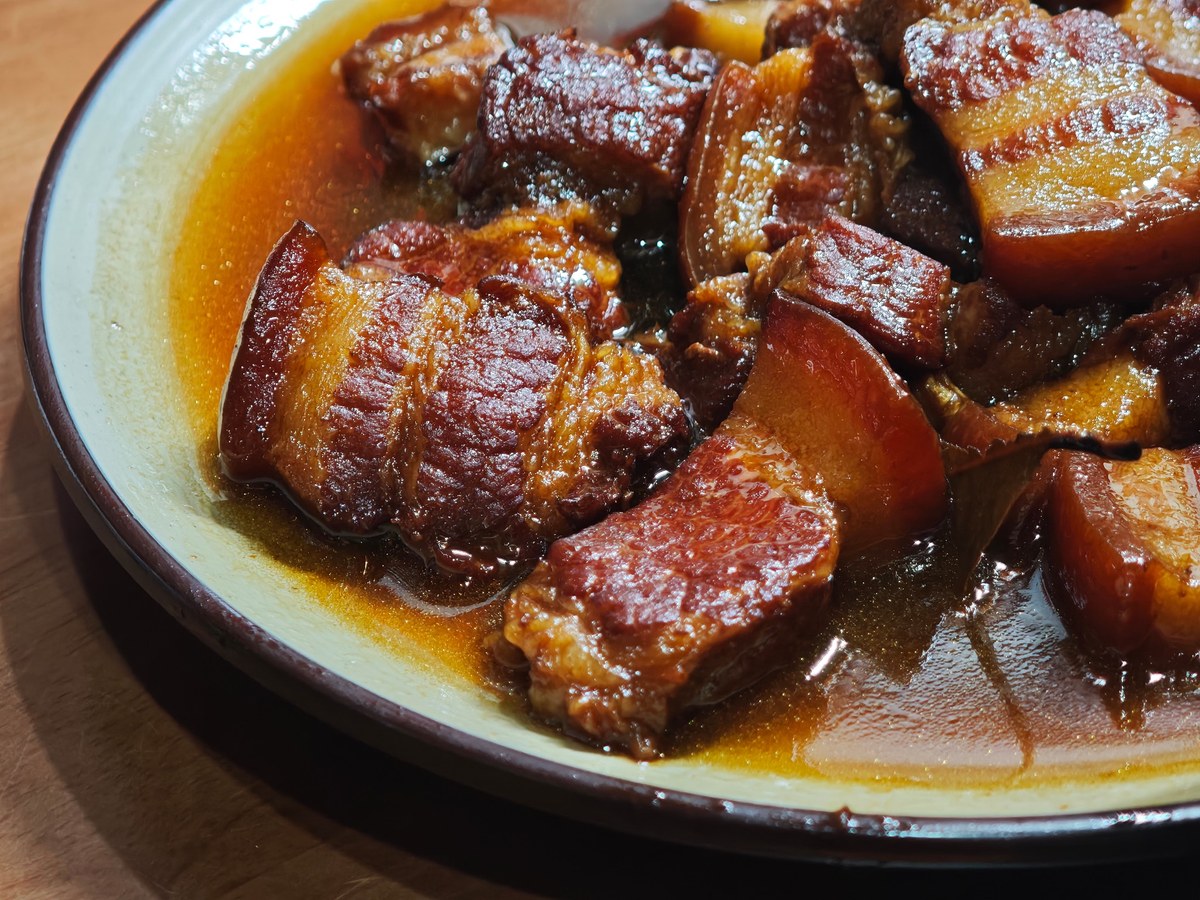
A red-braised pork belly recipe for hong shao rou, focused on blanching, caramel color, low simmering, and a final glossy reduction that keeps the pork tender.
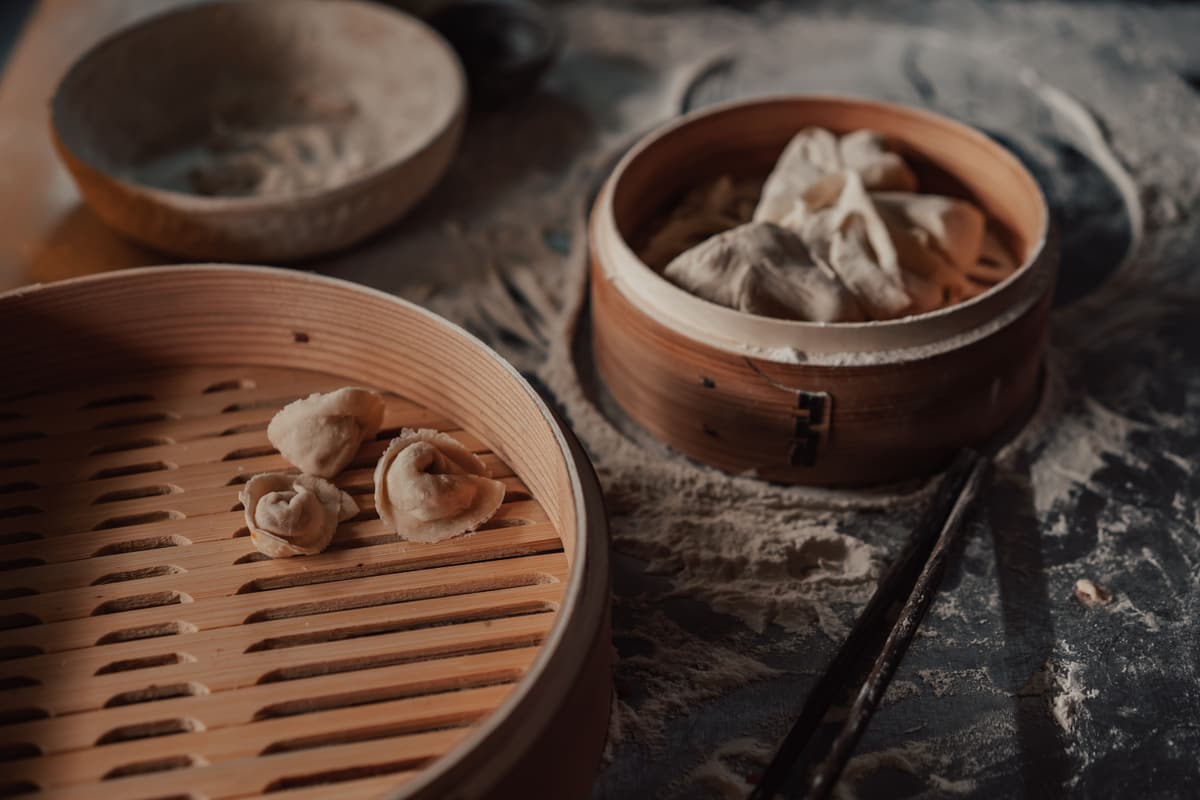
Chinese steamed dumplings in a bamboo steamer match the reviewed image better than red oil cucumber wontons because the photo shows pale folded dumplings sitting in bamboo baskets with flour and chopsticks nearby, not a sauced red-oil bowl. This page now teaches the steamer workflow: mix a tacky filling, fold without air pockets, line the basket, and steam until the wrappers turn soft and glossy.
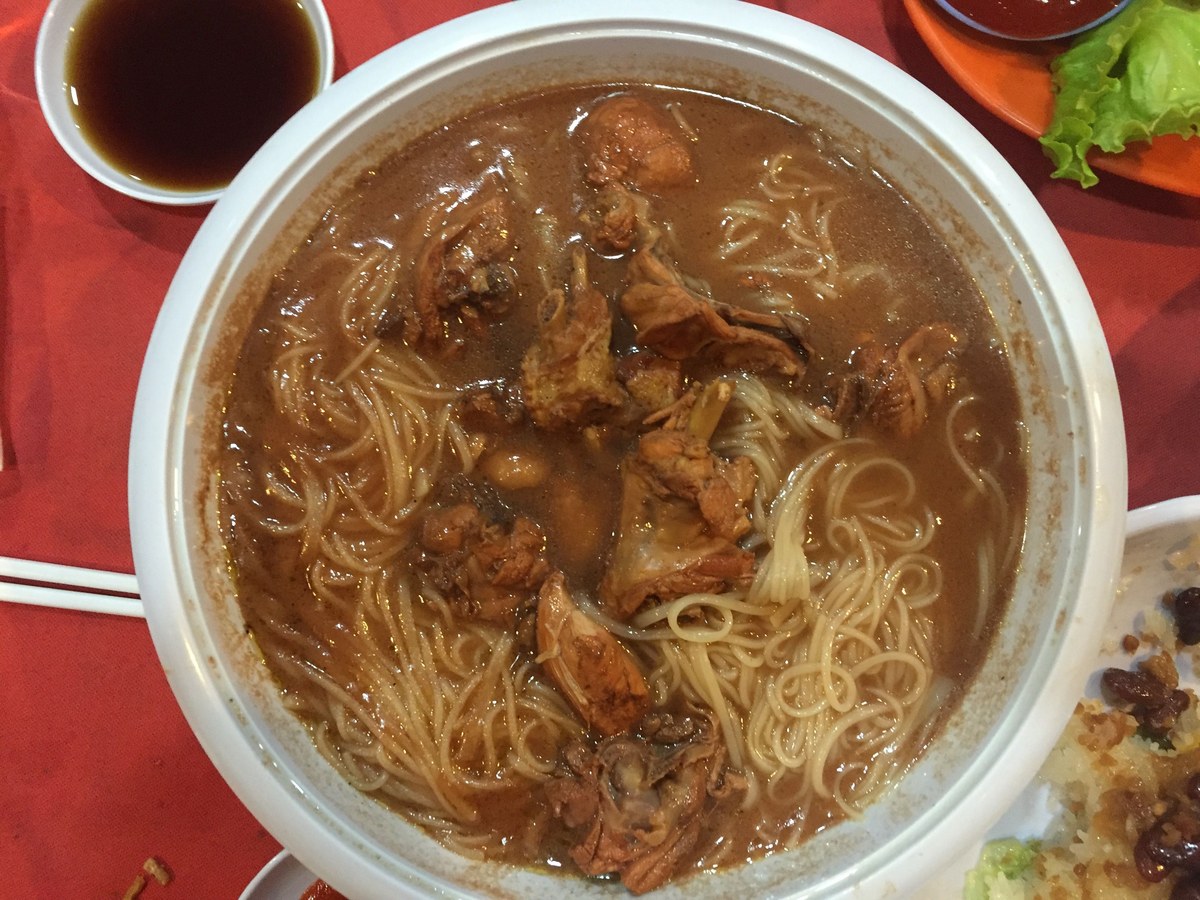
Fujian red wine chicken, or hong zao ji, gets its deep red color and fermented aroma from red rice wine lees rather than Western grape wine. The chicken is browned with ginger, coated in the lees, then simmered gently until the sauce tastes savory, lightly sweet, and wine-fragrant.
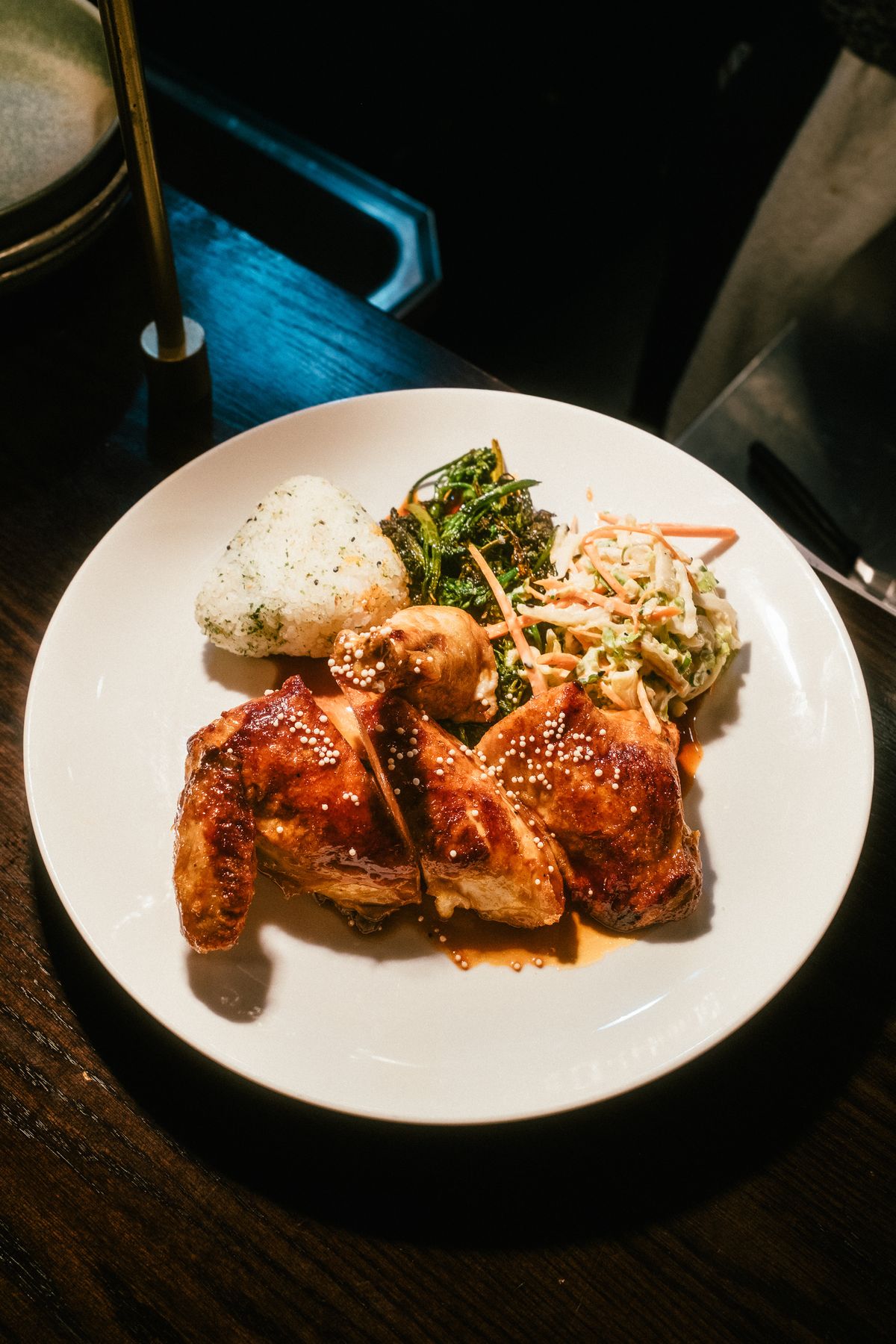
This page is rewritten around the exact roasted chicken plate instead of the old red wine chicken draft. It now teaches soy-sauce roast chicken with ginger, scallion, five-spice warmth, crisped skin, and rice-and-greens service that matches the plated photo.
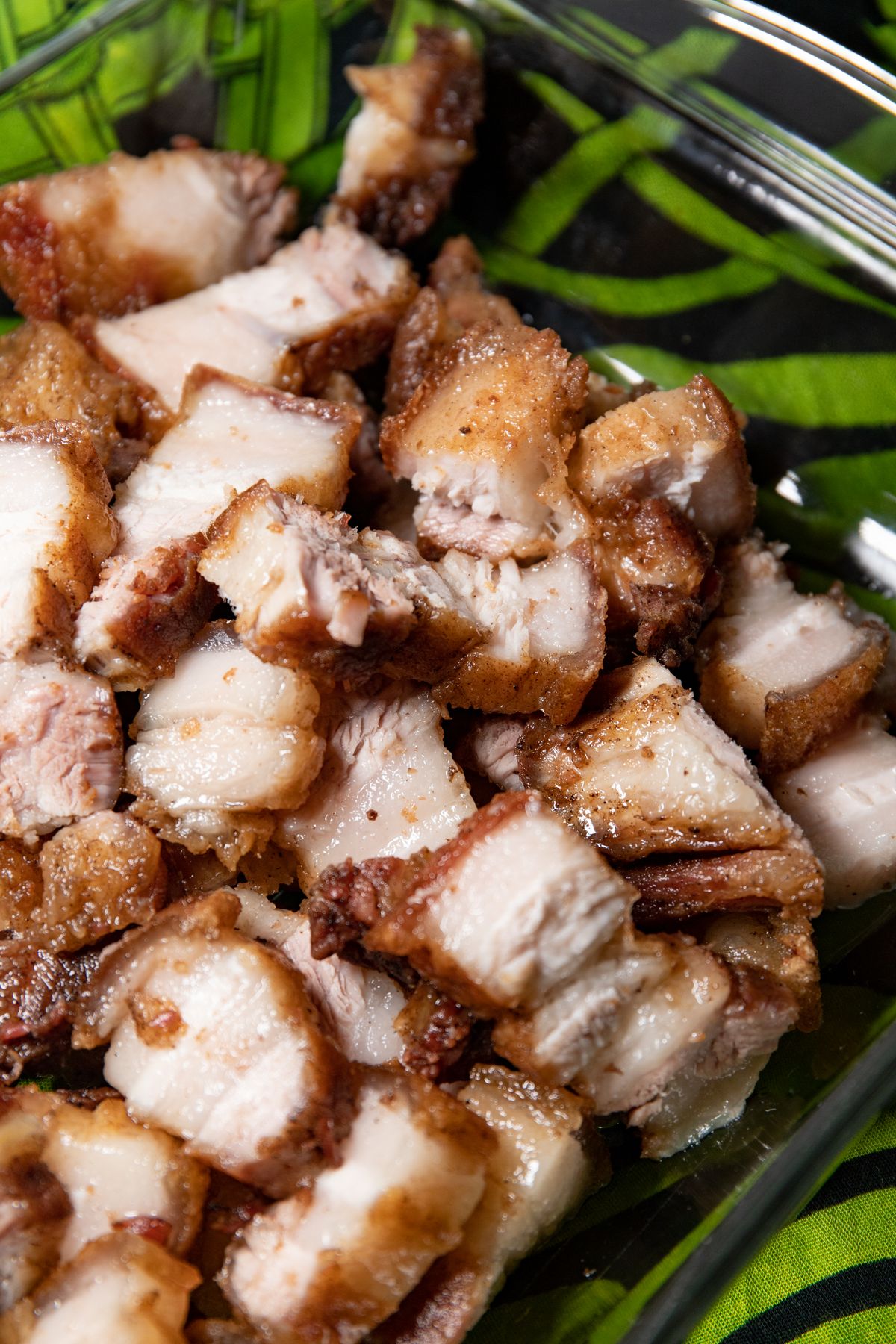
Chinese crispy pork belly is a more truthful page for this image than red wine pork ribs. The photo shows chopped pork belly pieces with browned skin and layered fat, so the page should focus on drying, skin texture, seasoning restraint, and reheating without softening the crisp edges.
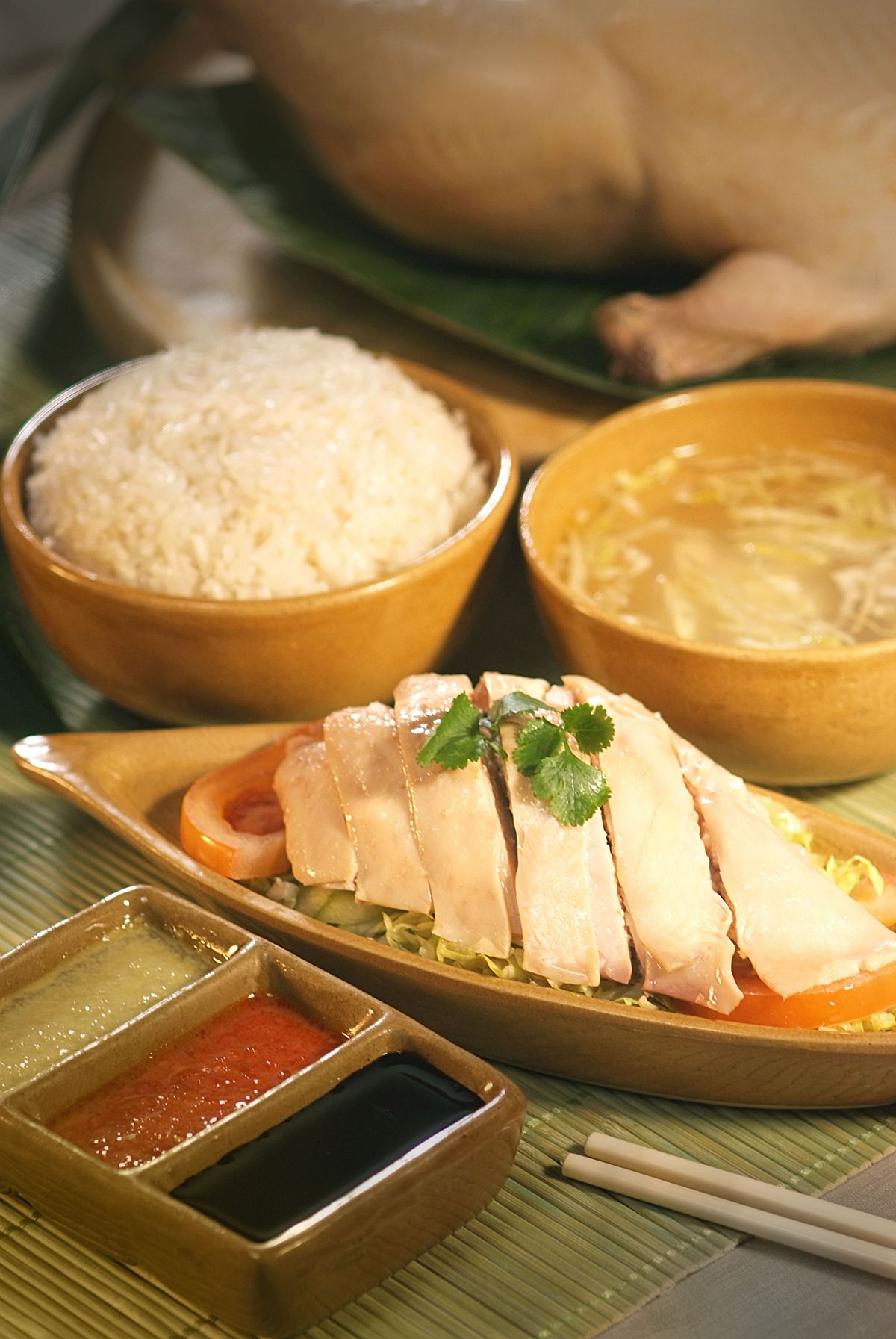
This page is rewritten to match the exact chicken rice image instead of a soy-braised rice cooker chicken page. It now teaches a home version of Hainanese chicken rice: gently poached chicken, rice cooked with chicken fat or broth, a light soup, and the ginger-chili-soy sauce set that makes the plate feel complete.
This page is rewritten around the exact crispy pork belly slice image instead of the old lettuce wrap draft. It now teaches siu yuk-style pork belly slices with dry skin, rendered fat, a crisp crackling layer, and a simple soy or mustard dip that matches the plated photo.
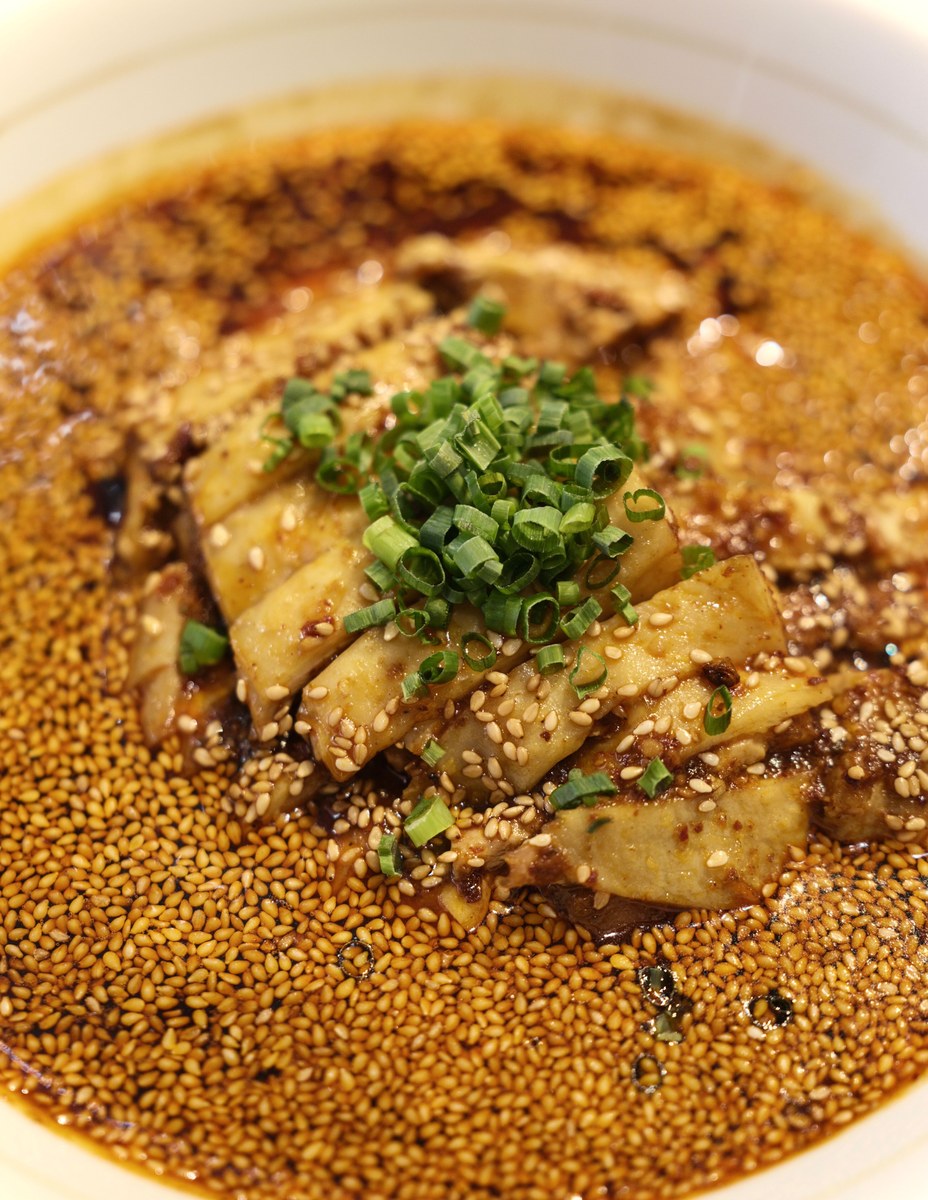
A saliva chicken recipe focused on tender poached or steamed chicken, cooling without drying, aromatic Sichuan red oil, black vinegar, soy sauce, sesame, peanuts, and the mouthwatering kou shui ji balance.
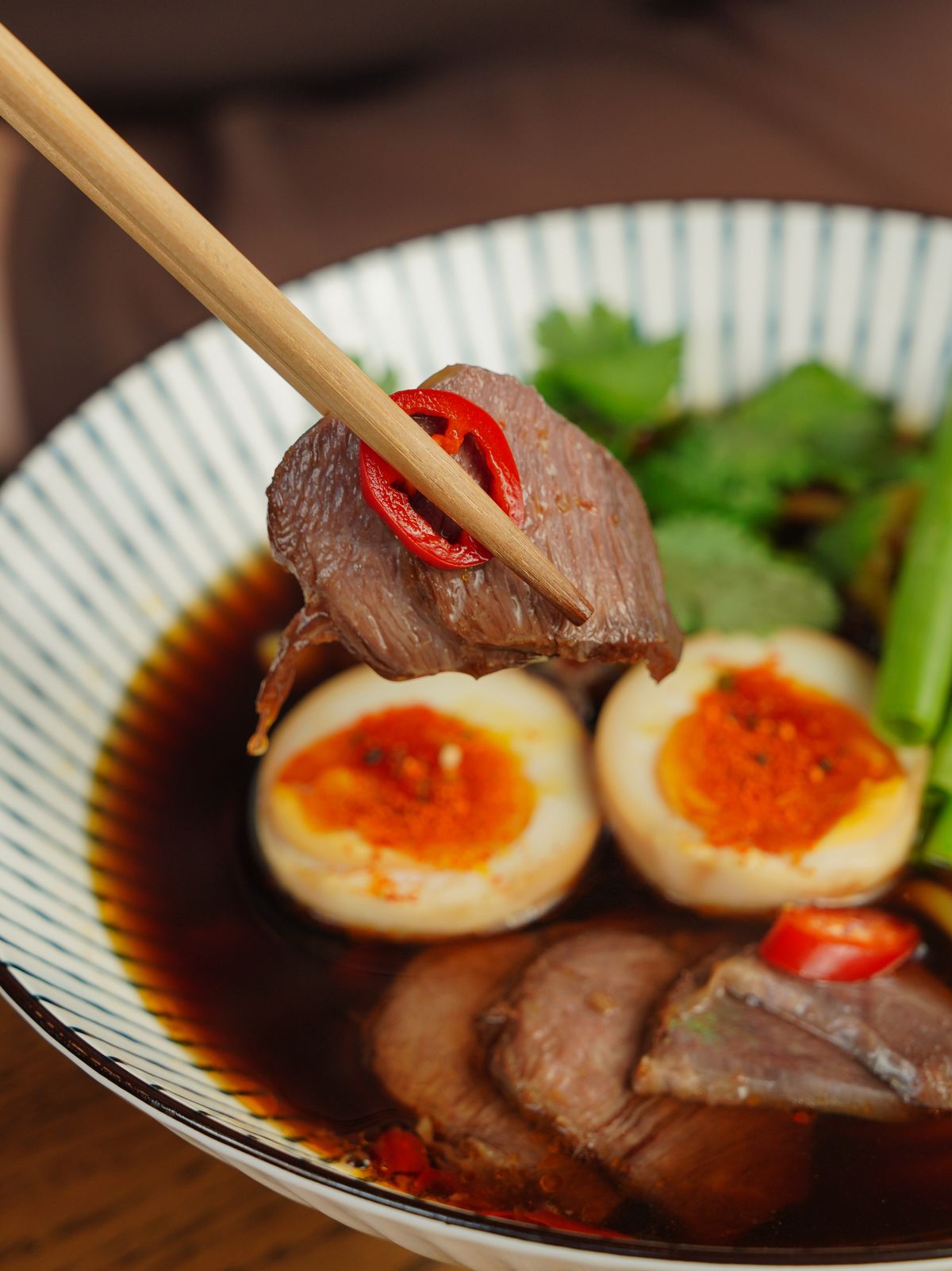
This page is rewritten around the exact braised beef and egg image instead of the old seafood egg drop soup draft. It now teaches a lu wei-style bowl with sliced soy-braised beef, halved soy eggs, chili, herbs, and a dark aromatic sauce.
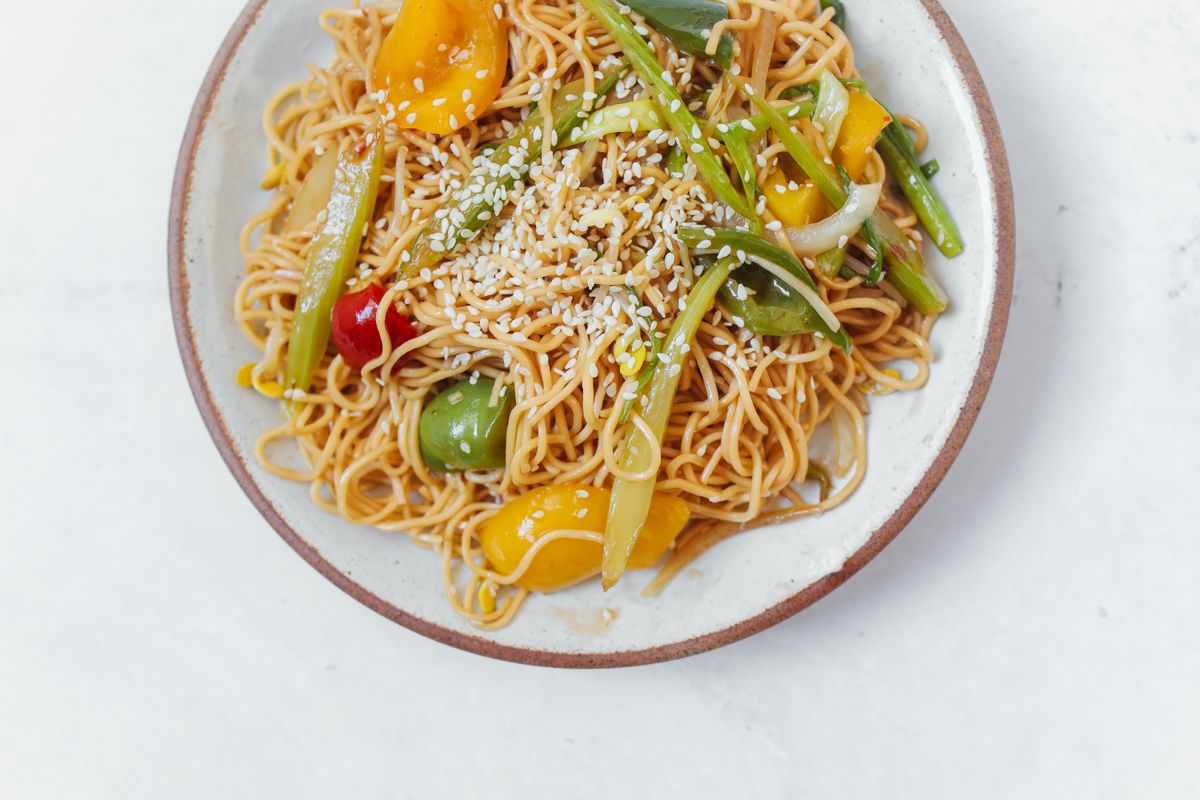
Chinese sesame cold noodles are a pantry-friendly summer bowl, but the texture fails fast if the sauce is too thick or the noodles are overcooled into a clump. The reviewed image shows glossy tossed noodles with peppers, scallions, and sesame seeds, so this version focuses on coating each strand with a loose sesame sauce instead of burying the noodles under paste.
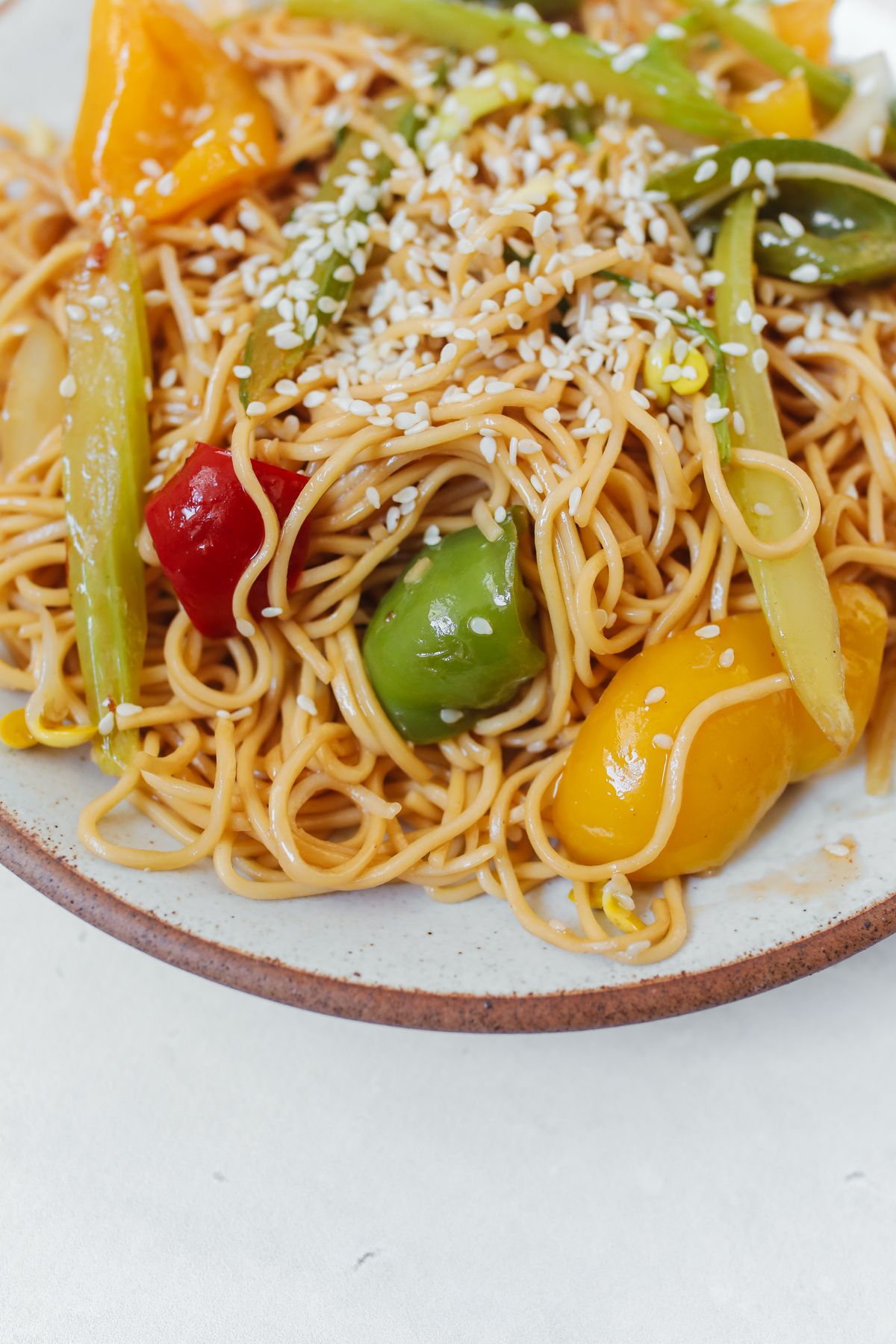
Sesame Garlic Cold Noodles should taste cool, nutty, salty-sour, and sharp with garlic, not heavy or oily. The image now matches the page closely: thin noodles coated in a light soy-sesame dressing, sesame seeds, bell pepper pieces, pale scallion-like stems, and a dry tossed finish.
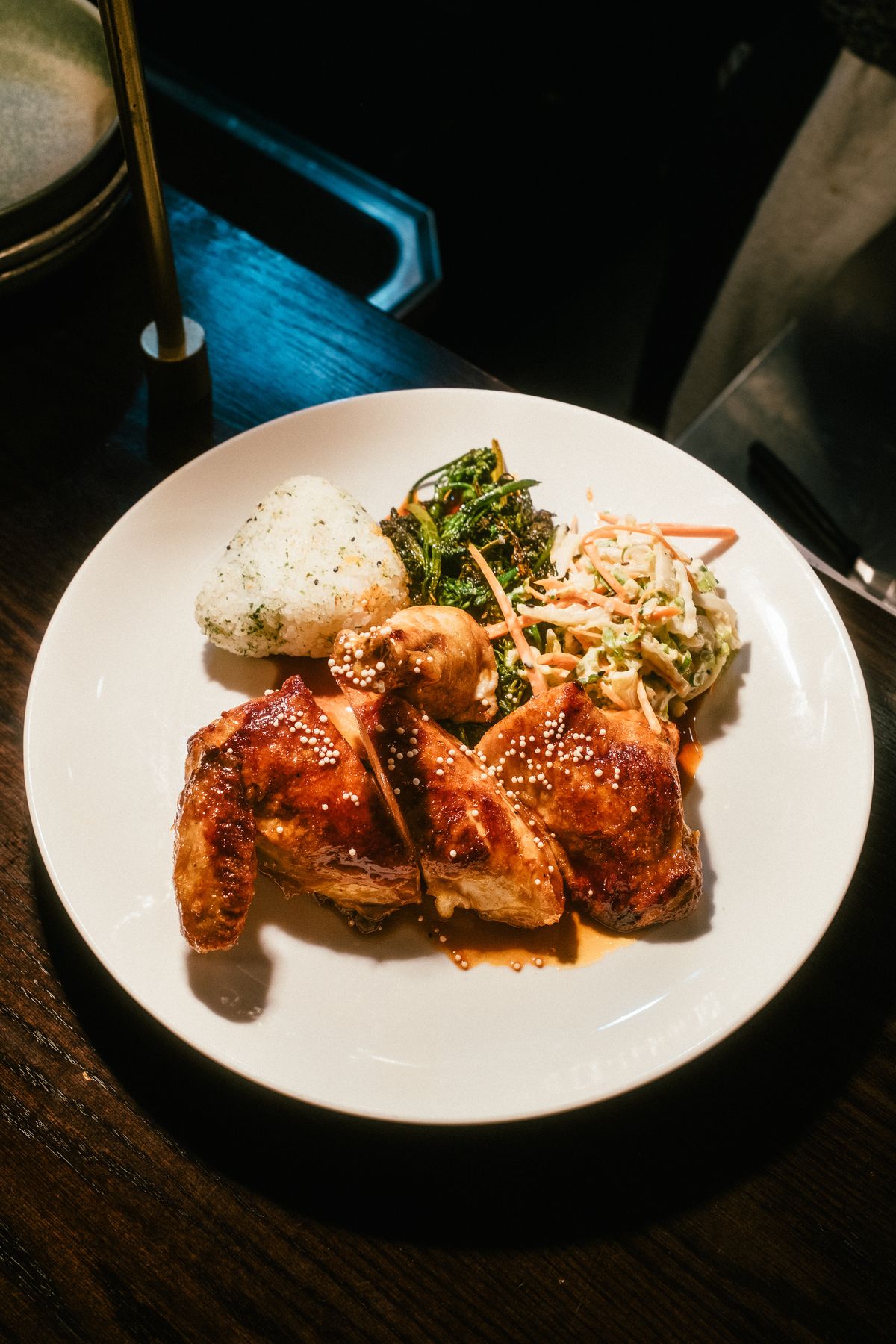
This page is rewritten around the exact chicken rice plate image instead of the old generic Shanghai soy sauce chicken draft. It now teaches a soy-glazed roast chicken plate with ginger-scallion aromatics, rice, greens, and a spoonable pan glaze.
This page is rewritten around the exact crispy pork belly image instead of the old shredded potato pancake draft. It now teaches a siu yuk-inspired crispy pork belly plate with a soy-vinegar dipping sauce and practical cues for crunchy skin, tender meat, and clean slicing.
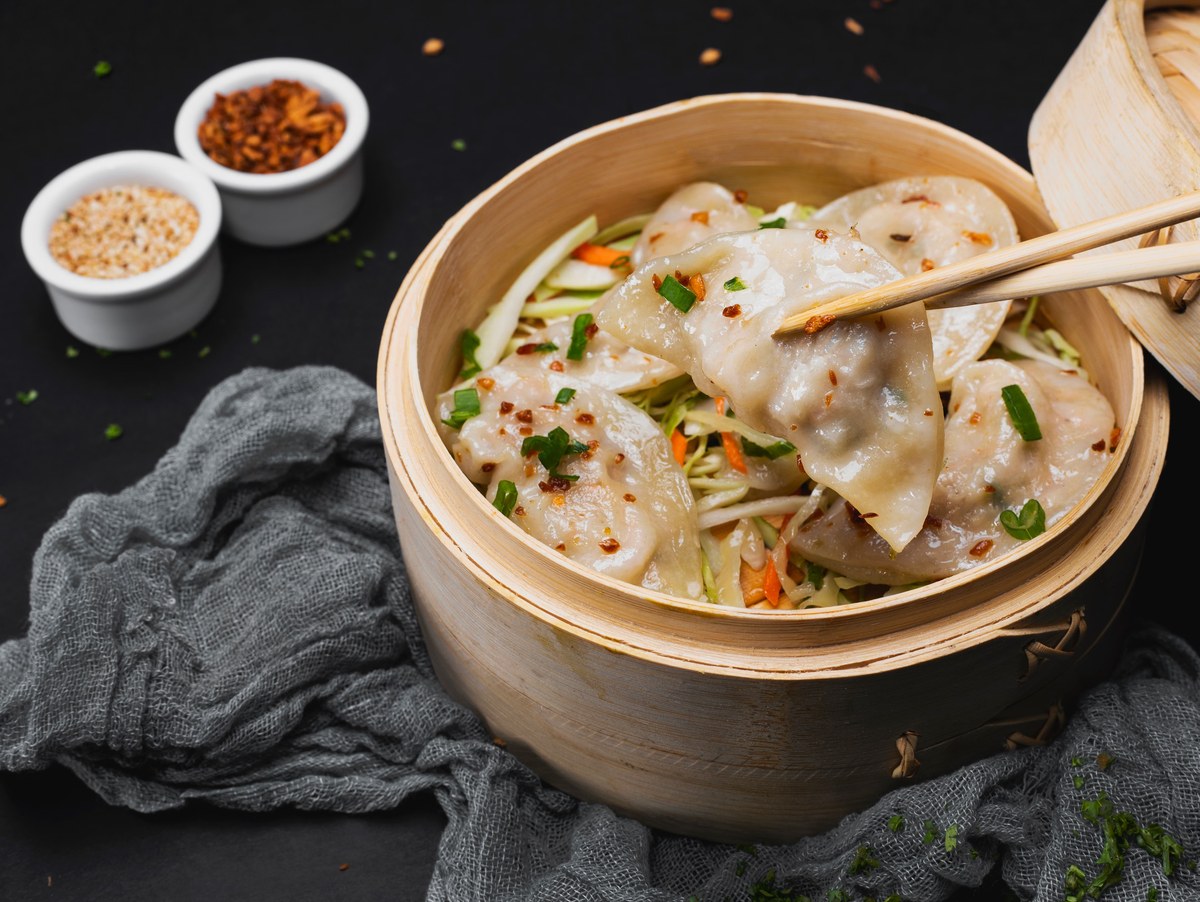
A shrimp and chive dumplings recipe focused on a springy shrimp filling, fresh Chinese chives, controlled moisture, tight wrapper seals, and cooking methods that keep the dumplings juicy without bursting.
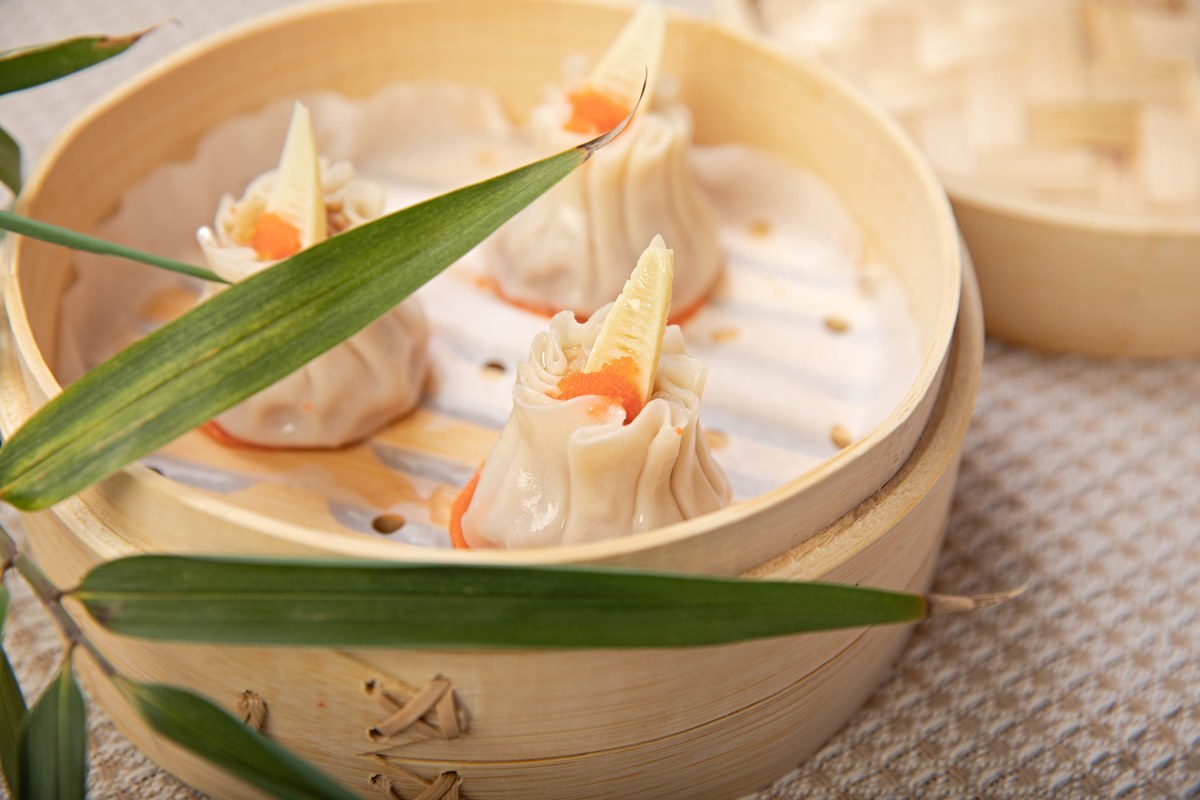
A shrimp siu mai recipe focused on open-top dim sum shape, springy shrimp-pork filling, shiitake depth, and a steaming method that keeps the wrappers tender.
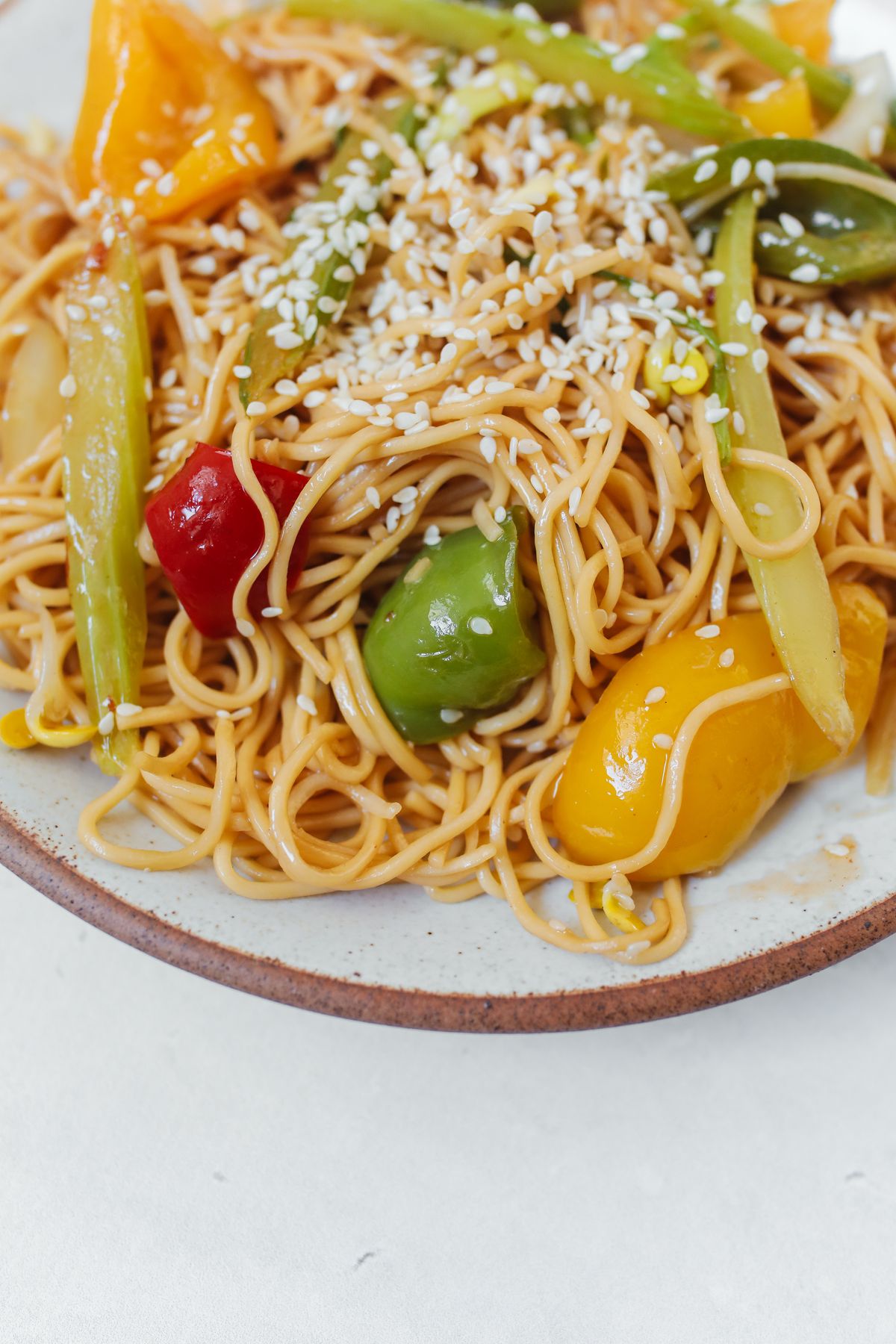
Sichuan Cold Noodle Salad should feel cool, slippery, nutty, and spicy rather than heavy. The matching image shows sauced noodles with sesame seeds, peppers, and scallion-like greens, so this page now focuses on rinsed noodles, a balanced sesame-chili dressing, and toppings added for crunch.
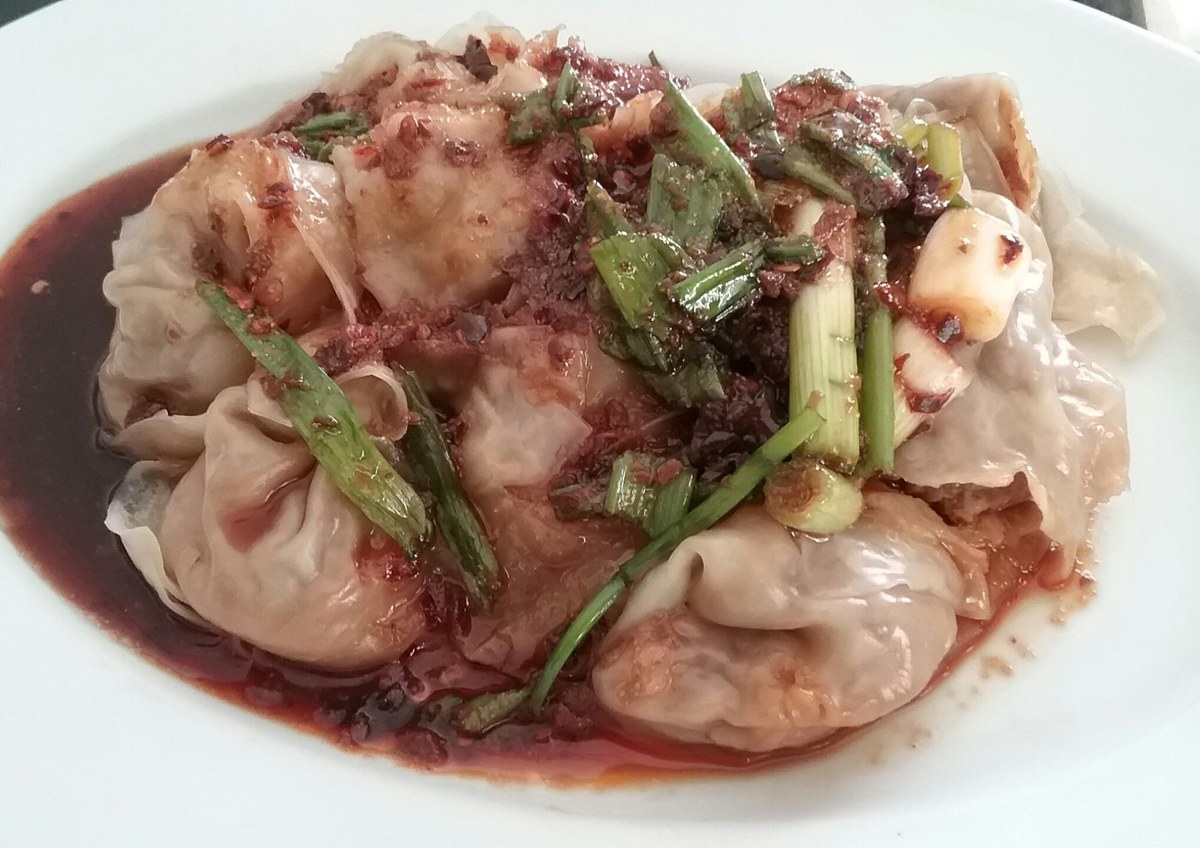
Sichuan red oil wontons are not wonton soup with chili oil poured on top. The cooked wontons should be drained, still hot, and immediately folded through a glossy dressing so the wrappers pick up chili oil, vinegar, garlic, soy, and a little sugar without turning soggy.
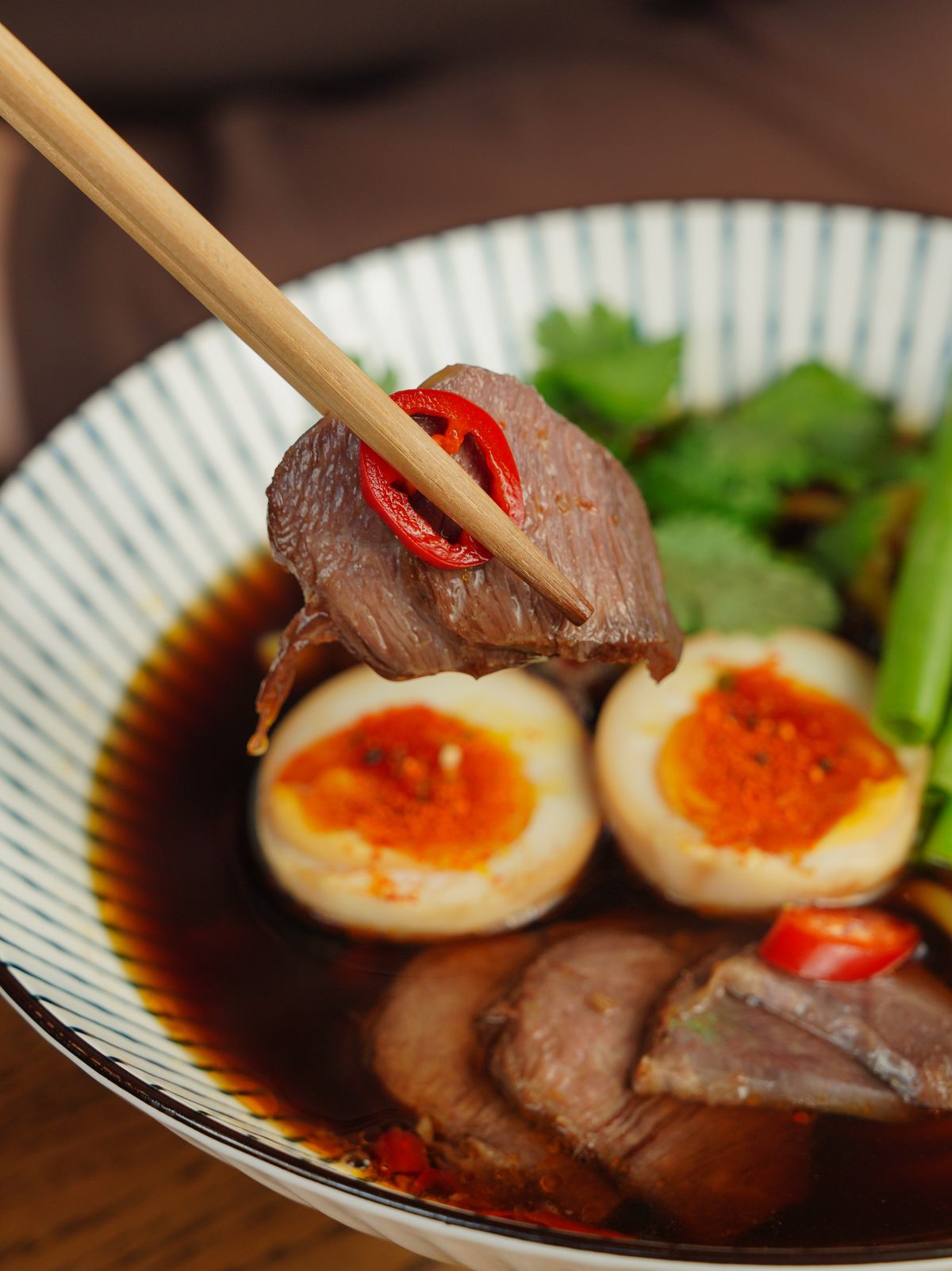
This page is rewritten around the exact beef-and-egg image instead of the old sour spicy cabbage fish soup draft. The bowl is built around tender slices of red-braised beef, soy-stained eggs, red chile, cilantro, and a dark aromatic braising liquid that tastes savory, lightly sweet, and warm with ginger.
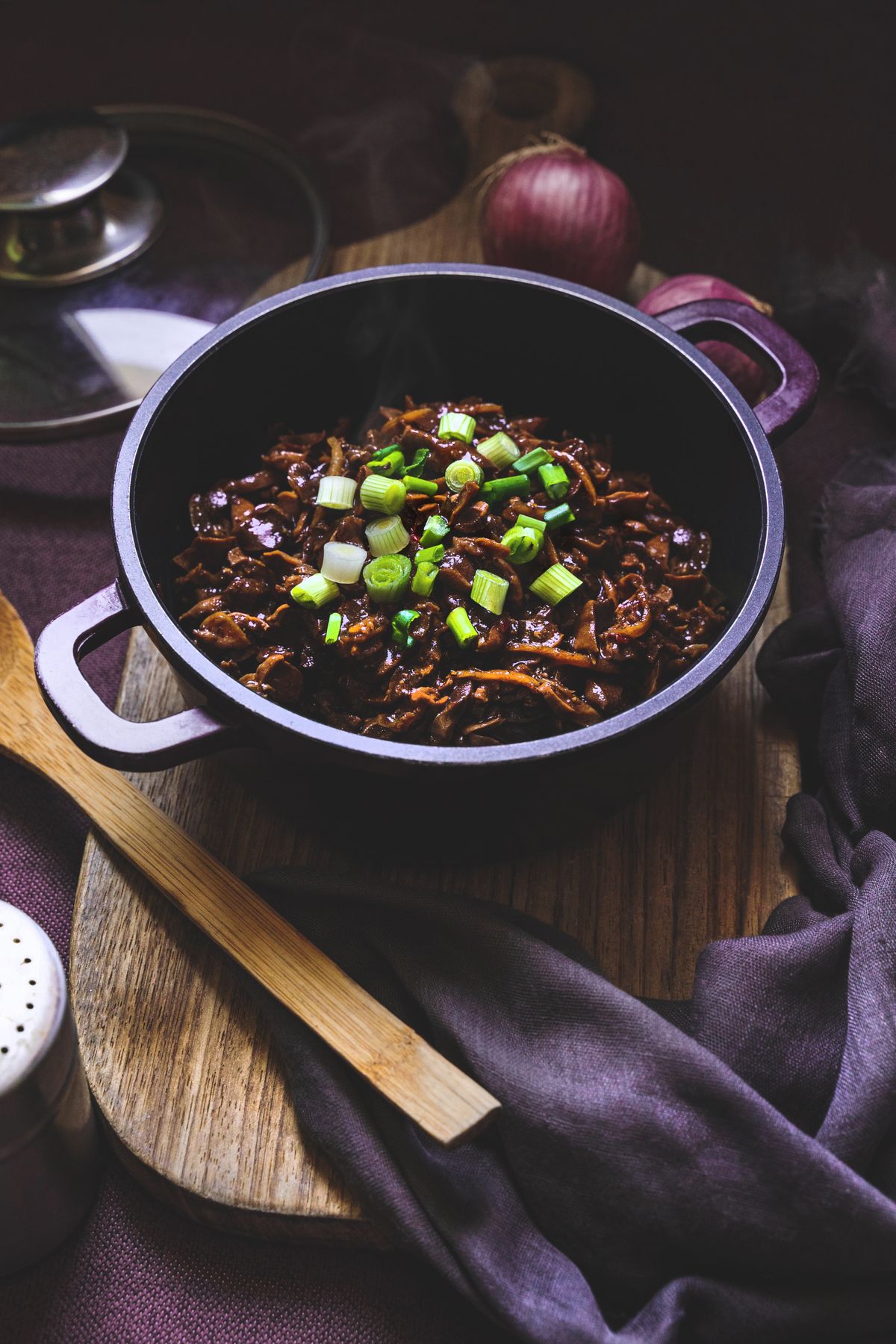
Soy-braised shredded mushrooms is the honest match for this image because the pot shows dark glossy mushroom-like strips finished with bright scallions. It does not show pale bamboo shoots. The refined recipe treats mushrooms as the main ingredient: brown them first, braise with soy and wine, then reduce until the sauce clings instead of leaving a soupy pot.
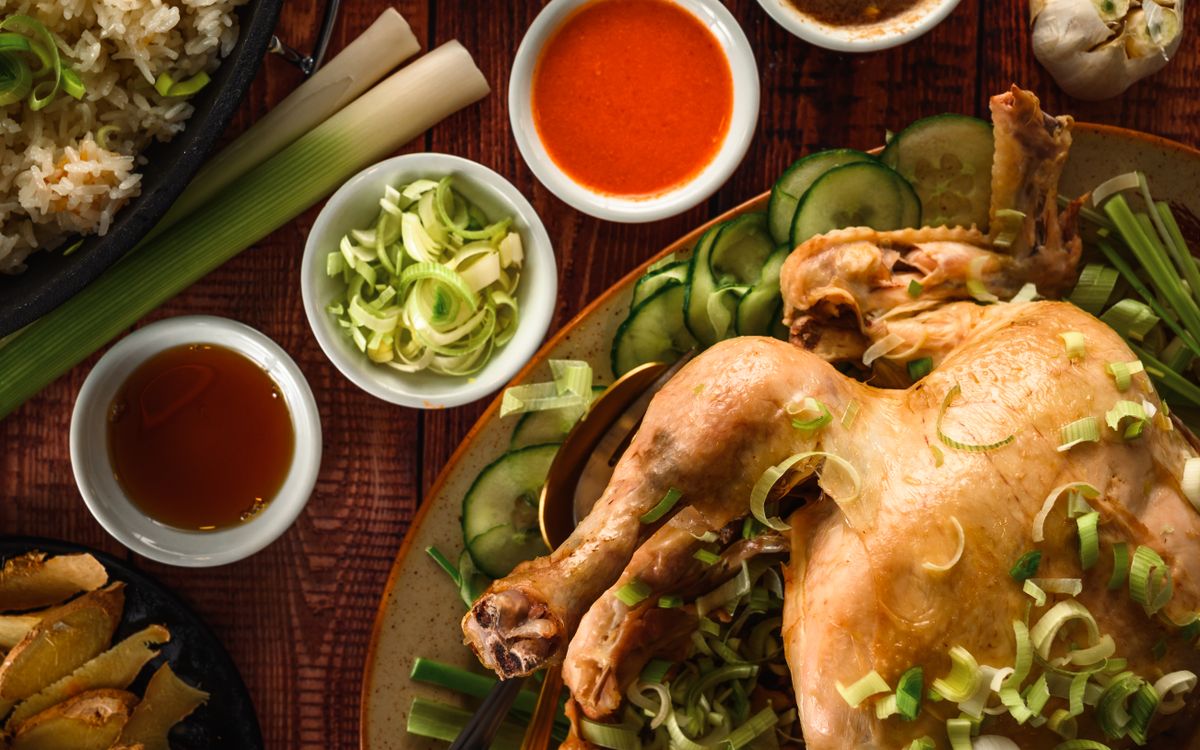
The image is not a tray of isolated drumsticks; it shows a whole or half chicken with scallions, cucumber, sauces, rice, and ginger-like pieces. The page has therefore been rewritten as soy sauce chicken with ginger scallion sauce, a better match for both the photo and the search results.
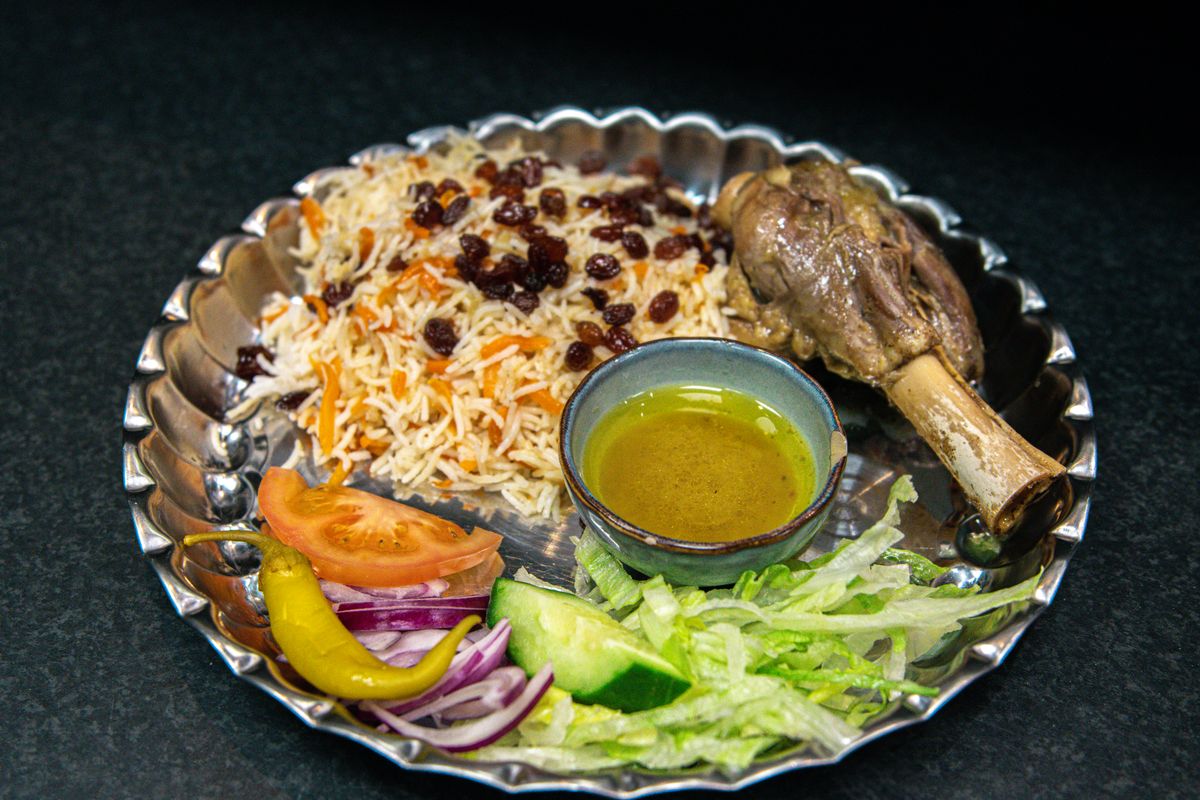
This page is rewritten around the exact lamb pilaf image instead of the old soy garlic chicken rice draft. It now teaches a Xinjiang-style lamb rice plate with cumin-scented rice, carrot sweetness, raisins, lamb, and a clean broth-to-rice ratio.
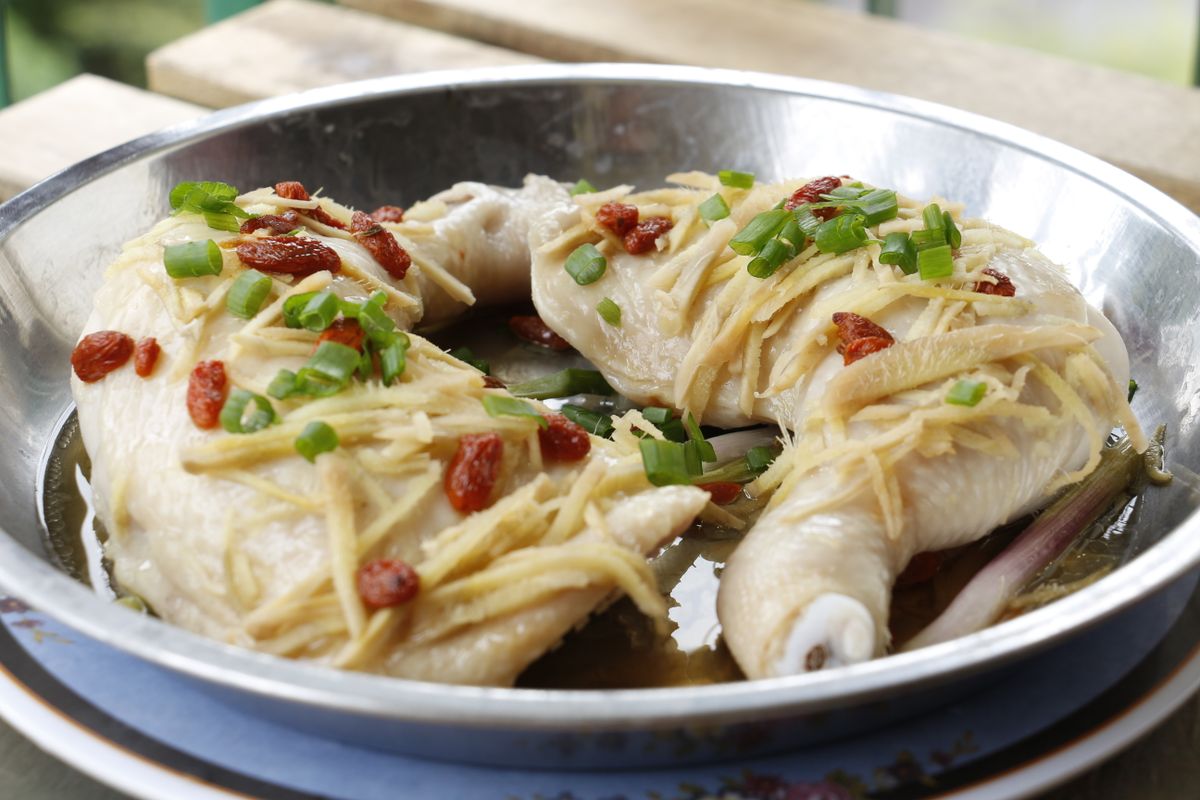
This page is rewritten around the exact steamed chicken image instead of the old soy sauce chicken wings draft. The dish is a Cantonese-leaning steamed chicken plate where ginger, scallion, goji berries, and a small amount of Shaoxing wine perfume the chicken while the bowl catches a clean, spoonable broth.
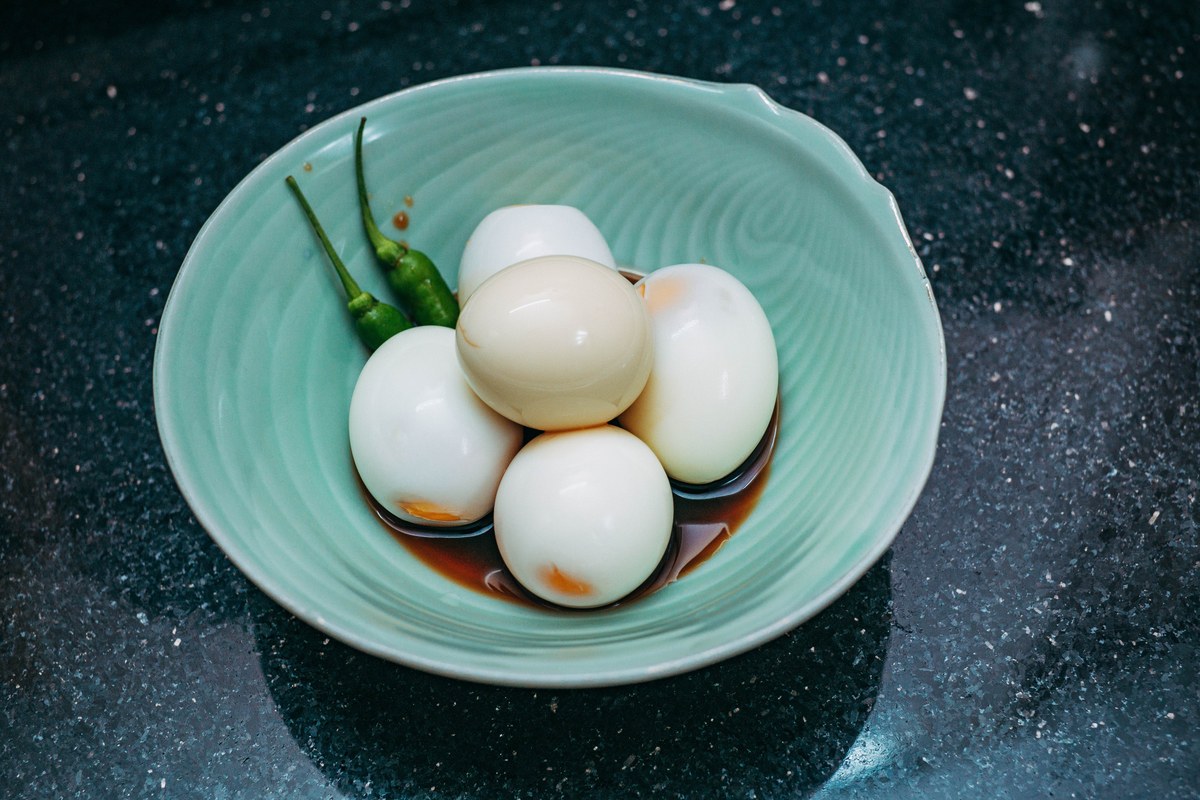
A Chinese soy sauce eggs recipe focused on clean peeling, balanced soy marinade, and make-ahead timing for rice bowls, noodle bowls, and snacks.
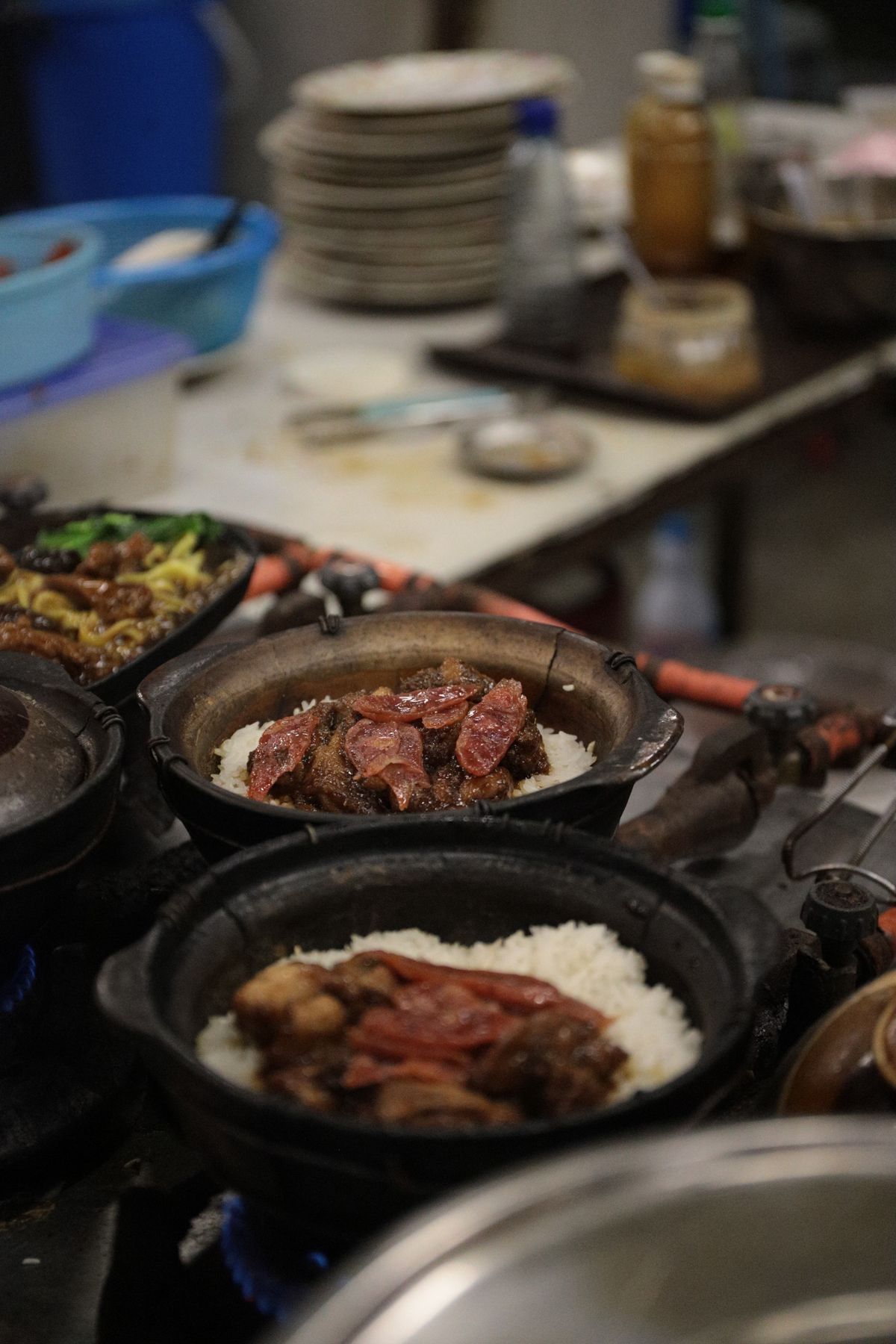
This page is rewritten around the exact clay pot rice image instead of the old spiced chicken pilaf draft. It now teaches Cantonese-style clay pot rice with lap cheong, savory meat, rice cooker or clay pot logic, and a sauce that seasons the rice without drowning the crust.
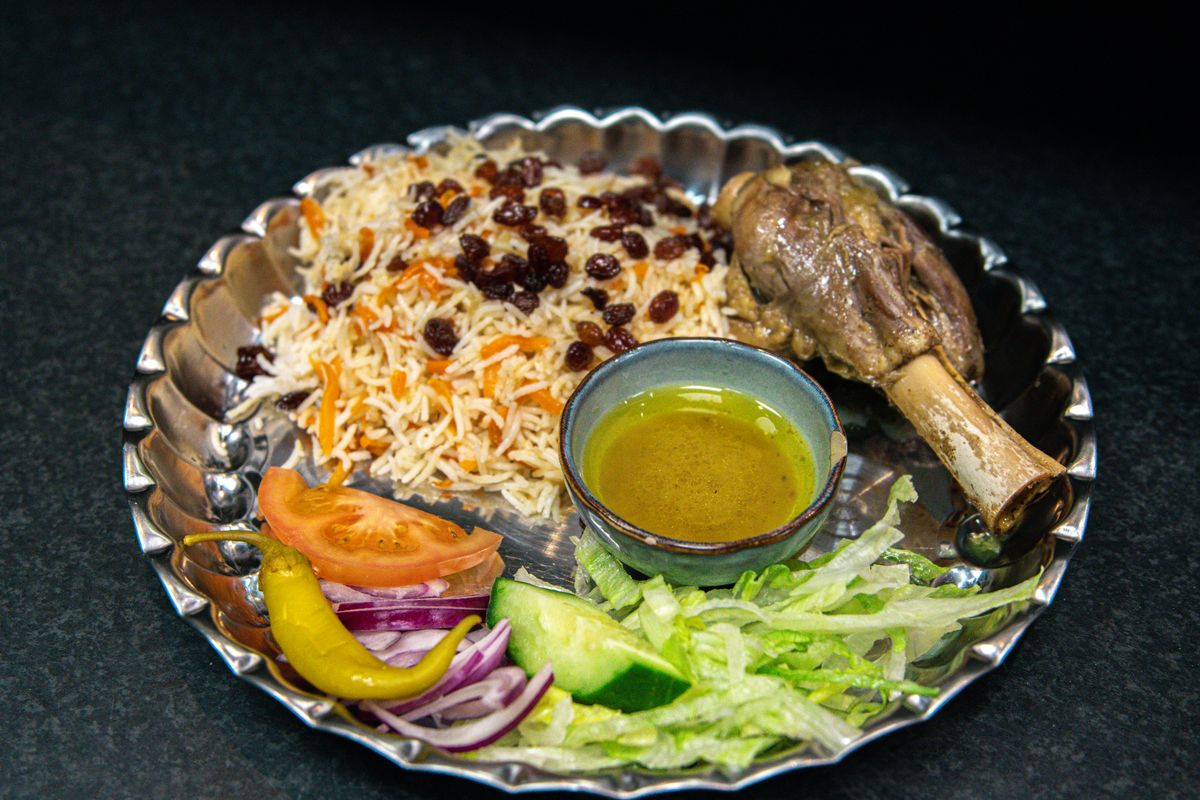
This page is rewritten around the exact lamb polo plate image instead of the old spicy mushroom fried rice draft. The recipe teaches a Xinjiang-style Uyghur pilaf plate: carrot-scented rice, tender lamb, scattered raisins, and a sharp fresh salad to keep the rich rice from tasting heavy.
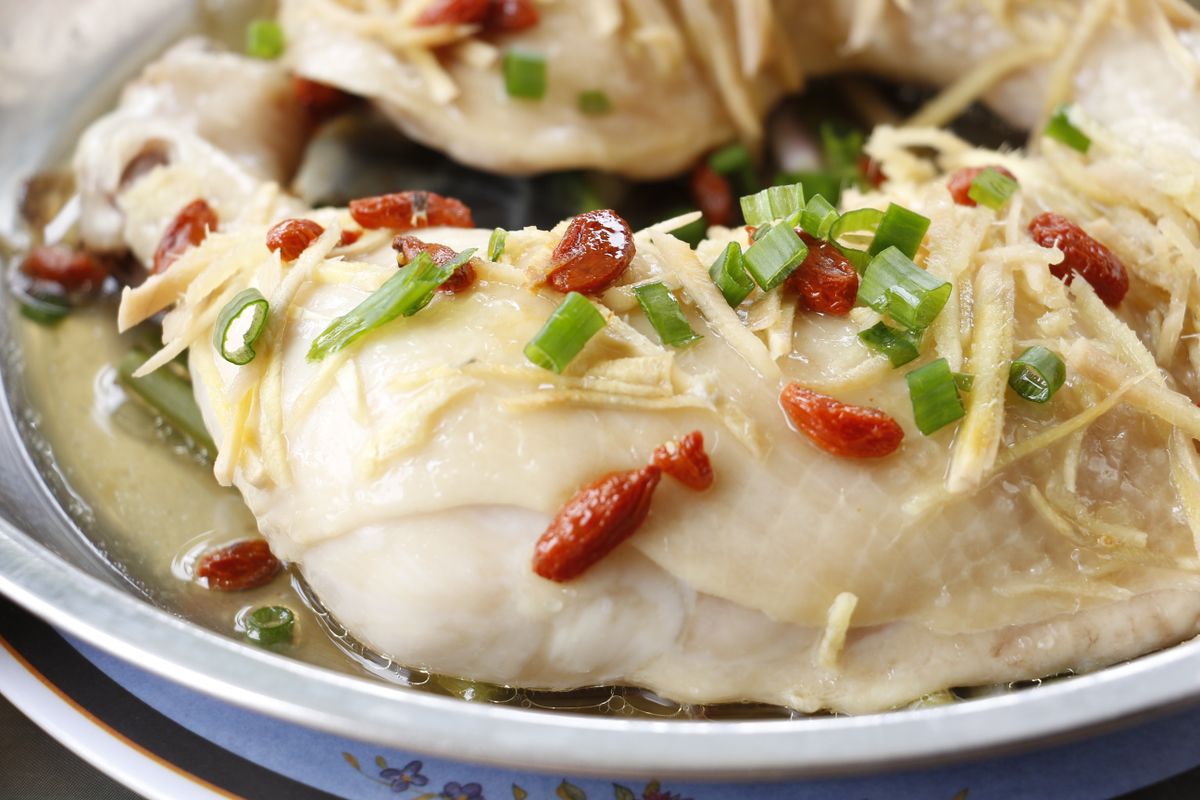
This page is rewritten around the exact steamed chicken image instead of the old shiitake draft. It now teaches tender steamed chicken with ginger threads, goji berries, scallions, light soy, Shaoxing wine, and the clear plate juices that make the dish comforting.
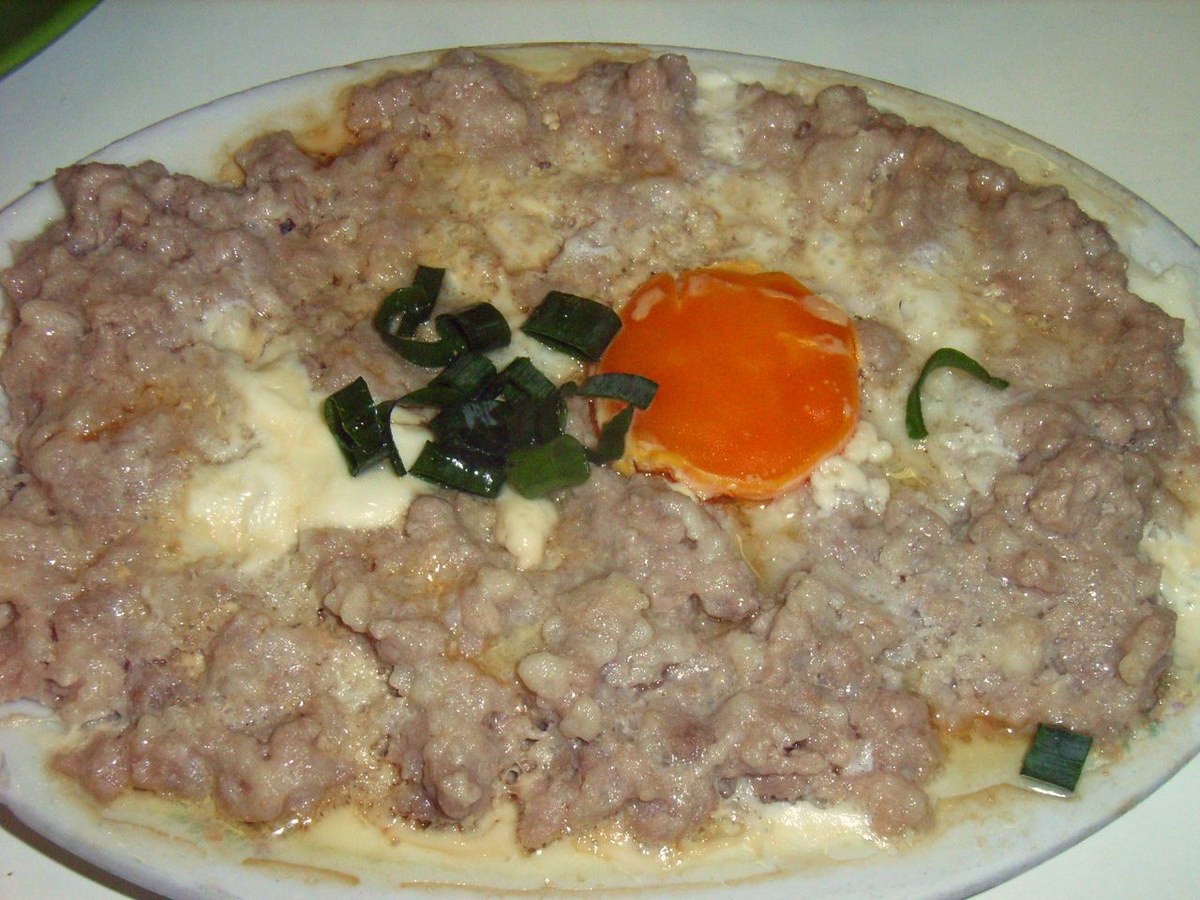
Steamed pork patty is Cantonese comfort food that depends on texture more than looks. The patty should be loose, juicy, and savory, not a dense hamburger steamed in a plate.
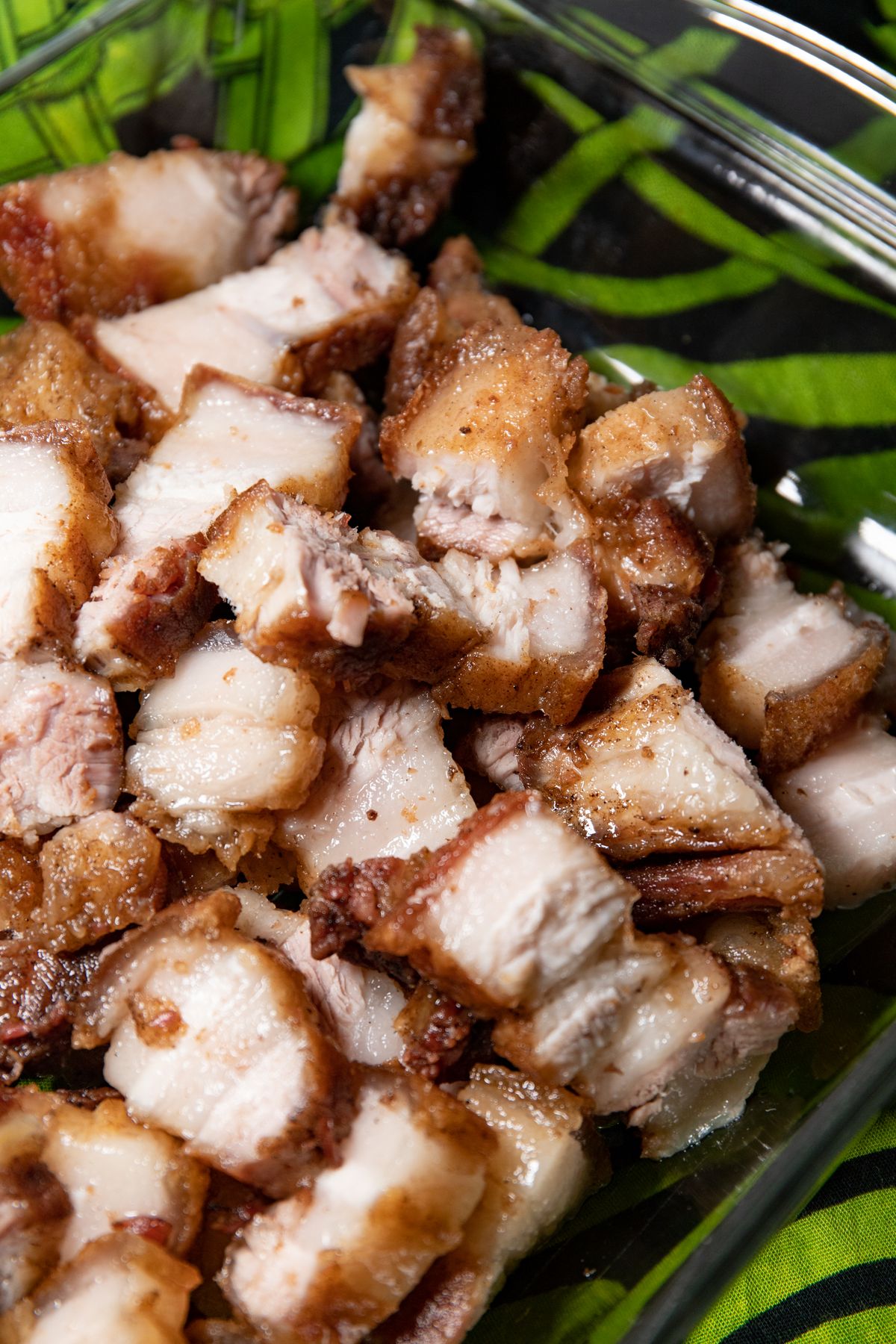
This page is rewritten around the exact crispy pork belly cube image instead of the old steamed pork with preserved greens draft. The article teaches Chinese roast pork belly logic: dry skin, five-spice seasoning on the meat side, patient roasting, a crisping finish, and clean slicing into juicy cubes.
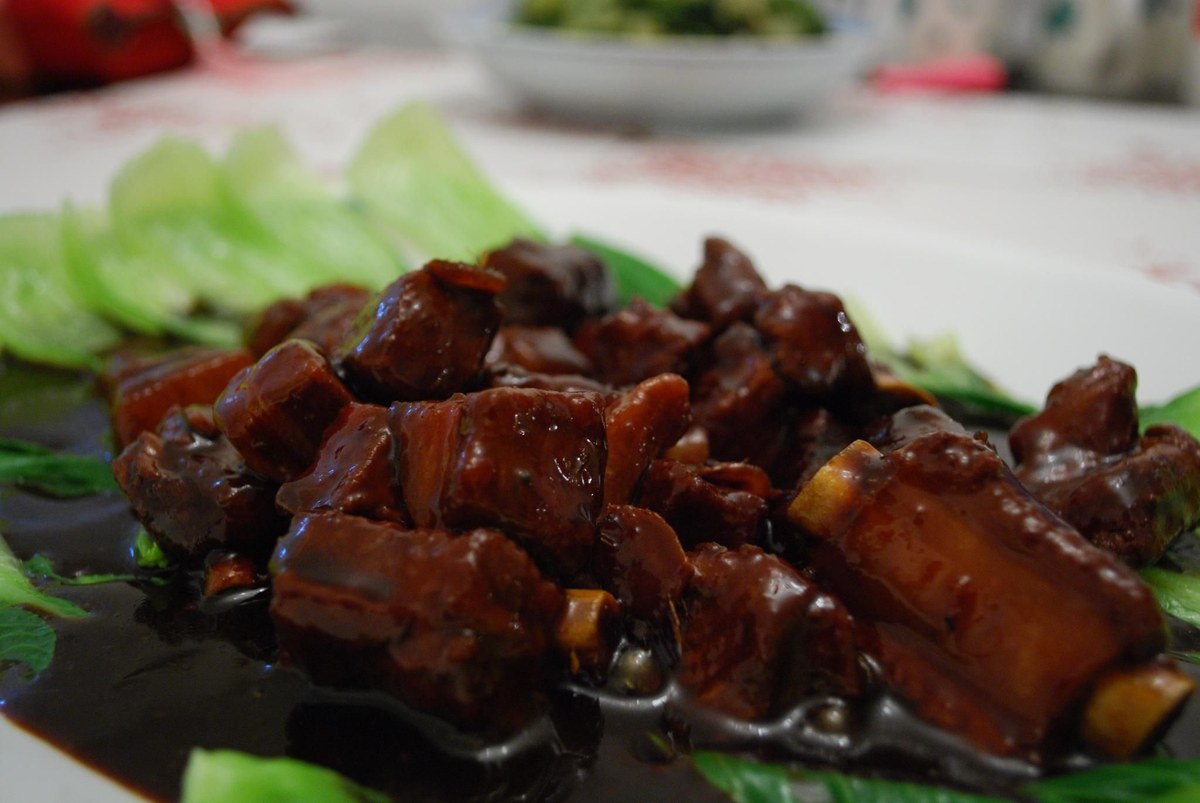
Shanghai sweet and sour spare ribs should taste glossy and balanced, not like ketchup ribs. The ribs are browned, simmered until tender, and reduced with sugar, soy sauce, Shaoxing wine, and Chinkiang vinegar so the glaze clings in a thin lacquer.
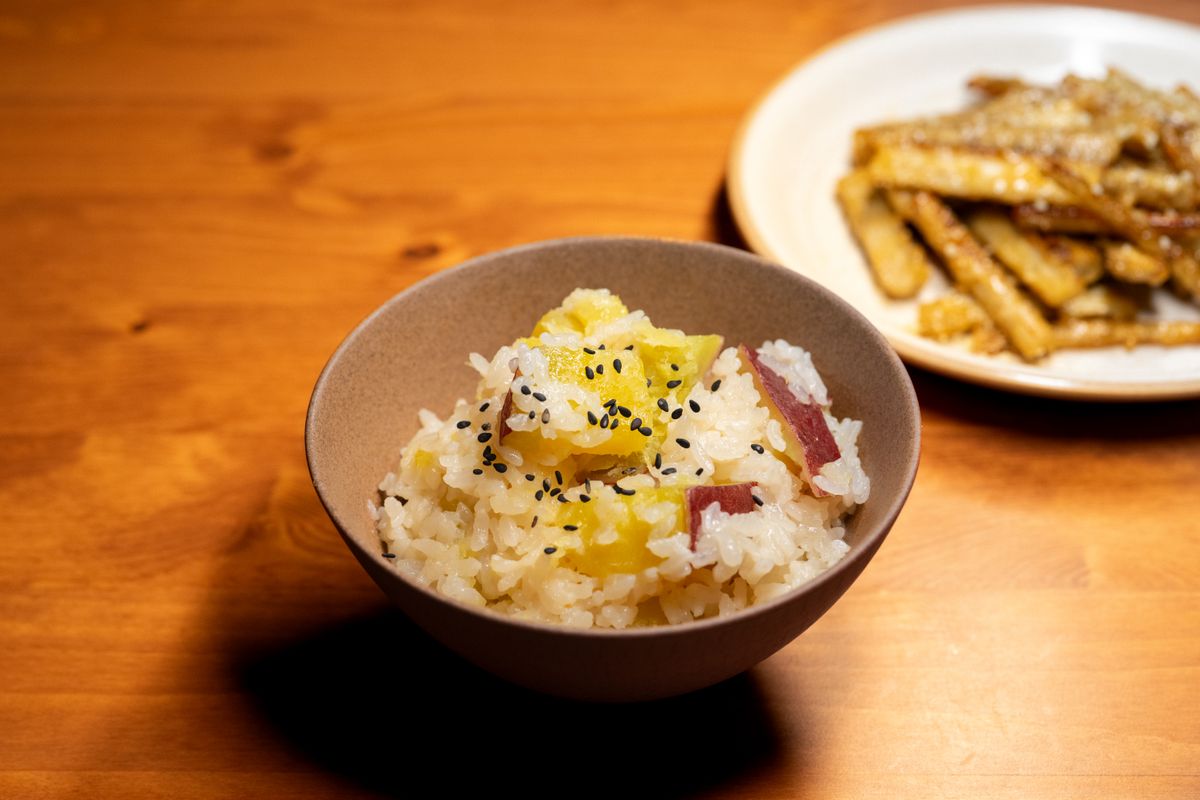
This page is rewritten around the exact sweet potato rice image instead of the old congee draft. The bowl is not porridge; it is steamed rice with tender yellow sweet potato pieces and black sesame, a simple rice-cooker style dish that tastes gently sweet and nutty.
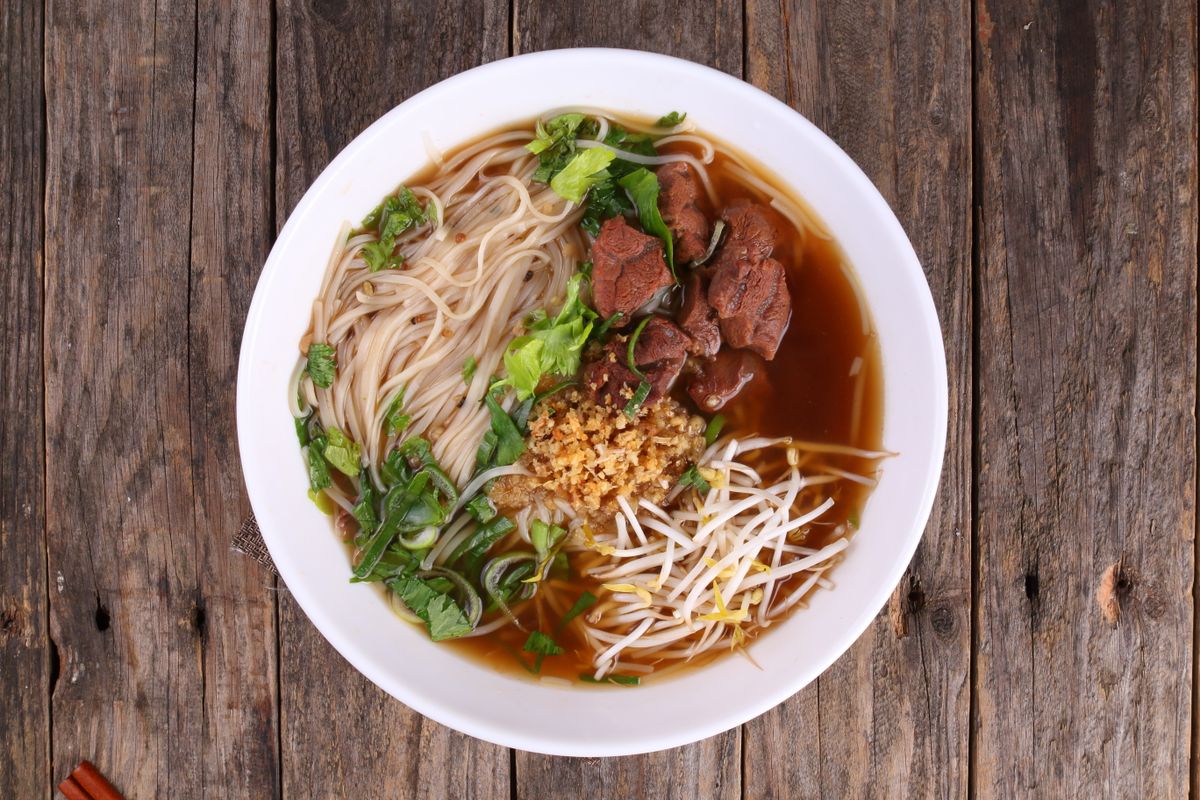
This page is now centered on the exact beef noodle soup image: a soy-braised broth, tender beef chunks, pale noodles, greens, bean sprouts, and a toasted garnish. The recipe focuses on building a red-braised soup base without making the bowl muddy or greasy.
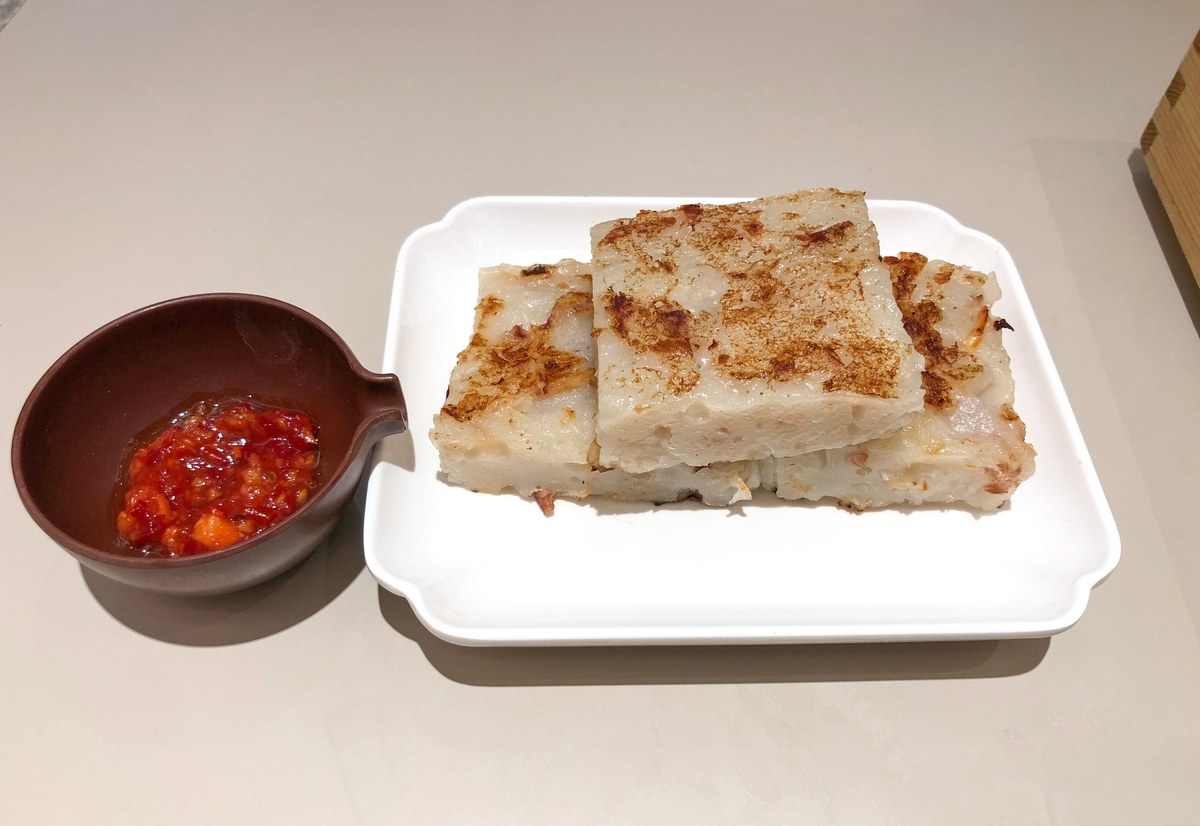
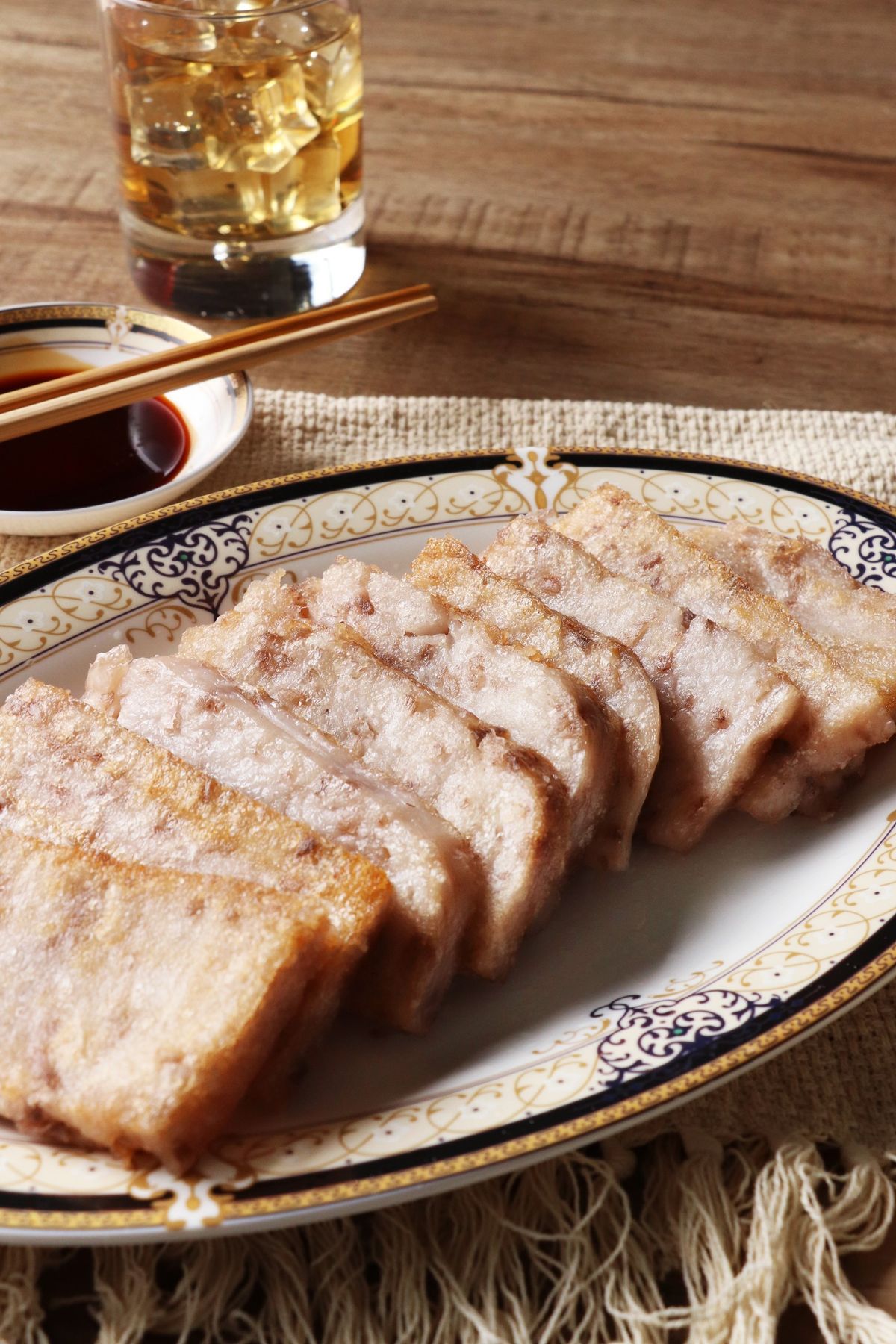
Pan-fried turnip cake is about contrast: the lo bak go needs to be chilled firm enough to slice, then fried slowly enough to form crisp golden edges while the rice-flour center turns hot and tender. Rushing the pan gives pale, sticky slabs.
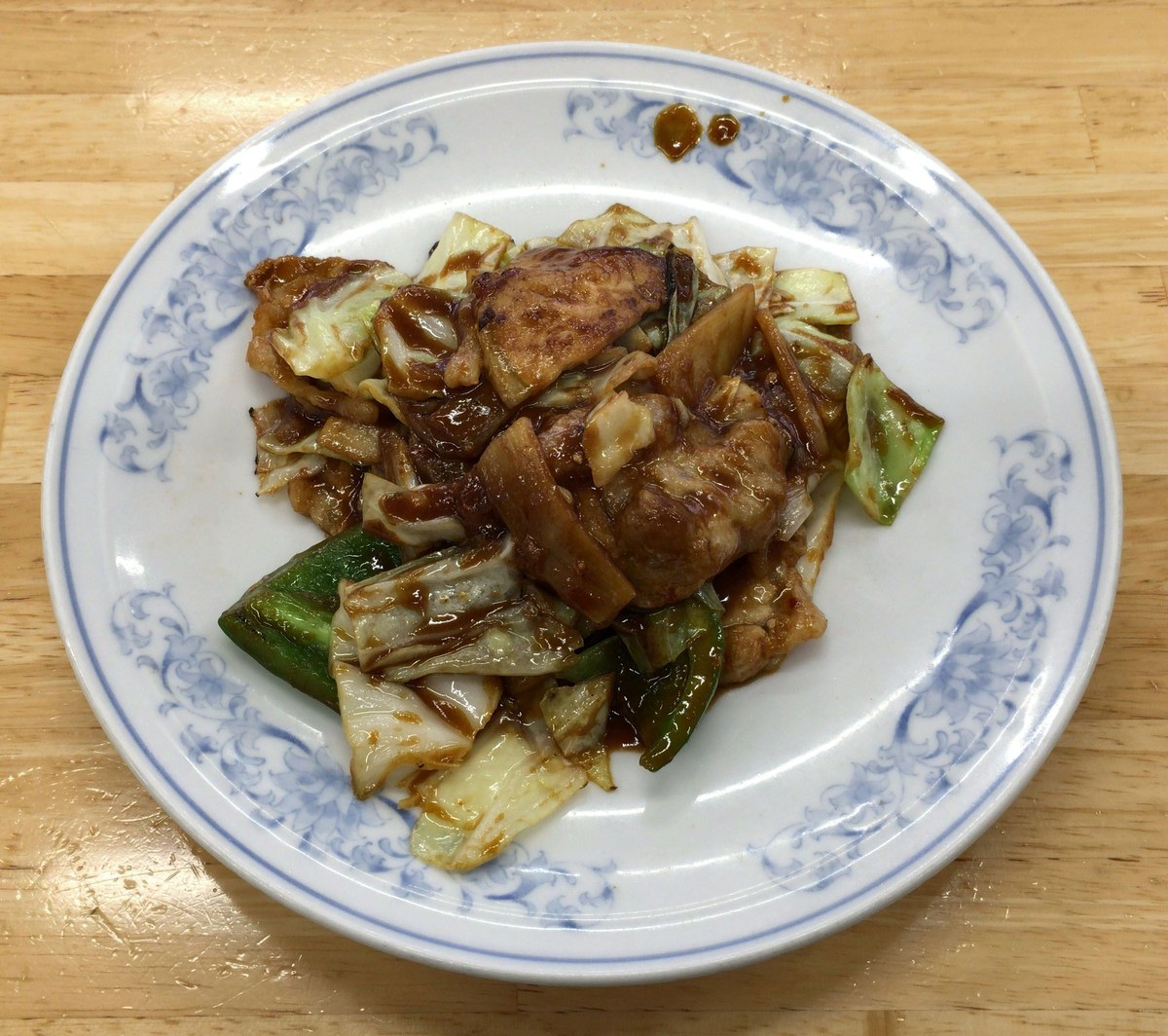
Twice-cooked pork is not just pork stir-fry with chili paste. The first cook firms the pork belly so it can be sliced thin; the second cook renders the slices until the edges curl and lets doubanjiang cling to the fat.
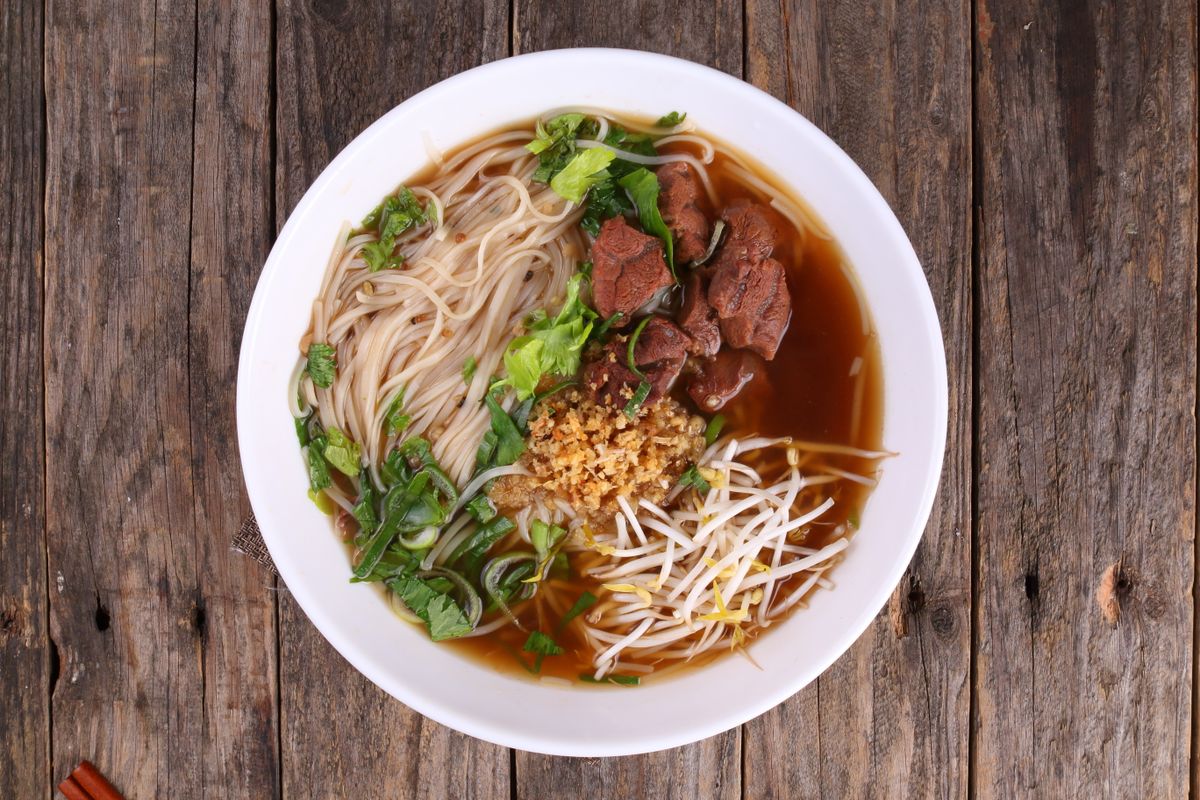
This page is rewritten around the exact beef rice noodle soup image instead of the old Uyghur-style chicken noodle soup draft. The bowl is built on tender beef pieces, thin rice noodles, bean sprouts, cilantro, scallions, and a ginger-soy broth that tastes clear but still meaty.
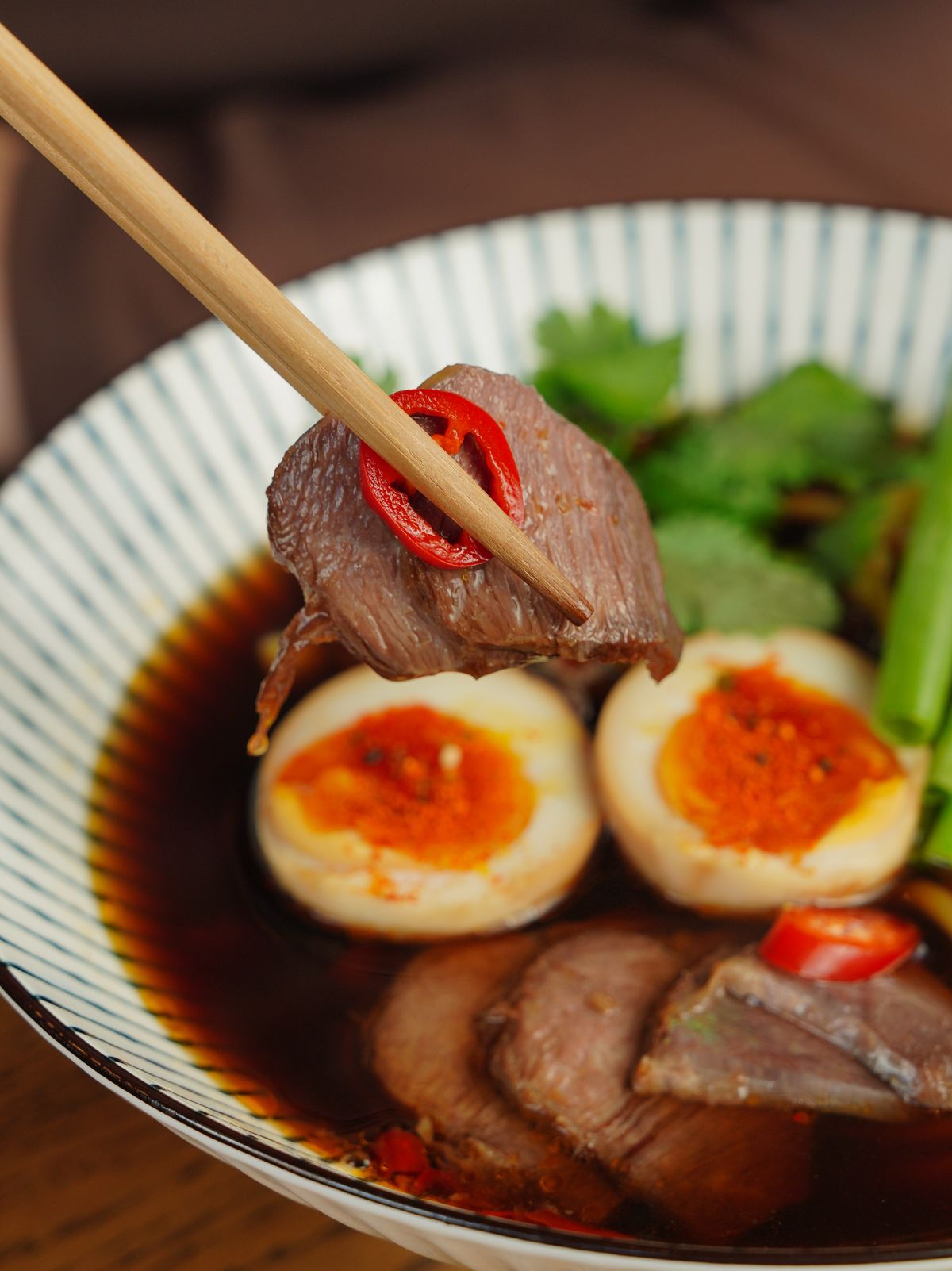
This page is rewritten around the exact bowl of sliced beef, jammy eggs, chili oil, cilantro, and dark soy broth instead of the old West Lake soup draft. The method teaches a Chinese red-braise style beef-and-egg bowl where the eggs absorb sauce and the beef stays sliceable.
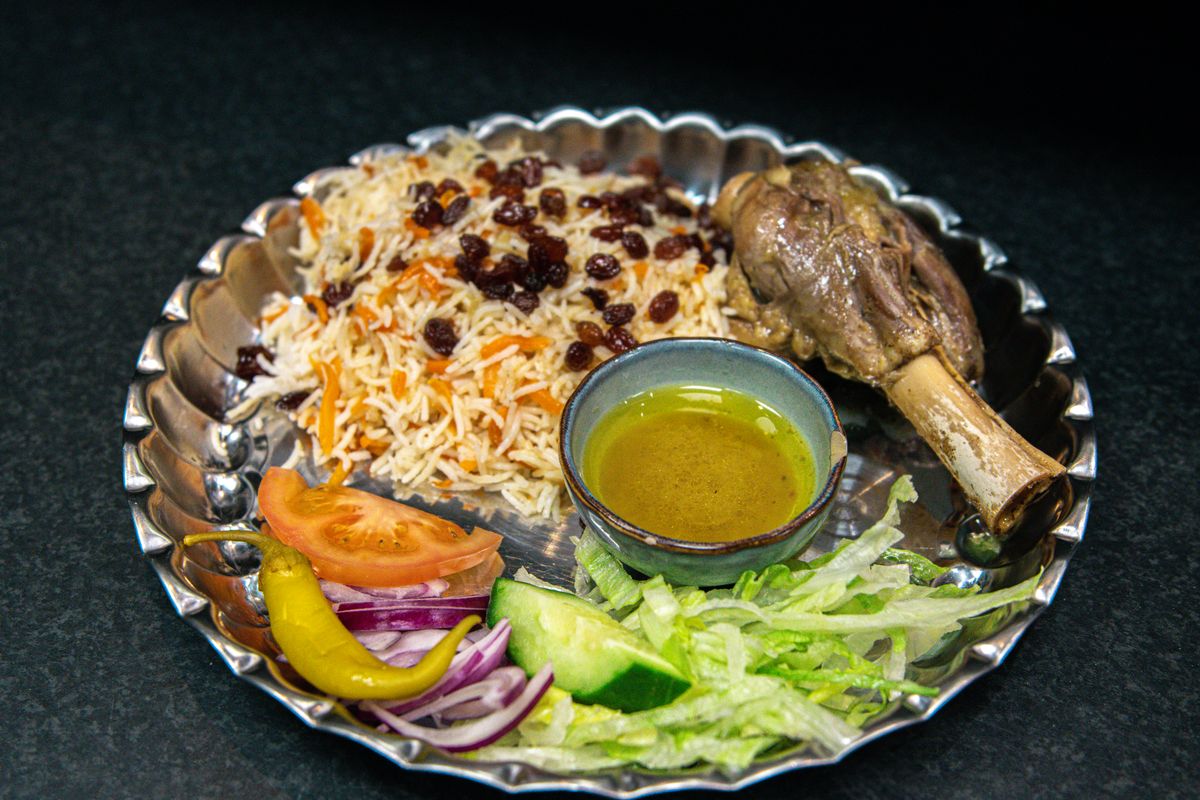
This page is rewritten around the exact platter image instead of the old wild mushroom fried rice draft. The plate is a Xinjiang-style lamb polo platter: long rice with carrots and raisins, a tender lamb shank, raw onion and cucumber salad, and a small bowl of savory cumin broth.
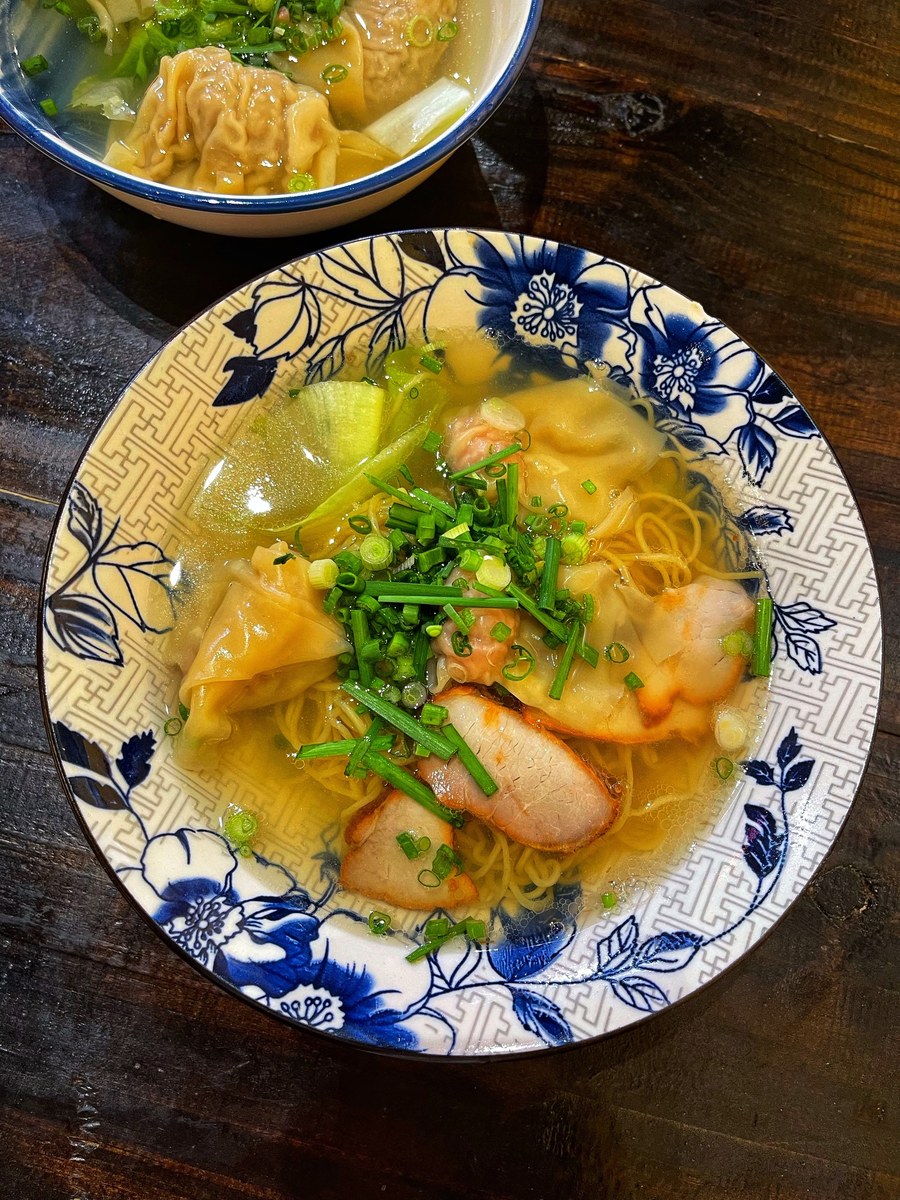
A Cantonese wonton noodle soup recipe focused on springy egg noodles, juicy wontons, clear seasoned broth, and assembly timing so the bowl does not turn soggy.
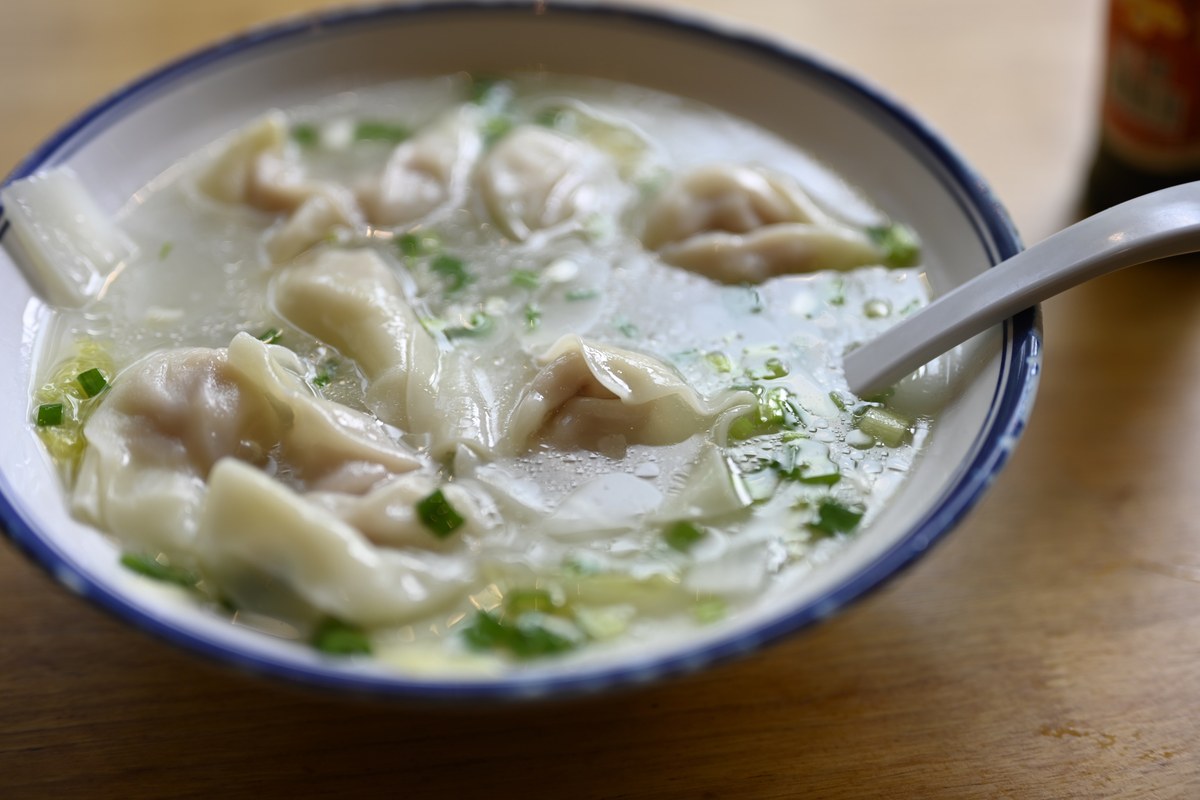
A Chinese wonton soup recipe focused on tacky pork-shrimp filling, thin wrappers, clear broth, and gentle cooking so each wonton stays juicy and intact.
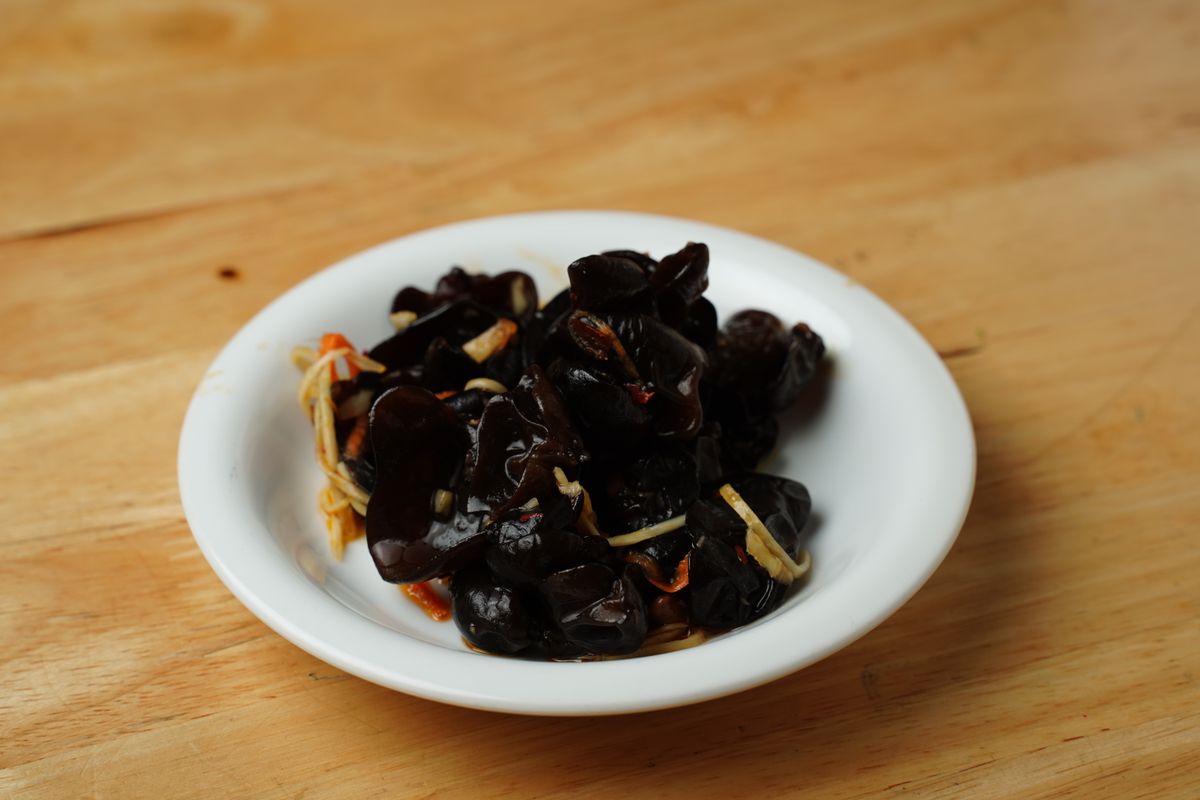
This page is rewritten around the exact wood ear mushroom image instead of the old cucumber-onion draft. The dish is a cold Chinese salad built on springy wood ear texture, black vinegar, raw garlic, chili oil, and a short rest in the dressing.
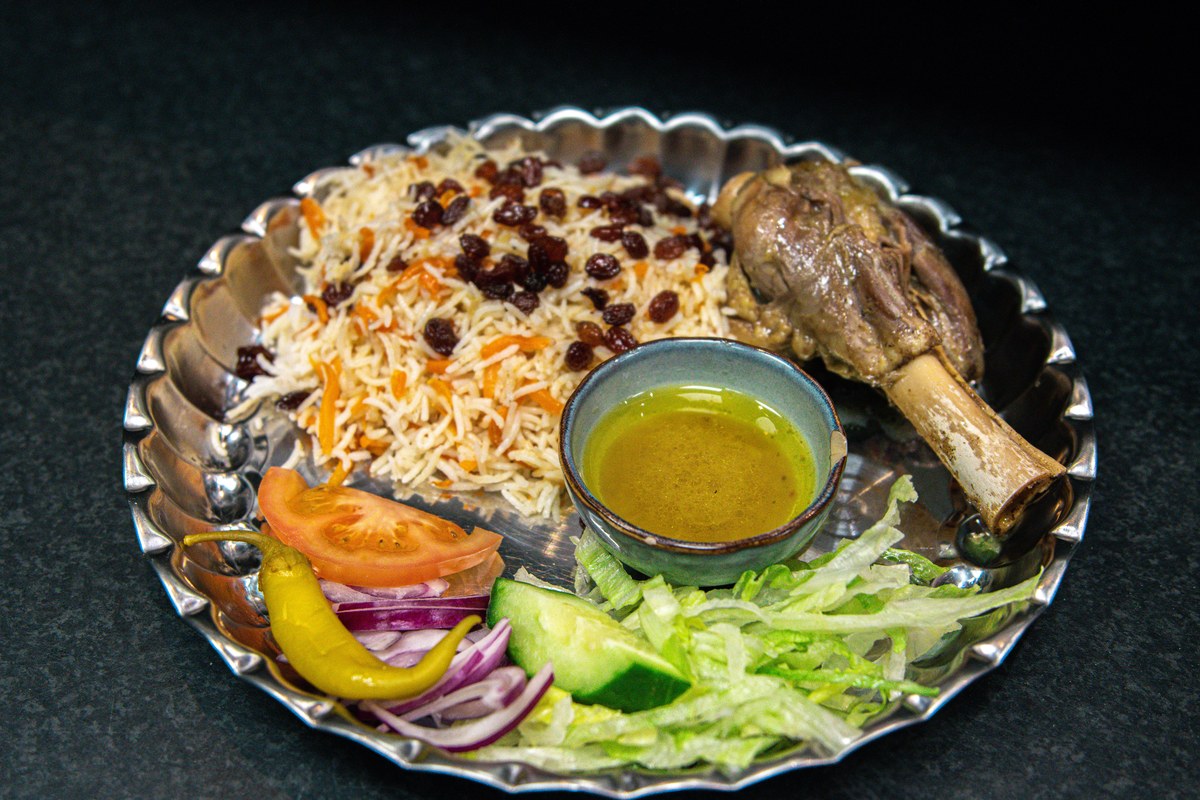
A Xinjiang pilaf recipe focused on lamb, carrots, onion, cumin, and rice that steams into separate grains instead of turning into fried rice or wet porridge.
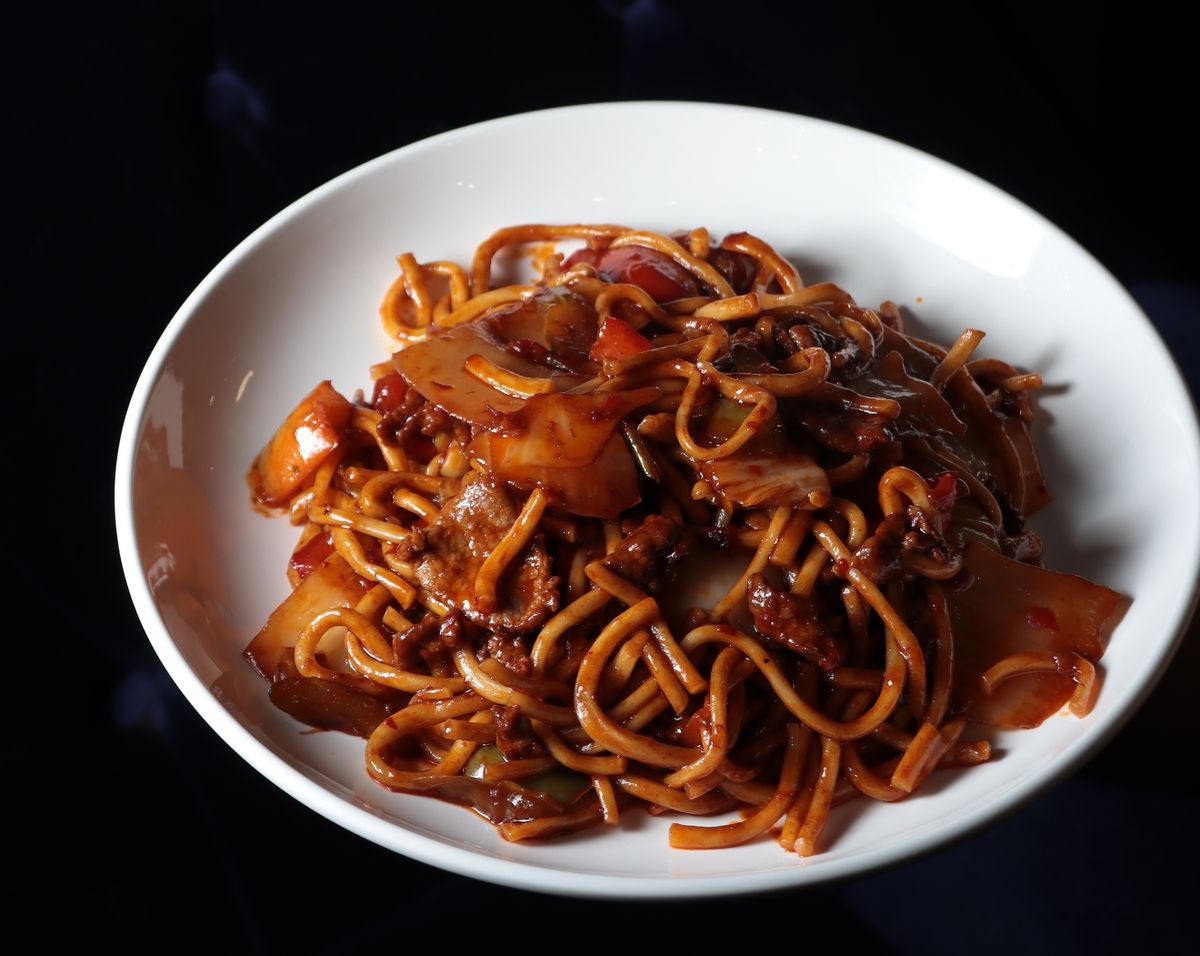
Yunnan Cold Rice Noodle Salad is useful only if the rice noodles stay bouncy and the sauce tastes layered: salty, sour, lightly sweet, spicy, and aromatic. The image shows wide dark-sauced noodles with small toppings, so this version focuses on a sauce-heavy liang mixian style rather than a pale cucumber salad.
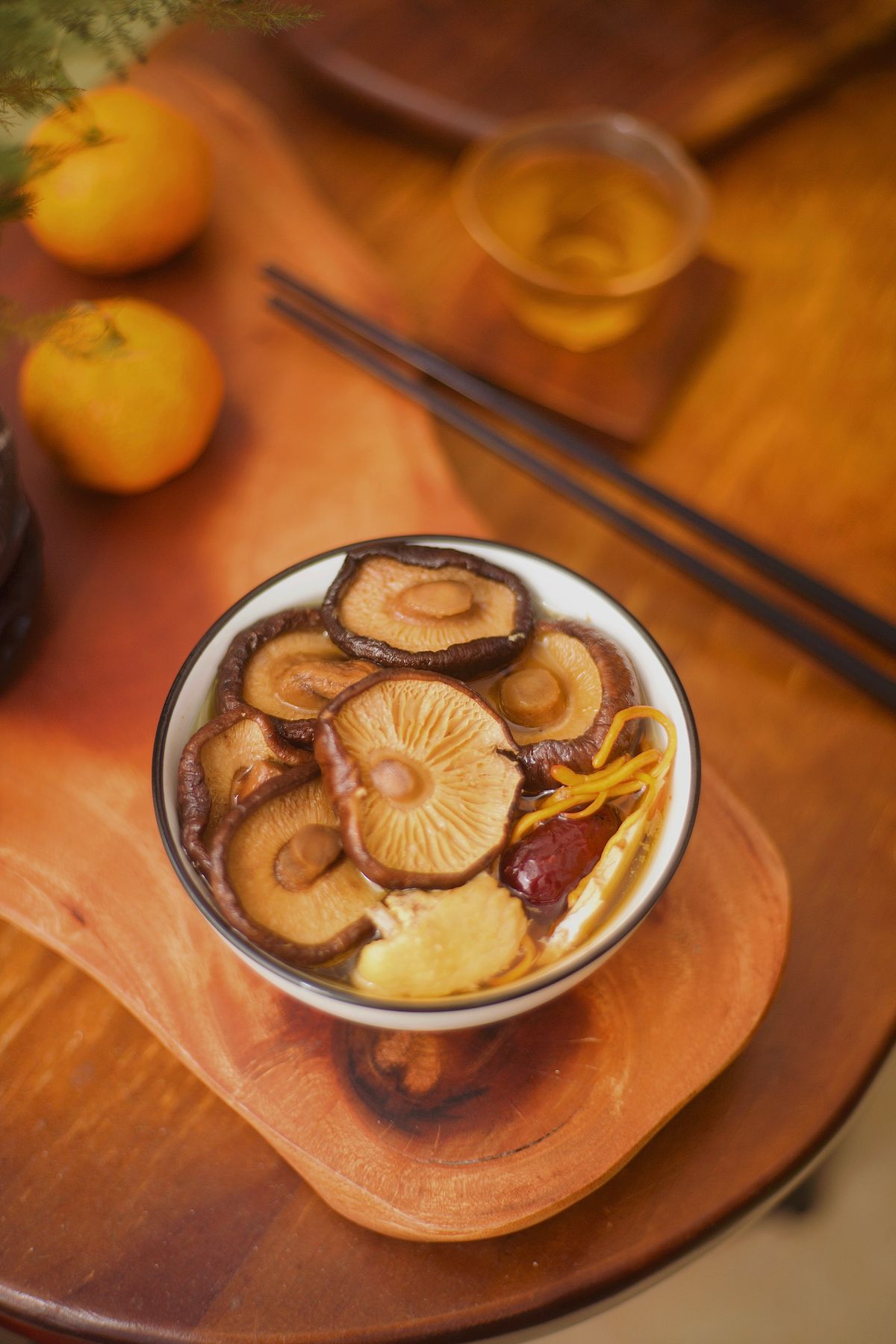
This page is rewritten around the exact mushroom soup image instead of the old Yunnan mushroom egg soup draft. The bowl shows whole shiitake mushrooms, red dates, ginger, and pale chicken in a clear nourishing broth rather than eggs.
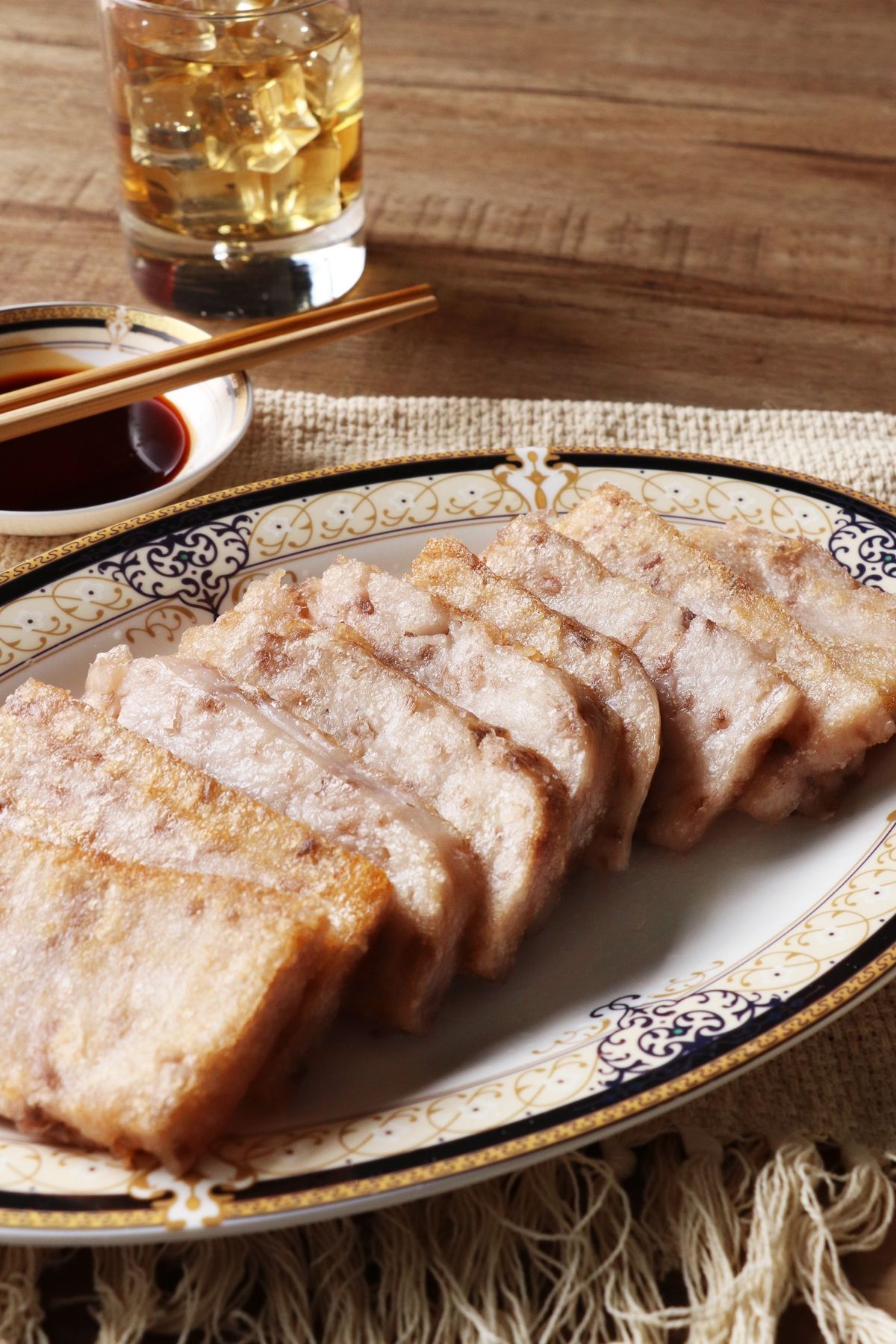
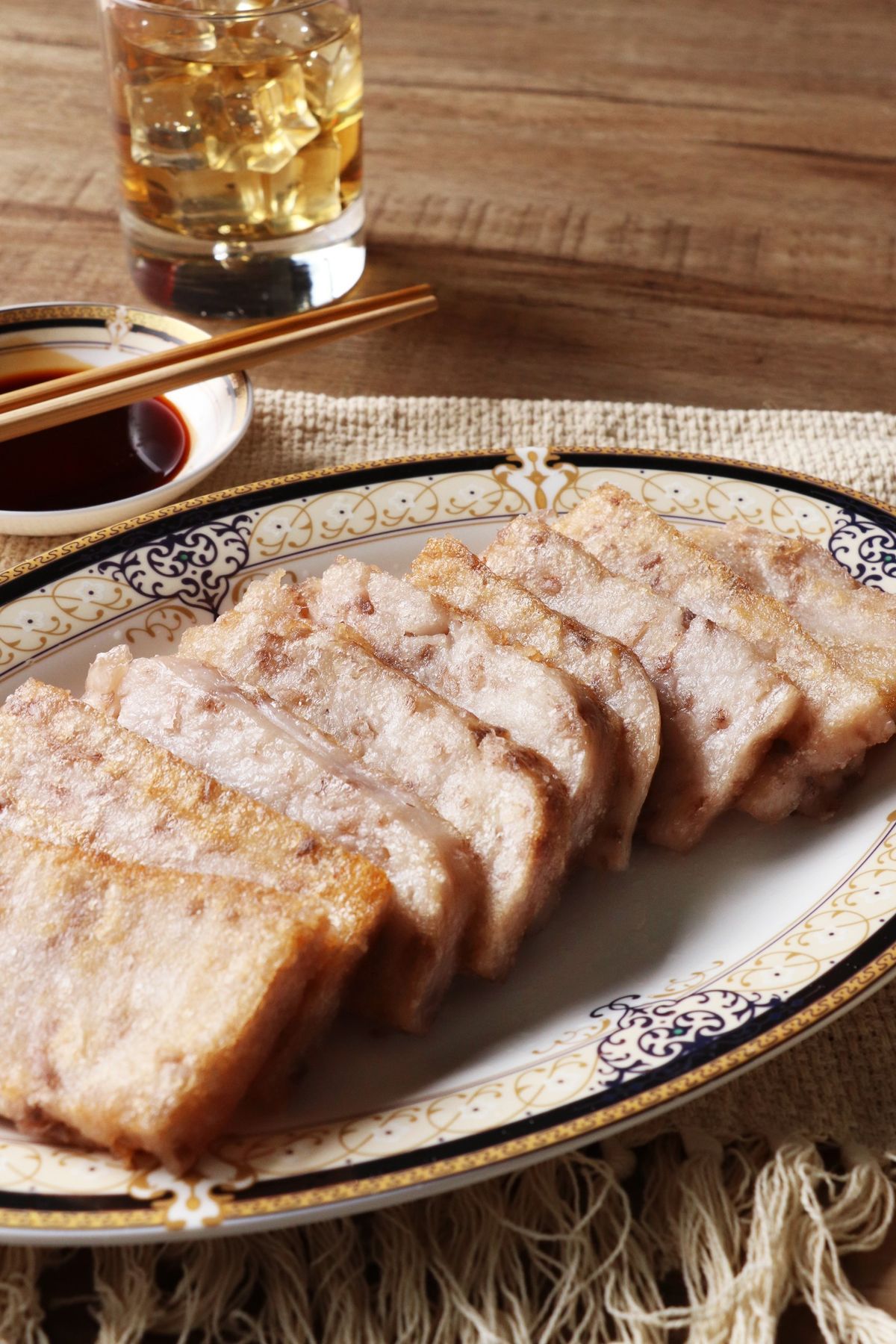
This page is rewritten around the exact sliced cake image instead of the old Yunnan potato pancake draft. The platter looks like Chinese taro cake slices: a steamed rice-flour and taro cake chilled until firm, sliced thick, pan-fried until the edges crisp, and served with a small dish of soy sauce.
Cook with context
The everyday salty soy sauce used for seasoning, not the same as dark soy sauce.
A dark rice vinegar with malt-like depth, used in dressings, dipping sauces, and sweet-sour balances.
An earthy spice used in Xinjiang-style lamb, noodles, and dry stir-fries.
A fragrant oil that carries chili heat, toasted spice, and color into noodles, cold dishes, and dumpling sauces.
A deeper soy sauce used mostly for color, gloss, and a rounded caramel note rather than salt alone.
A Chinese rice wine used to reduce raw aromas and add gentle complexity.
A practical home method for clear broth, gentle simmering, and final seasoning.
How soy sauce, wine, sugar, and time create a glossy savory-sweet braise.
How to keep rice separate, hot, and lightly seasoned instead of wet or clumpy.
A controlled steaming workflow for eggs, fish, pork patties, and buns.
A staged workflow for making barbecue pork filling and steaming soft buns.
How to cook noodles so they stay springy for soup, sauce, and stir-fry recipes.
Collection depth
Chinese Make-Ahead Recipes gathers recipes around a practical cooking intent. Use this collection when you want freezer-friendly, batch-friendly, or next-day Chinese recipes.
Use the collection by choosing a constraint first: time, ingredient, method, diet, or comfort level. Then compare recipes by what can go wrong. A fast stir-fry needs prep finished before heat starts, while a braise may be slower but more forgiving once the pot is simmering.
Representative dishes include Beef Noodle Soup, Chinese Beef and Potato Braise, Beijing Zha Jiang Mian, Yellow Braised Chicken with Garlic, and Shanghai Braised Gluten with Peanuts. They are grouped together because they answer a similar user need, but they still differ in heat level, texture, prep style, and how much pantry knowledge they require.
The pantry links are Light Soy Sauce, Chinkiang Vinegar, Cumin, Chili Oil, Dark Soy Sauce, and Shaoxing Wine. These pages help a reader decide whether a recipe is practical tonight or needs a shopping trip. They also keep substitutions grounded in flavor role instead of guesswork.
The technique links are Chinese Soup Base, Chinese Red Braise, Fried Rice Texture, Gentle Steaming, Roast and Steam Buns, and Noodle Boiling and Rinsing. Read those when a recipe seems simple but depends on texture. Many Chinese home recipes are short on paper because the technique carries the difficulty.
Use Chinese Make-Ahead Recipes as a practical cooking guide rather than a decoration around a recipe list. Read the opening idea, then scan the linked recipes for timing, heat level, texture, and pantry overlap. That order helps a home cook decide what to make before shopping, while still giving enough context for search visitors who landed on the page with a specific question. The collection is meant to help readers choose a dish and then move into the supporting recipe, pantry, and technique pages.
Chinese Make-Ahead Recipes also works as an internal map for the site. The recipes, pantry notes, and technique links are intentionally connected so a reader can move from a broad question into a concrete dish, then back into a supporting skill or ingredient explanation. That pattern builds useful internal links without forcing the same paragraph onto every page. The collection is meant to help readers choose a dish and then move into the supporting recipe, pantry, and technique pages.
For cooking decisions, the most important detail is not only the name of the dish. A reader needs to know what texture to expect, what ingredient carries the flavor, which step is fragile, and what can be prepared ahead. This page keeps those decisions close to the recipes so the user does not need to open ten tabs before starting dinner. The collection is meant to help readers choose a dish and then move into the supporting recipe, pantry, and technique pages.
The page is written for English-speaking home cooks using ordinary pans, grocery-store ingredients, and a mixed pantry. It avoids assuming a restaurant wok burner, a full Chinese pantry, or previous knowledge of regional cooking terms. When a linked recipe needs a special paste, sauce, starch, or folding method, the surrounding notes explain why that element matters. The collection is meant to help readers choose a dish and then move into the supporting recipe, pantry, and technique pages.
If you are comparing options, start with the dishes that share ingredients you already own. Then check the method and total cooking time. A short recipe can still fail if the heat sequence is wrong, and a longer recipe can be easy if the work is mostly simmering, steaming, resting, or cooling. The collection is meant to help readers choose a dish and then move into the supporting recipe, pantry, and technique pages.
For meal planning, keep one anchor dish and one supporting dish. Pair a bold sauce with plain rice, a crisp stir-fry with a soup, or a rich braise with a cold vegetable plate. That approach keeps the table balanced and makes the cooking session feel organized instead of crowded. The collection is meant to help readers choose a dish and then move into the supporting recipe, pantry, and technique pages.
For SEO and reader trust, the page should answer the obvious question in plain language, then give enough detail to prove the answer is usable. That means naming the dishes, showing the relevant techniques, explaining pantry substitutions, and warning about texture or food safety when a recipe depends on those choices. The collection is meant to help readers choose a dish and then move into the supporting recipe, pantry, and technique pages.
The repeated theme is cue-based cooking. Timers help, but visible changes matter more: oil color, sauce thickness, steam strength, noodle spring, dumpling edges, vegetable brightness, and whether a protein is cooked through. Those cues make the page useful even when the reader changes brands, pan size, or serving count. The collection is meant to help readers choose a dish and then move into the supporting recipe, pantry, and technique pages.
Use Chinese Make-Ahead Recipes as a practical cooking guide rather than a decoration around a recipe list. Read the opening idea, then scan the linked recipes for timing, heat level, texture, and pantry overlap. That order helps a home cook decide what to make before shopping, while still giving enough context for search visitors who landed on the page with a specific question. The collection is meant to help readers choose a dish and then move into the supporting recipe, pantry, and technique pages.
Chinese Make-Ahead Recipes also works as an internal map for the site. The recipes, pantry notes, and technique links are intentionally connected so a reader can move from a broad question into a concrete dish, then back into a supporting skill or ingredient explanation. That pattern builds useful internal links without forcing the same paragraph onto every page. The collection is meant to help readers choose a dish and then move into the supporting recipe, pantry, and technique pages.
Chinese make-ahead recipes for dumplings, braises, soups, cold dishes, and leftovers that reheat well.
Beef Noodle Soup, Chinese Beef and Potato Braise, Beijing Zha Jiang Mian, Yellow Braised Chicken with Garlic, and Shanghai Braised Gluten with Peanuts
Light Soy Sauce, Chinkiang Vinegar, Cumin, Chili Oil, Dark Soy Sauce, and Shaoxing Wine
Chinese Soup Base, Chinese Red Braise, Fried Rice Texture, Gentle Steaming, Roast and Steam Buns, and Noodle Boiling and Rinsing