Use this when
Vegetarian and vegan-adaptable Chinese recipes organized by texture, pantry sauce, and weeknight practicality.
Recipe collection
This collection gathers Chinese vegetable, tofu, noodle, rice, and cold dishes that work without meat or can be adapted with mushroom sauce and plant-forward pantry swaps.
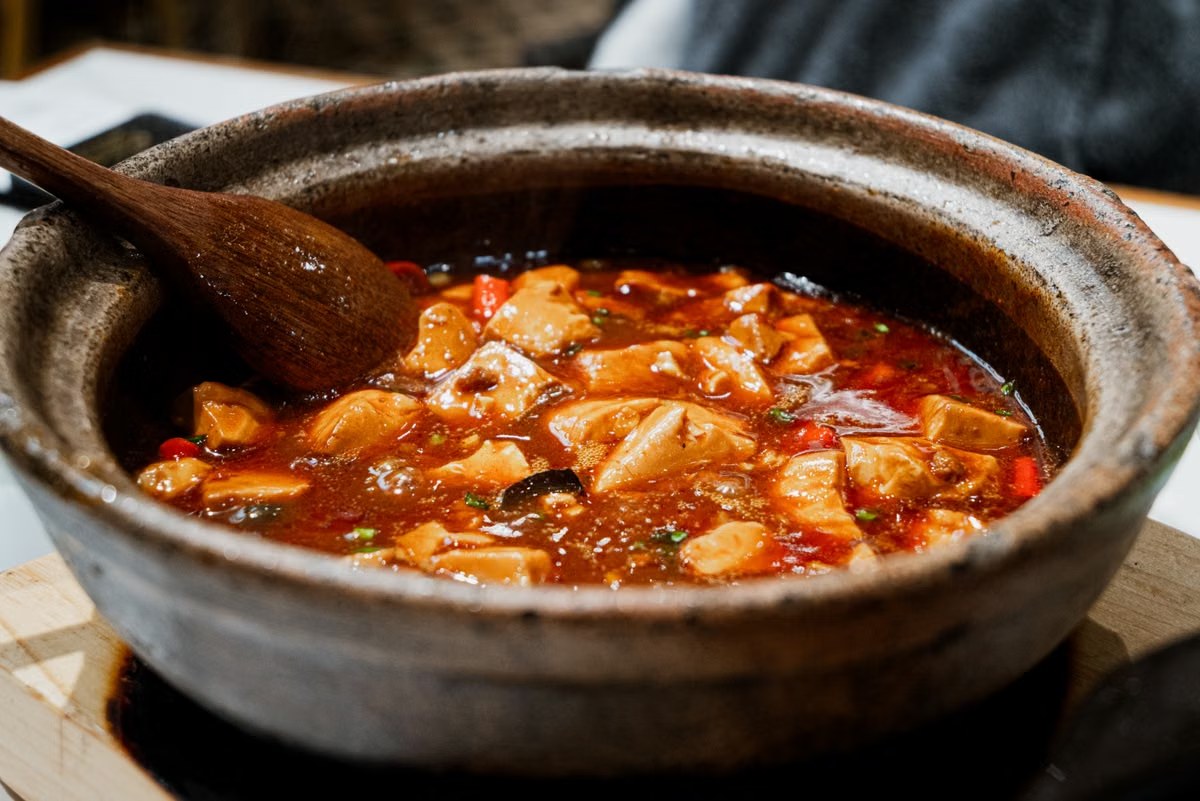
Spicy braised tofu is a better, more searchable home-cooking page than the old big-plate tofu draft. The tofu should be firm enough to hold shape, the sauce should reduce to gloss, and the chili bean paste should taste fried rather than raw.
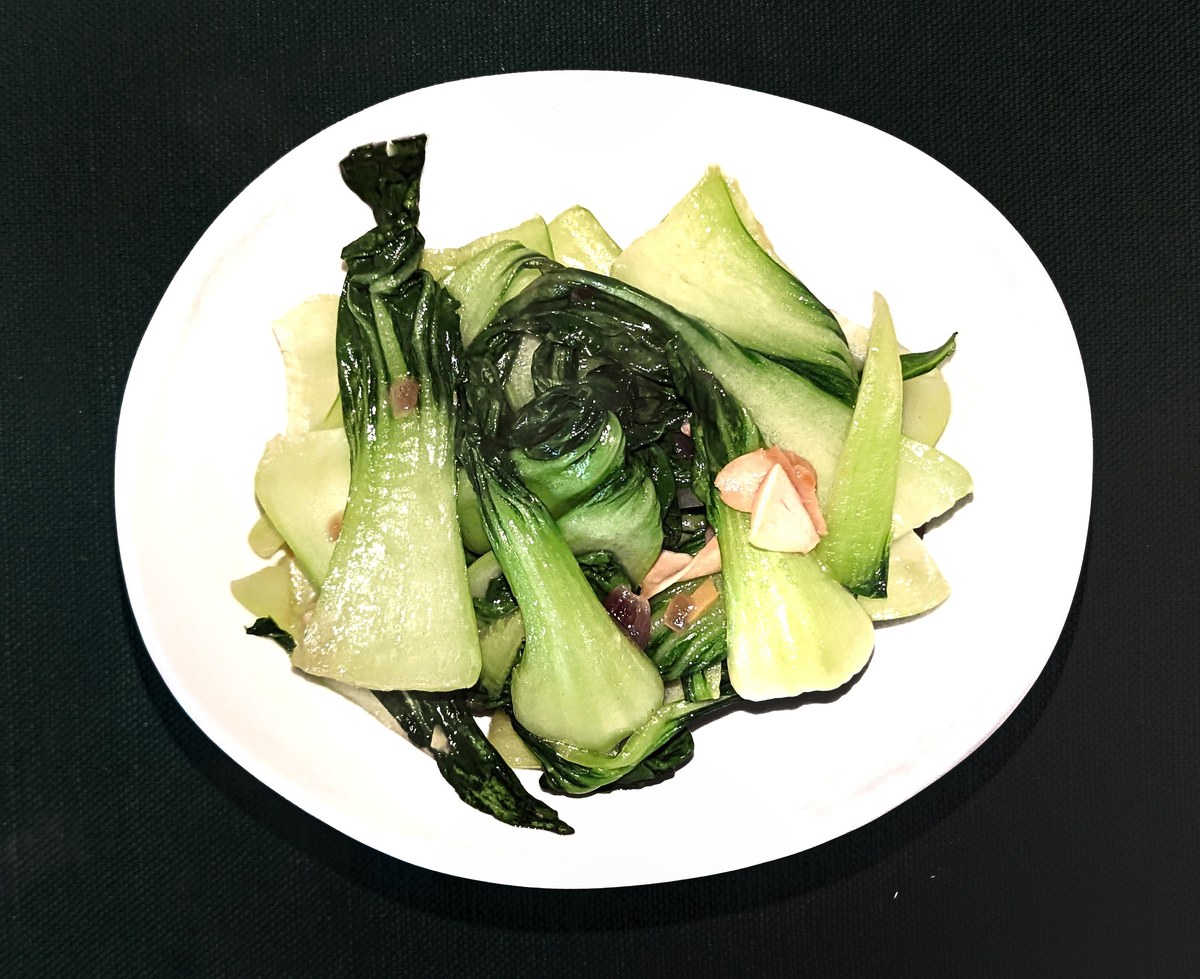
A Chinese bok choy with mushroom sauce recipe built around crisp stems, tender leaves, browned mushrooms, and a light glossy gravy that tastes savory without burying the vegetable.
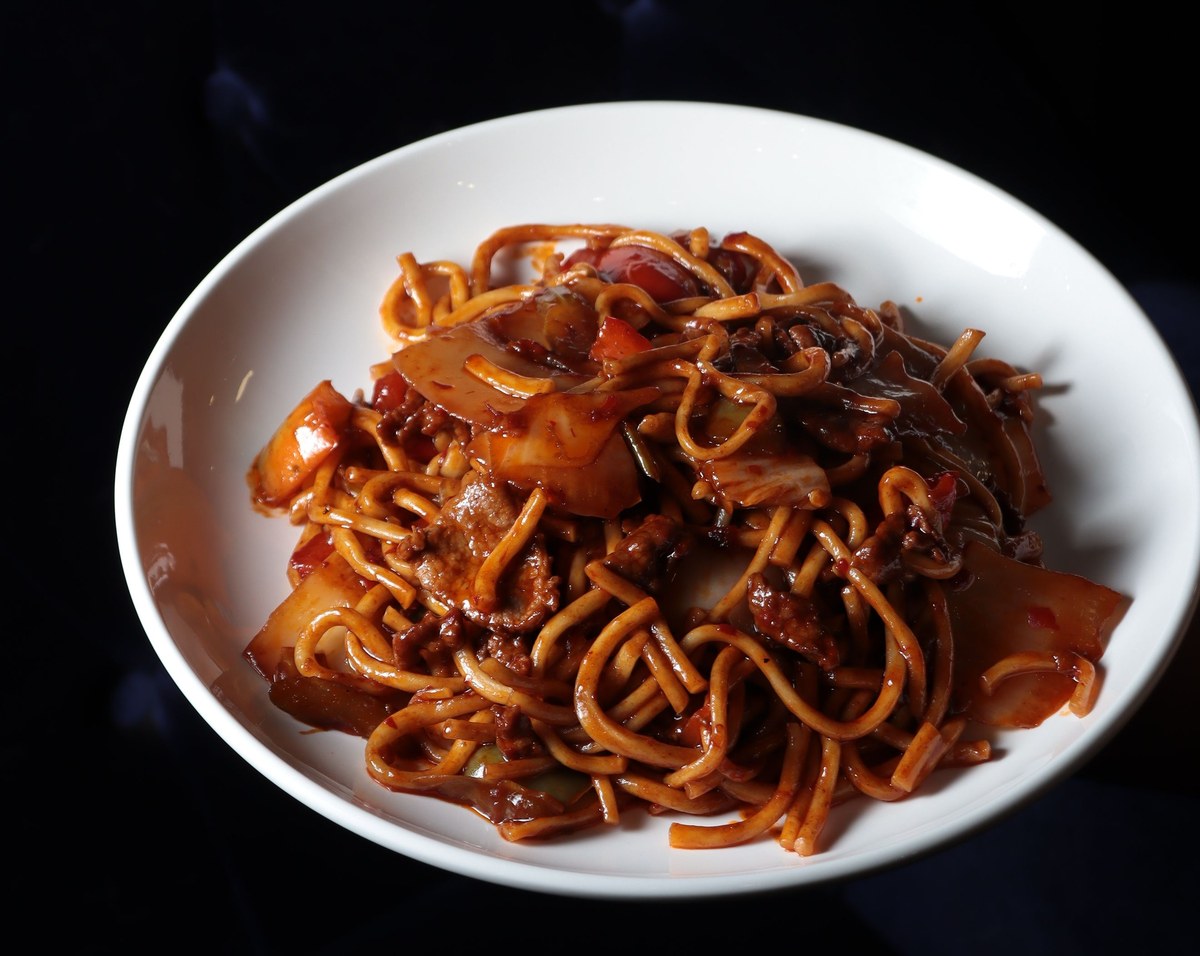
A braised bamboo shoot noodle recipe focused on tender bamboo shoots, springy noodles, soy-sugar gloss, and the difference between saucy and soggy.
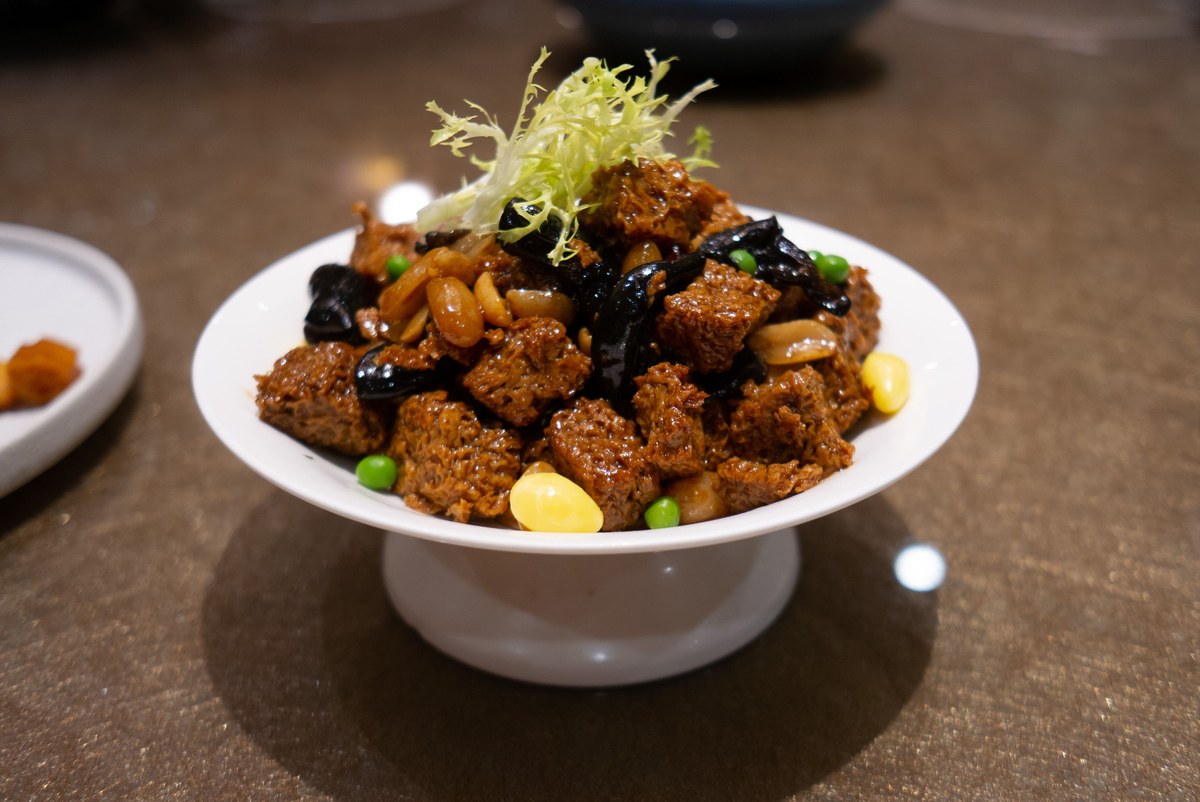
A Shanghai-style braised gluten dish where spongy kao fu absorbs soy sauce, sugar, mushroom flavor, peanuts, and wood ear until it tastes better after resting.
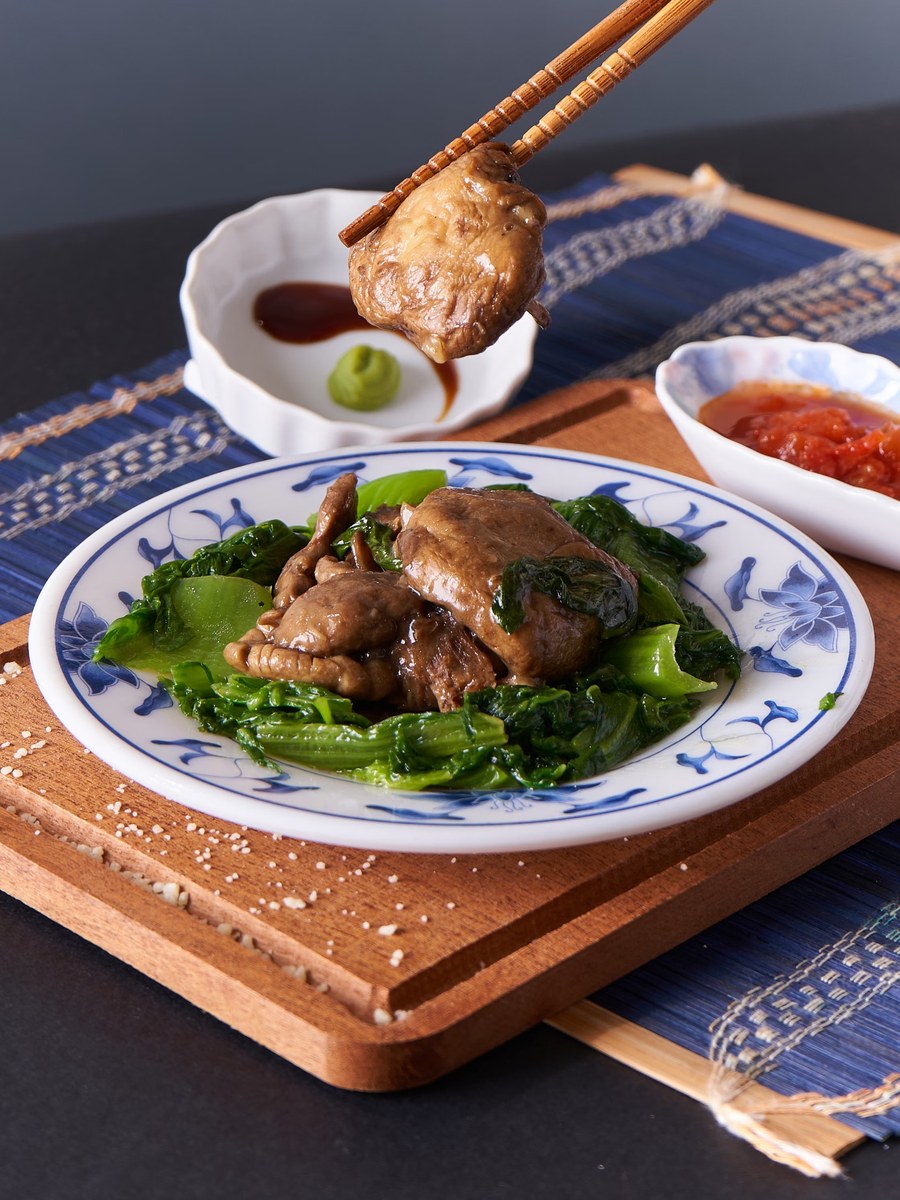
A mushroom braise inspired by sea cucumber banquet sauces, built around shiitake depth, oyster sauce gloss, and a slow reduction that coats without turning muddy.
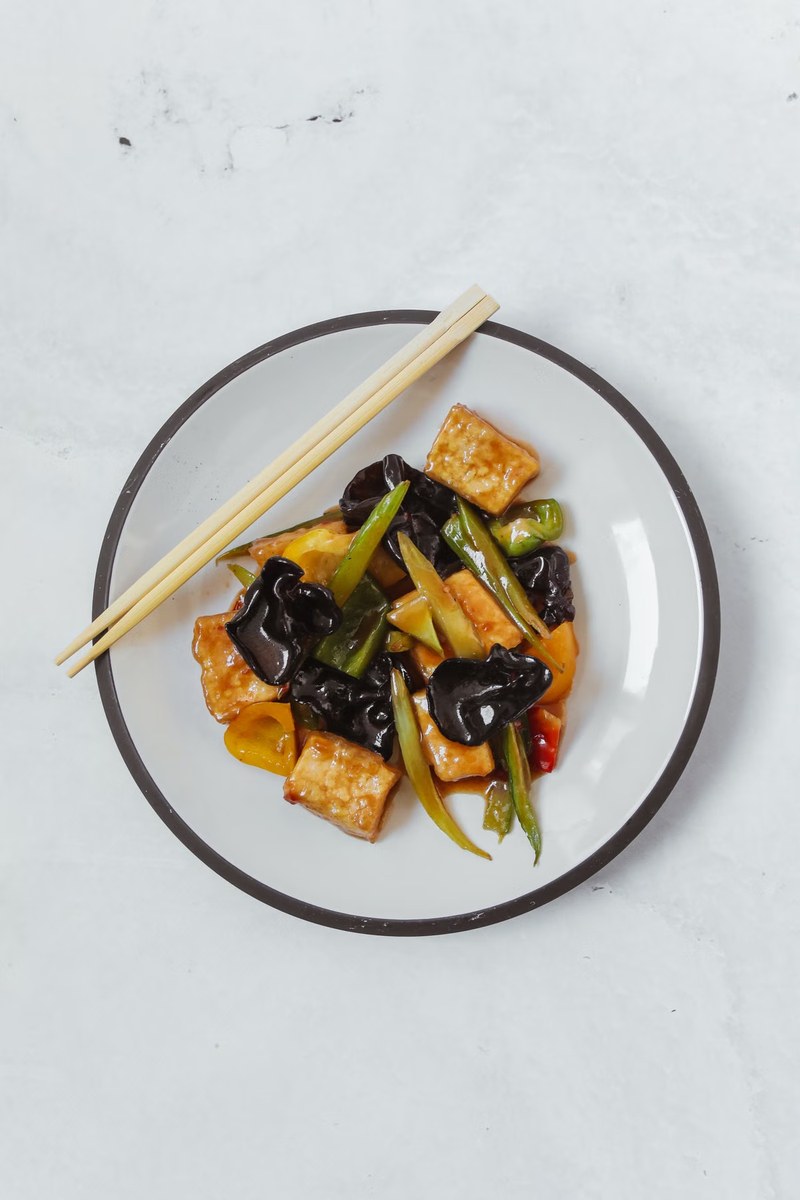
Tofu and wood ear stir-fry is a better promise than the old tofu-knot draft because the available exact image shows browned tofu cubes, glossy wood ear mushrooms, peppers, and snap vegetables. The dish is about contrast: soft tofu, springy fungus, crisp vegetables, and a sauce that clings without turning soupy.
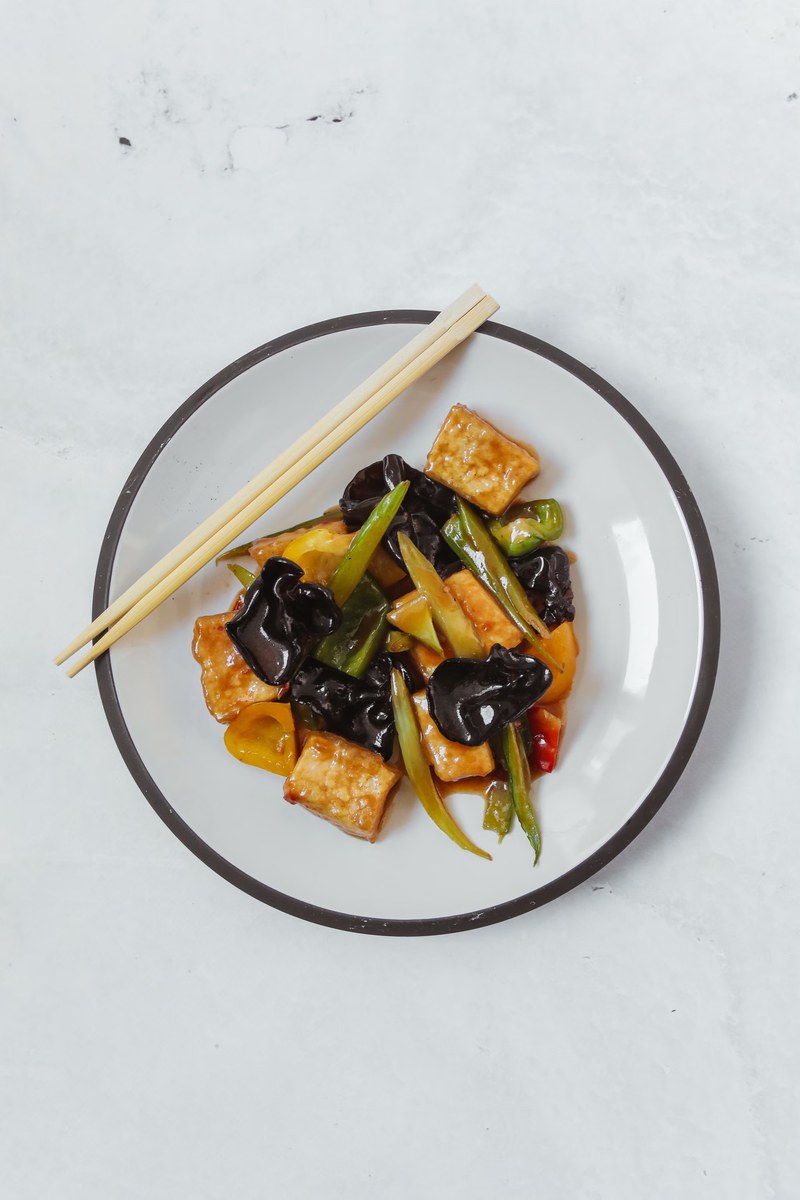
A Chinese braised tofu with mushrooms recipe built around pan-seared tofu, bouncy wood ear mushrooms, crisp peppers, and a light soy glaze that tastes savory without becoming heavy.
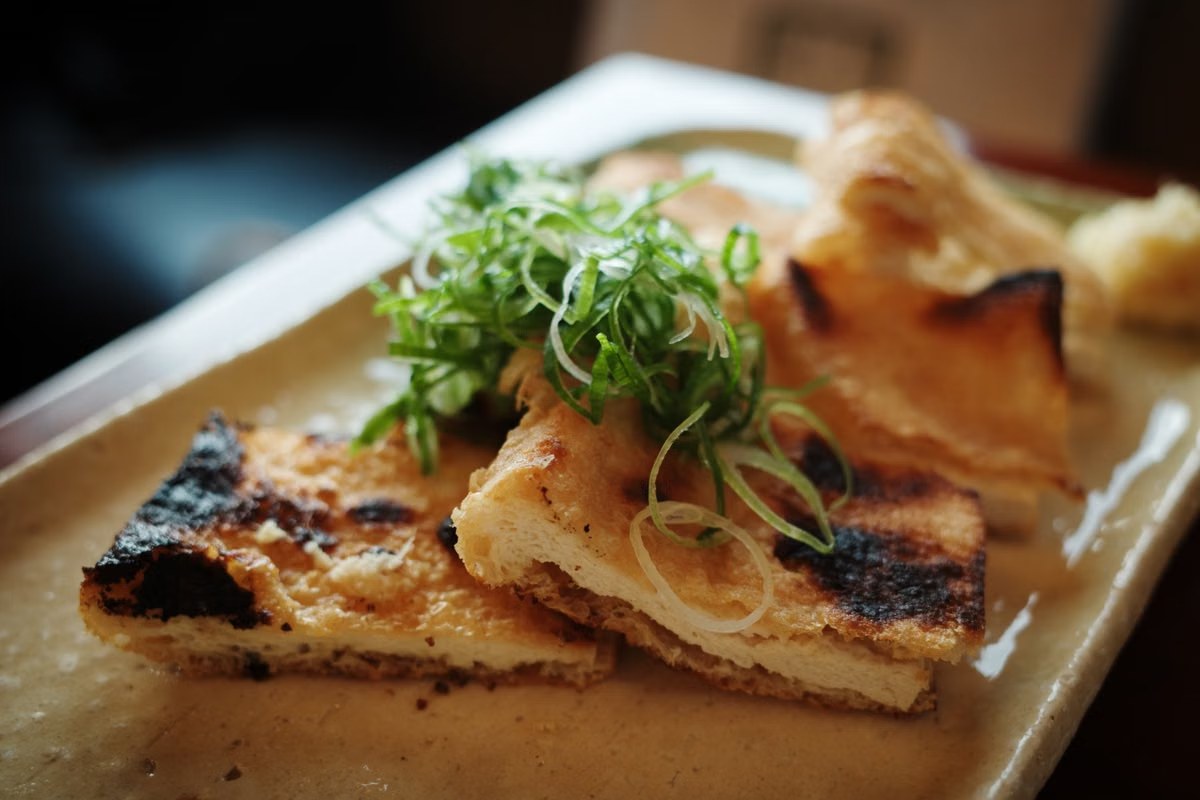
A scallion tofu recipe for the moment when tofu needs more than sauce poured on top: sear the tofu first, bloom scallion whites in oil, then glaze everything briefly so the scallions stay fragrant and the tofu keeps its edges.
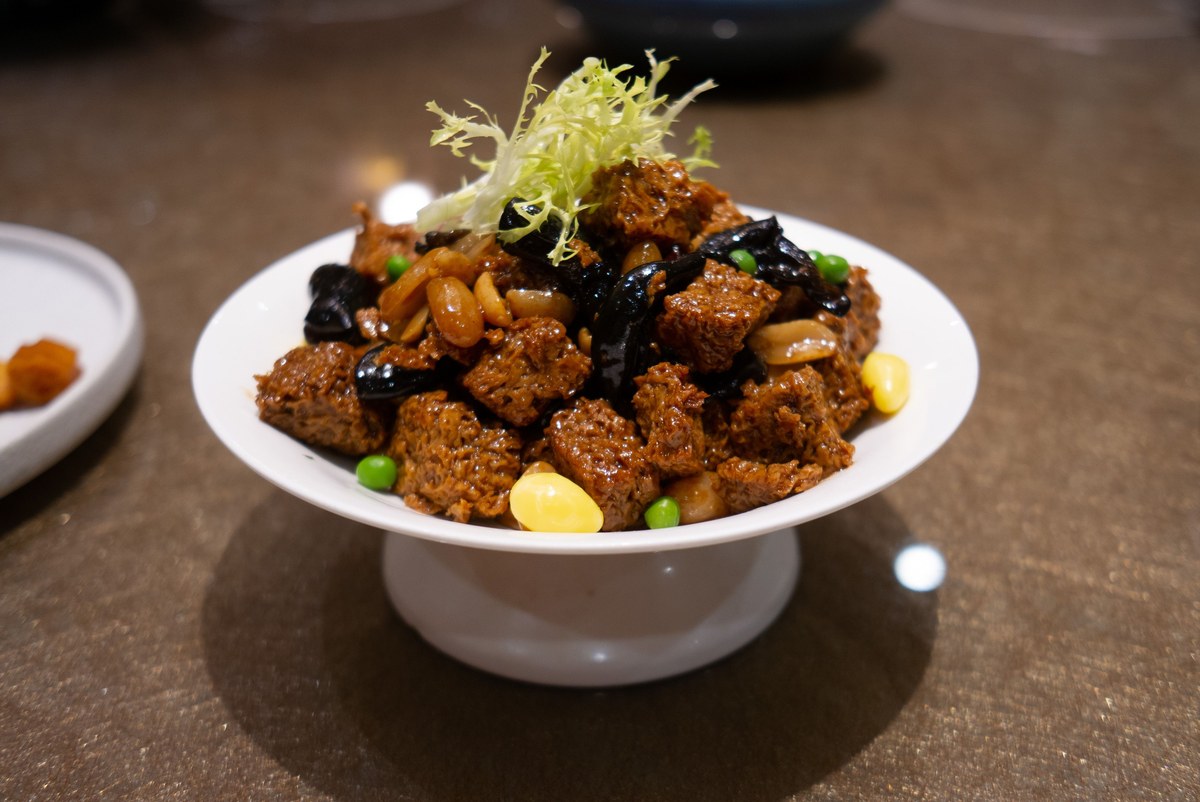
Hong Shao Kao Fu is the Shanghai-style braised wheat gluten dish that rewards patience more than force. Rinse the gluten well, let dried mushrooms and wood ear season the braising liquid, then reduce the sauce until the sponge-like pieces taste glossy instead of watery.
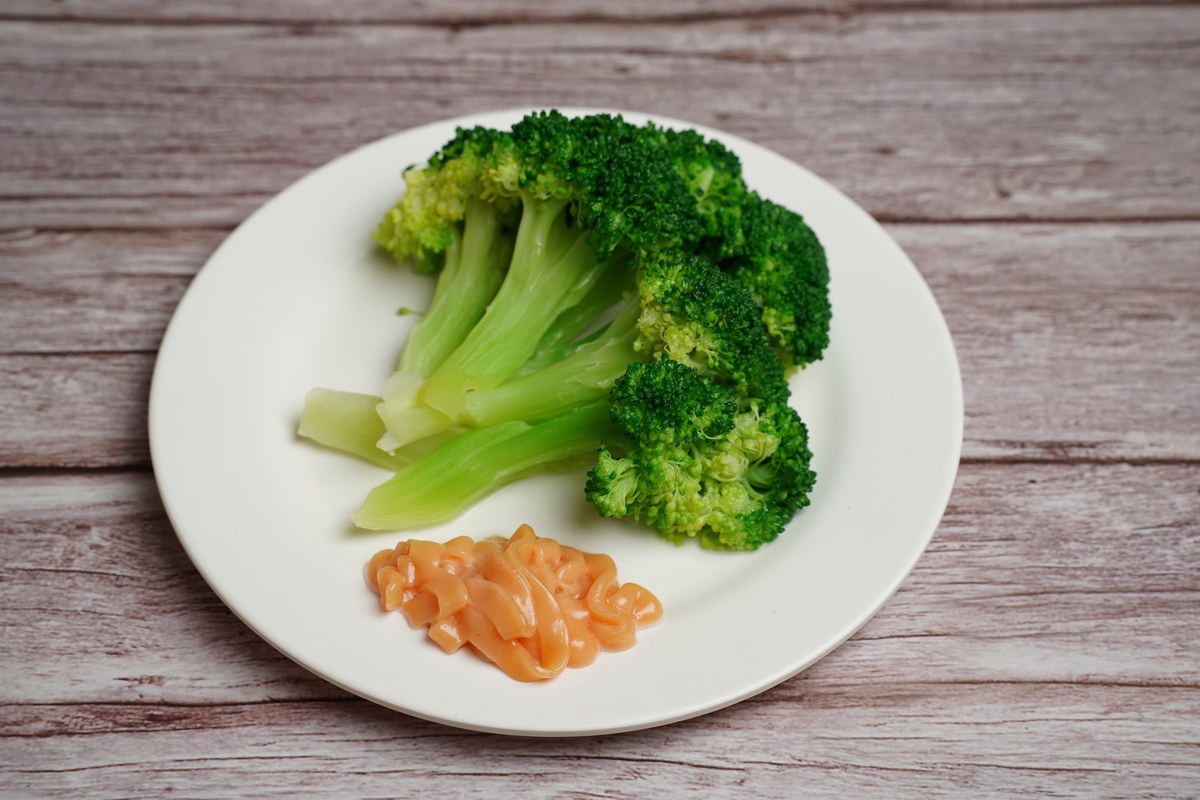
A broccoli with garlic sauce recipe focused on crisp-tender stems, a glossy savory garlic sauce, and avoiding watery or mushy broccoli.
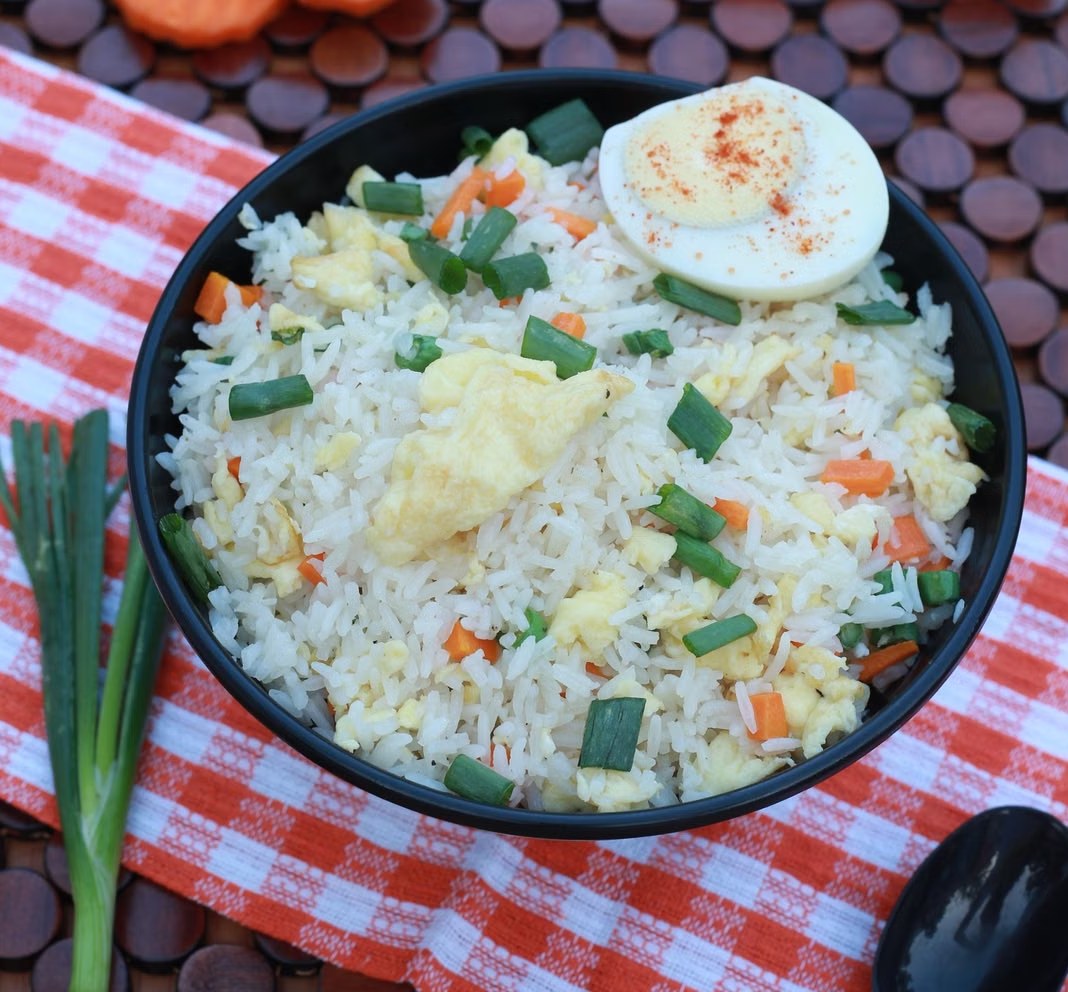
Vegetable egg fried rice is the honest direction for this page: the refined image shows rice, egg, scallions, carrots, and vegetables, so the recipe should teach a flexible vegetable fried rice instead of pretending that cabbage is the only star.
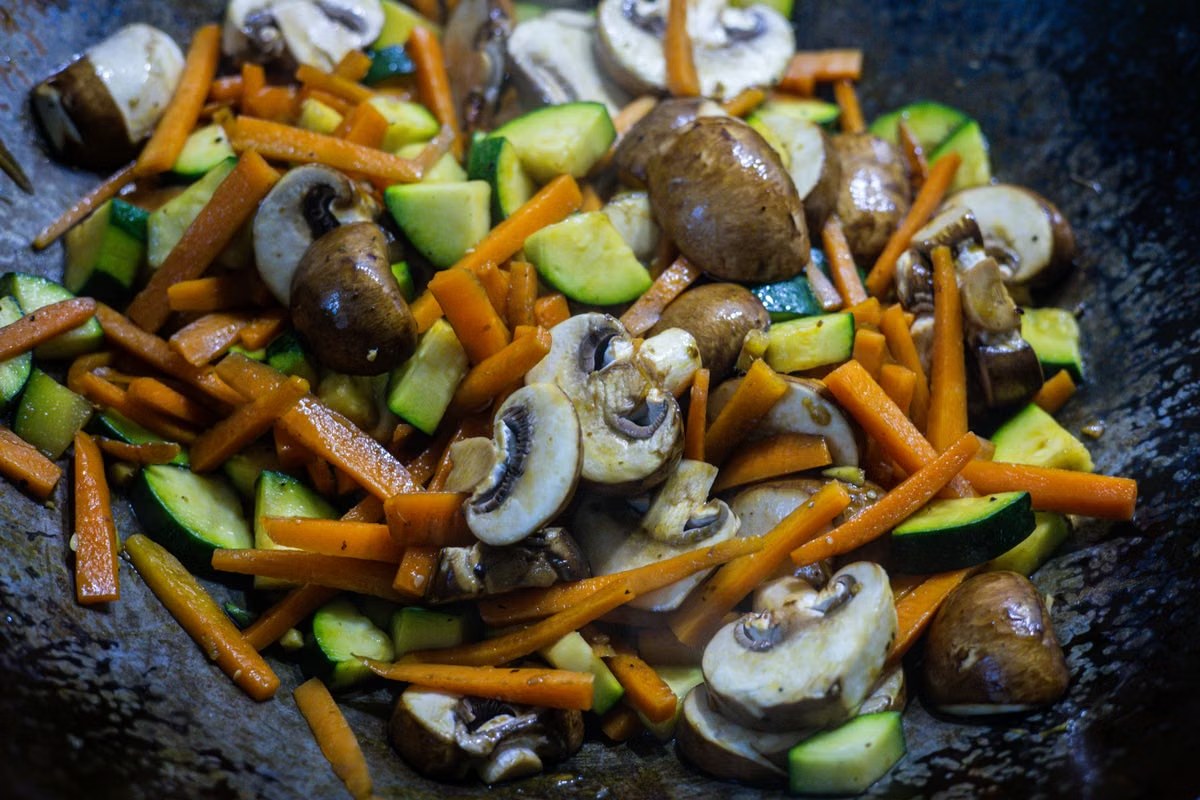
Mushroom zucchini stir-fry is a more honest fit than the old cabbage mushroom draft because the exact image shows zucchini, mushrooms, and carrots in a wok. The trick is not a complicated sauce; it is cooking the watery zucchini fast enough that the mushrooms brown and the vegetables stay lively.
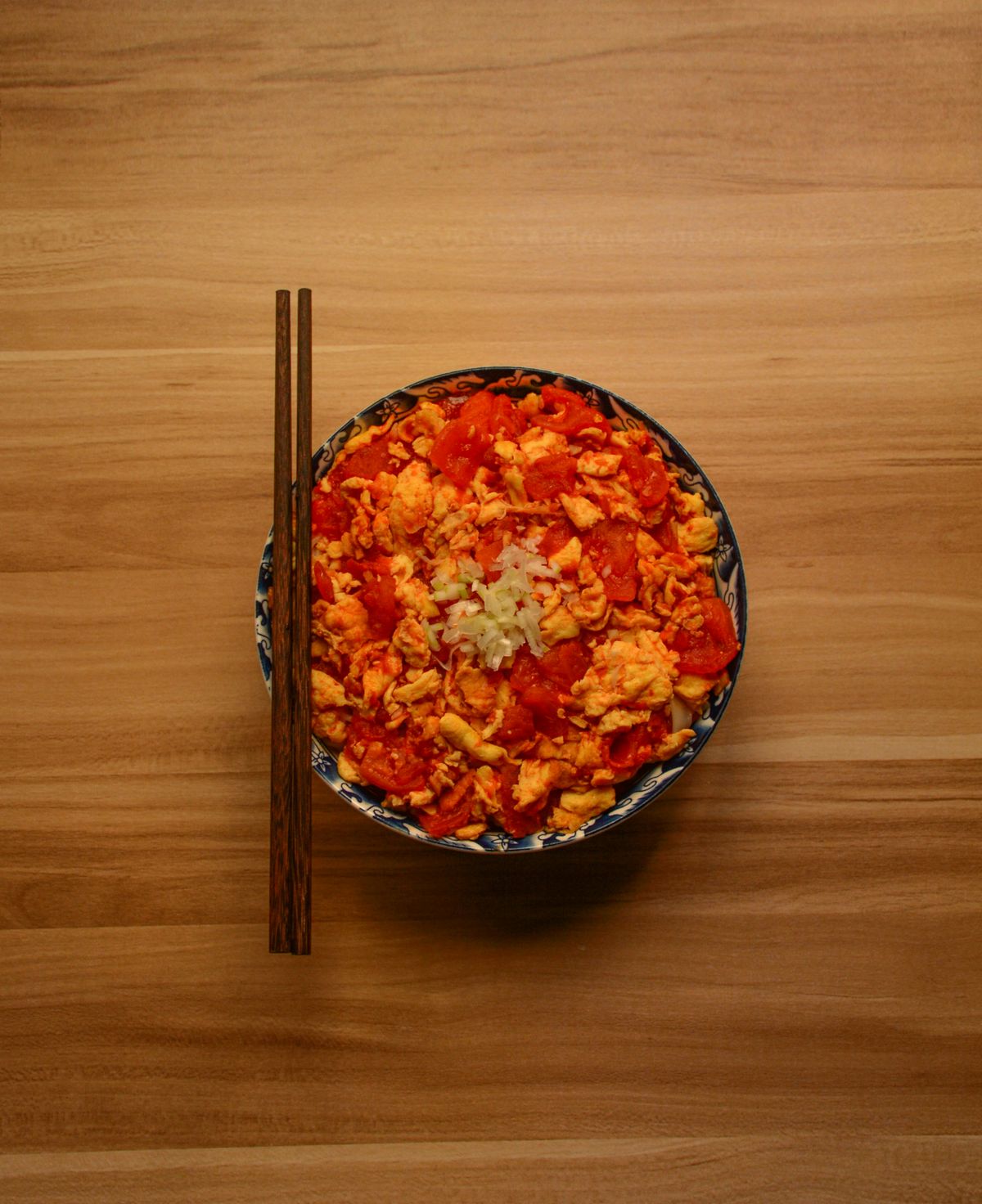
This article now follows the exact image and the stronger search intent: soft Chinese tomato egg stir-fry with juicy tomatoes and tender egg curds. The old beef-rice label did not match the photo, while tomato and egg gives readers a clearer home-cooking page with a real texture problem to solve.
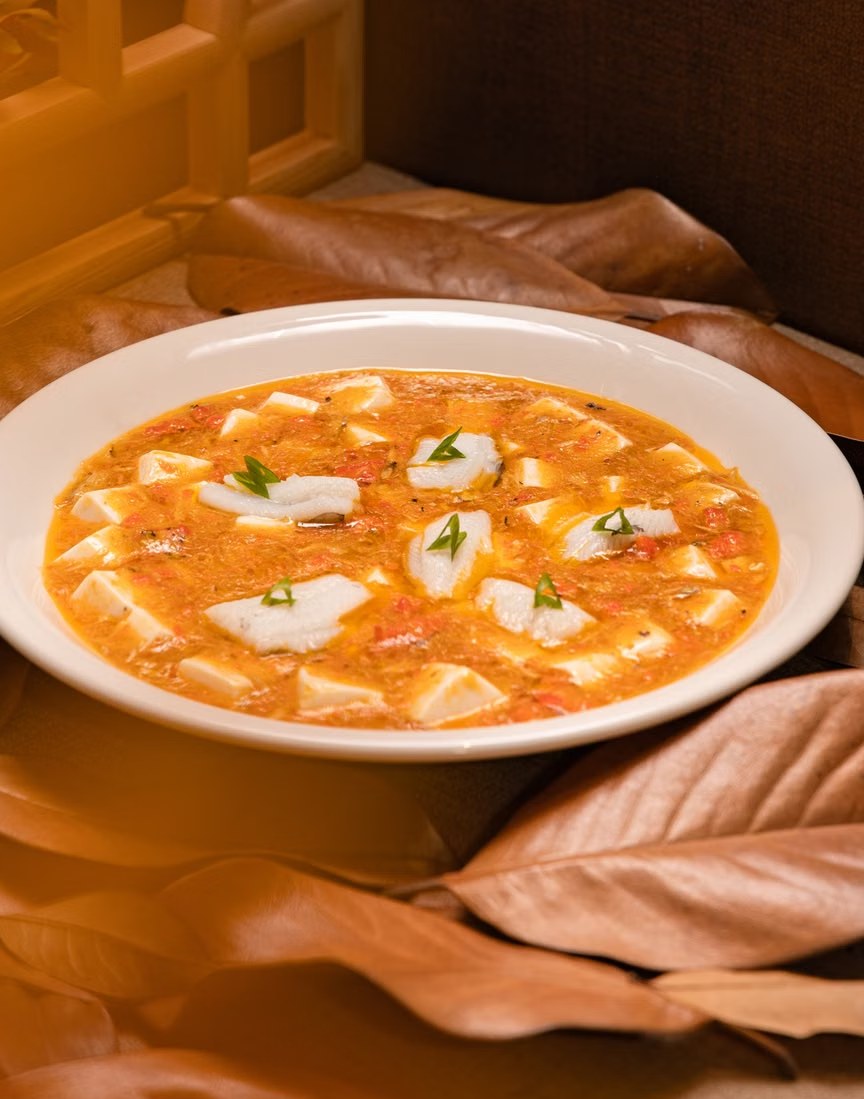
Tomato tofu egg drop soup is a better match for this page than the old chicken bok choy draft. The bowl should taste bright from tomato, soft from tofu, and silky from egg ribbons, with enough body to feel comforting but not heavy.
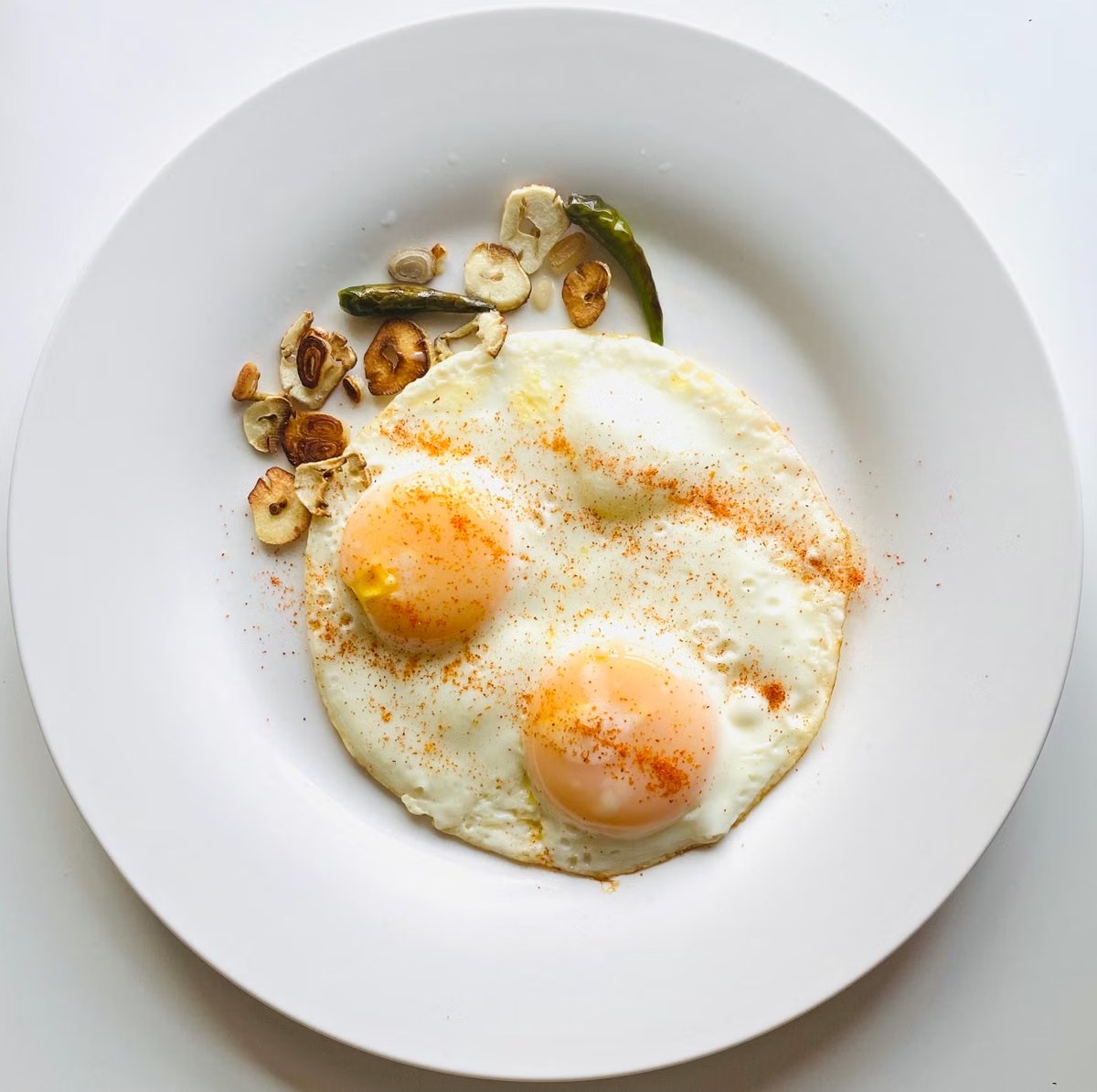
A chili oil fried eggs recipe that treats chili oil as the frying fat, not just a drizzle: heat the aromatic oil gently, slide in the eggs, spoon the hot oil over the whites, and stop while the yolks still run.
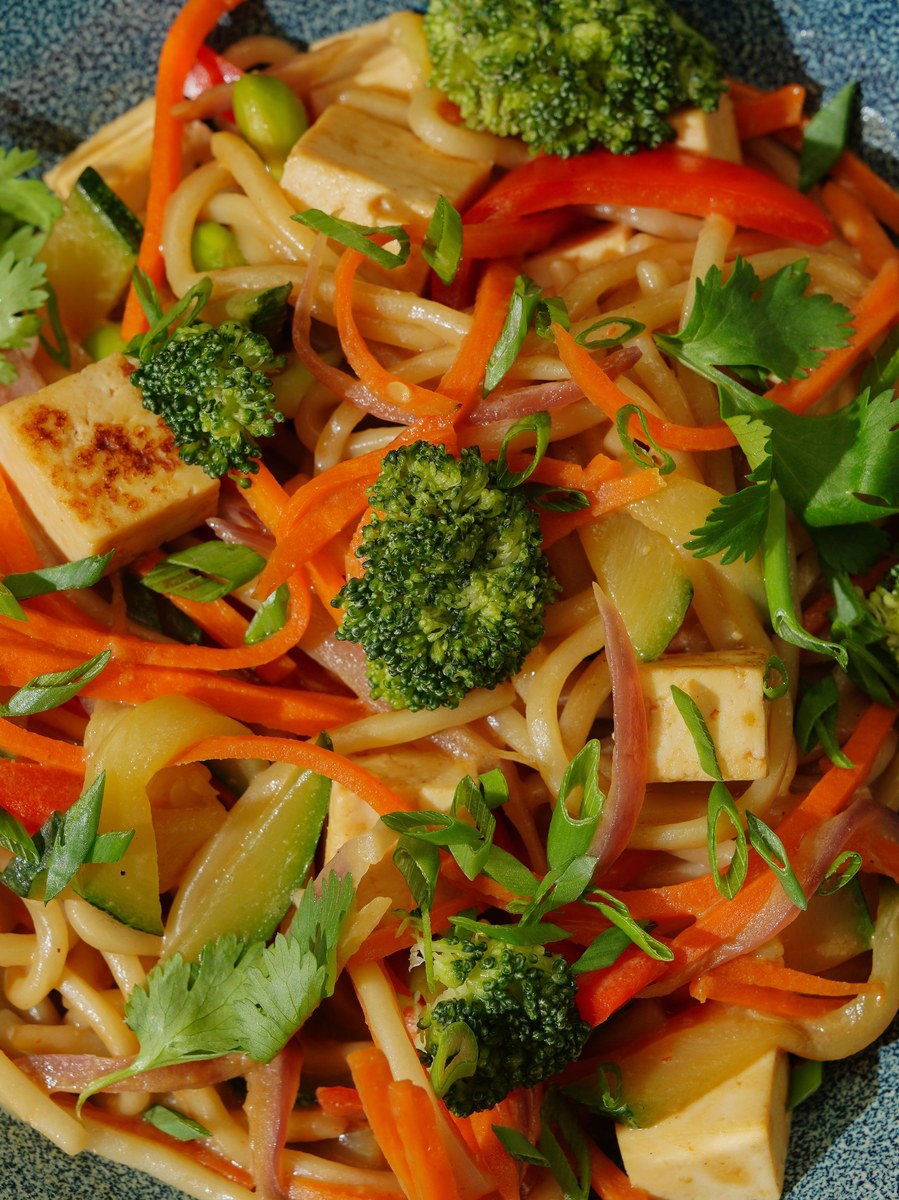
A chili oil tofu noodles recipe for a fast vegetarian Chinese-style bowl, using springy wheat noodles, tofu, scallions, soy vinegar sauce, and noodle water instead of extra oil.
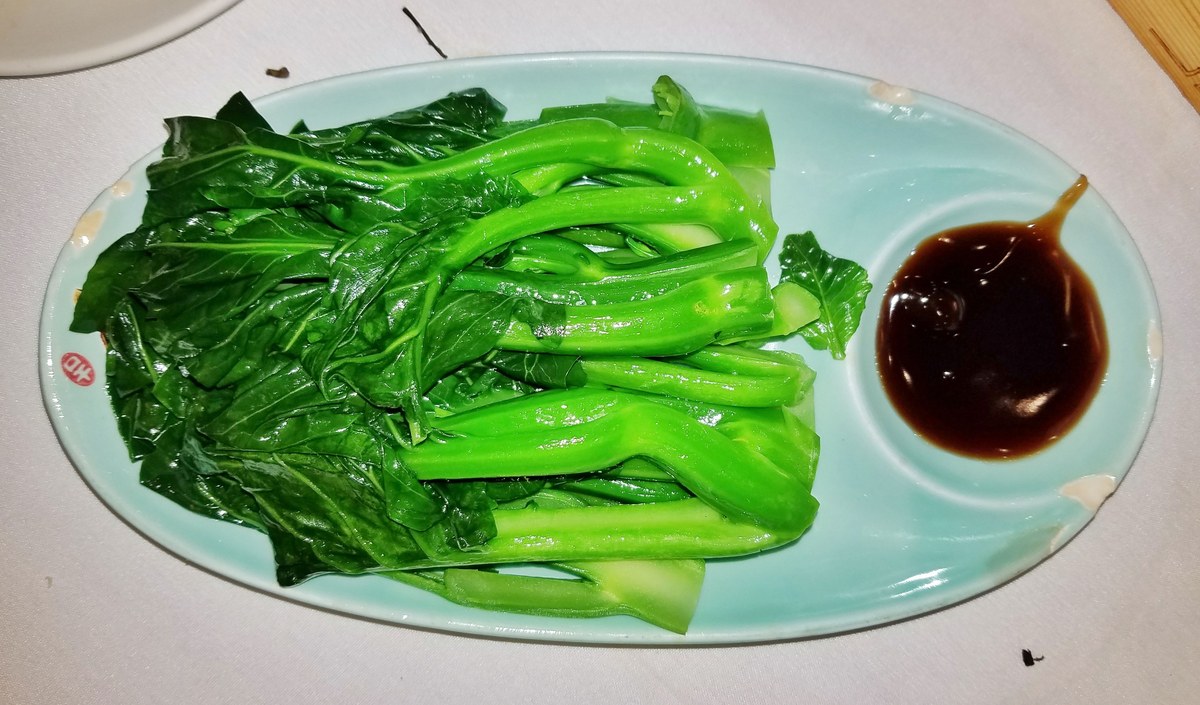
A Cantonese Chinese broccoli recipe for gai lan with garlic oyster sauce, built around clean blanching, tender-crisp stems, and a glossy sauce that clings without burying the greens.
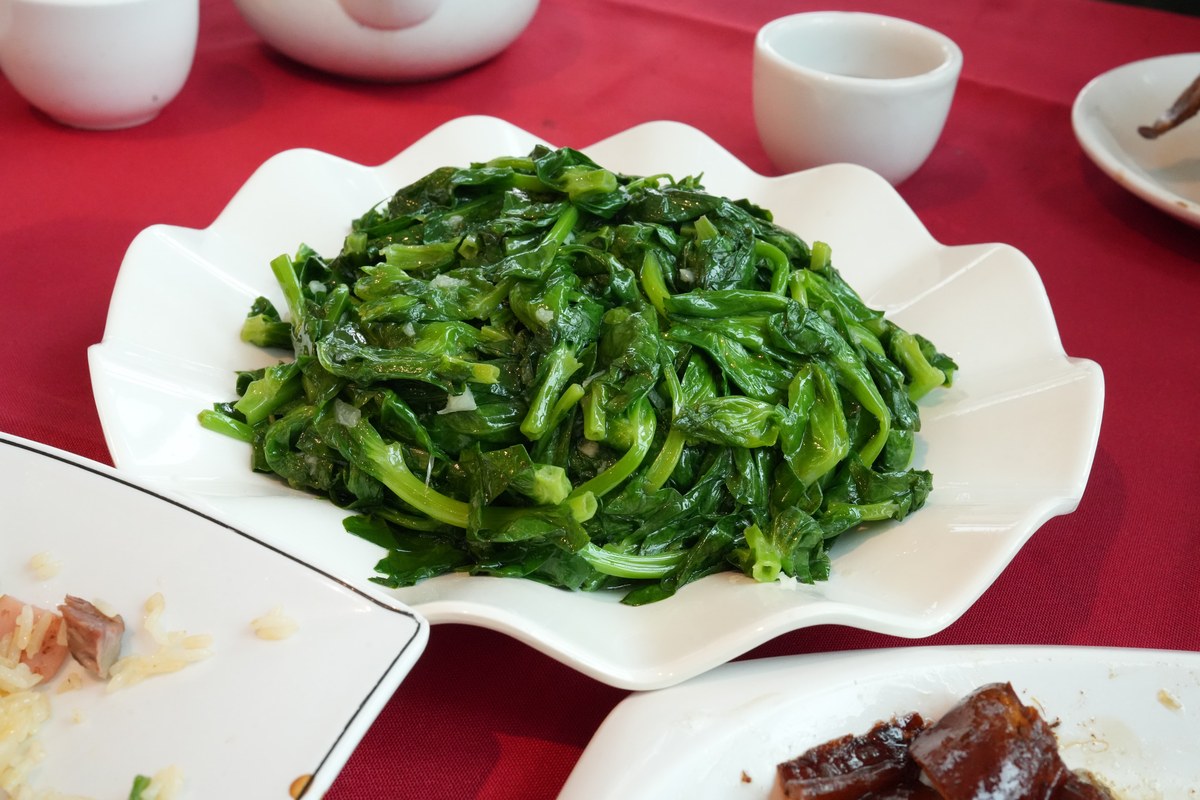
A Cantonese-style Chinese greens with oyster sauce recipe built around bright blanching, thorough draining, and a glossy sauce that clings instead of pooling.
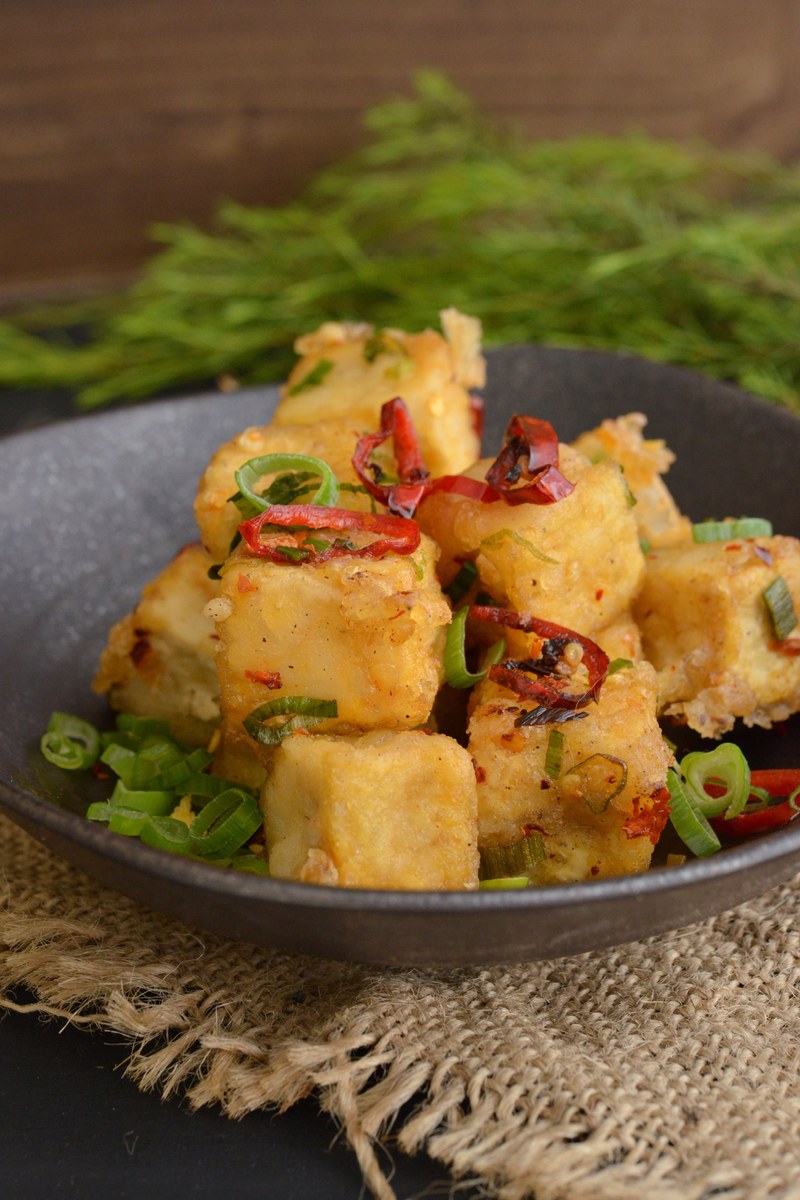
A Chinese crispy salt and pepper tofu recipe with golden tofu cubes, garlic, chiles, scallions, and a dry peppery finish that stays crunchy after tossing.
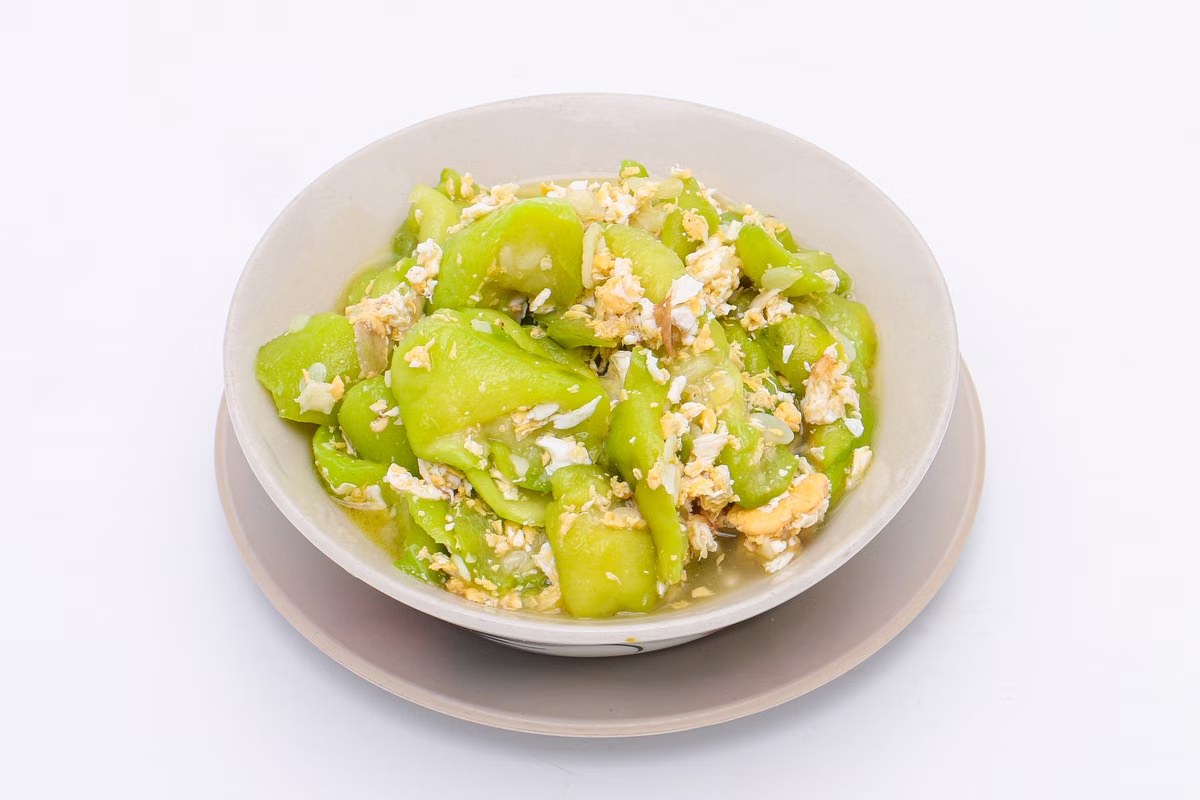
Zucchini and egg stir-fry is the more accurate page for this image than the old cucumber egg draft. Cucumber can be stir-fried, but the exact photo shows a soft green squash with eggs, which fits Chinese home-style zucchini and egg much better.
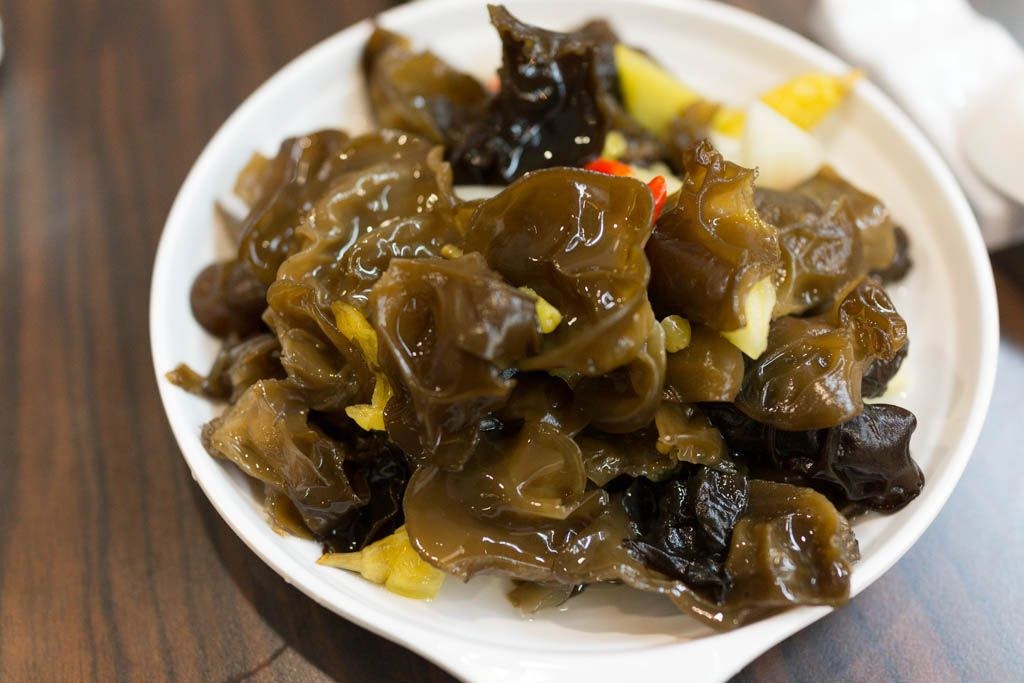
A Chinese wood ear mushroom salad with cucumber, garlic, black vinegar, soy sauce, and chili oil, focused on blanching the mushrooms briefly and draining everything well for a crisp cold dish.
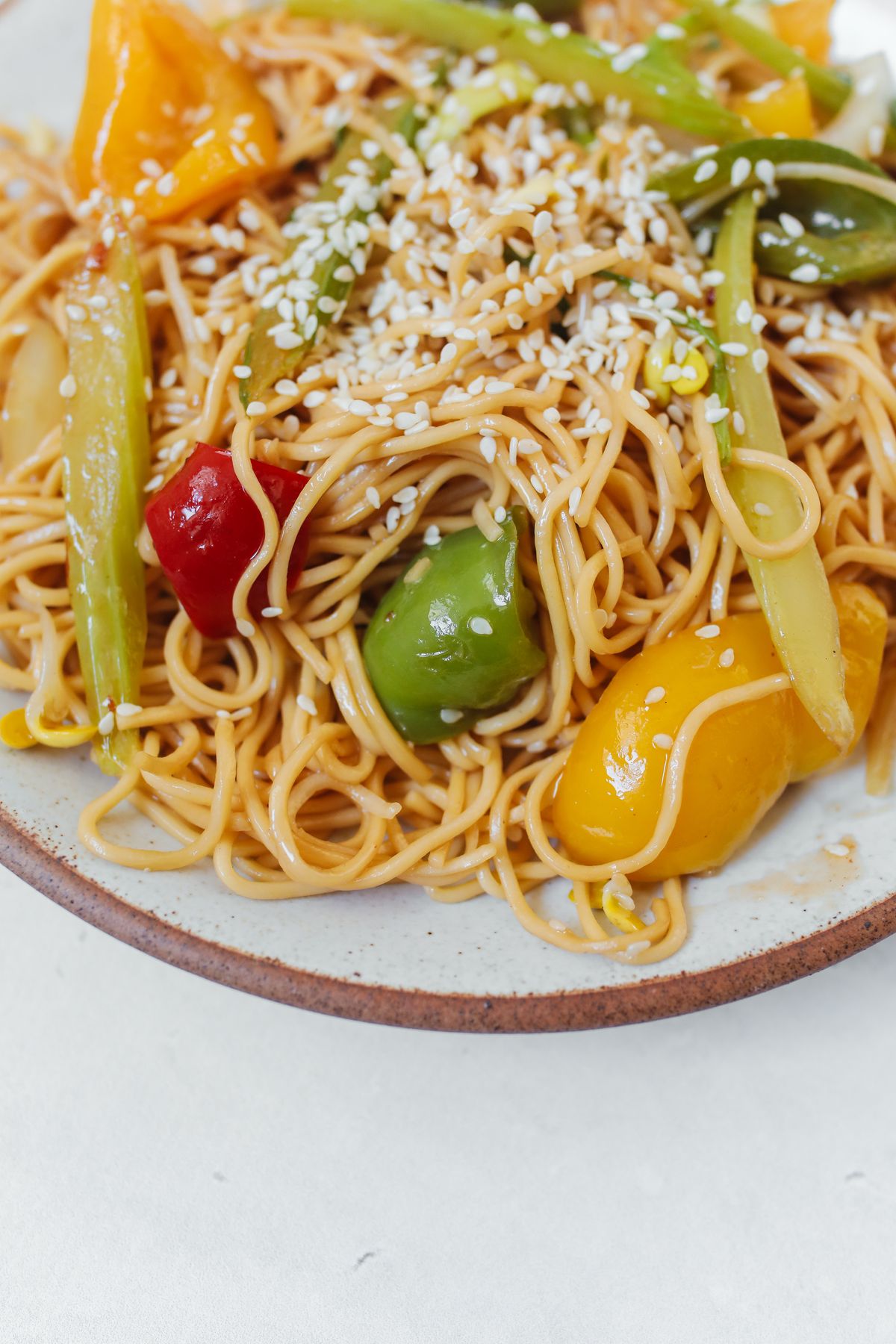
Vegetable sesame noodles with peppers fit the reviewed image better than cumin cucumber cold noodles because the bowl shows glossy thin noodles tossed with bell peppers, scallions or leek, and sesame seeds, with no visible cucumber or cumin. The refined page focuses on what the image promises: springy noodles, a light savory sesame coating, and crisp vegetables that do not collapse.
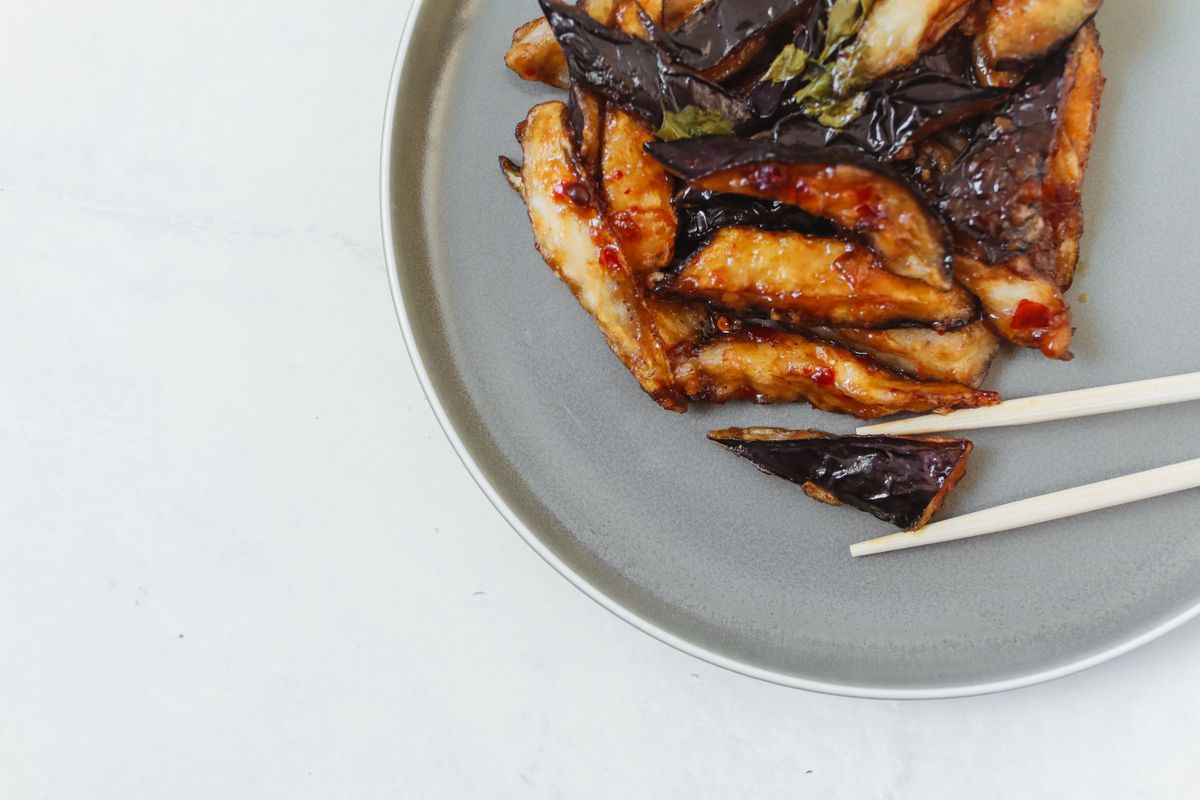
This page now follows the stronger dish-image match: pan-fried eggplant with chili, garlic, soy, and cumin rather than a generic soup photo. The method is written around the real eggplant problem home cooks face: browning the outside while keeping the center soft instead of oily or collapsed.
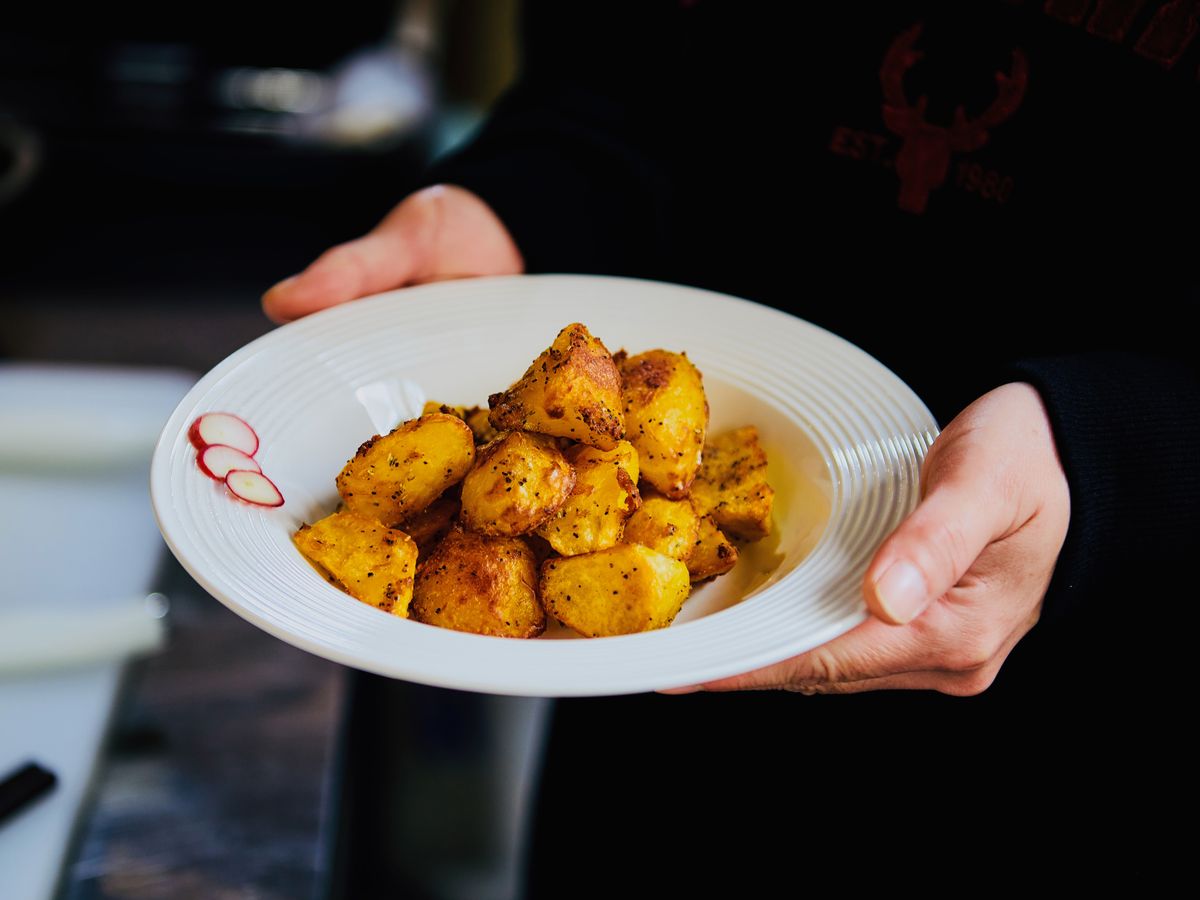
This page now follows the stronger Chinese cumin potato search intent instead of a generic greens image. The useful version teaches the part home cooks actually miss: parcooking the potato until it can brown quickly, then blooming cumin and chili late enough that the spice smells toasted rather than dusty.
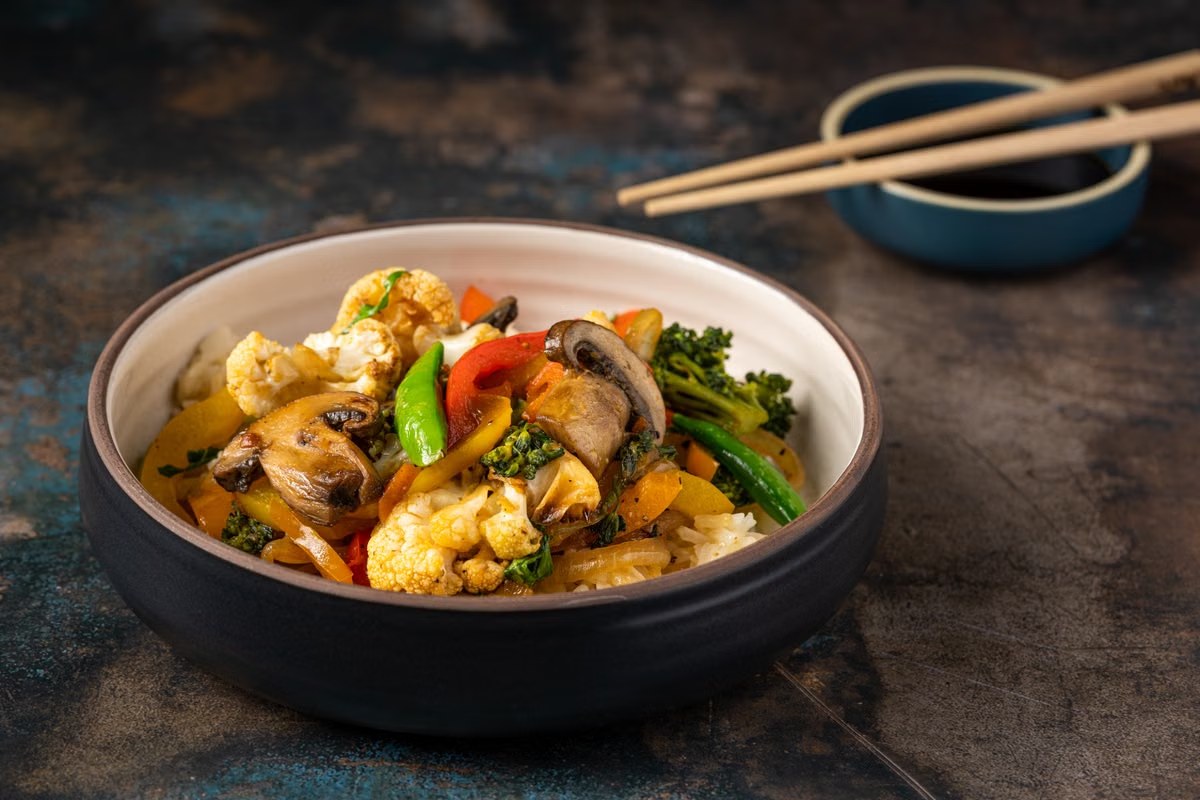
Vegetable rice bowl with mushrooms and cauliflower is a better promise than the old doubanjiang pork title because the exact image is a rice bowl topped with colorful vegetables, not pork in chili bean paste. The page now treats the bowl as a practical weeknight template: hot rice, seared vegetables, and a glossy sauce that does not drown the grains.
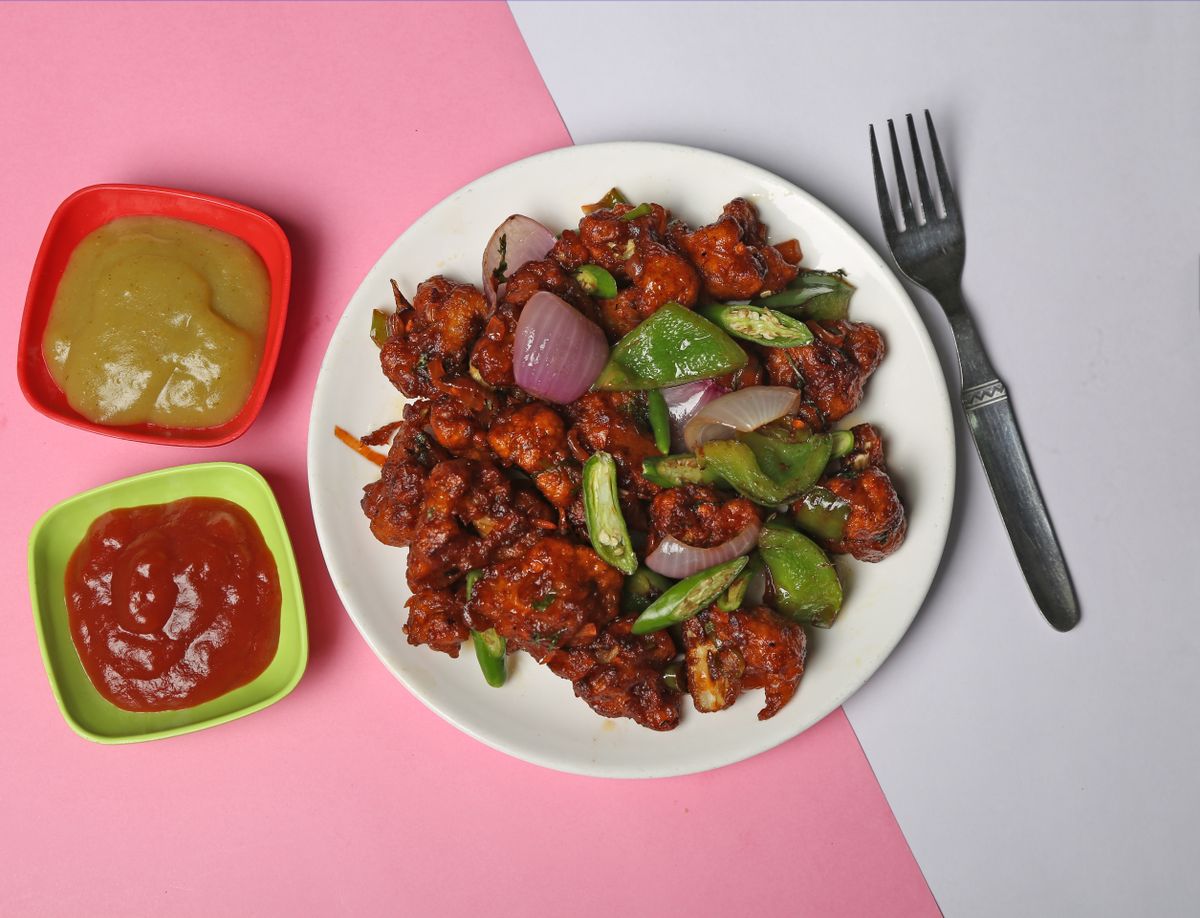
This article is rewritten away from the old potato-cauliflower promise because the exact replacement image shows chili-garlic cauliflower with onion and green pepper. The method now teaches how to keep cauliflower crisp-tender, drive off water, and make a red sauce coating that clings instead of turning soupy.
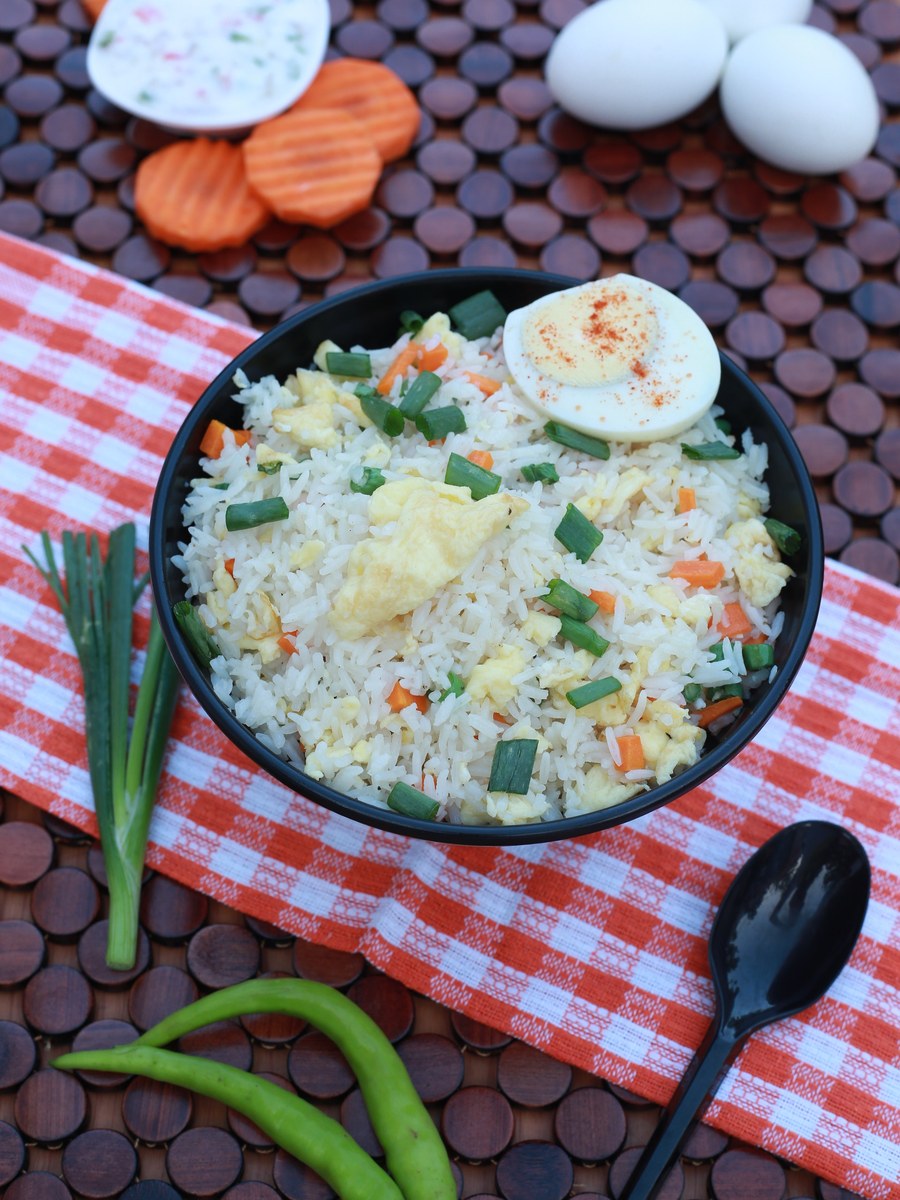
A Chinese egg fried rice recipe for leftover rice, focused on dry grains, soft egg curds, hot-pan seasoning, and a clean scallion finish instead of a wet soy-soaked bowl.
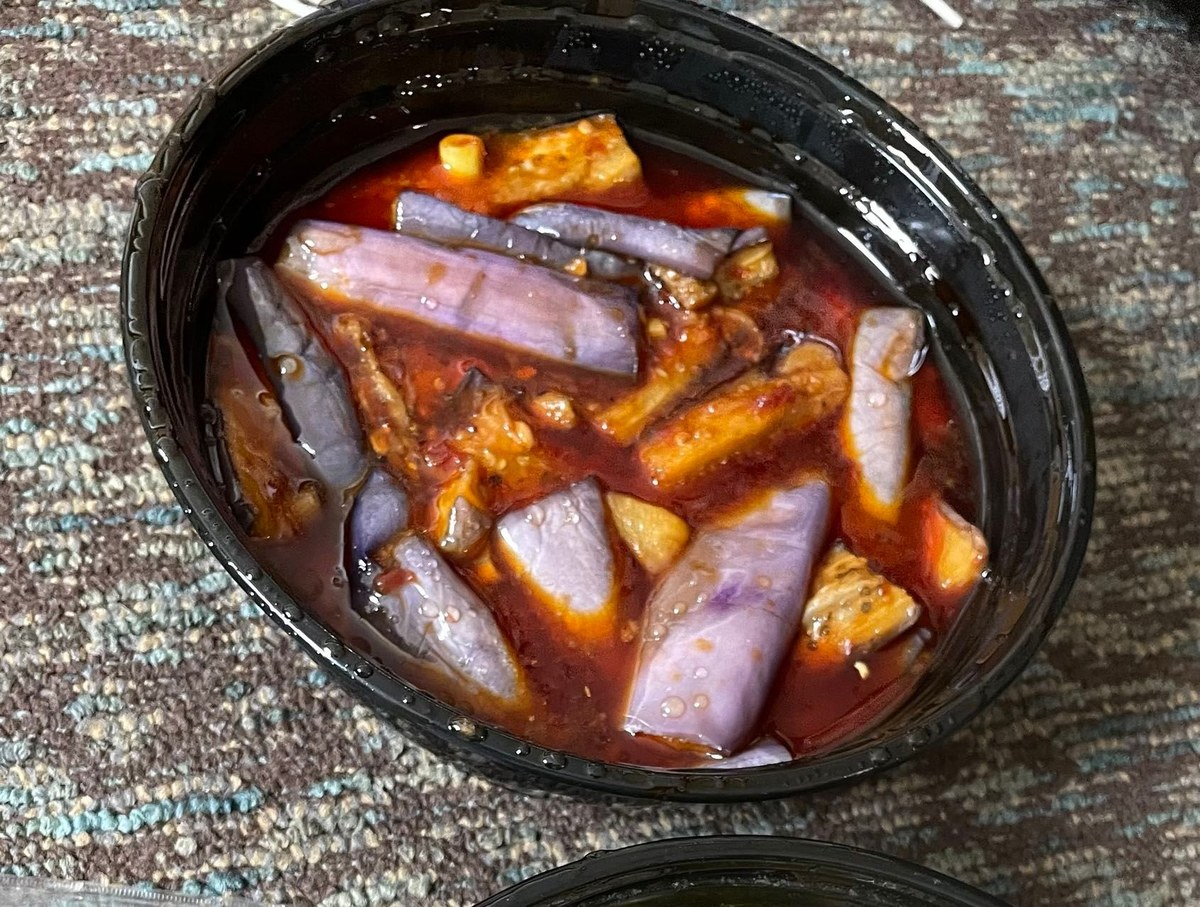
Eggplant with Garlic Sauce gives soft Chinese eggplant a savory-sour sauce with garlic, doubanjiang, light soy sauce, and vinegar without needing a restaurant wok.
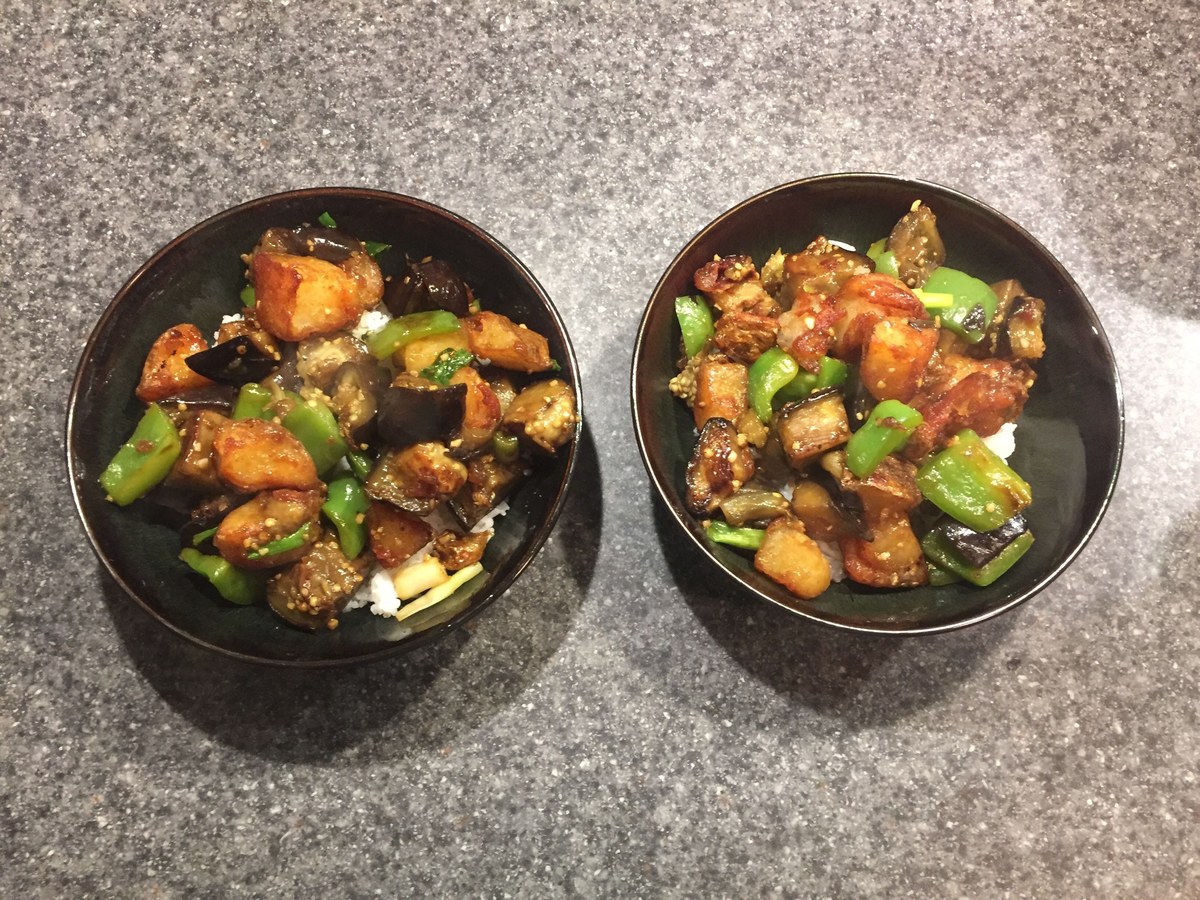
Di San Xian turns three plain vegetables into a glossy Northeastern Chinese stir-fry. The trick is not the sauce first; it is giving potato, eggplant, and pepper their own heat time so the final garlic-soy glaze coats crisp edges instead of making a soft vegetable stew.
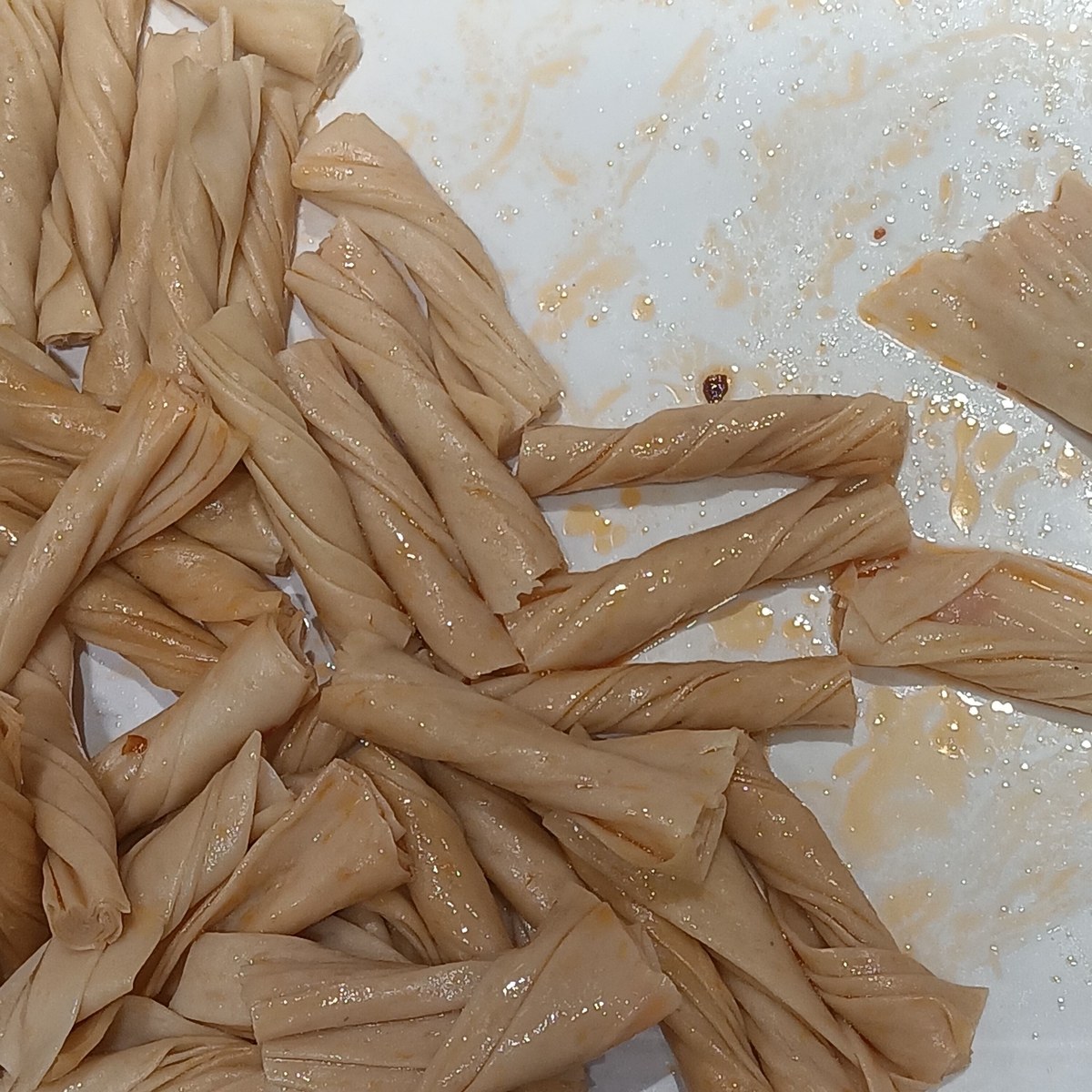
A tofu skin rolls recipe focused on pliable beancurd sheets, a compact mushroom or pork filling, gentle rolling, and light steaming or braising so the wrappers stay tender instead of splitting.
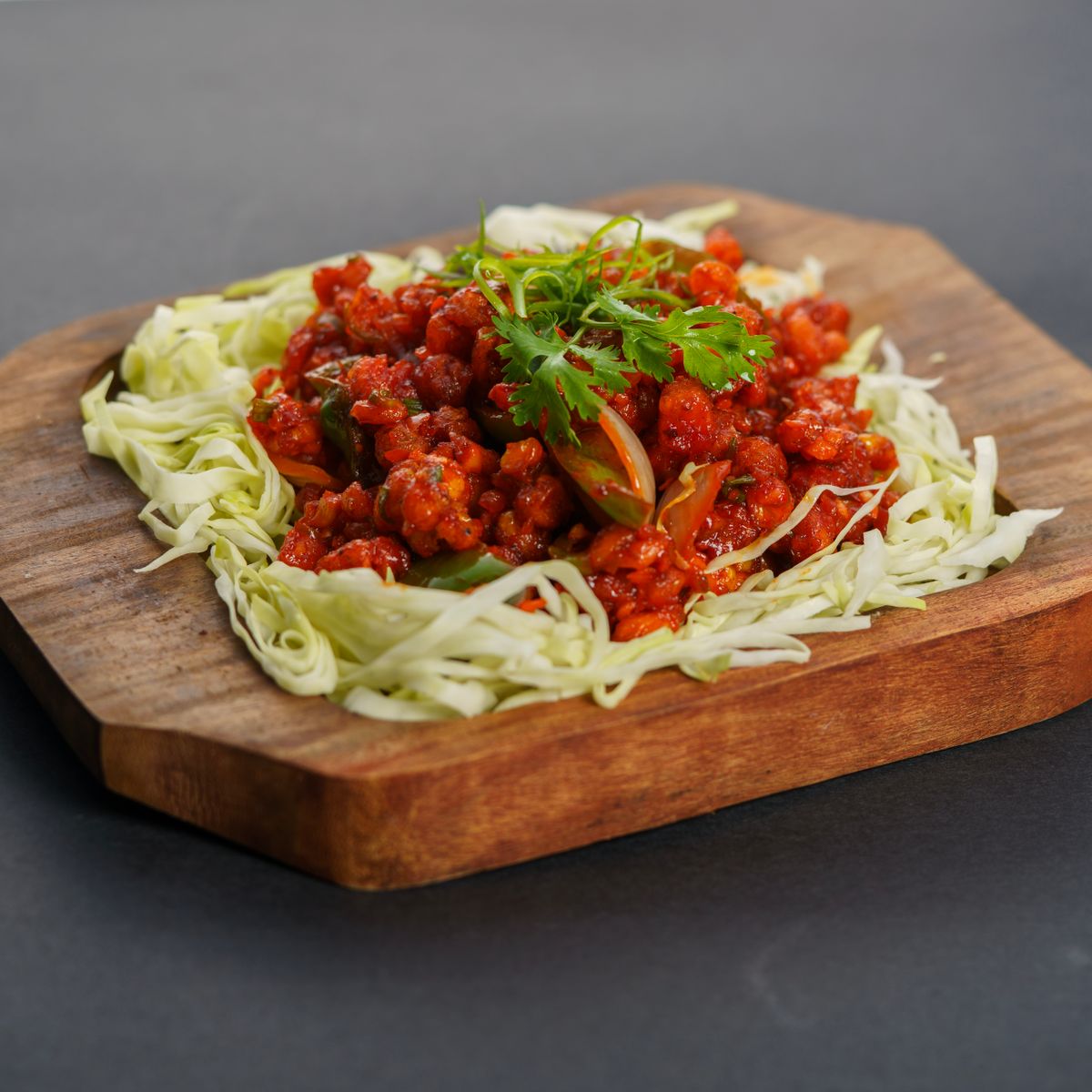
Garlic Chili Cauliflower now has a sharper visual contract: browned cauliflower bites in a red-brown garlic-chili glaze, garnished like a snackable small plate. The recipe keeps the Chinese stir-fry logic but acknowledges that the photo reads like crisp Indo-Chinese cauliflower, so the method focuses on texture, sauce timing, and heat control.
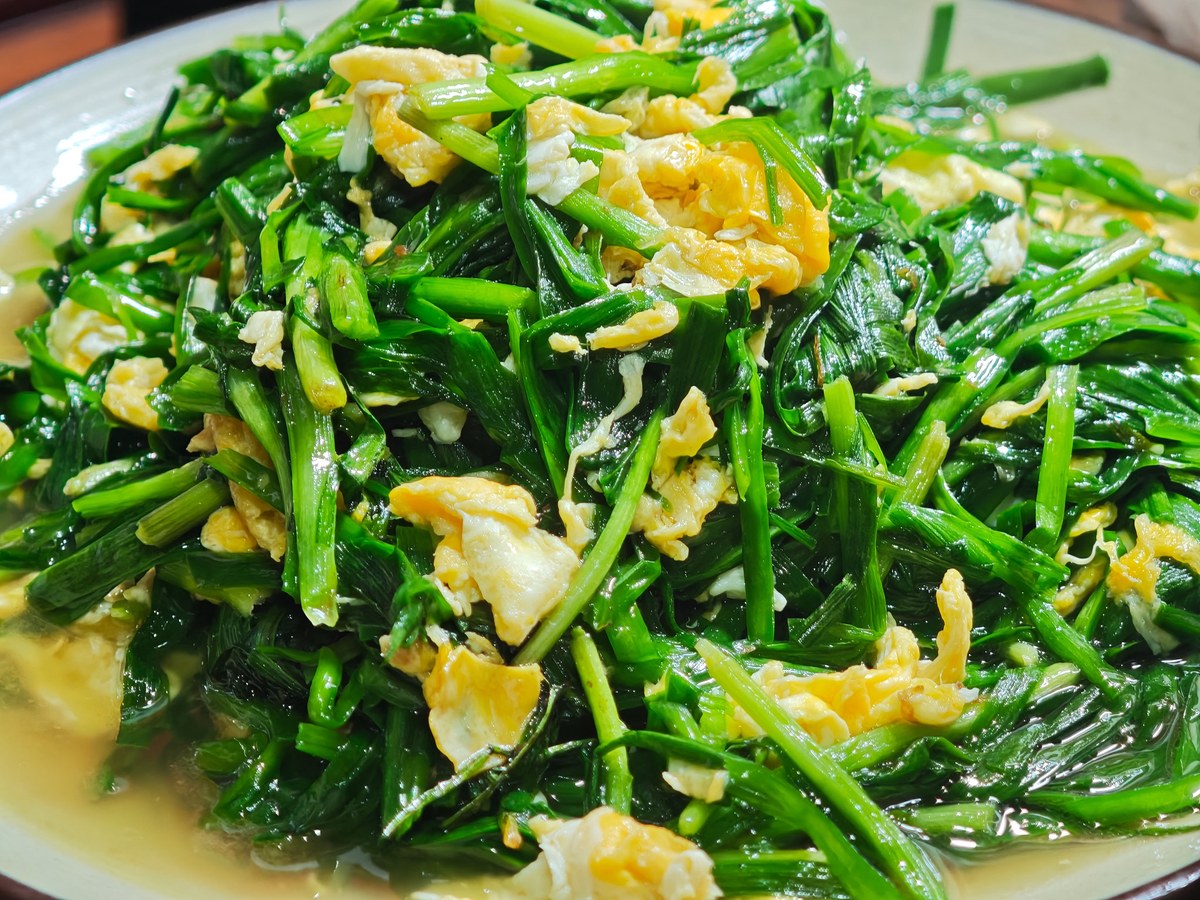
A Chinese garlic chive eggs recipe for soft scrambled egg curds, fragrant jiu cai, and a quick home-style stir-fry that stays tender.
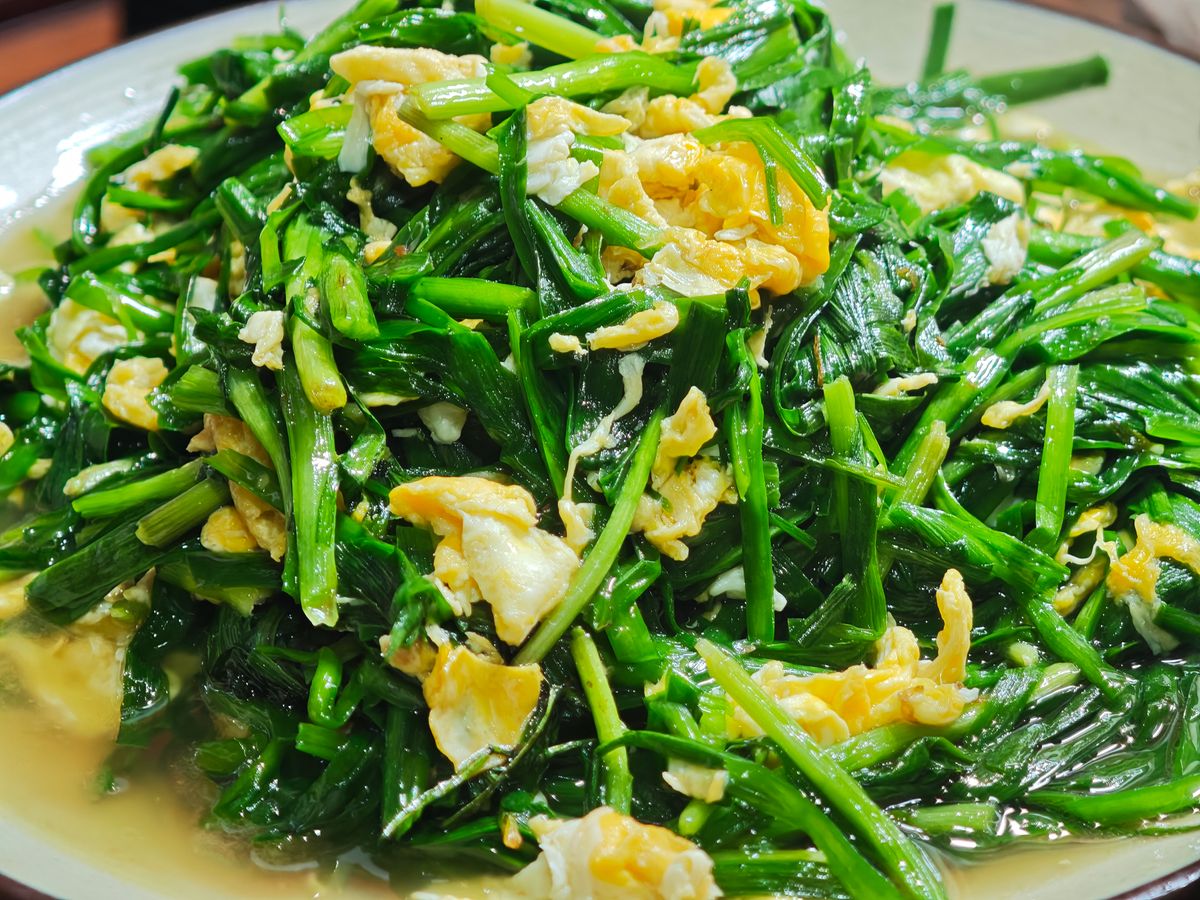
This page is rewritten around the exact chive-and-egg image rather than a vague mushroom stir-fry. It now teaches the Chinese home-cooking version: tender scrambled egg curds, garlic chives that stay green and fragrant, and a fast return-to-pan finish so the dish tastes fresh instead of watery.
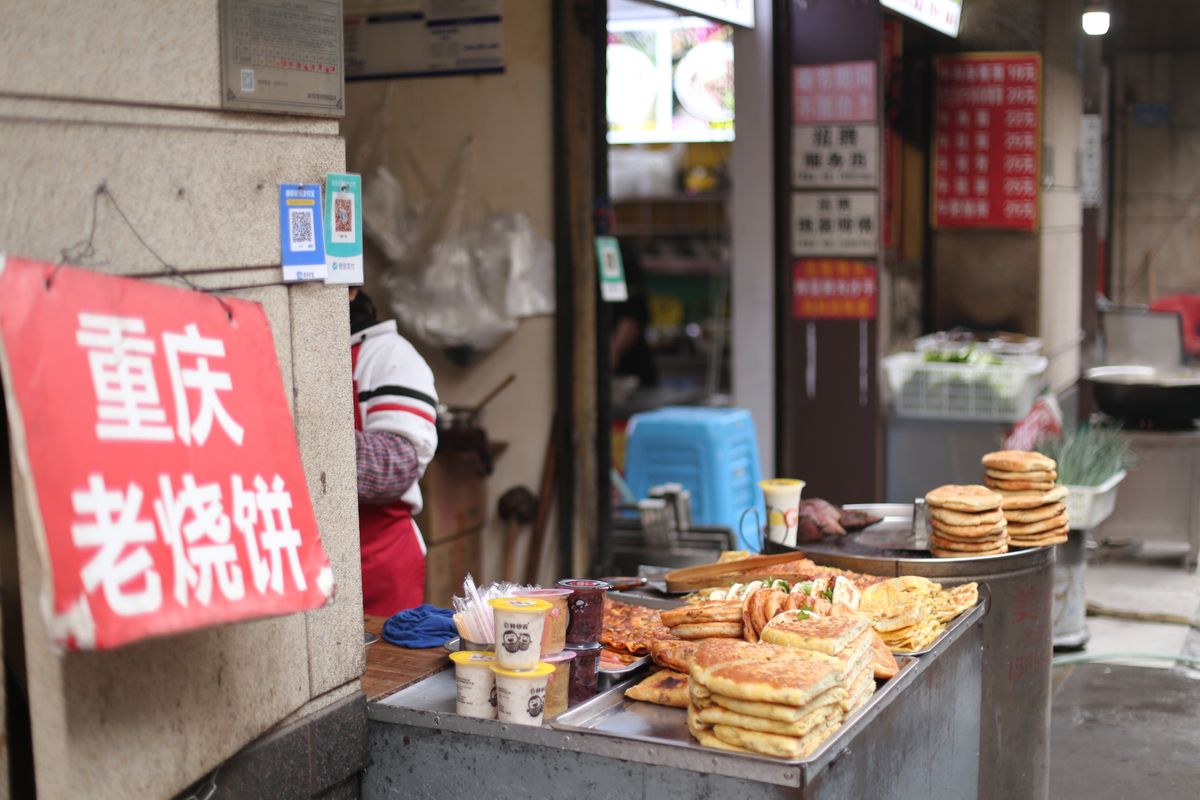
Chongqing street griddle pancakes match the reviewed image better than seafood pancake because the photo shows a street stall stacked with Chinese flatbreads and a sign for Chongqing laoshao bing, not seafood in a batter. This page teaches a home version of the stall logic: hot-water dough, a thin savory filling, firm sealing, and steady pan heat until both sides blister.
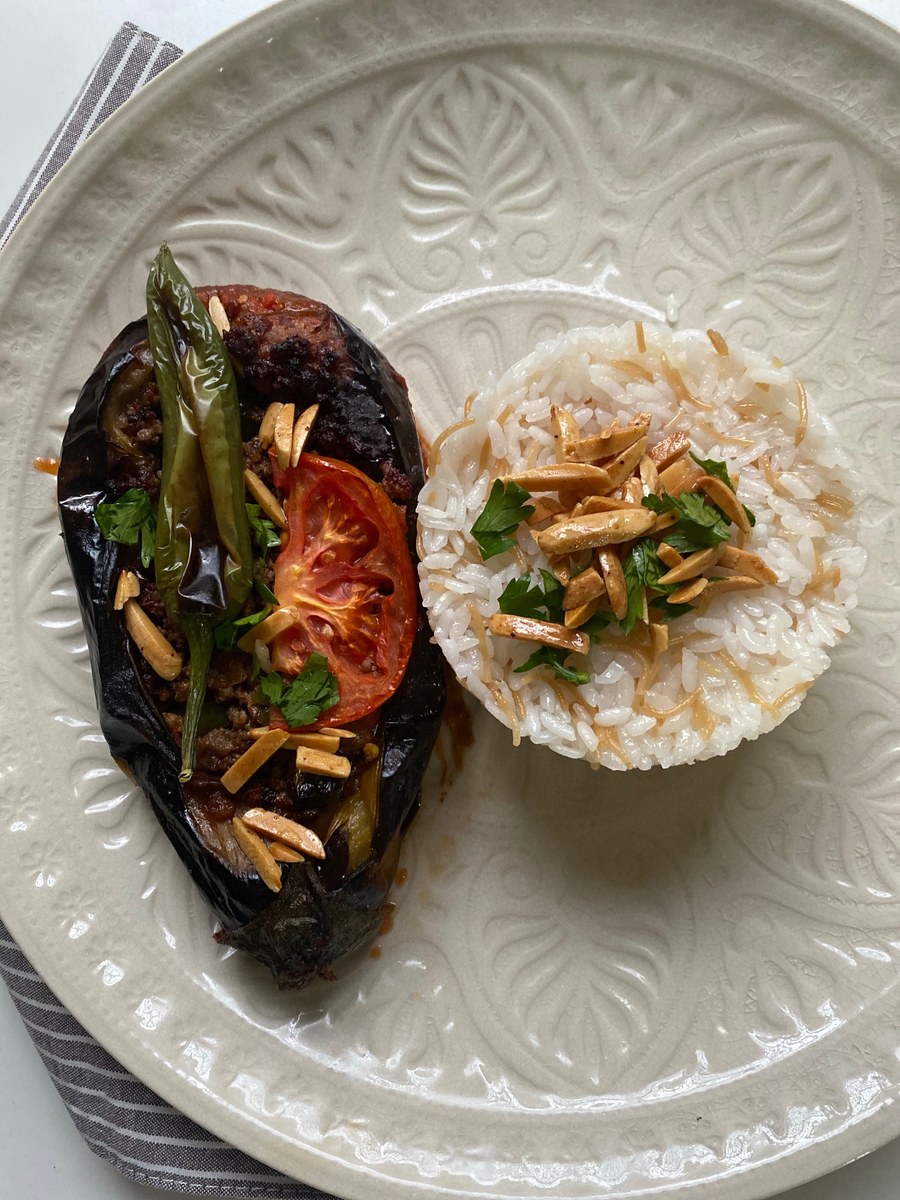
A Chinese garlic eggplant recipe focused on silky eggplant centers, browned edges, balanced garlic sauce, and avoiding the greasy-or-raw trap.
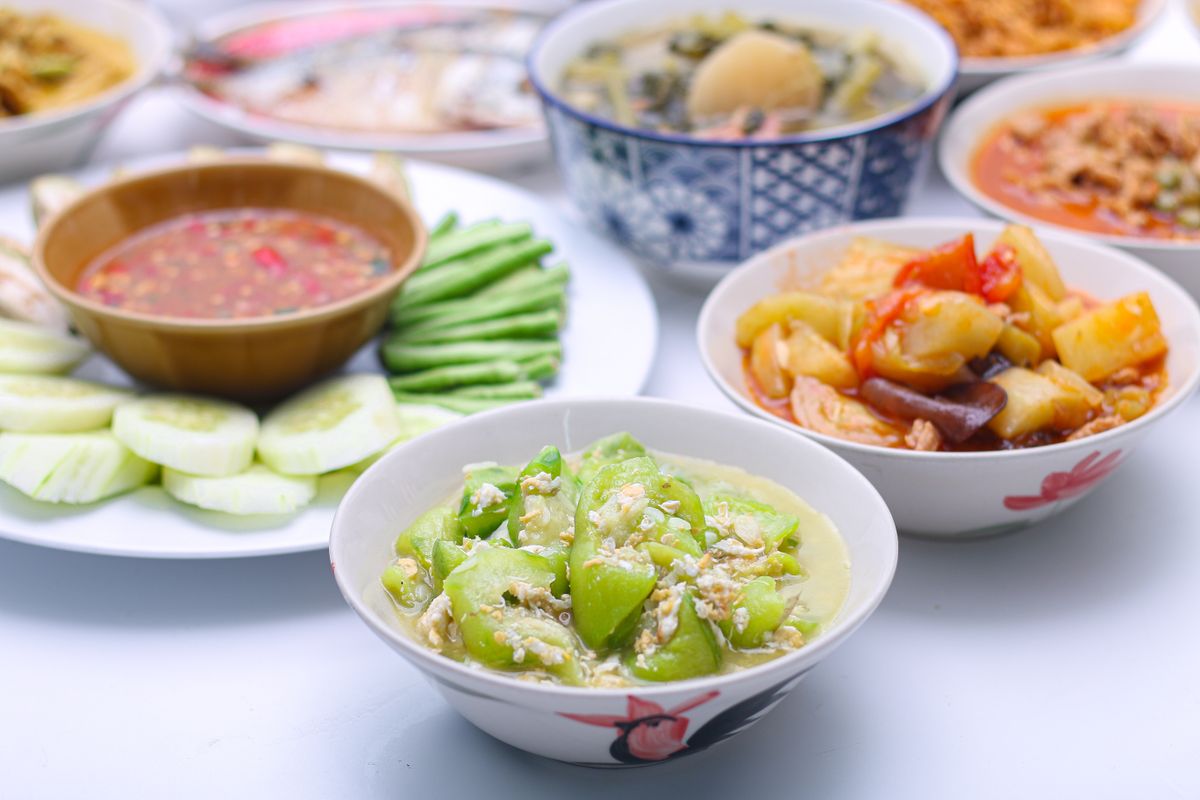
This page is rewritten to match the clean zucchini-and-egg image rather than a mismatched soup photo. The method explains a real home-cook problem: zucchini releases water quickly, so the eggs need to be cooked separately and returned only after the squash has softened without flooding the bowl.
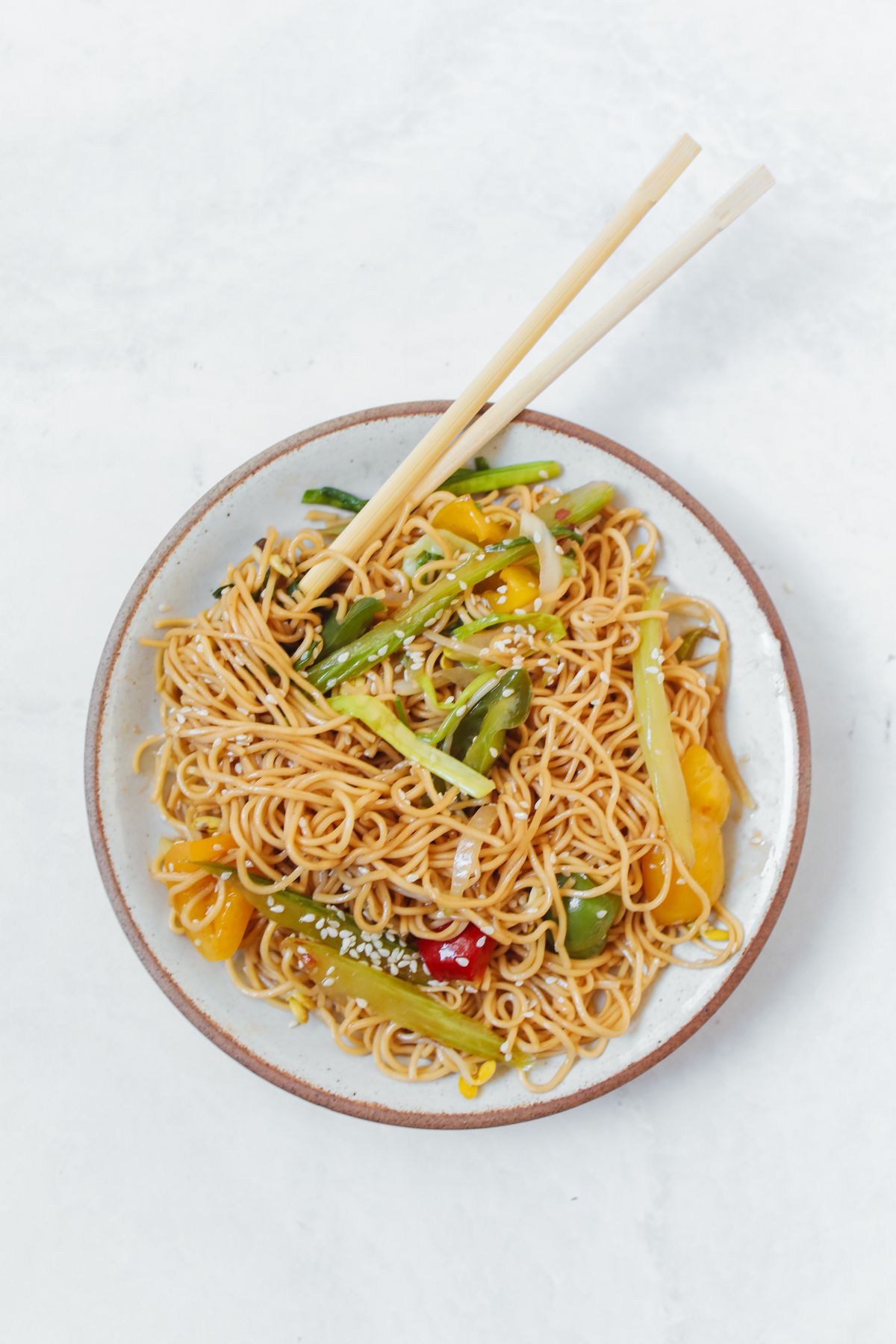
This page is rewritten around the exact vegetable noodle image instead of the older garlic greens rice noodle draft. It now teaches a Chinese-style vegetable chow mein with bouncy noodles, scallion greens, peppers, sesame, and a light soy glaze that clings without turning greasy.
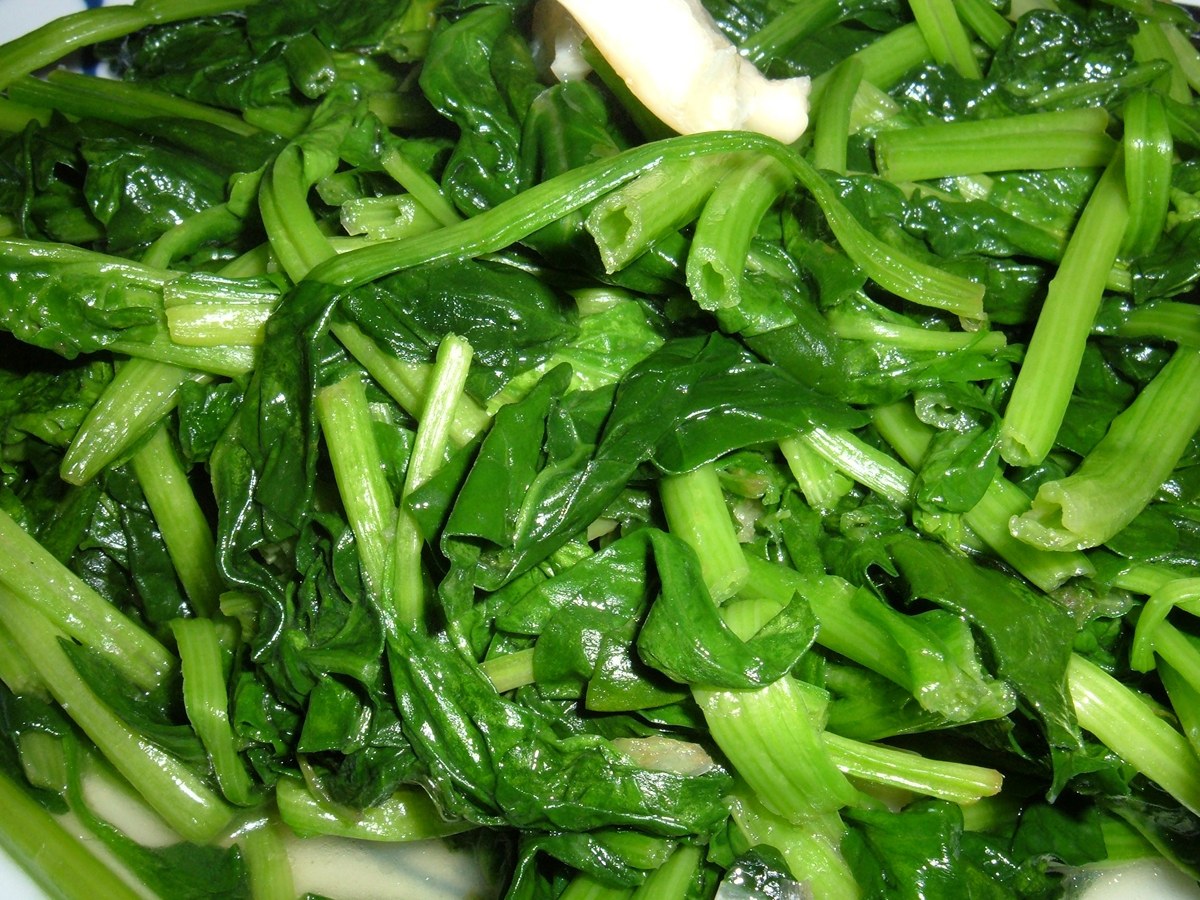
Chinese garlic spinach is simple enough to expose every mistake. The spinach has to be washed clean, dried well, and cooked in a hot pan just until the leaves collapse, while the garlic stays pale and sweet instead of browned and bitter.
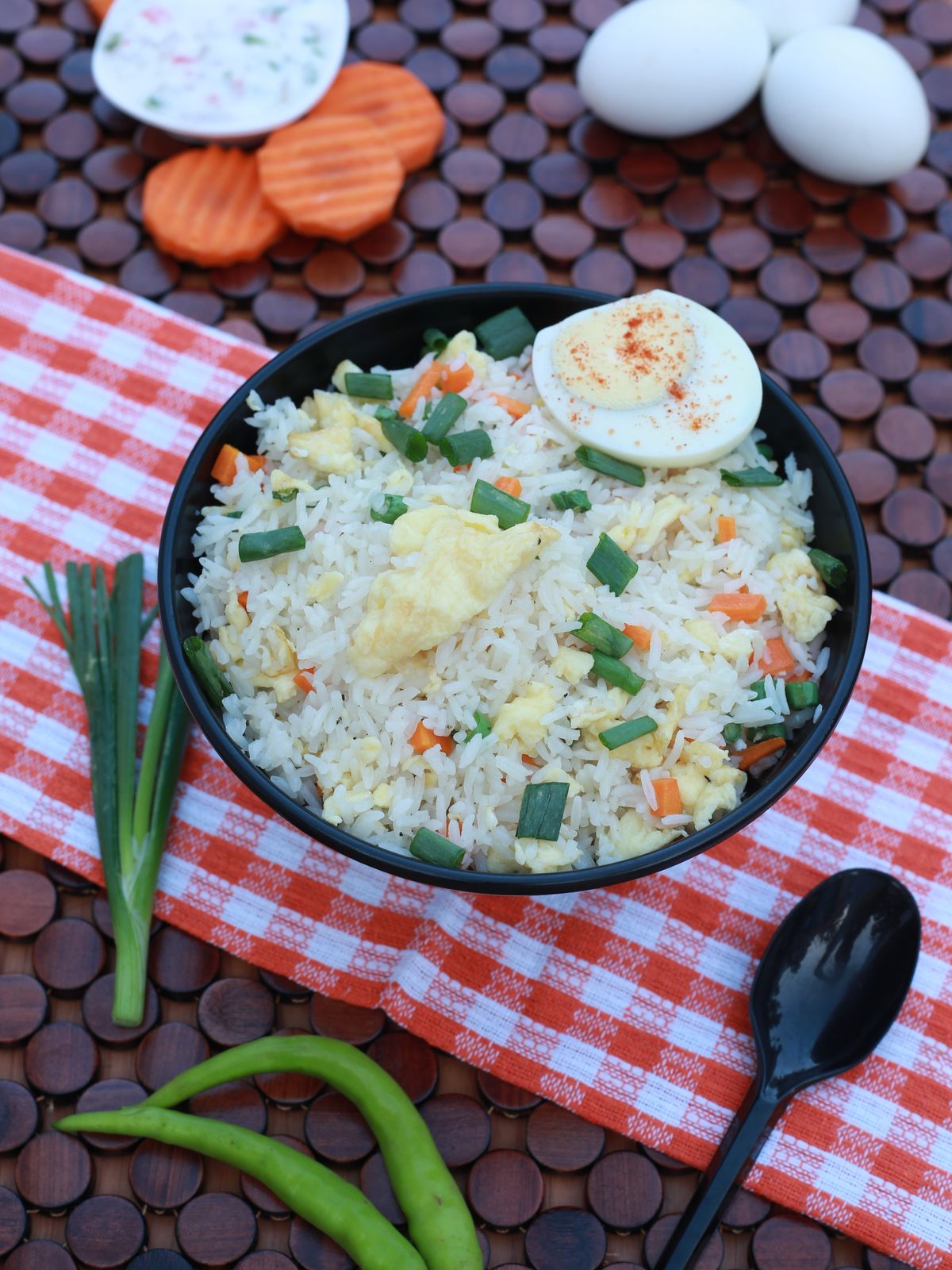
This page is rewritten around the exact fried rice image instead of a ginger beef rice bowl. It now teaches Chinese egg fried rice with carrots and scallions: cold rice, soft egg curds, small vegetables, and soy sauce added around the hot pan so the grains taste toasted rather than steamed.
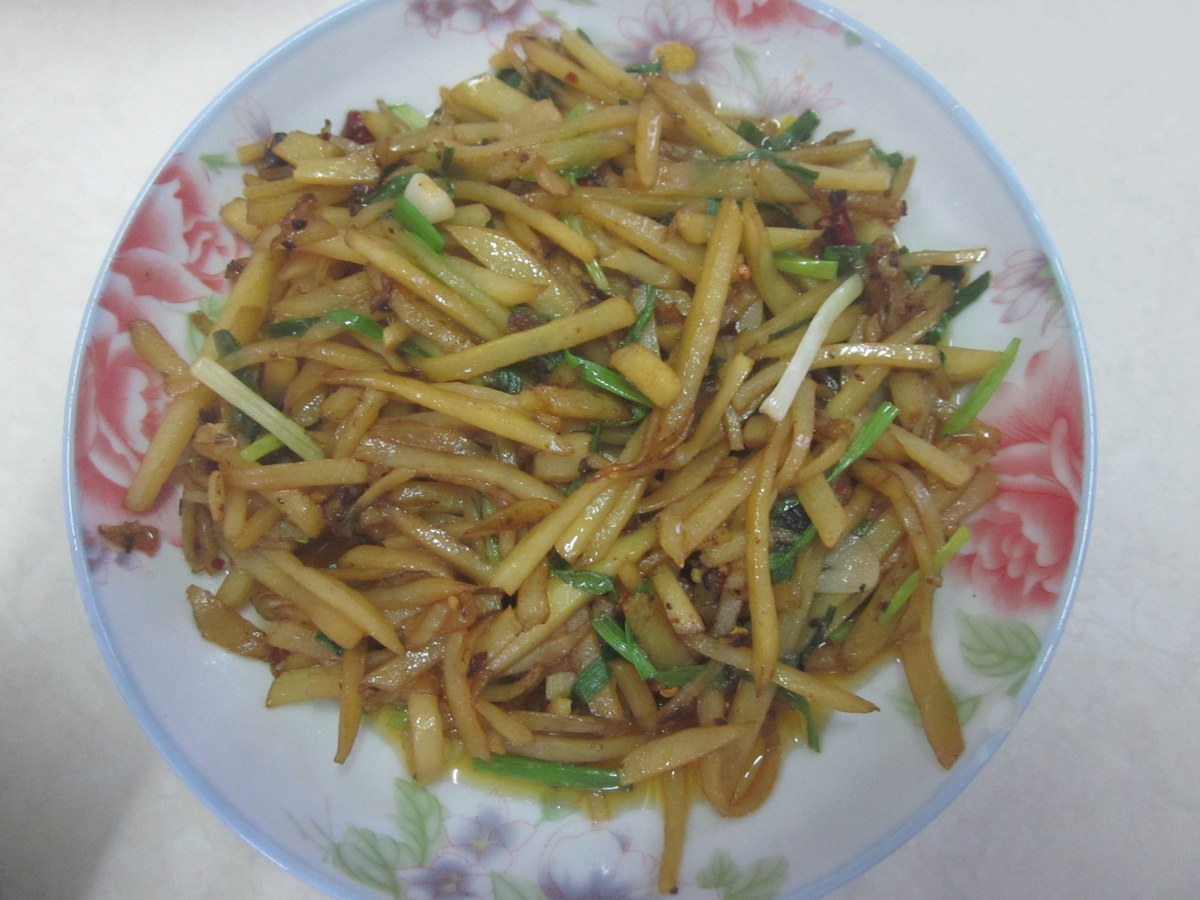
A Chinese hot and sour potato shreds recipe focused on rinsing starch, fast high-heat cooking, vinegar timing, and a crisp-tender texture.
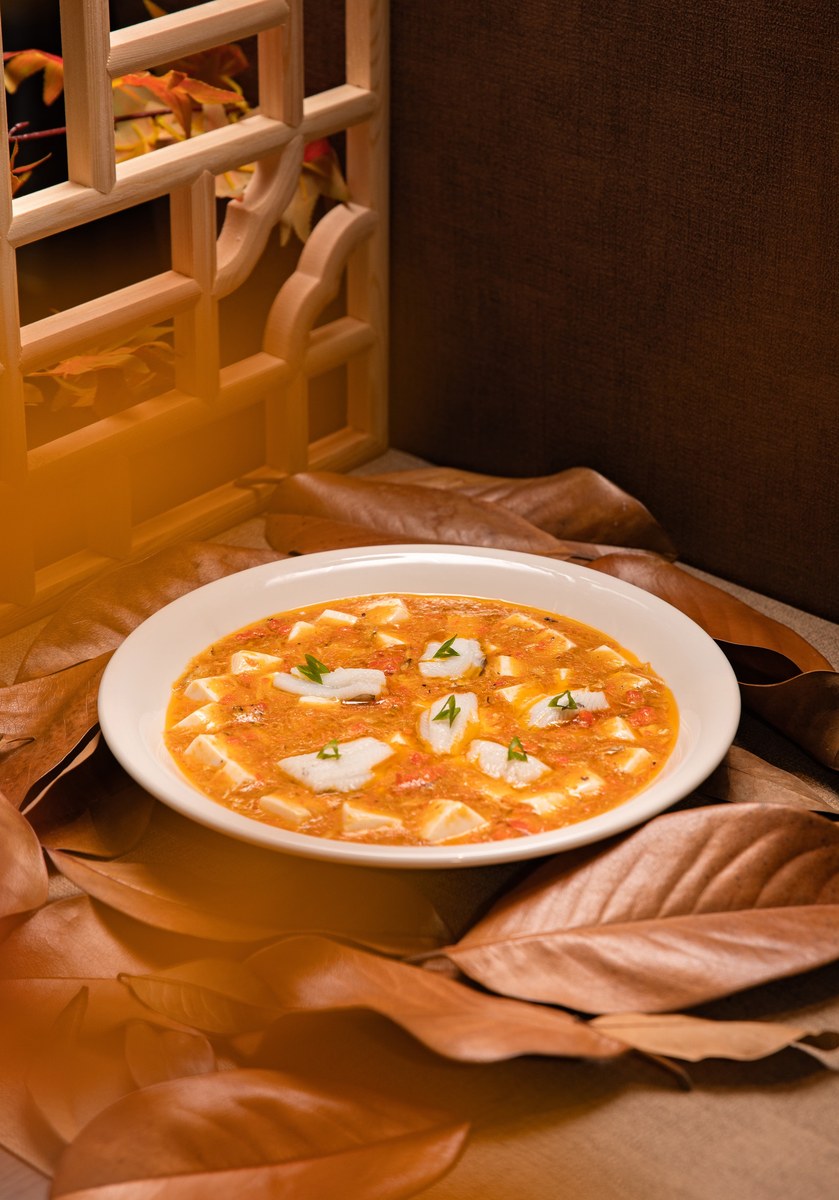
A Chinese hot and sour soup recipe that balances white pepper heat, vinegar brightness, tofu, mushrooms, bamboo shoots, and egg ribbons without making the broth muddy.
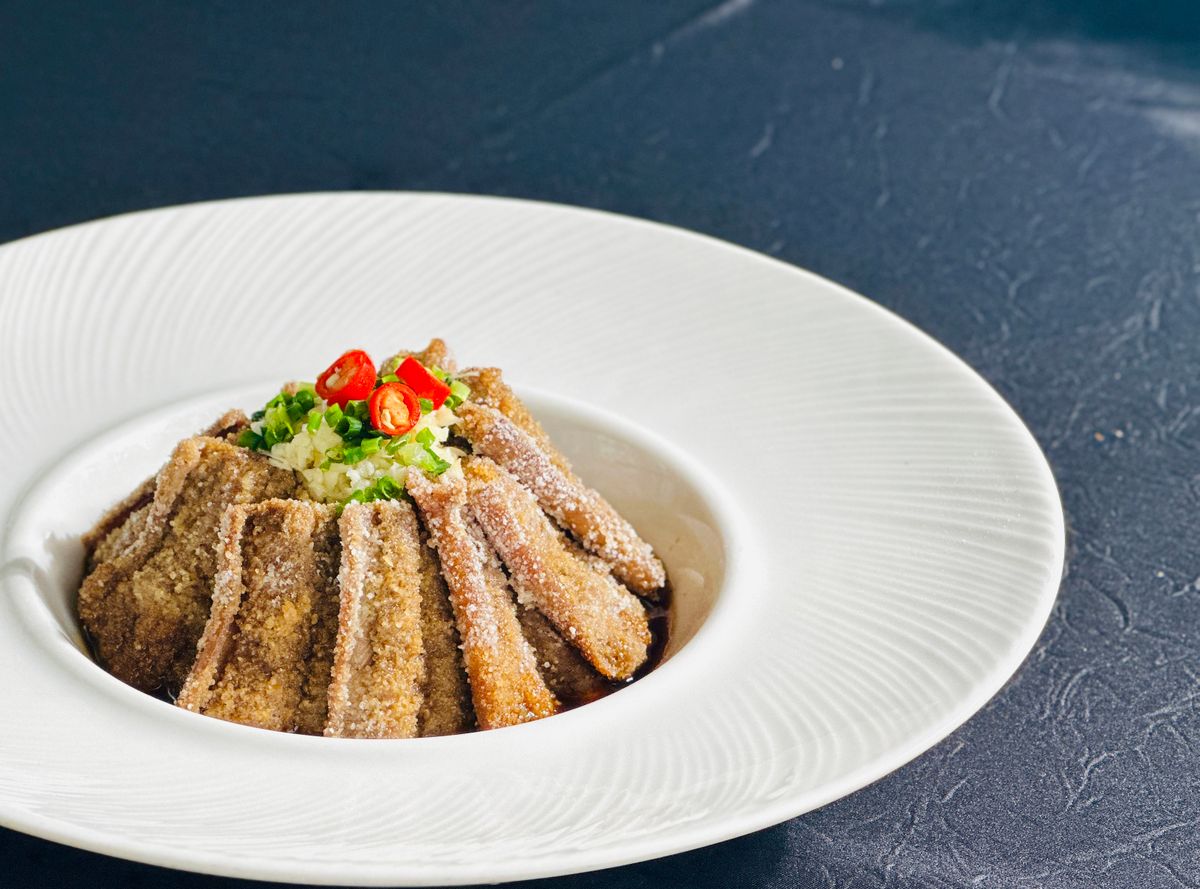
Crispy Hunan eggplant with chili and garlic is a better promise than the old chopped-chili eggplant draft because the reviewed image shows golden fried eggplant strips with minced garlic, fresh chile, and scallion. The useful lesson is how to keep eggplant crisp long enough to eat: salt lightly, starch evenly, fry hot, and sauce with restraint.
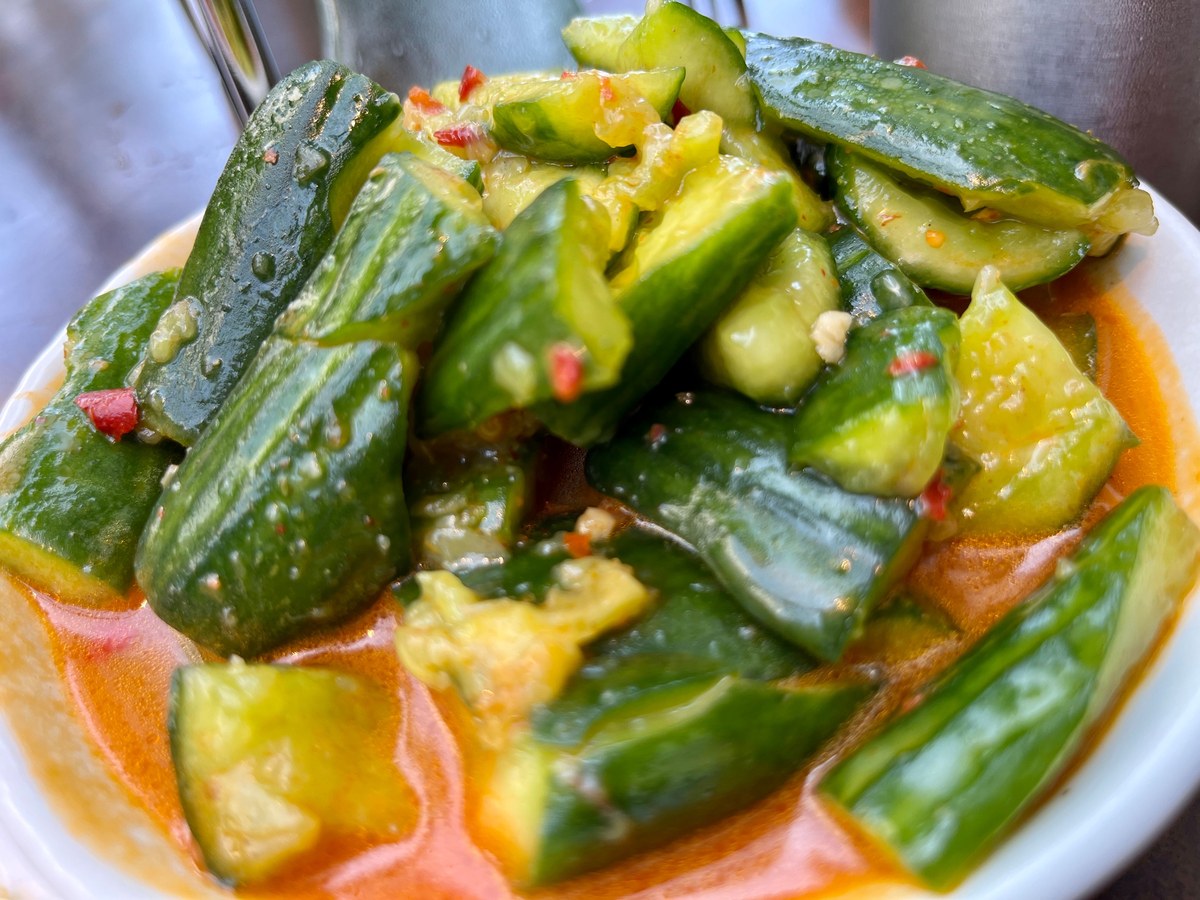
Chinese smashed cucumber salad works because the cucumber is cracked, salted, and dressed close to serving. The rough edges catch garlic, black vinegar, soy sauce, sesame oil, and chili oil, while the center stays cold and crisp instead of watery.
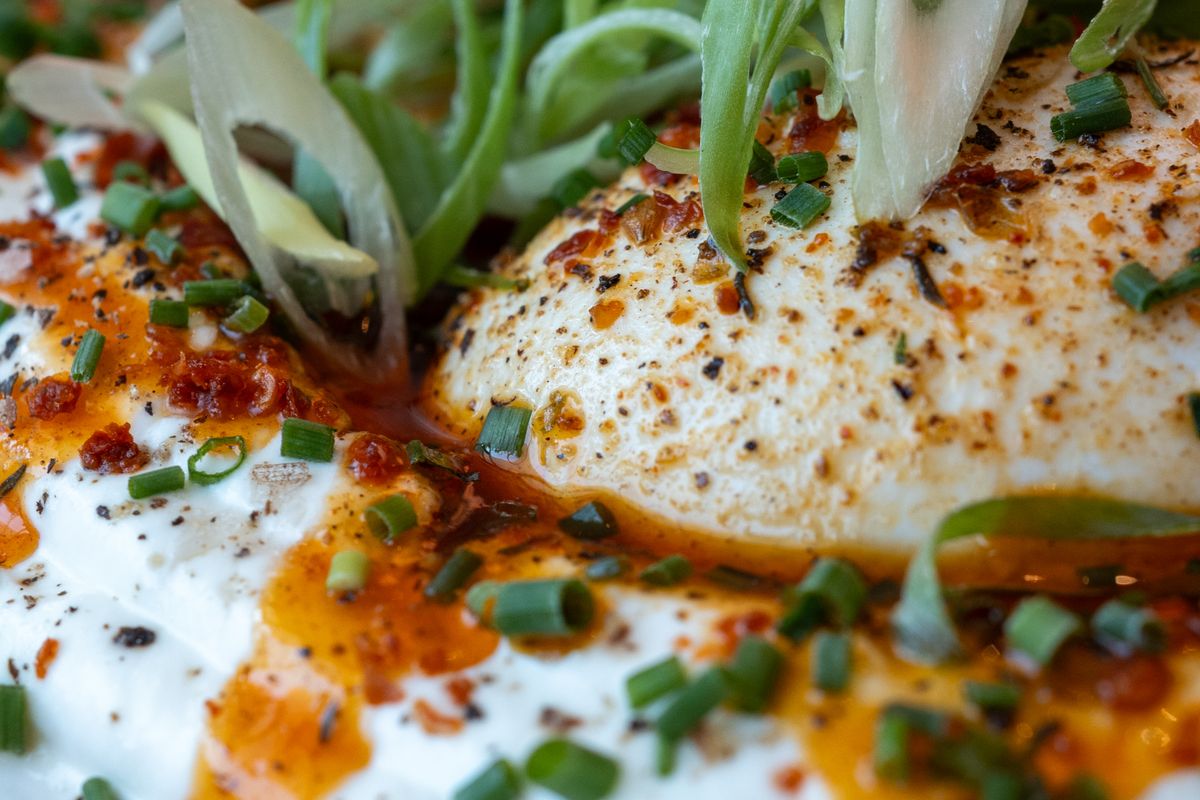
Hunan chili oil fried eggs better match the reviewed image than a generic pepper egg stir-fry because the photo shows sunny fried eggs slicked with chile oil, black pepper, chives, and scallion greens. The page now teaches the exact texture: hot oil for crisp lacy edges, low enough heat to keep the yolks soft, and chili oil added after the whites set.
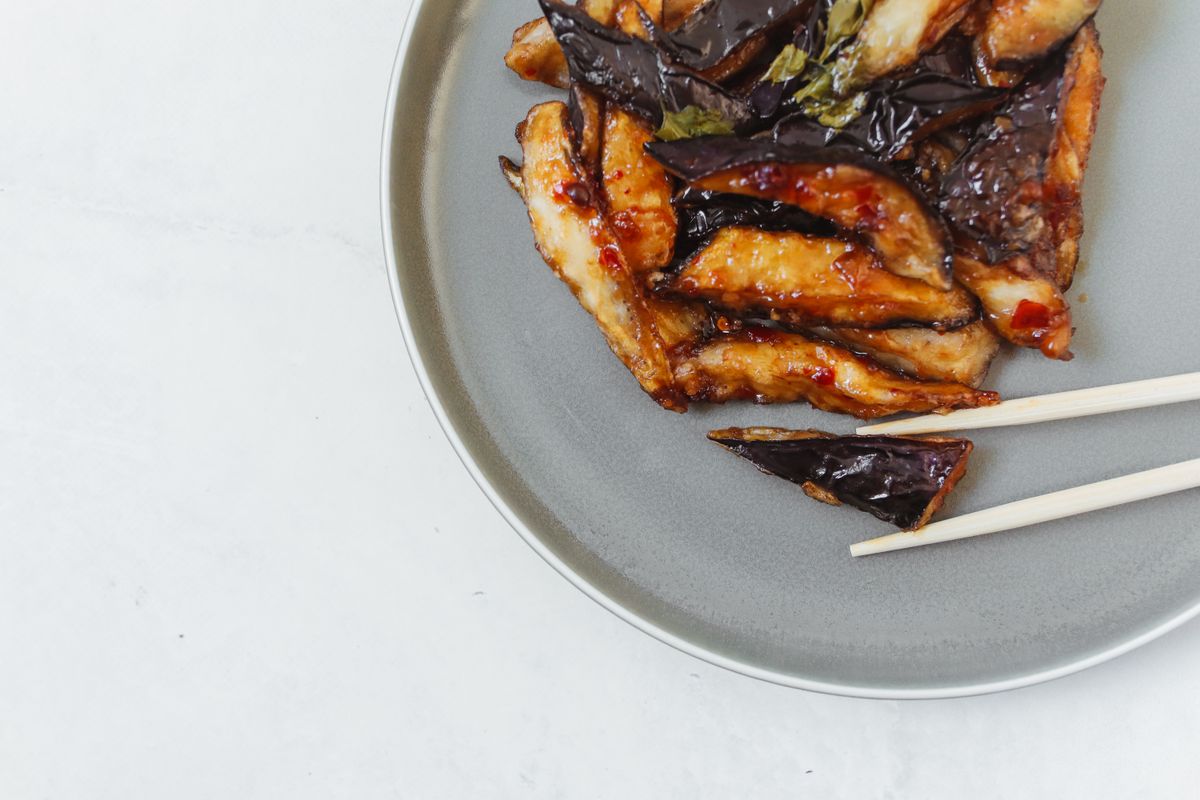
This page is rewritten around the exact eggplant image instead of the old tomato-eggplant draft. It now teaches a spicy Chinese eggplant stir-fry where the pieces brown at the edges, stay tender inside, and take on a light garlic-chili sauce without collapsing into oil.
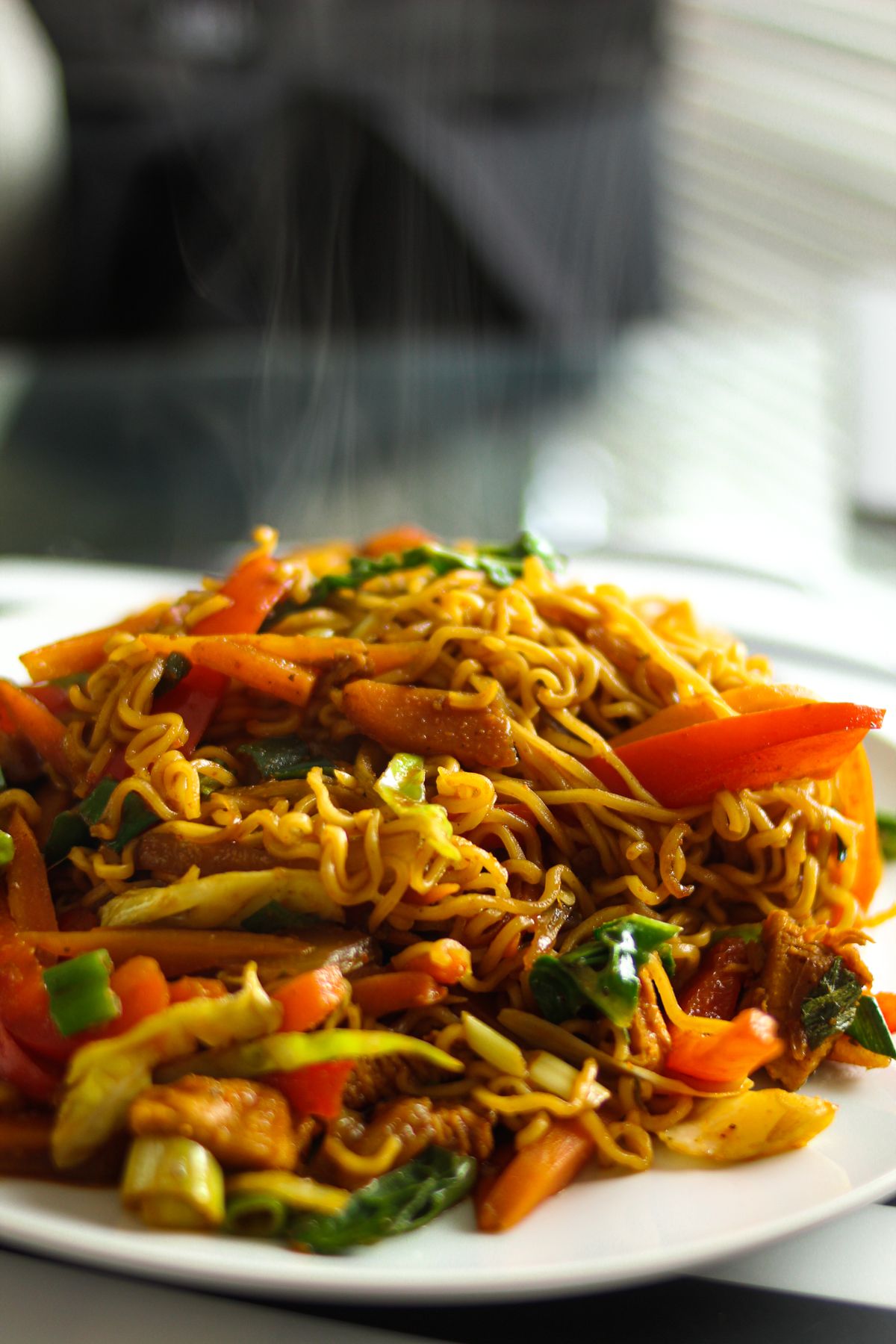
This page is rewritten around the exact stir-fried noodle image instead of the older egg-and-tomato noodle draft. It now teaches a flexible Chinese fried noodle plate with vegetables, savory soy sauce, and enough wok heat to keep the noodles springy rather than steamed.
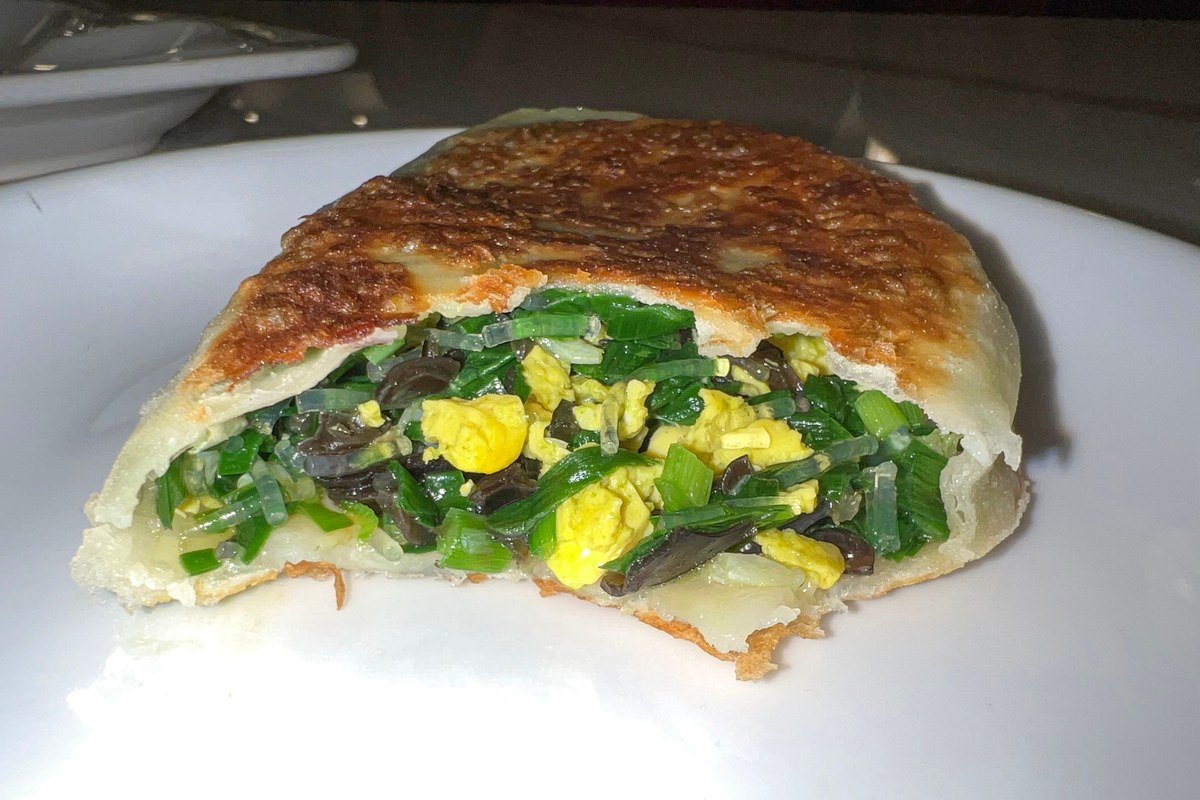
Jiucai Hezi is a northern Chinese chive pocket, not a generic leek pancake. The filling needs to stay dry and loose, the eggs need to cool before they meet the chives, and the wrapper should blister in the skillet without steaming itself soggy.
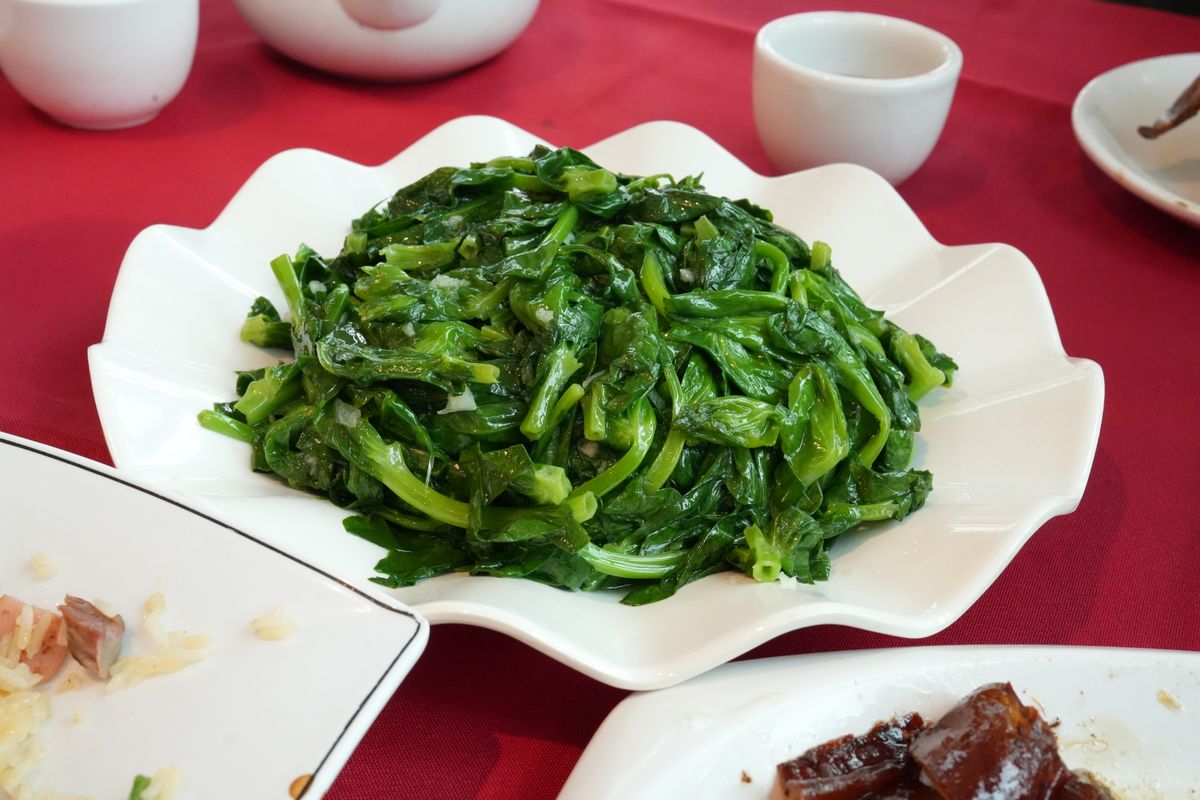
The page now uses a leafy green image instead of an unrelated spicy fish soup. The method is written around cooked lettuce or tender Chinese greens with a glossy garlic-oyster sauce, so the first impression, ingredient list, and FAQ all describe the same plate.
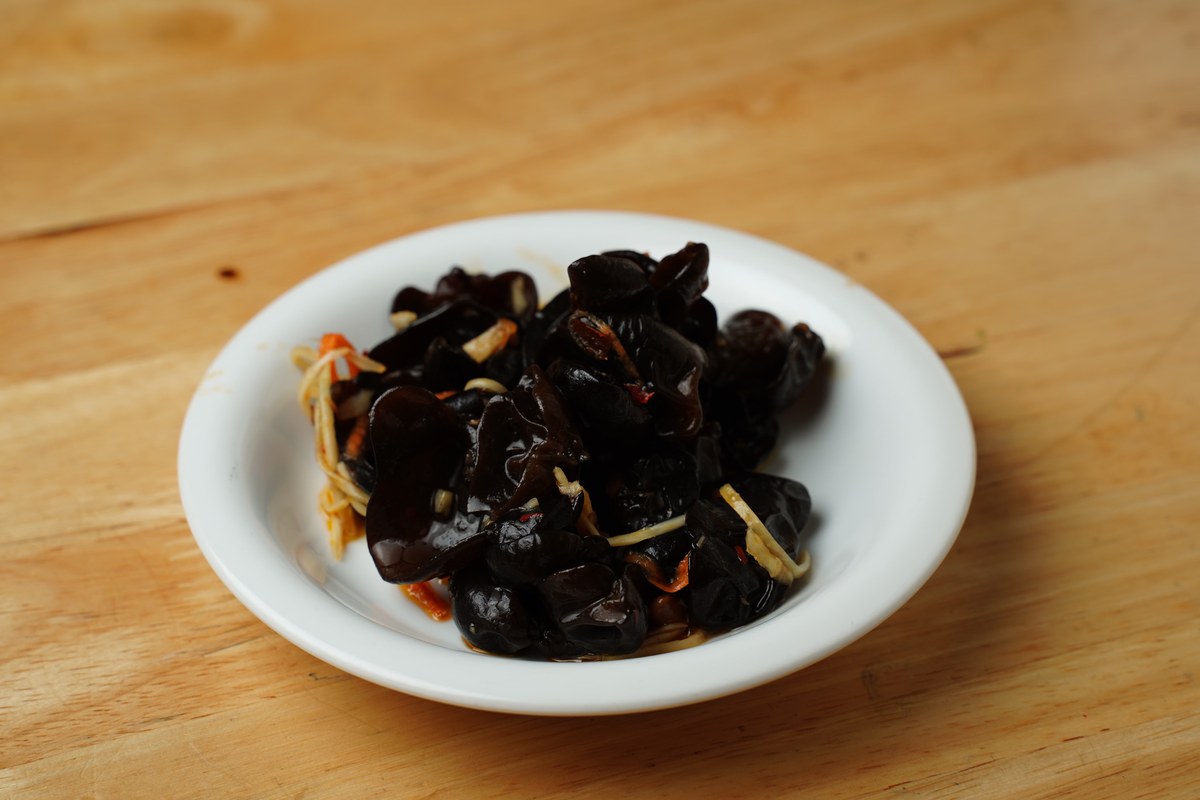
A liangban wood ear mushrooms recipe focused on rehydrating dried wood ear cleanly, trimming gritty bases, blanching for a springy bite, and dressing with black vinegar, garlic, soy, sugar, sesame oil, and chili oil.
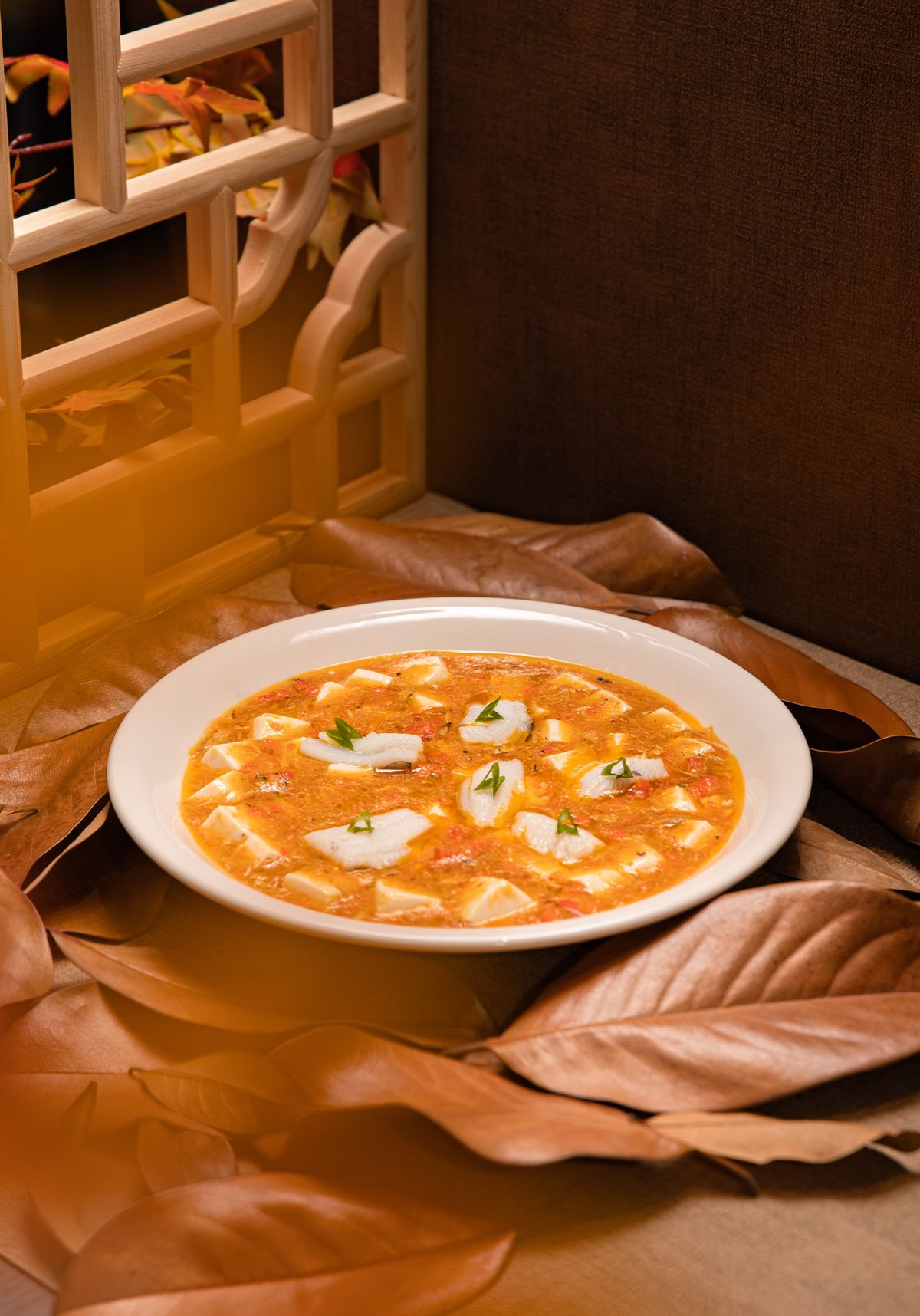
Hot and sour tofu soup is a more precise fit than a broad mala tofu soup label because the exact image shows tofu cubes in an orange, lightly thickened broth with egg ribbons and chili oil. The home-cooking challenge is balance: enough vinegar and white pepper to wake the soup up, enough body to suspend the egg, but not so much starch that it turns into paste.
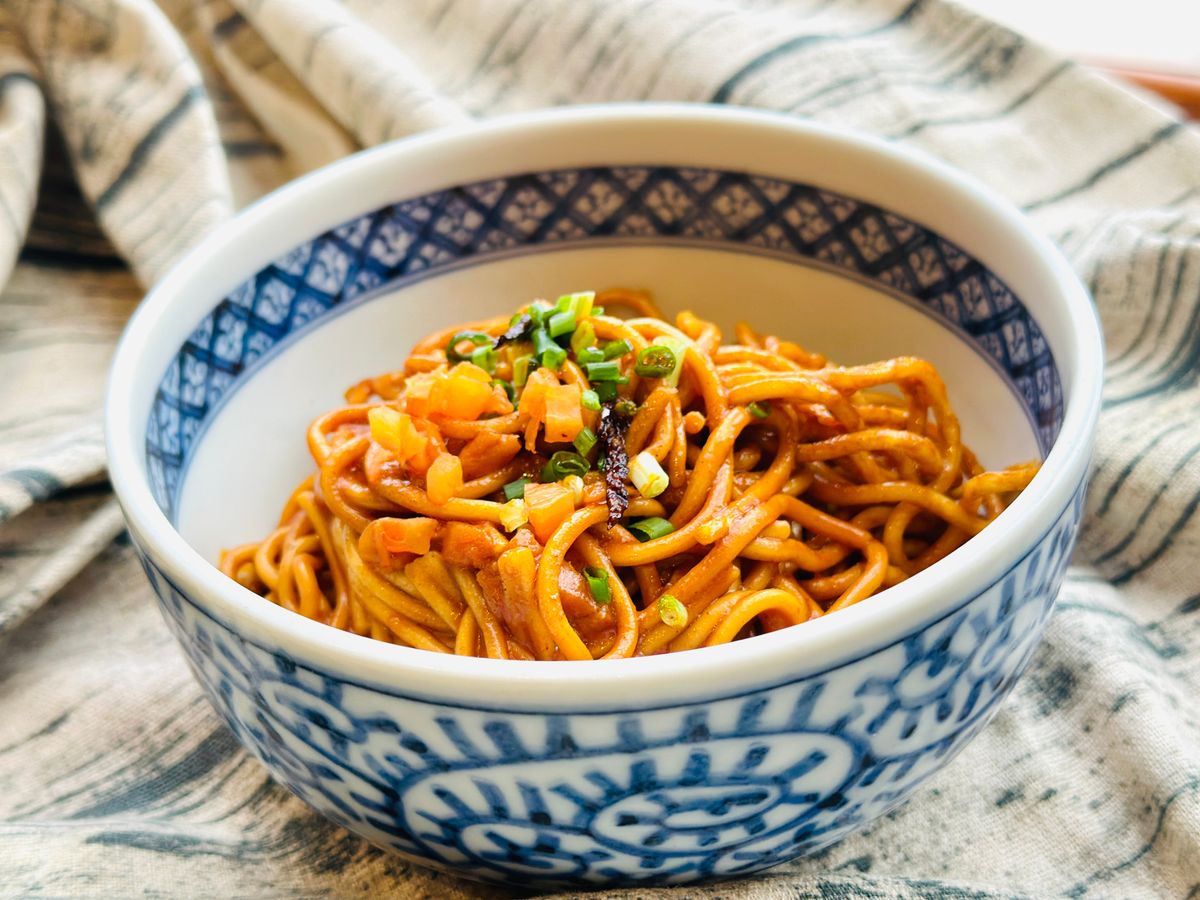
This page is rewritten to match the visible sauced noodle bowl instead of a minced pork rice noodle promise. It now teaches chili garlic noodles with vegetables: springy noodles, crisp vegetables, a fragrant garlic-chili sauce, and enough noodle water to make the sauce cling instead of sitting in oily streaks.
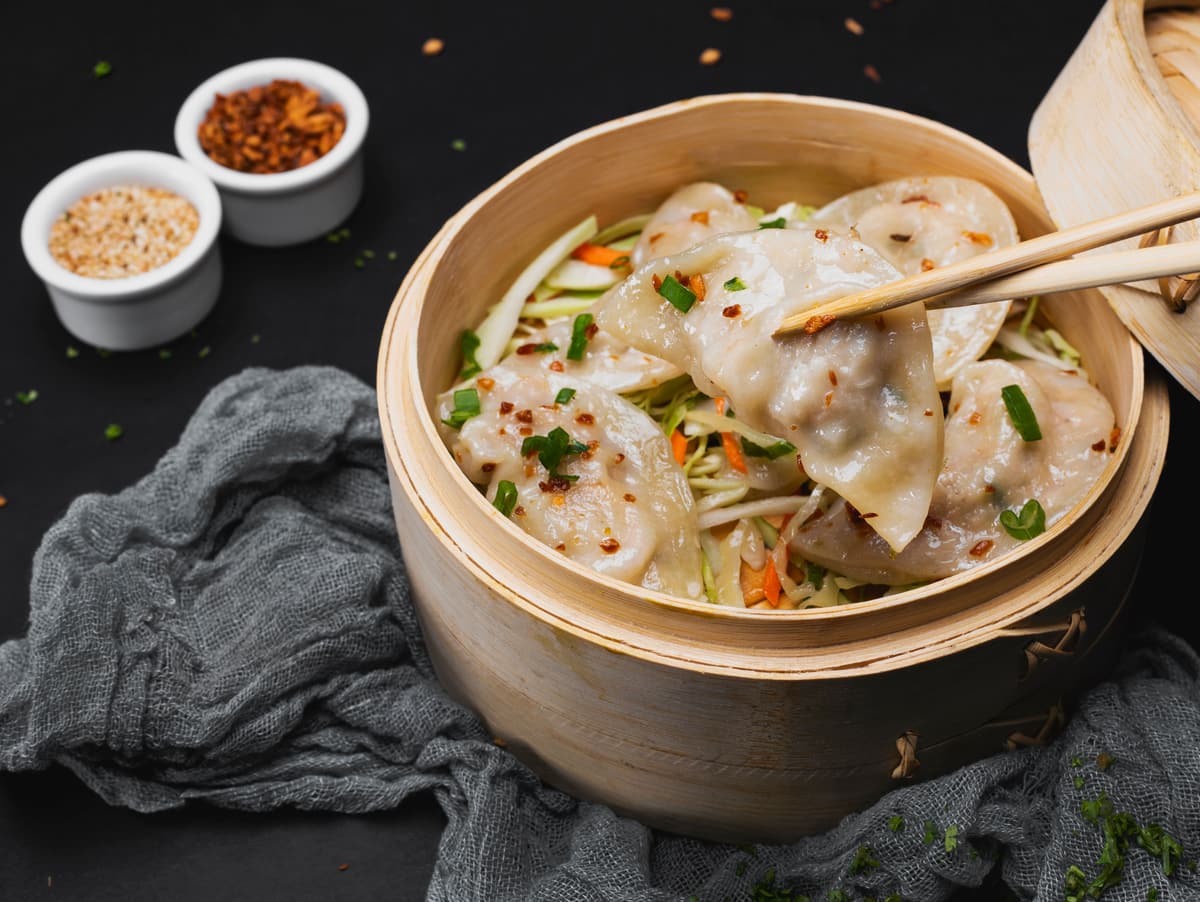
Mushroom cabbage steamed dumplings match the reviewed image and search intent better than a soup page because the photo shows glossy dumplings in a bamboo basket over shredded vegetables and chili flakes, with no broth. The refined page focuses on the vegetarian dumpling problem: remove water from cabbage, build mushroom umami, and steam without tearing the wrapper.
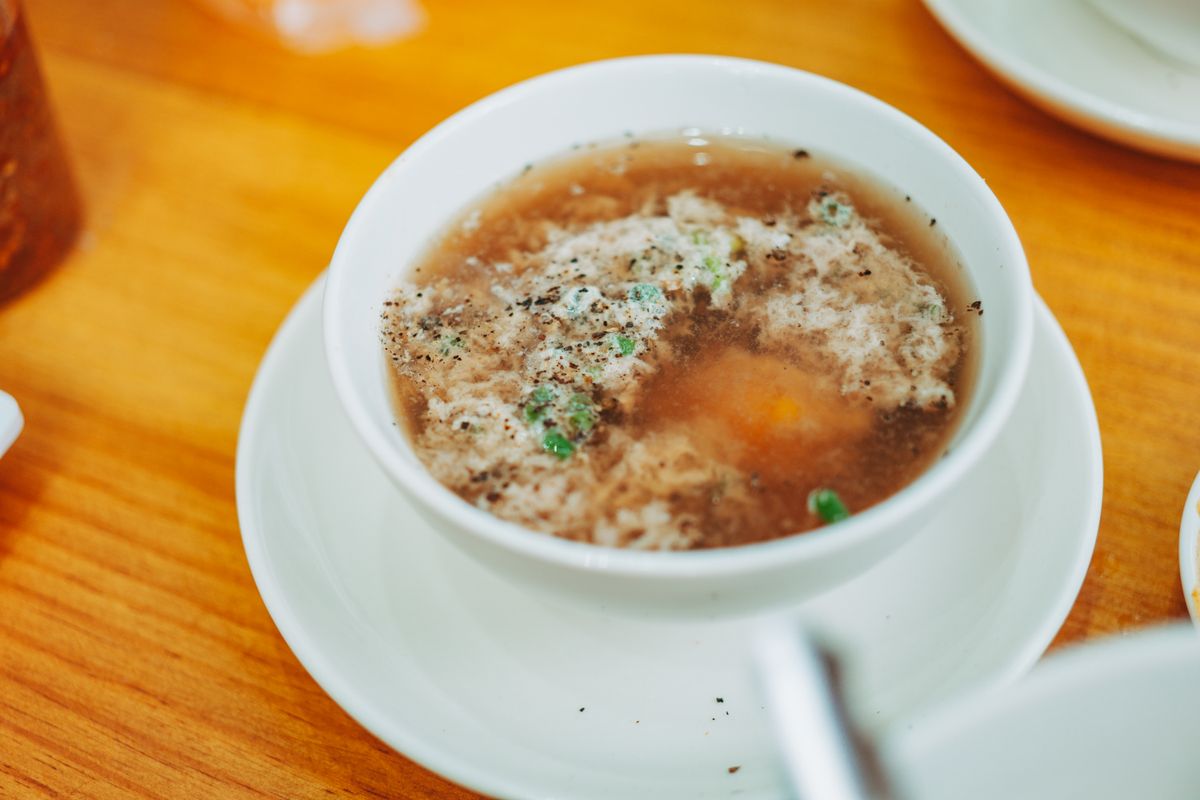
This page is rewritten around the exact egg drop soup image instead of a mushroom-specific title. It now teaches a simple Chinese egg drop soup where broth thickness, egg-pouring speed, and white pepper decide whether the ribbons are silky or ragged.
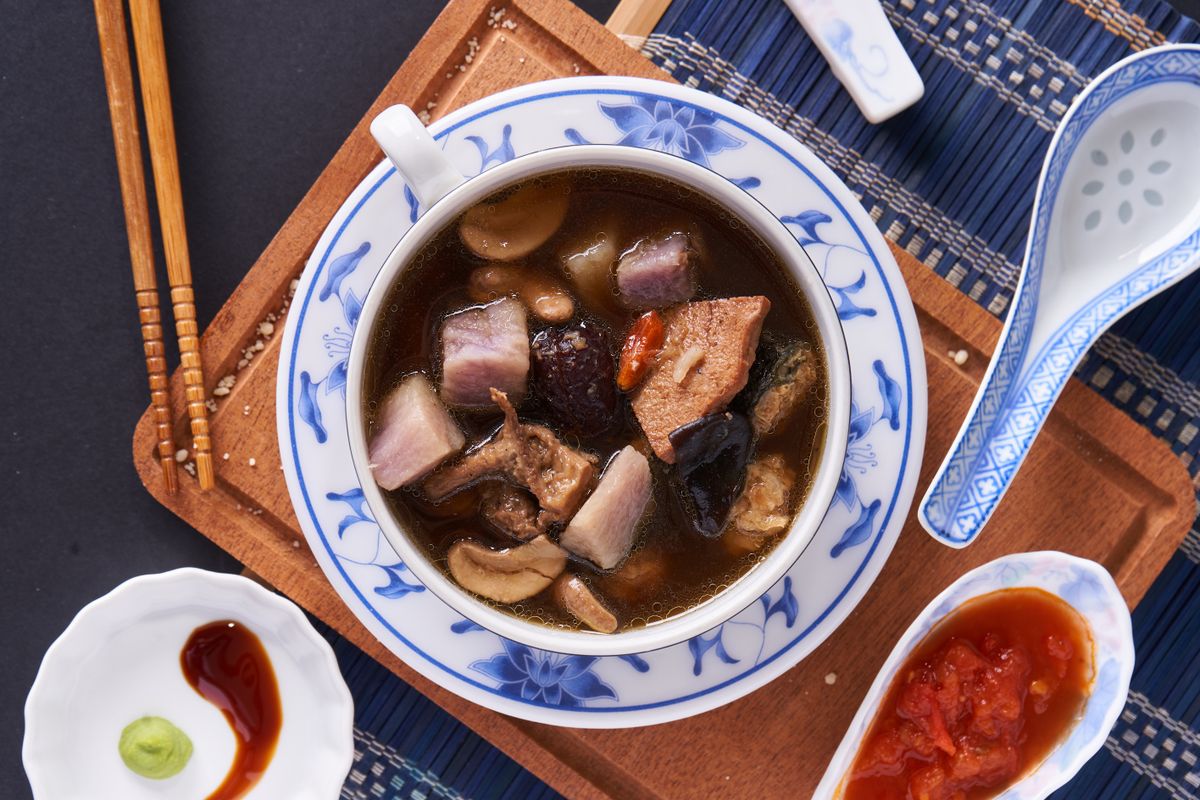
This page is rewritten to match the exact mushroom-and-tofu soup image instead of a generic noodle bowl. It now teaches a light Chinese soup built from mushrooms, tofu, ginger, and a clean soy-seasoned broth, with practical cues for keeping tofu pieces whole and mushrooms deeply savory without turning the soup muddy.
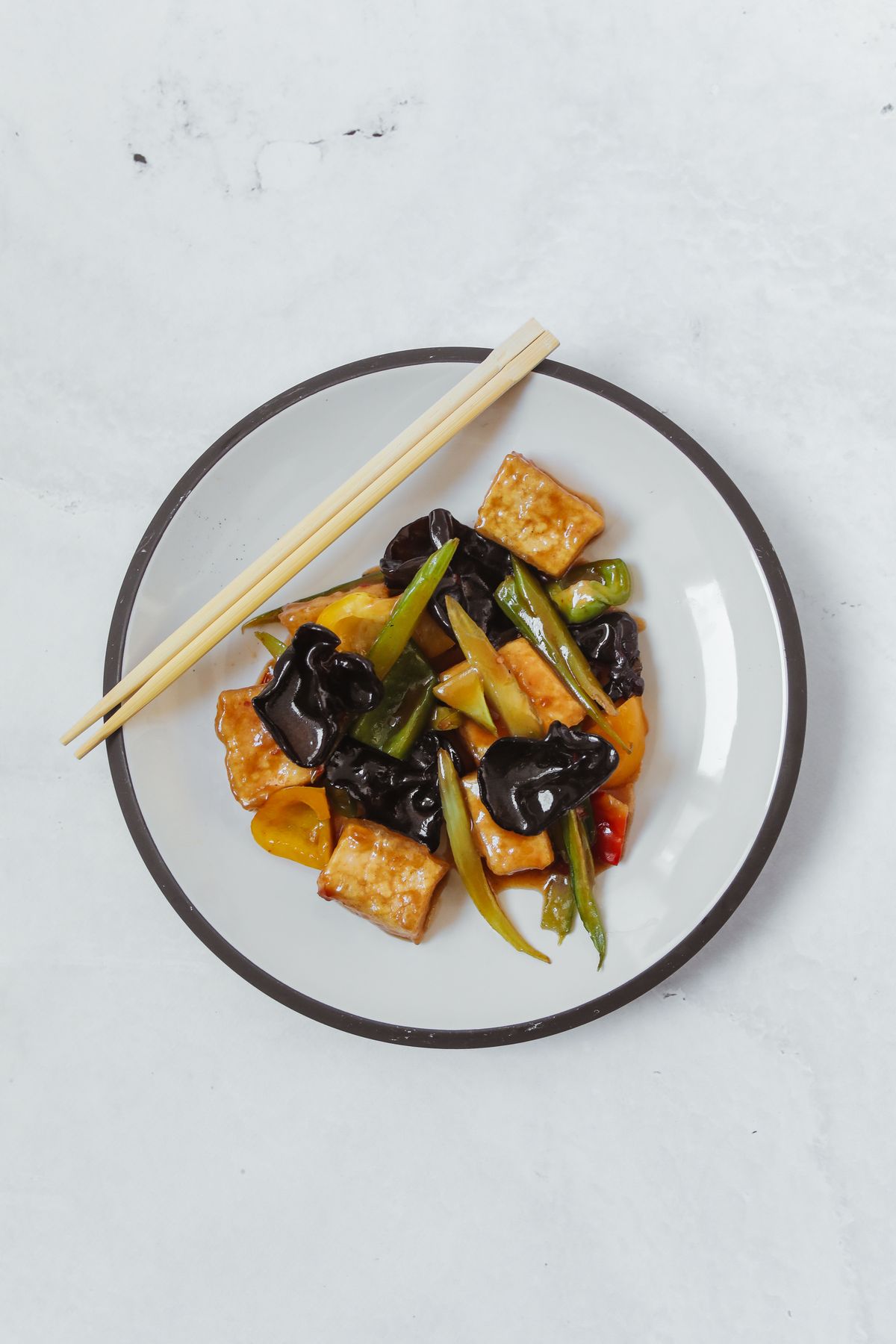
Mushroom Tofu Stir-Fry now matches the visible plate: browned tofu cubes, glossy wood ear mushrooms, green vegetables, and a light brown sauce. The useful home-cook lesson is to brown the tofu first and add wood ear late enough to stay springy rather than soggy.
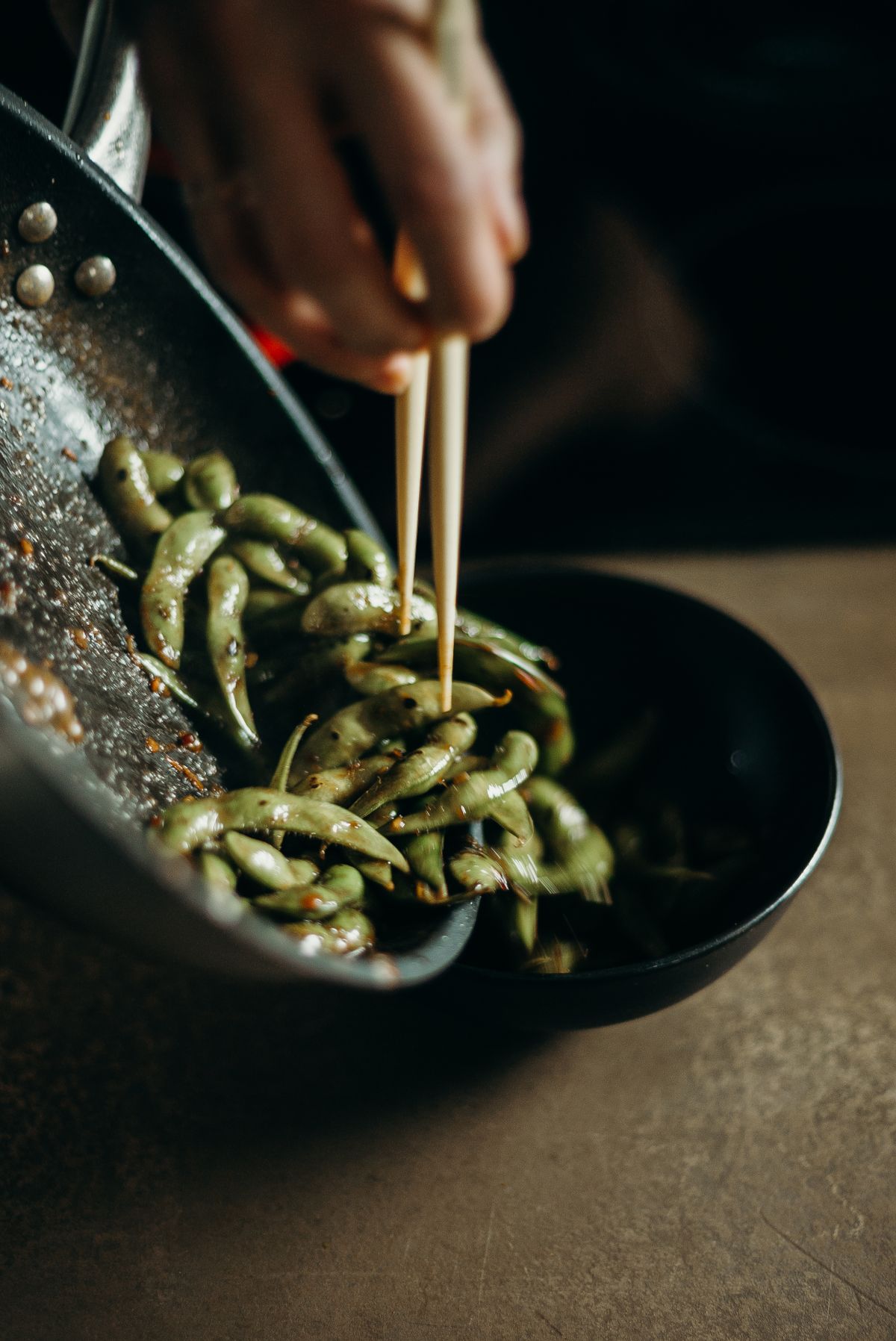
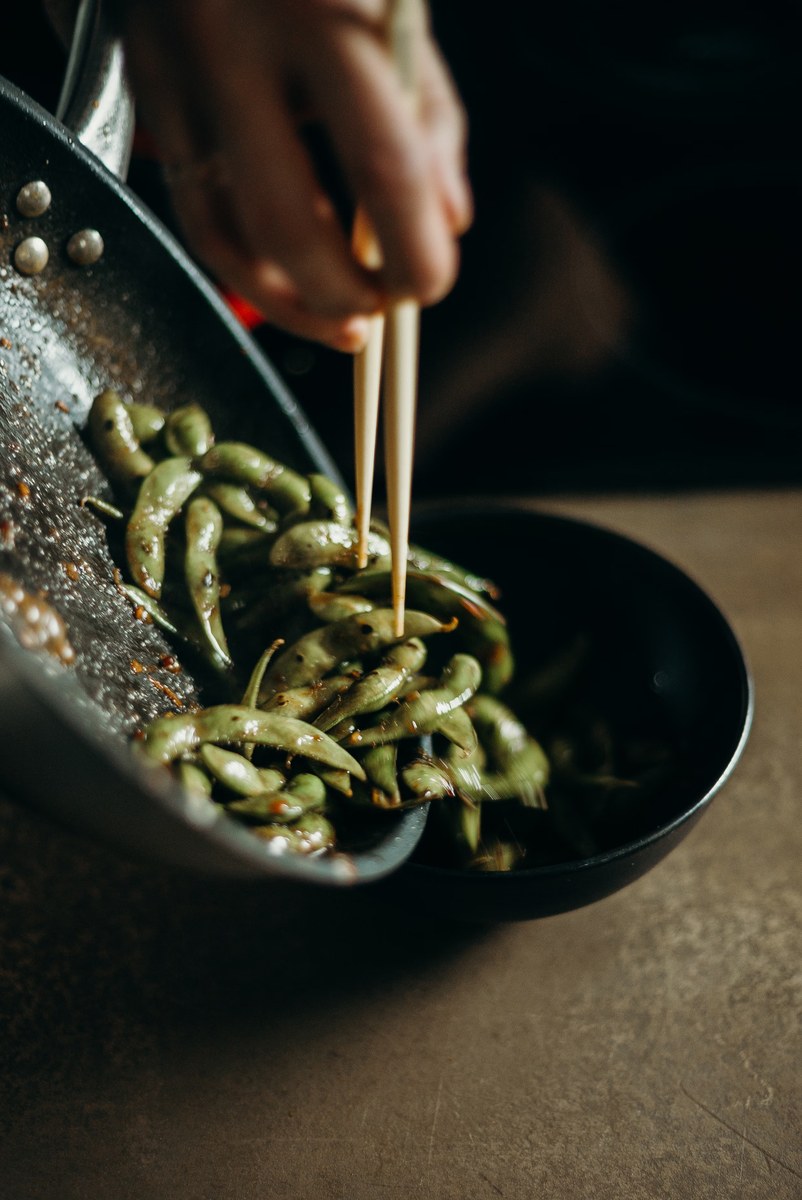
This page is rewritten around the exact edamame image instead of the old bean sprout stir-fry draft. It now teaches spicy garlic edamame tossed hot with chili, garlic, and optional Sichuan pepper so the pods stay glossy, aromatic, and snackable.
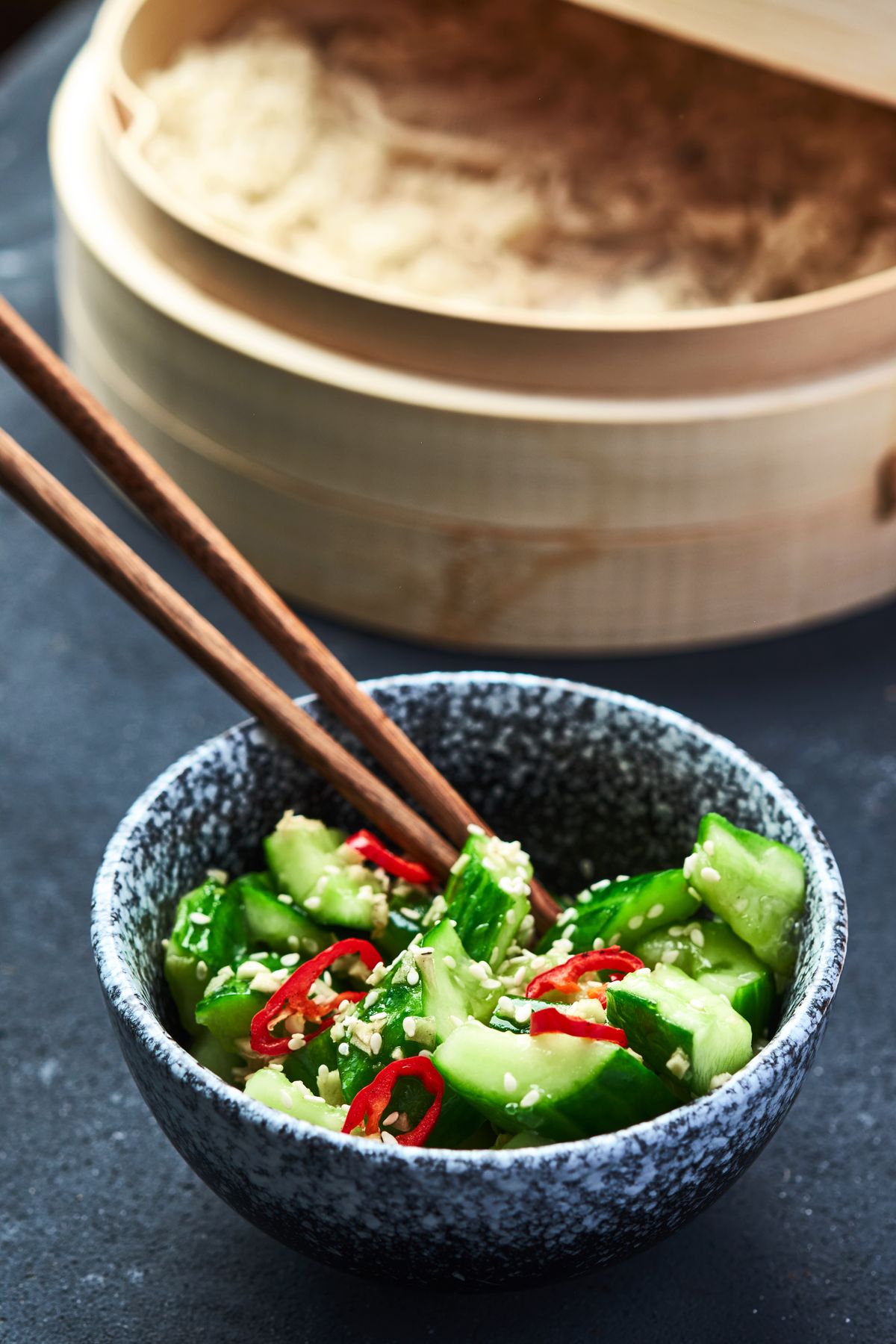
Northern garlic cucumber salad is the cleaner long-tail angle for this page because the broader Chinese smashed cucumber query is already covered elsewhere on the site. This version still uses the pai huang gua technique, but it leans direct and garlicky: cracked cold cucumber, soy, vinegar, sesame oil, and optional chili.
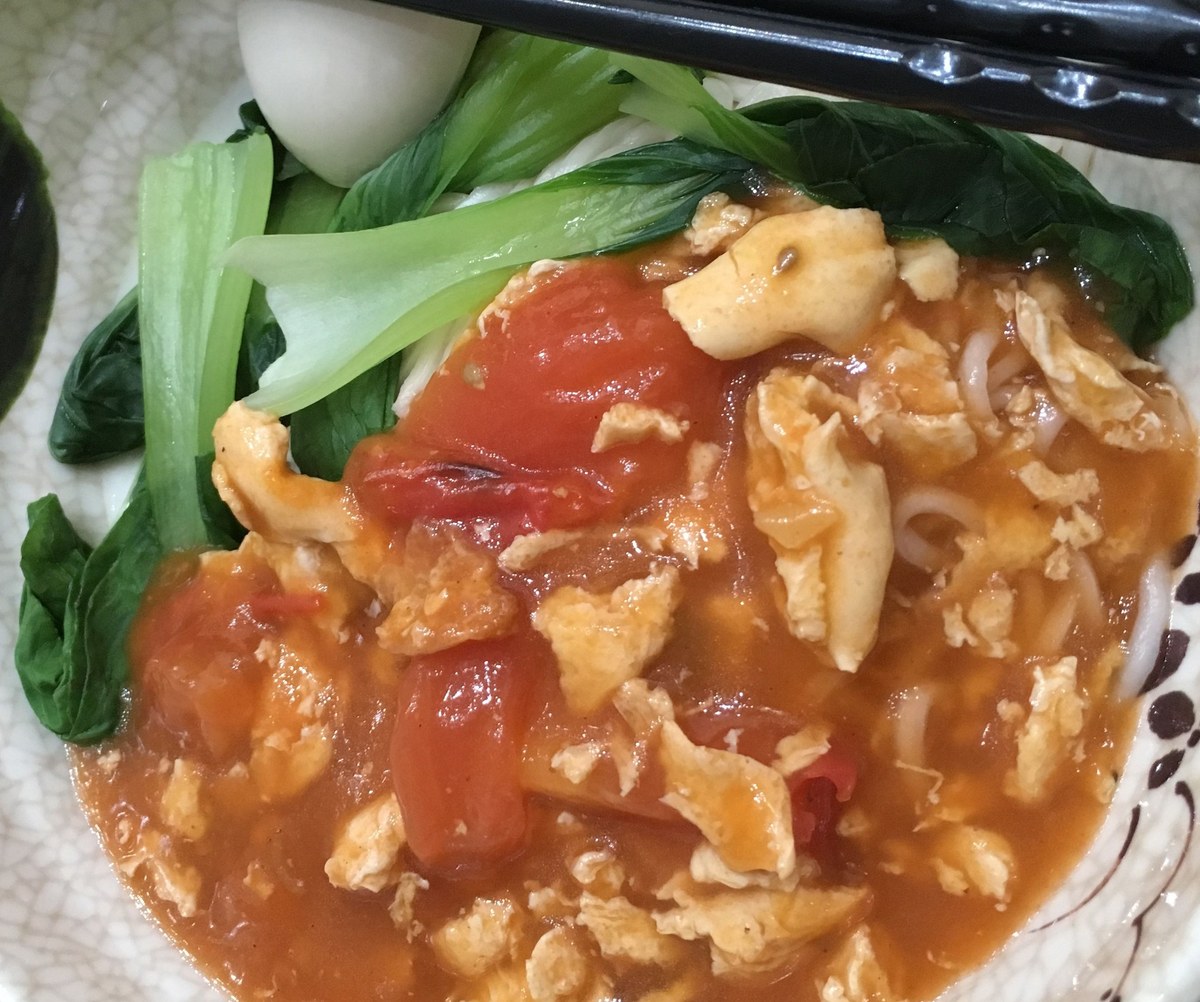
A tomato egg noodles recipe focused on juicy tomatoes cooked into a loose sauce, soft eggs added back at the end, and wheat noodles that stay springy under the tomato-egg topping.
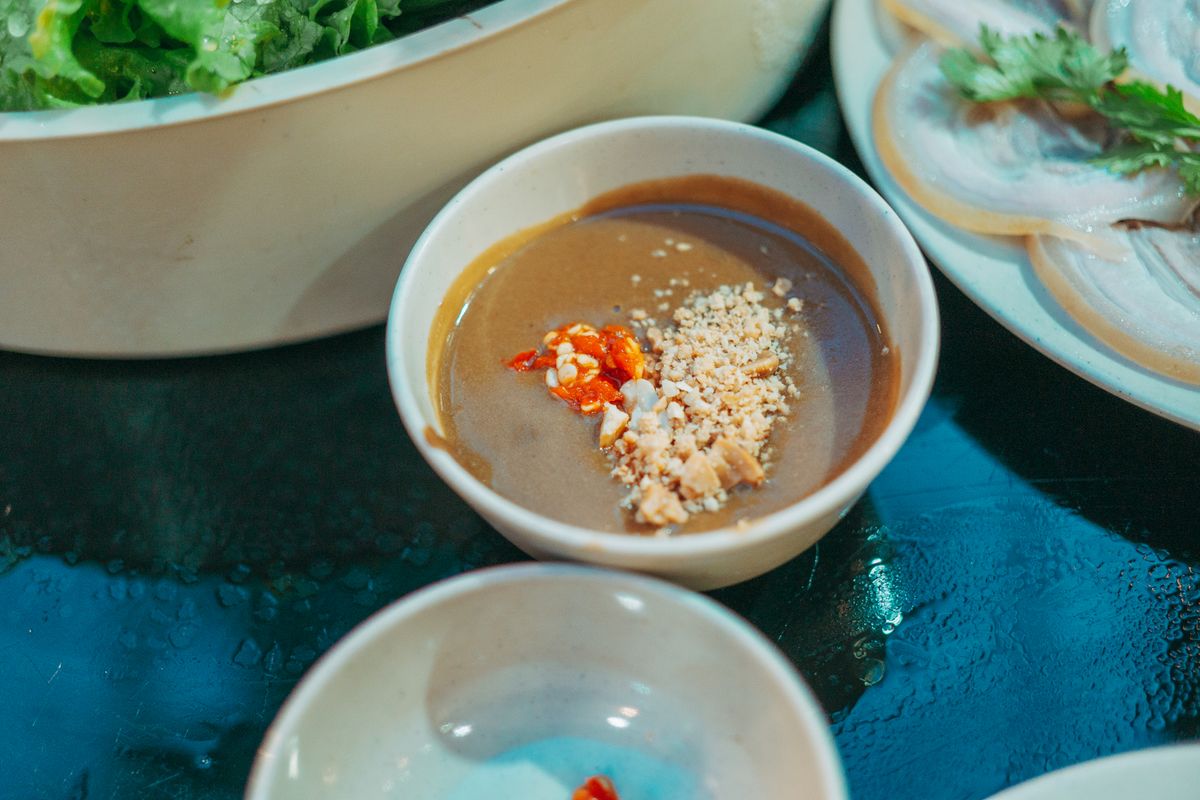
Beijing hot pot peanut sesame dipping sauce is the accurate page for this image because the bowl shows a thick tan nut sauce topped with crushed peanuts and chile oil. It does not show a sweet peanut soup. The useful home-cook lesson is dilution: sesame paste and peanut butter seize if liquid is dumped in, so thin them slowly before adding salty, sour, fermented, and spicy seasonings.
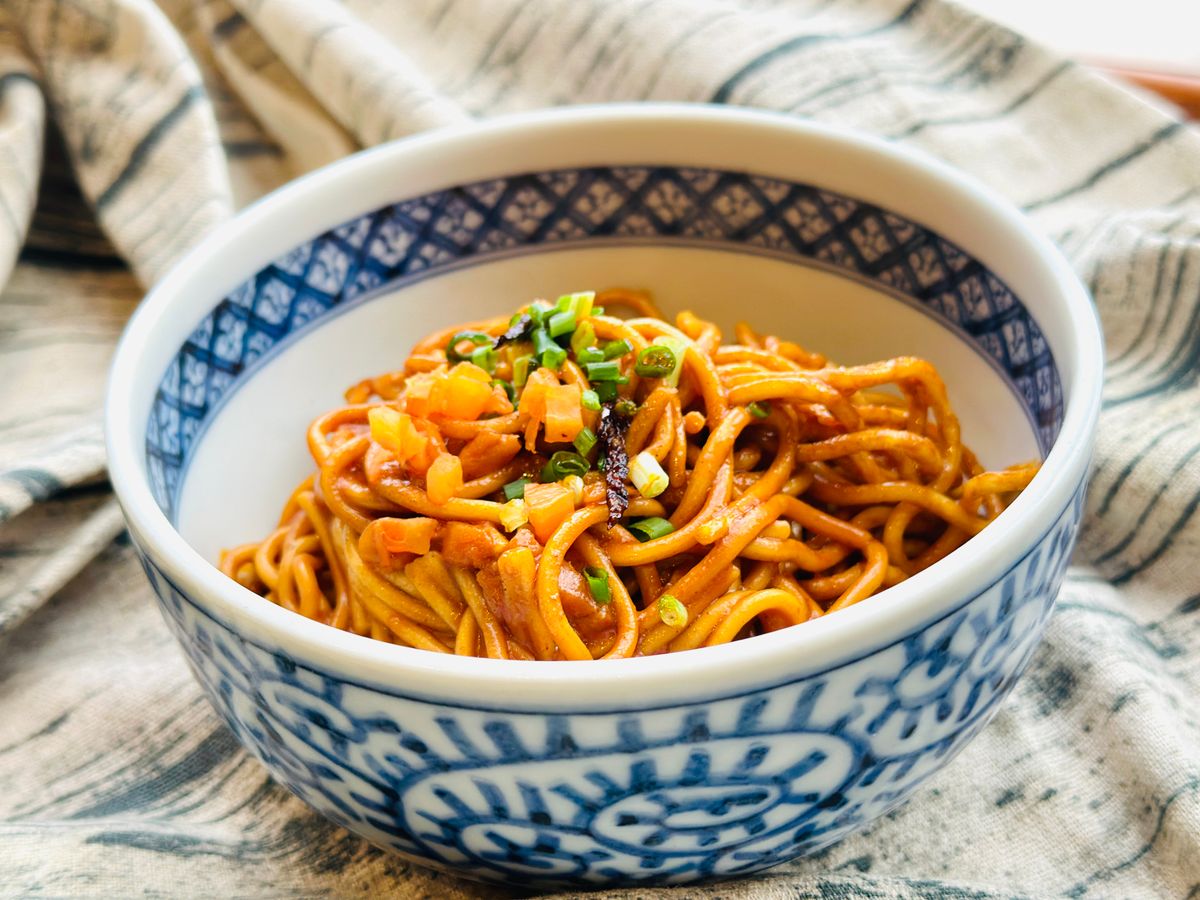
This page is rewritten around the exact chili garlic noodle image instead of the old pork mushroom draft. It now teaches springy noodles tossed in chili-garlic oil, soy sauce, vinegar, scallions, and a small crunchy topping so the bowl tastes bold without becoming greasy or muddy.
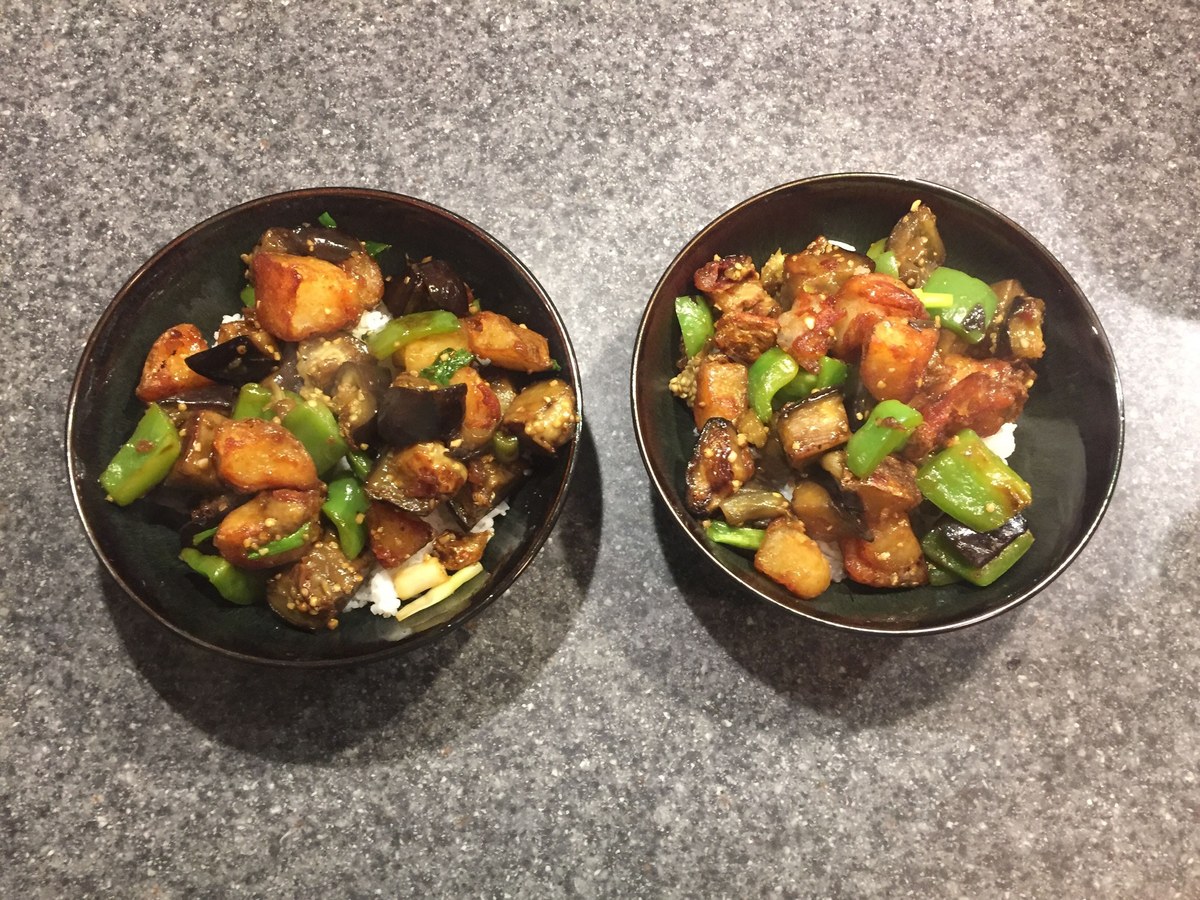
A Di San Xian recipe for eggplant, potato, and green pepper, focused on crisp-edged vegetables, garlic aroma, and a glossy sauce that coats without collapsing the stir-fry.
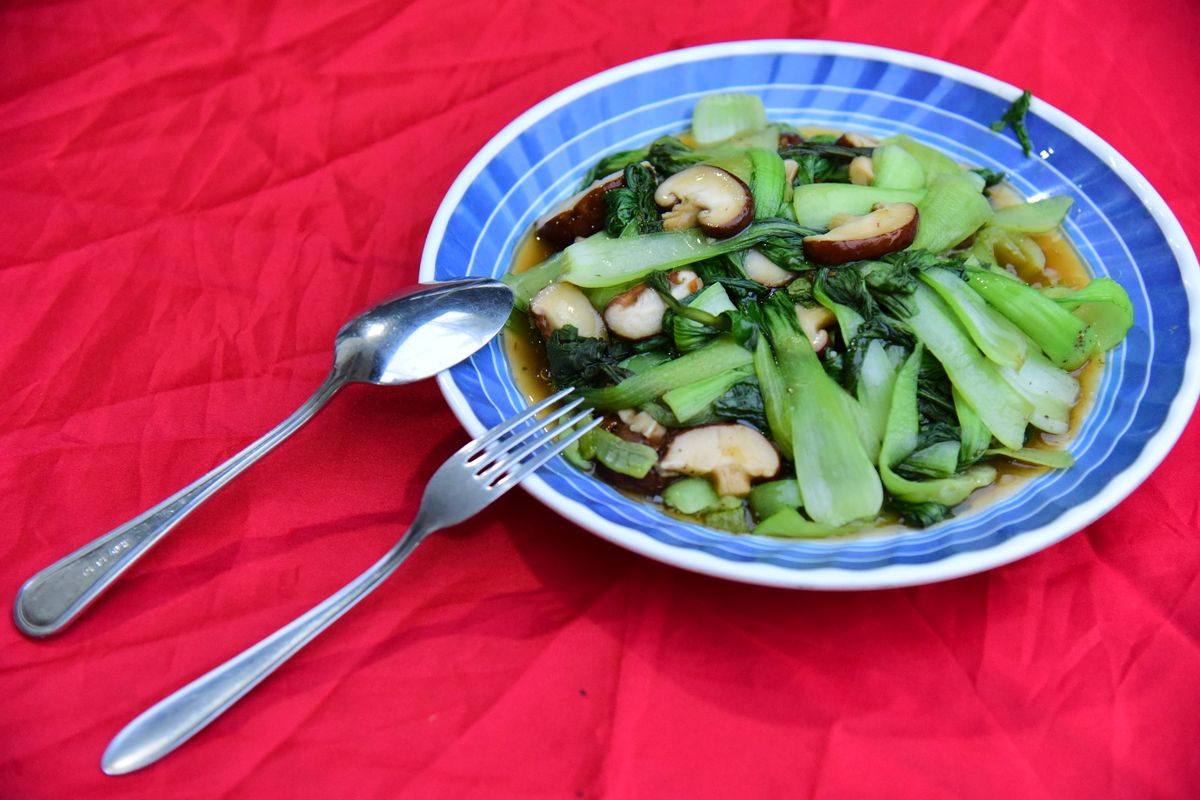
This page is rewritten around the exact bok choy and mushroom image instead of the old red-braised mushroom draft. It now teaches a fast vegetable stir-fry with separated bok choy stems and leaves, sliced mushrooms, garlic, and a glossy oyster-soy sauce that coats without drowning the greens.
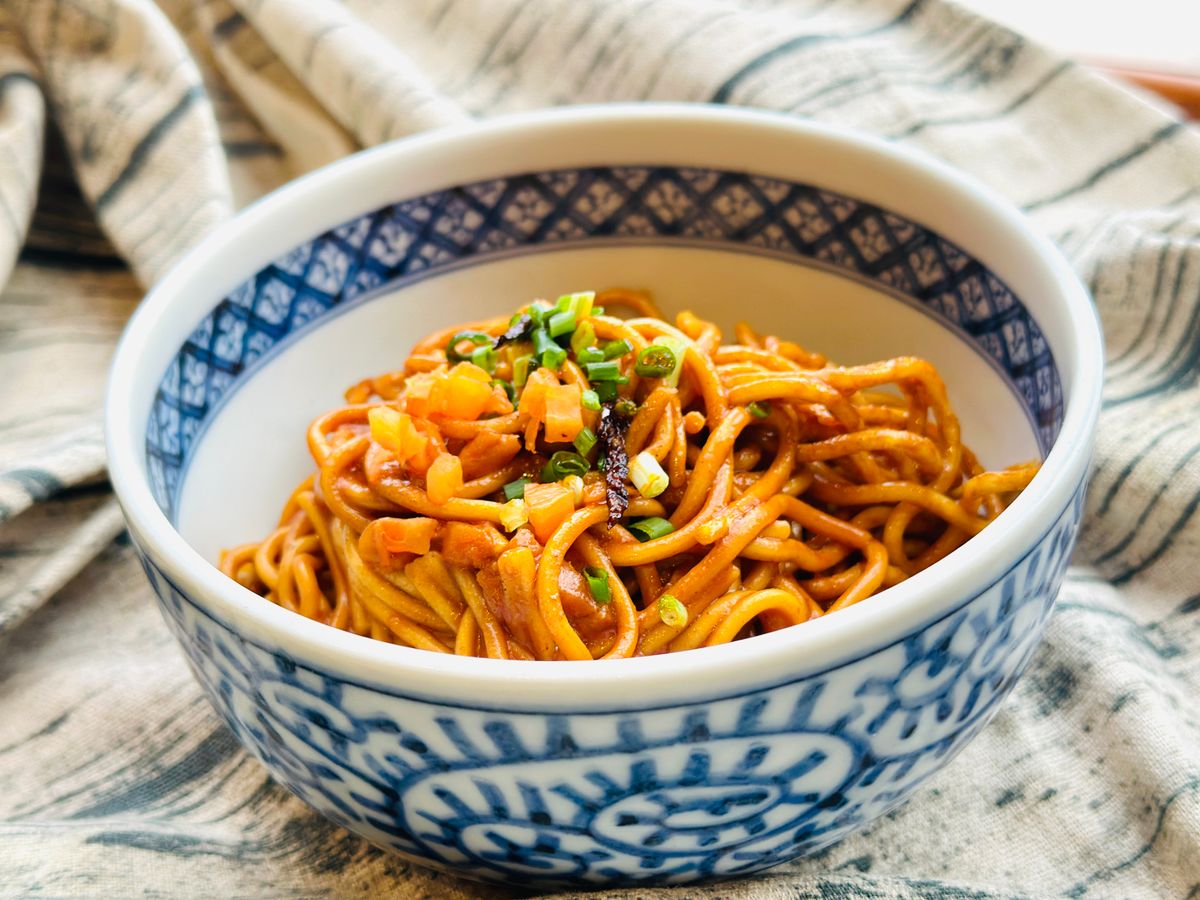
This page is rewritten around the exact orange chili noodle image instead of the old rice noodle draft. It now teaches a dry tossed noodle bowl with garlic chili oil, soy vinegar sauce, scallions, and chopped pickled mustard greens so the topping in the photo is part of the recipe rather than decoration.
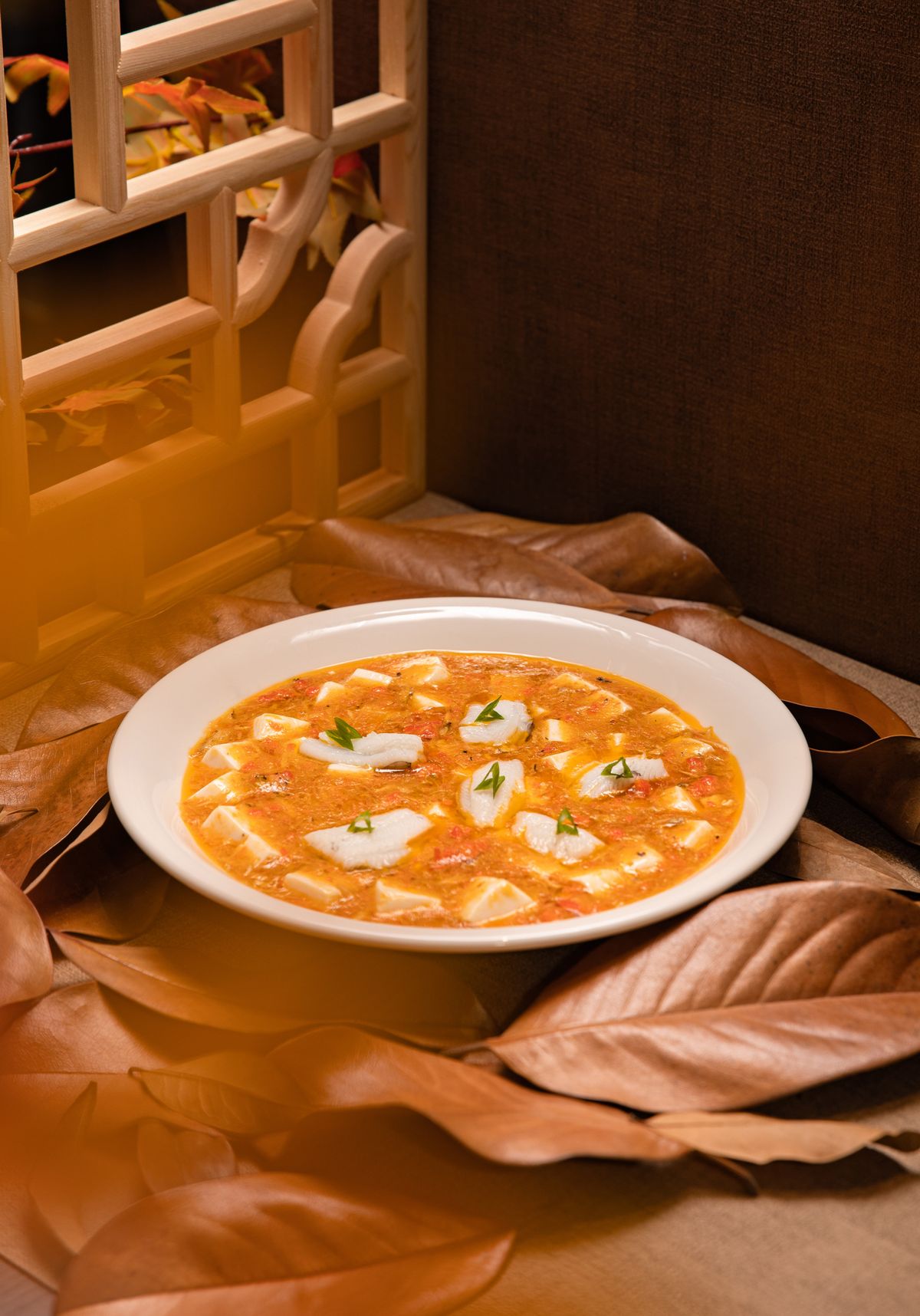
This page is rewritten around the exact tomato tofu soup image instead of the old rice wine chicken draft. It now teaches a bright Chinese-style tomato hot and sour tofu soup where tomato sweetness, vinegar, white pepper, soft tofu, and egg ribbons stay balanced.
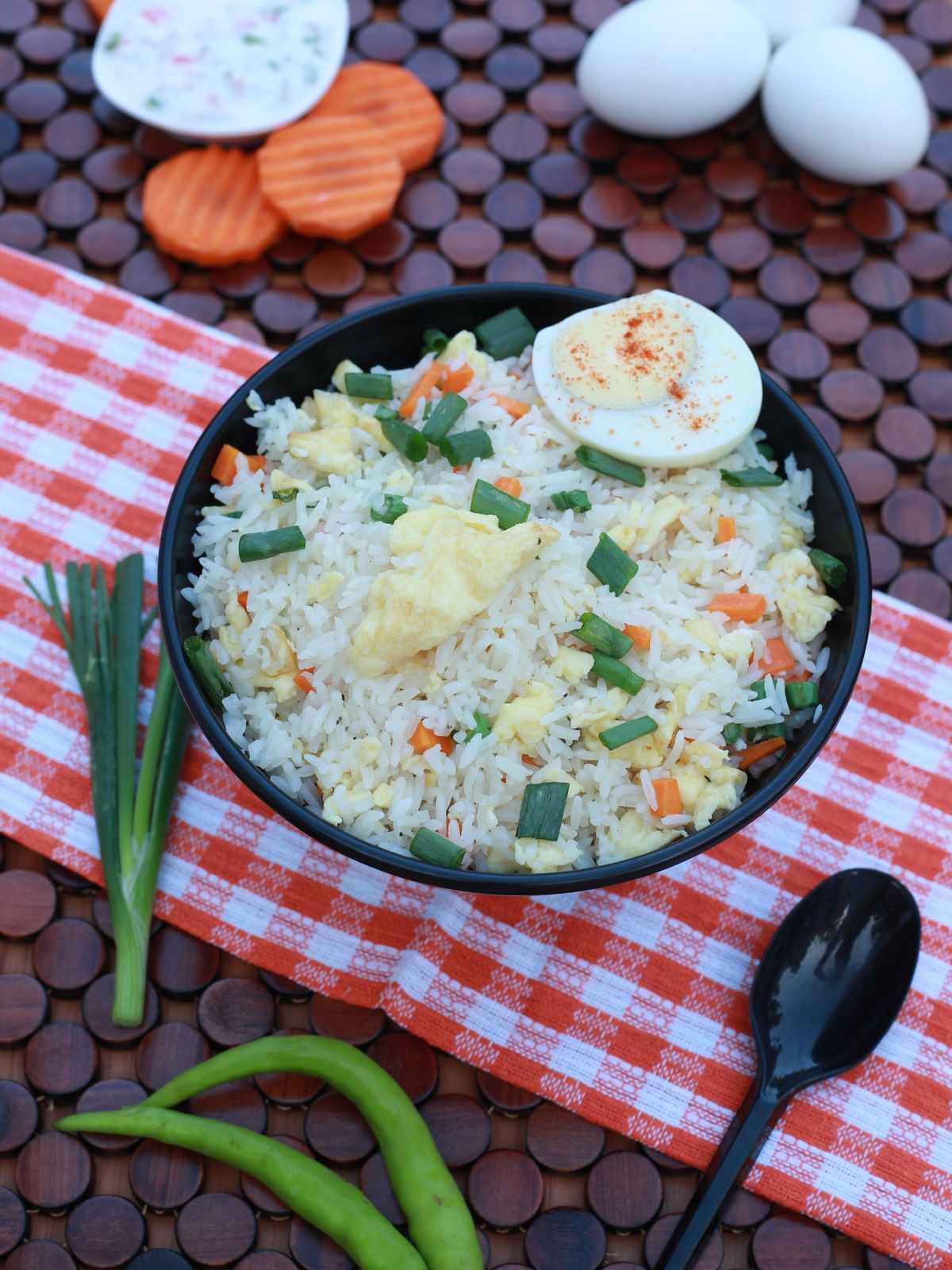
Scallion egg fried rice deserves a tighter page than a generic leftover-rice note. The image shows egg, rice, chopped scallions, and small vegetable pieces, so the cooking should focus on dry grains, fluffy eggs, and scallions added late enough to stay green.
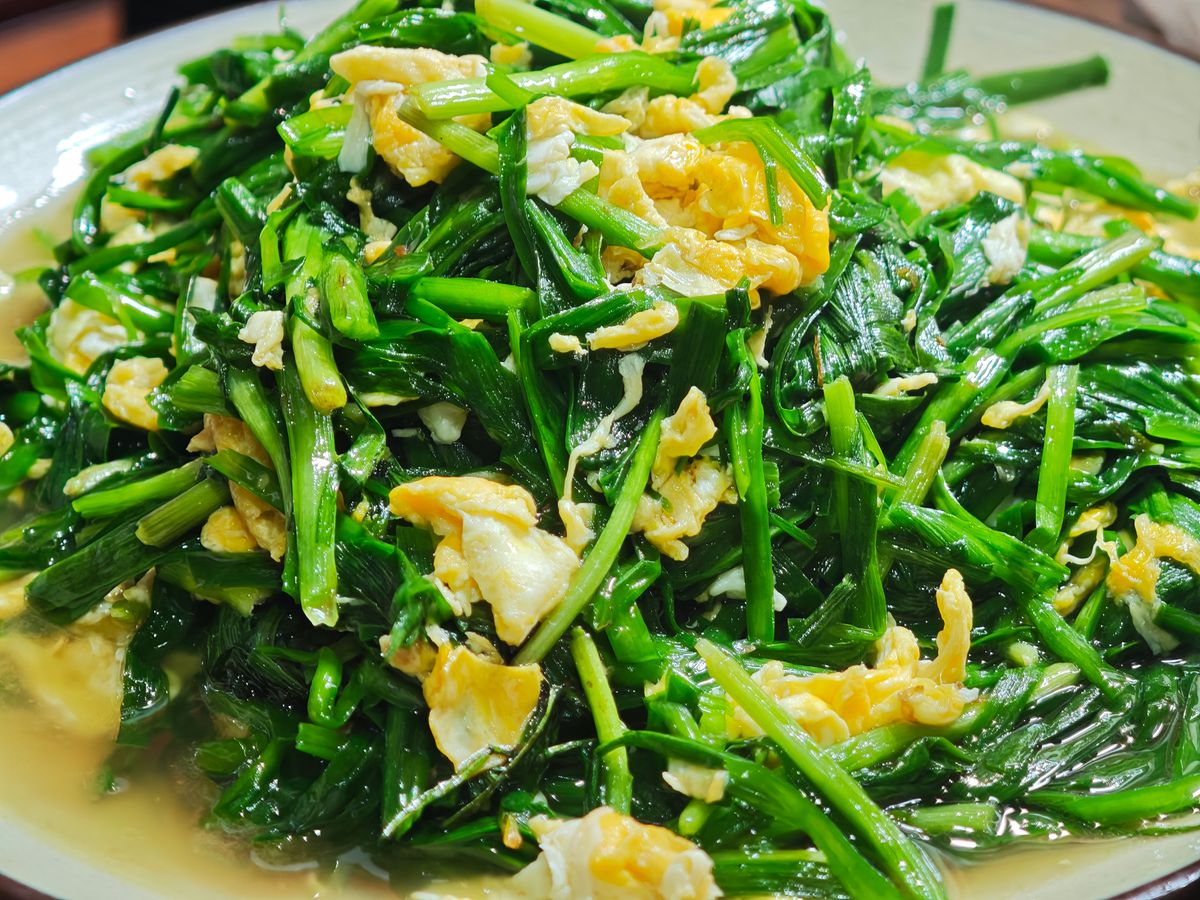
This page is rewritten around the exact garlic chive and egg image instead of the old beef wrap draft. It now teaches a quick Chinese home-style stir-fry where soft eggs and flat garlic chives stay glossy, fragrant, and not watery.
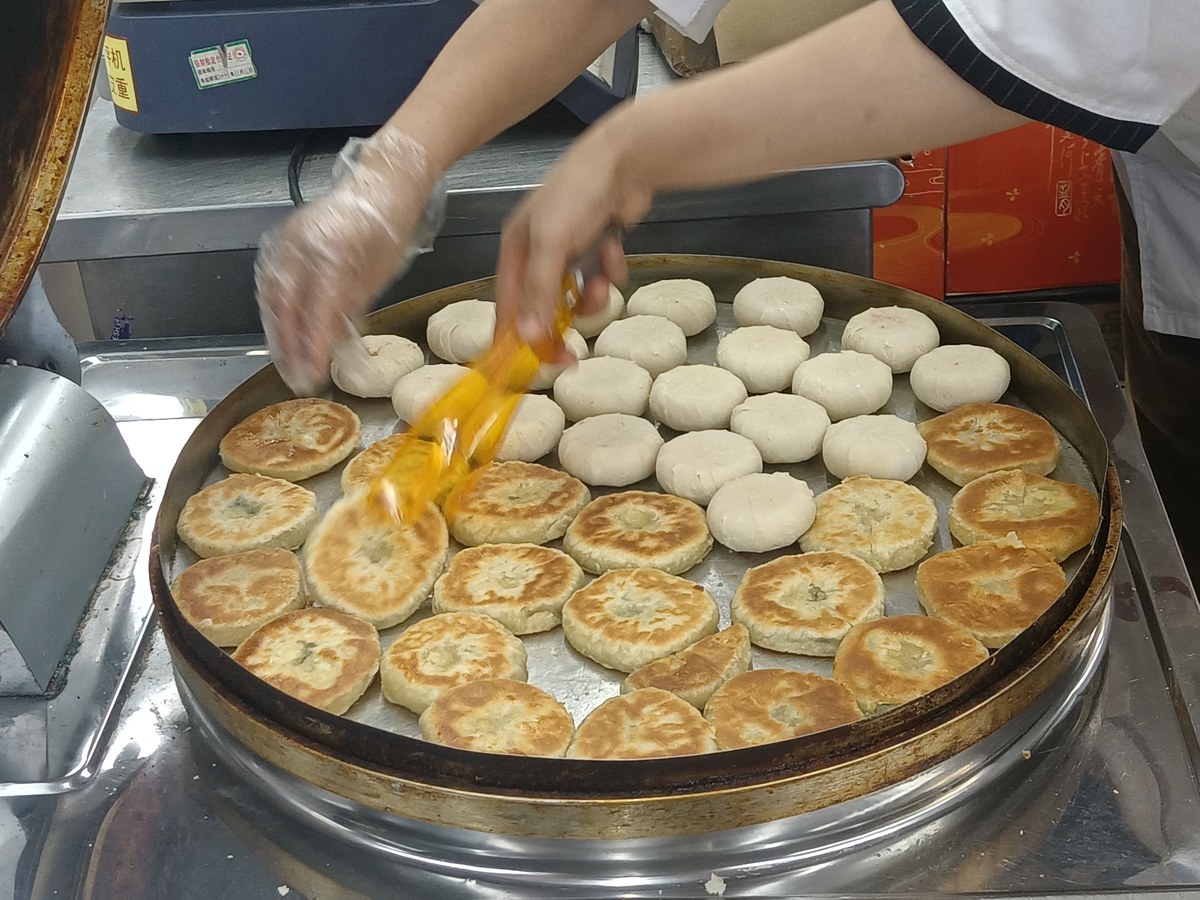
A scallion pancakes recipe focused on hot-water dough, enough oil between layers, a tight coil, and pan-frying that gives crisp edges without leaving the center raw.
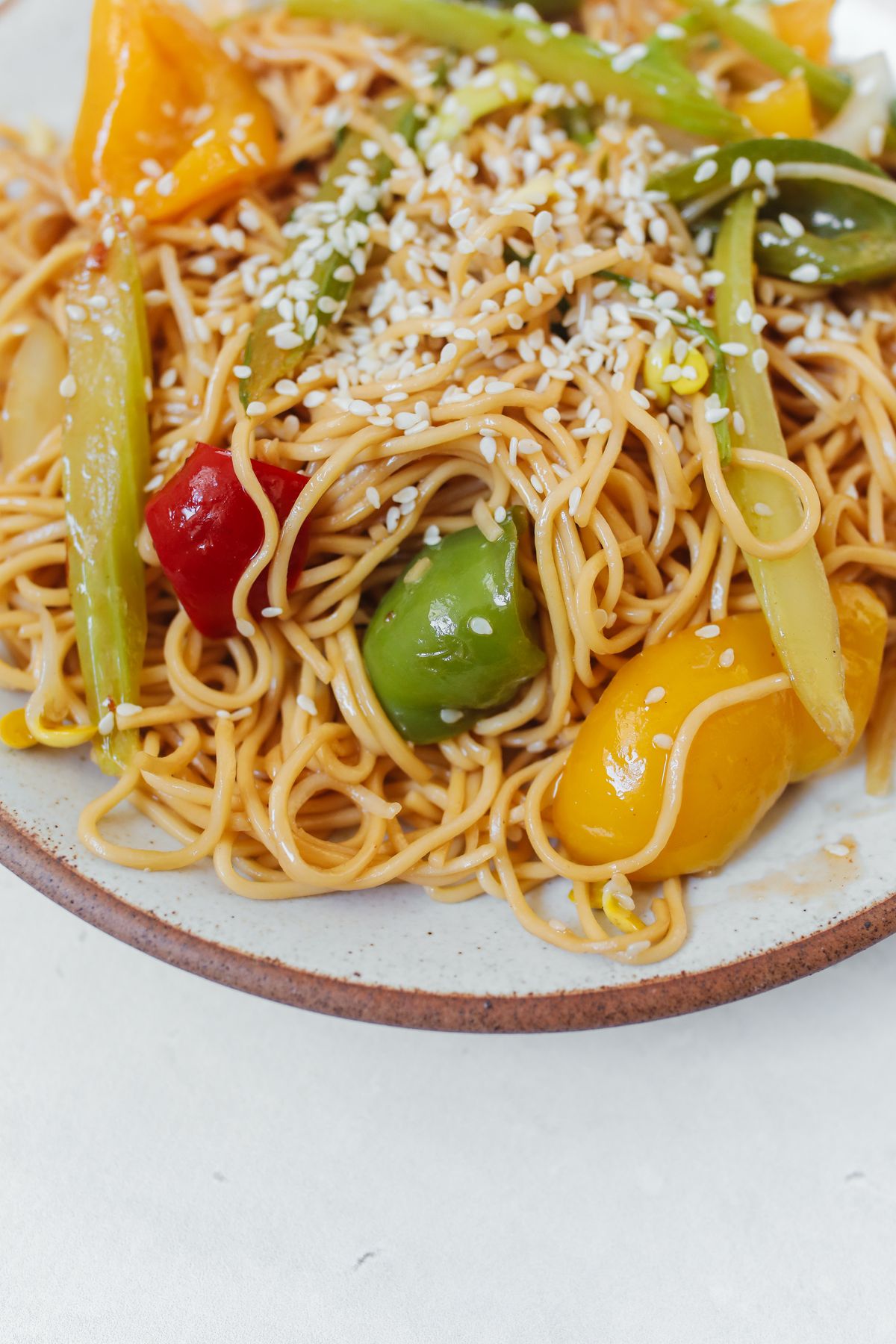
This page is rewritten around the exact sesame vegetable noodle image instead of the old seafood vermicelli draft. It now teaches soy-sesame stir-fried noodles with bell peppers, scallions, and sesame seeds so the noodles stay glossy and the vegetables stay bright.
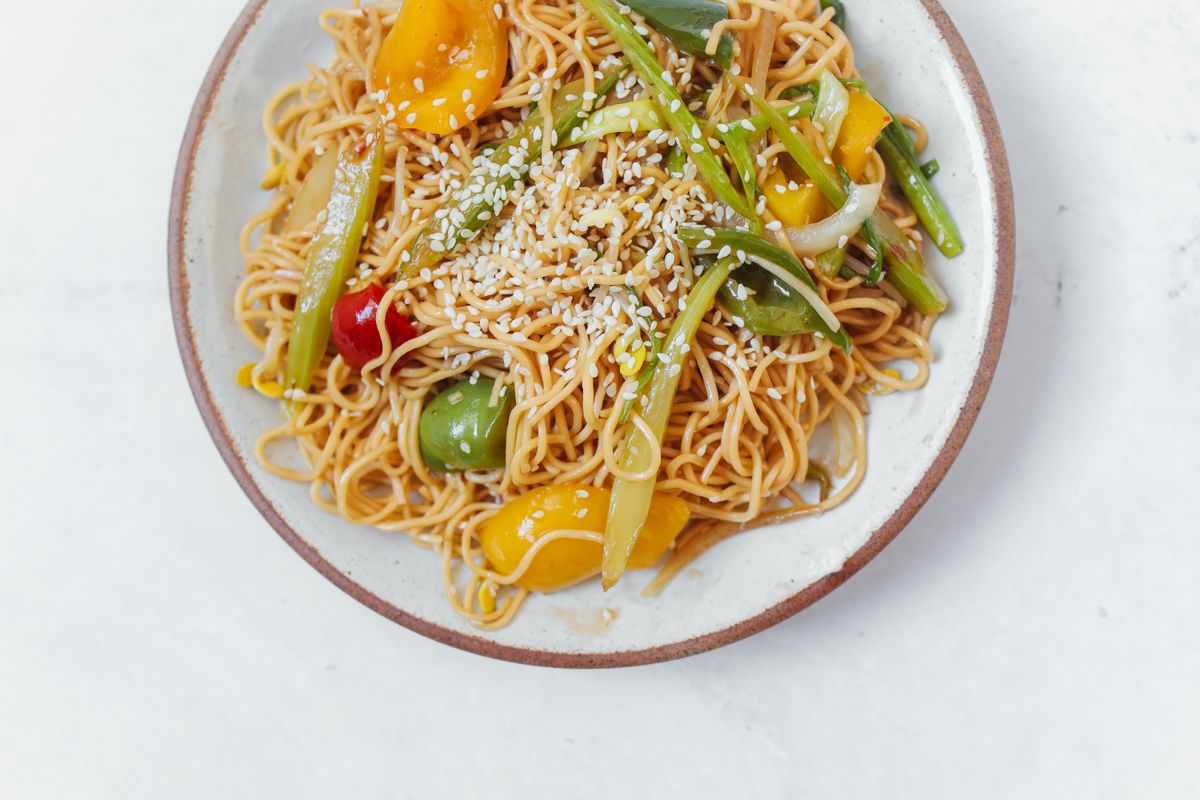
Chinese sesame cold noodles are a pantry-friendly summer bowl, but the texture fails fast if the sauce is too thick or the noodles are overcooled into a clump. The reviewed image shows glossy tossed noodles with peppers, scallions, and sesame seeds, so this version focuses on coating each strand with a loose sesame sauce instead of burying the noodles under paste.
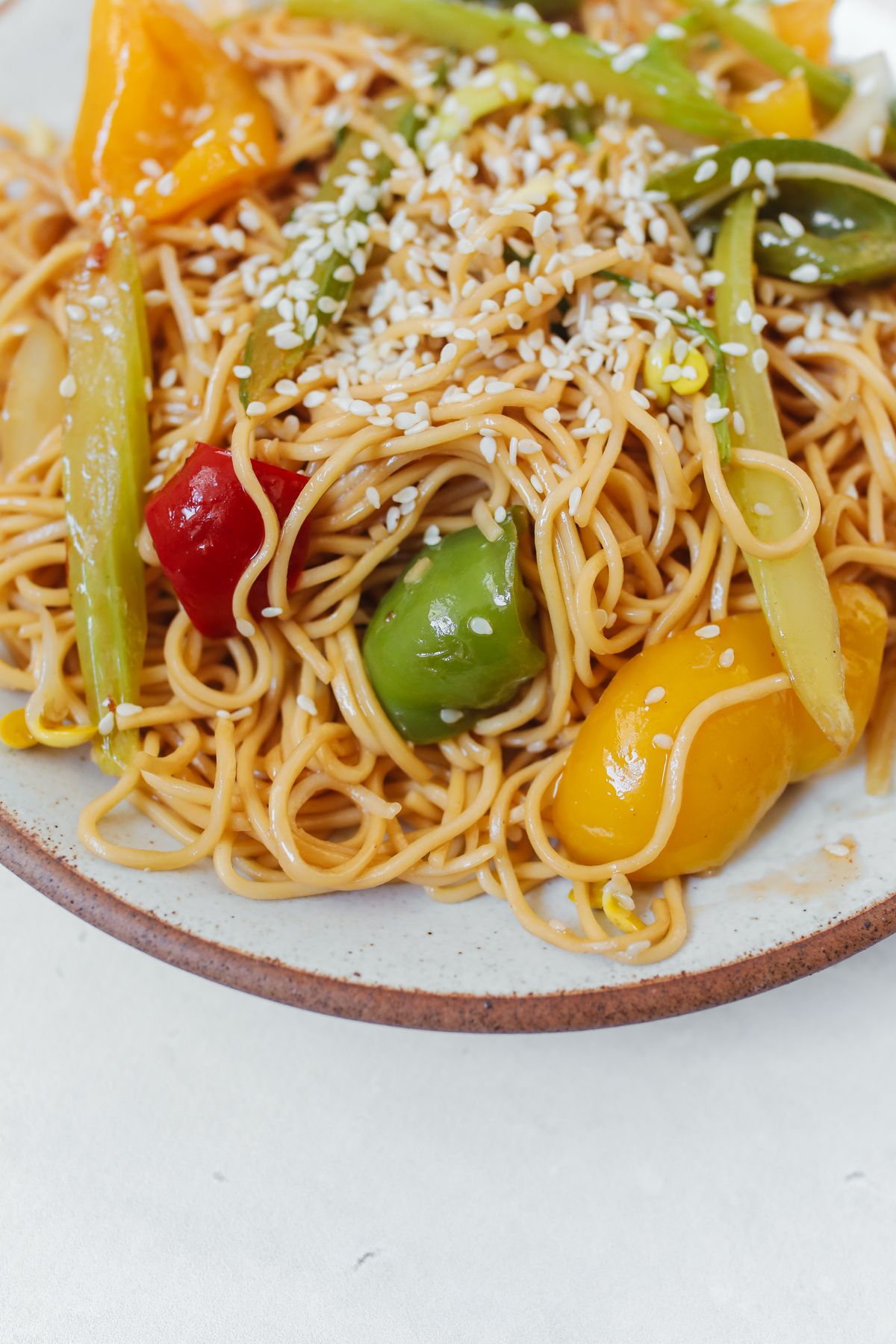
Sesame Garlic Cold Noodles should taste cool, nutty, salty-sour, and sharp with garlic, not heavy or oily. The image now matches the page closely: thin noodles coated in a light soy-sesame dressing, sesame seeds, bell pepper pieces, pale scallion-like stems, and a dry tossed finish.
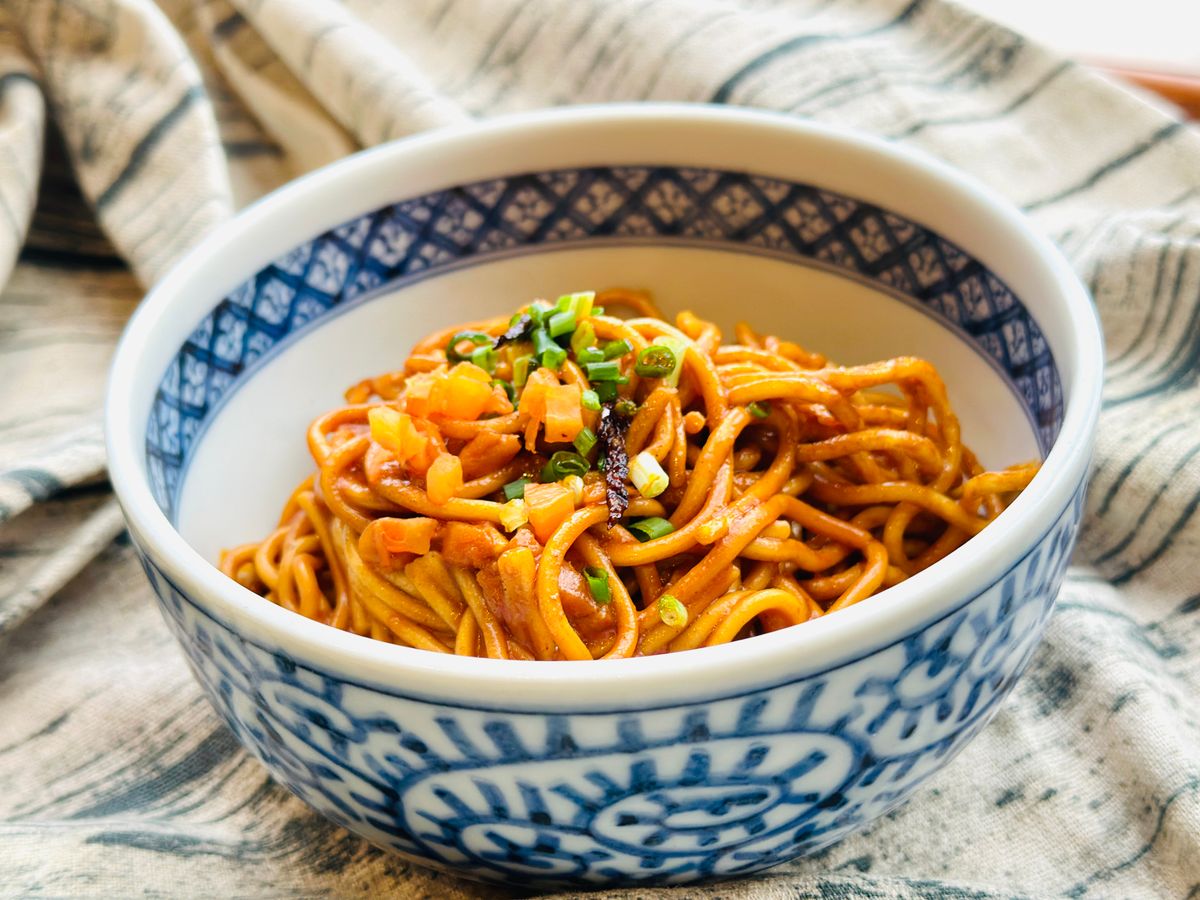
Sesame Scallion Noodles now has a more honest cooking focus: the image shows glossy noodles with sesame seeds, scallion-like greens, peppers, and a light soy-colored sauce. The page should help a reader build a quick noodle bowl that tastes nutty and savory without becoming oily or pasty.
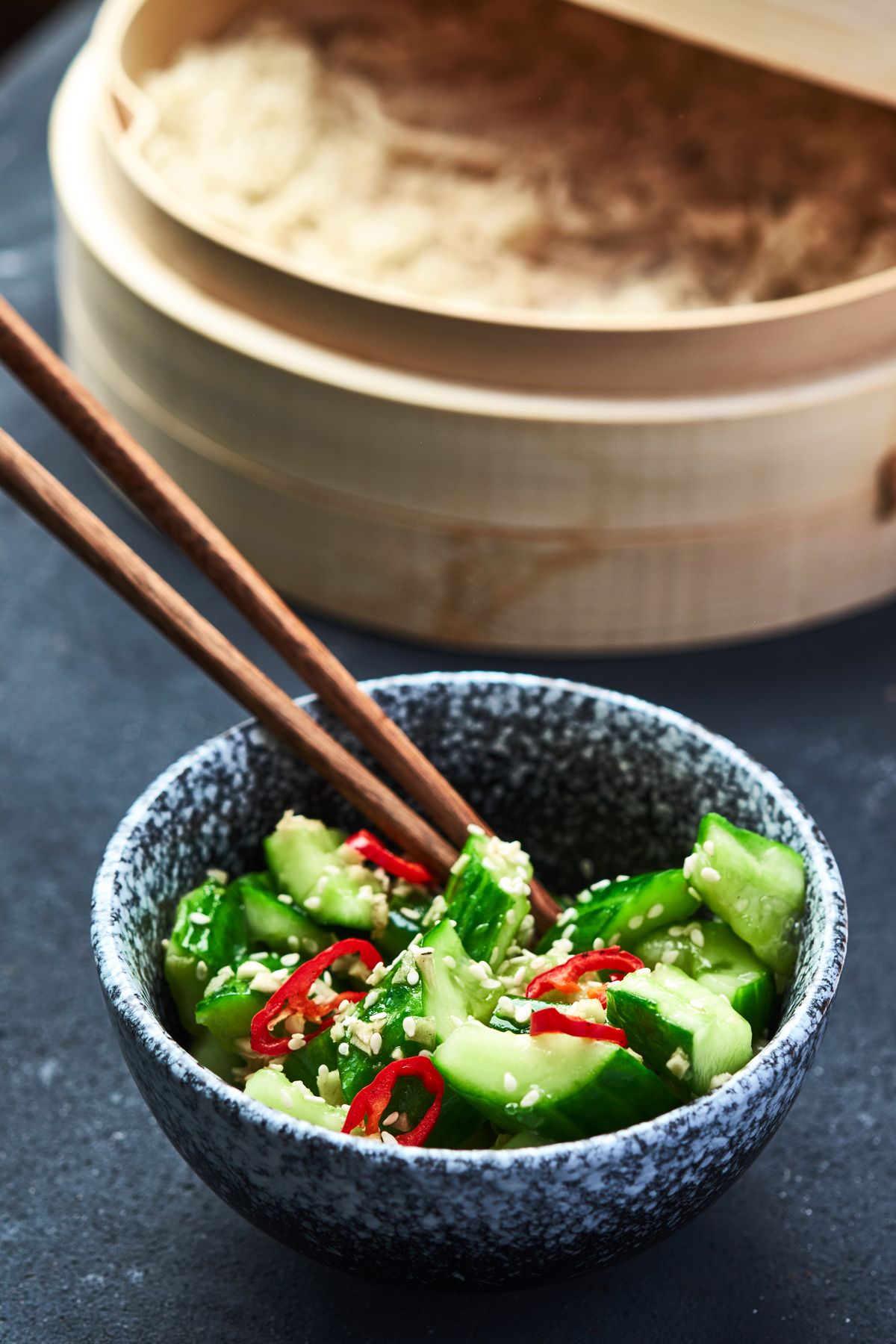
This page is rewritten around the exact cucumber salad image instead of the old spinach draft. It now teaches a Chinese smashed cucumber cold dish with rough-cut cucumber, sesame, garlic, red chili, vinegar, and sesame oil so the salad tastes crisp, cold, and well seasoned rather than watery.
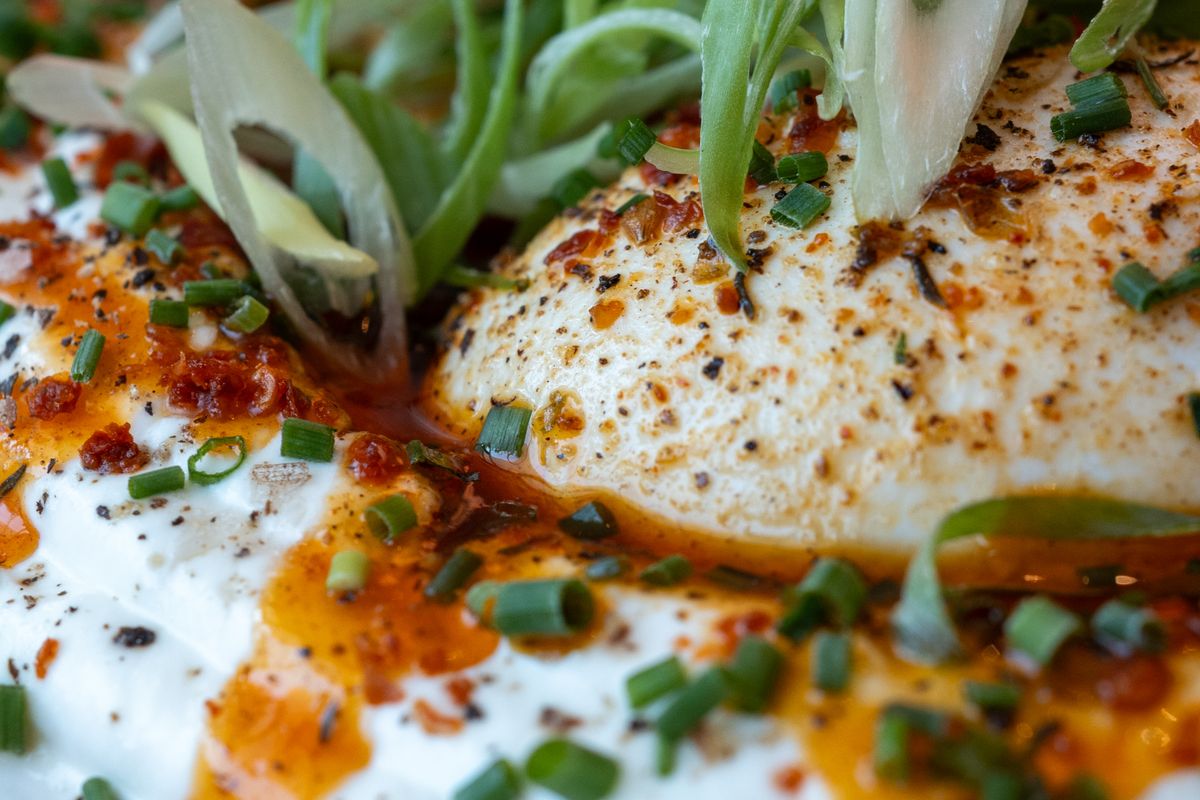
This page is rewritten around the exact chili oil fried egg image instead of the old garlic eggplant draft. It now teaches sunny fried eggs cooked in chili oil, finished with scallions, soy sauce, and pepper so the whites crisp while the yolks stay rich.
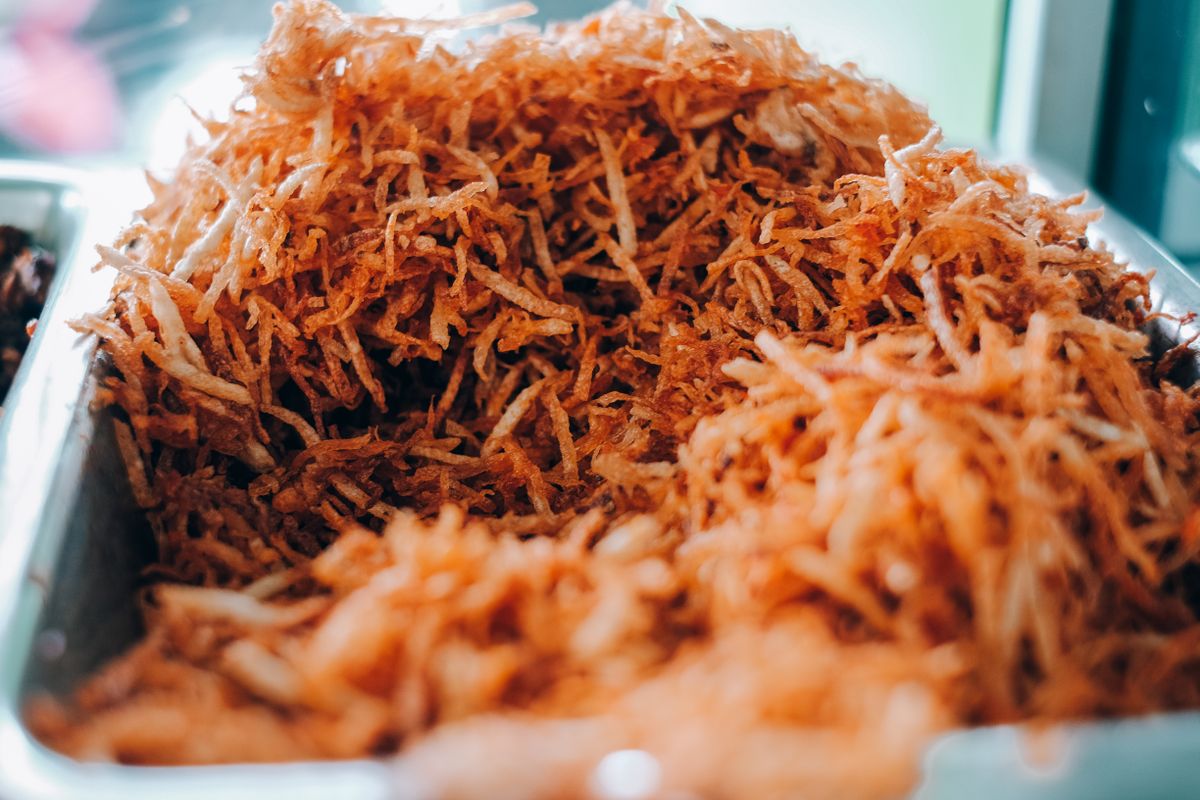
This page no longer asks a potato image to stand in for vinegar cabbage. It is now a shredded potato article built around the exact image: thin potato strands, a quick rinse, high heat, vinegar brightness, and enough timing detail to keep the texture crisp rather than sticky.
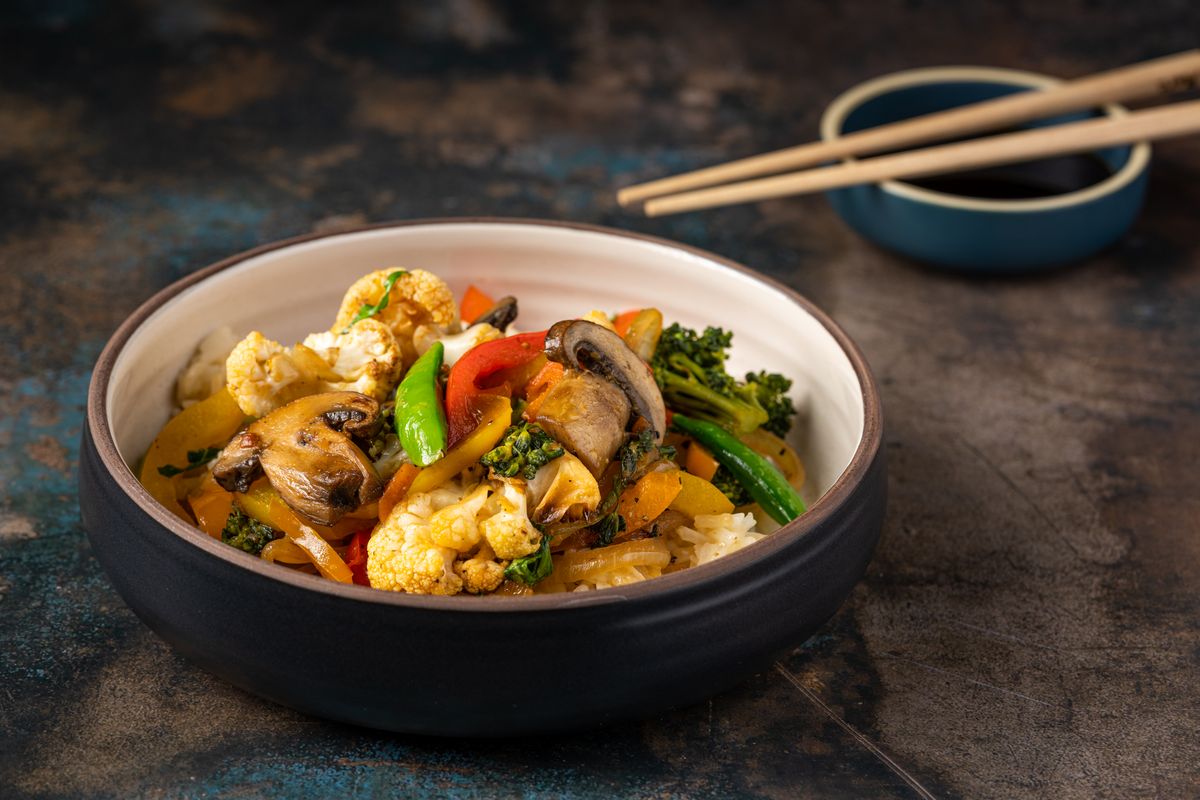
This page is rewritten around the exact vegetable rice bowl image instead of the old cabbage-only draft. It now teaches a Shanghai cai fan-inspired rice bowl with bright vegetables, mushrooms, and a light soy-sesame finish so the rice stays comforting without becoming oily.
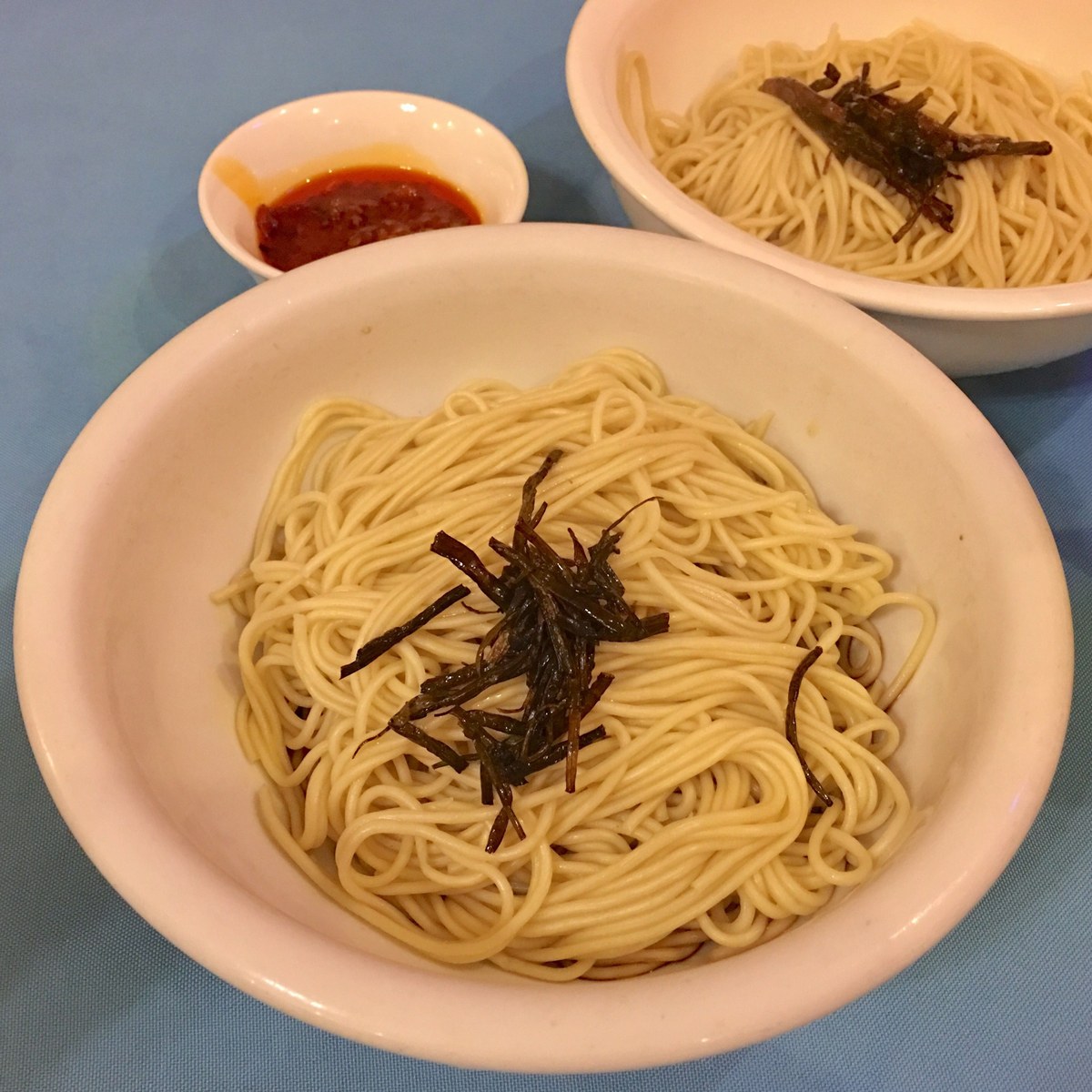
A Shanghai scallion oil noodles recipe focused on slowly frying scallions until deep golden, balancing soy sauce and sugar, and tossing noodles while they are hot enough to drink the oil.
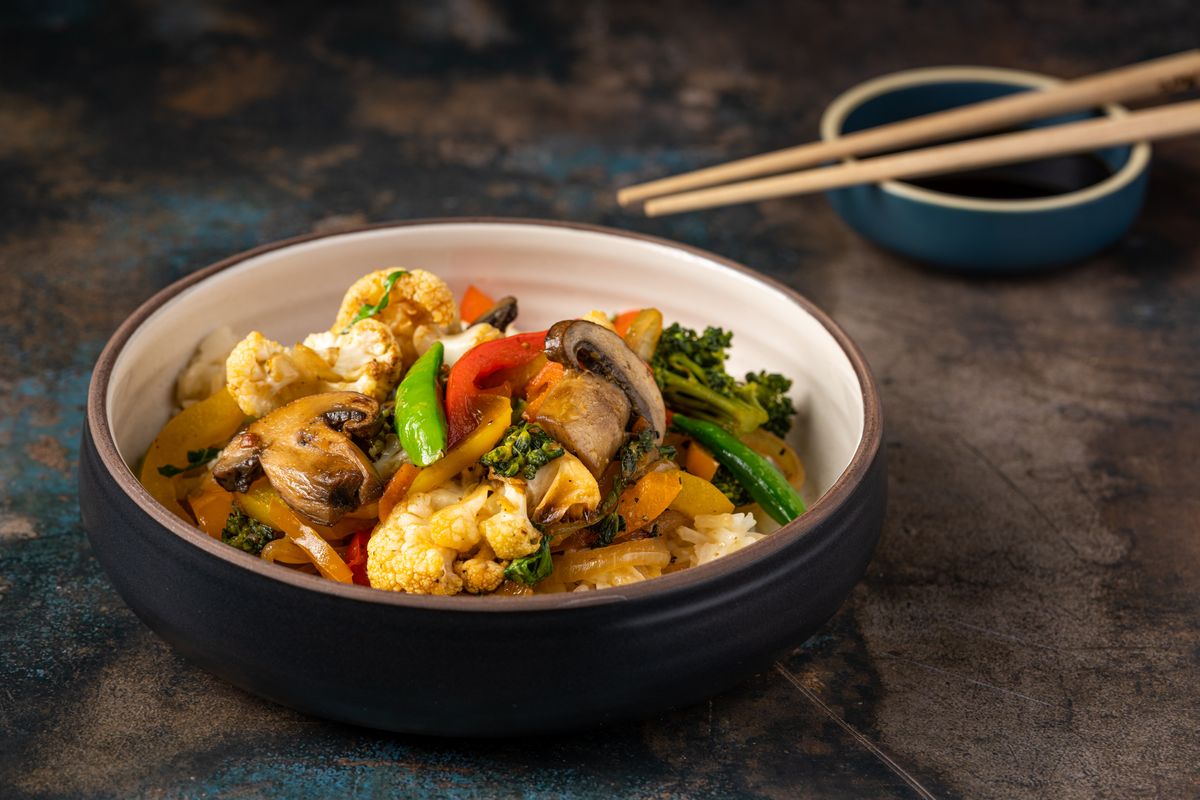
This page is rewritten around the exact vegetable rice bowl image and made more specific than the old generic fried-rice draft. It now teaches a Shanghai cai fan-inspired bowl where mushrooms, cauliflower, broccoli, peppers, and rice stay distinct under a light soy-sesame finish.
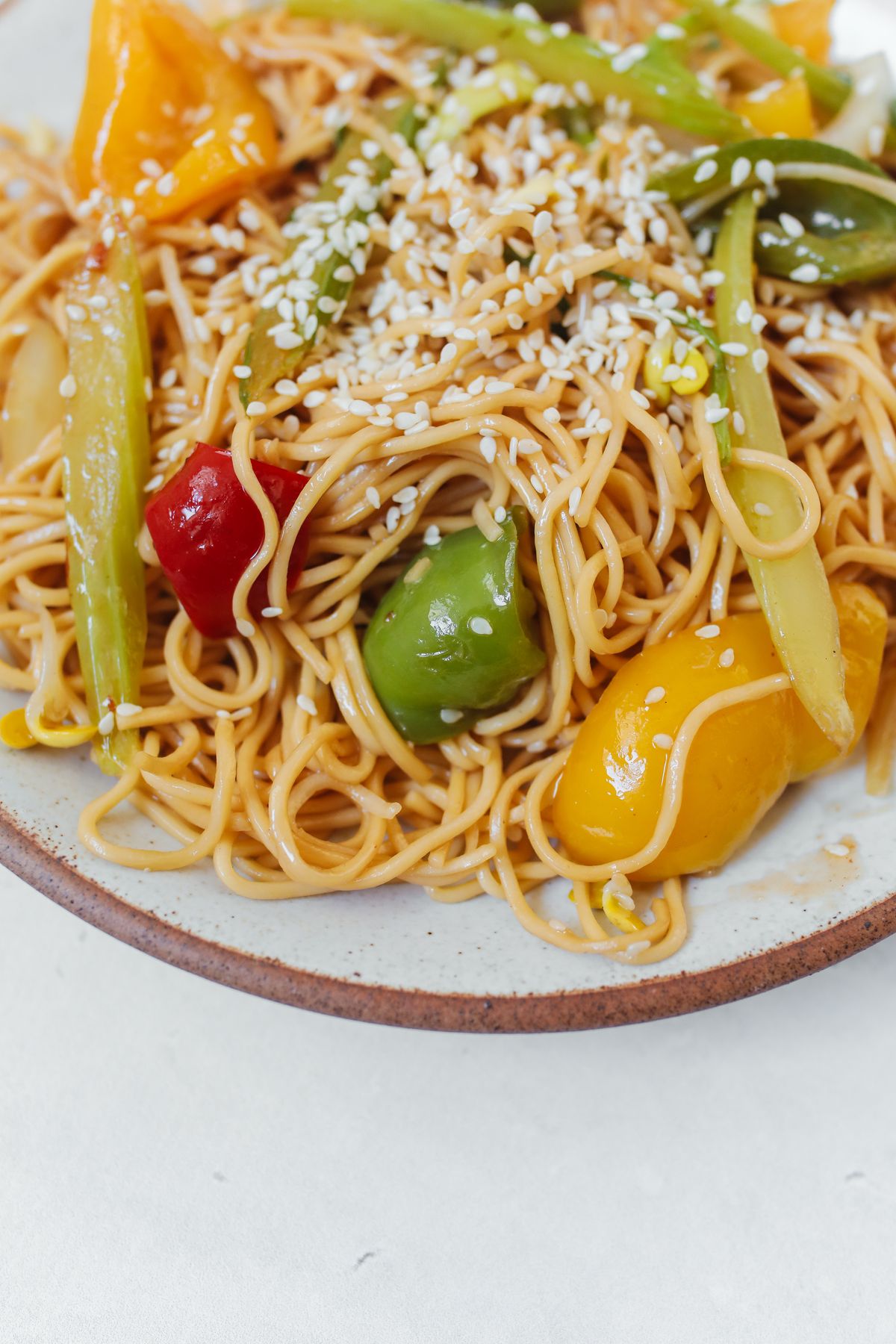
Sichuan Cold Noodle Salad should feel cool, slippery, nutty, and spicy rather than heavy. The matching image shows sauced noodles with sesame seeds, peppers, and scallion-like greens, so this page now focuses on rinsed noodles, a balanced sesame-chili dressing, and toppings added for crunch.
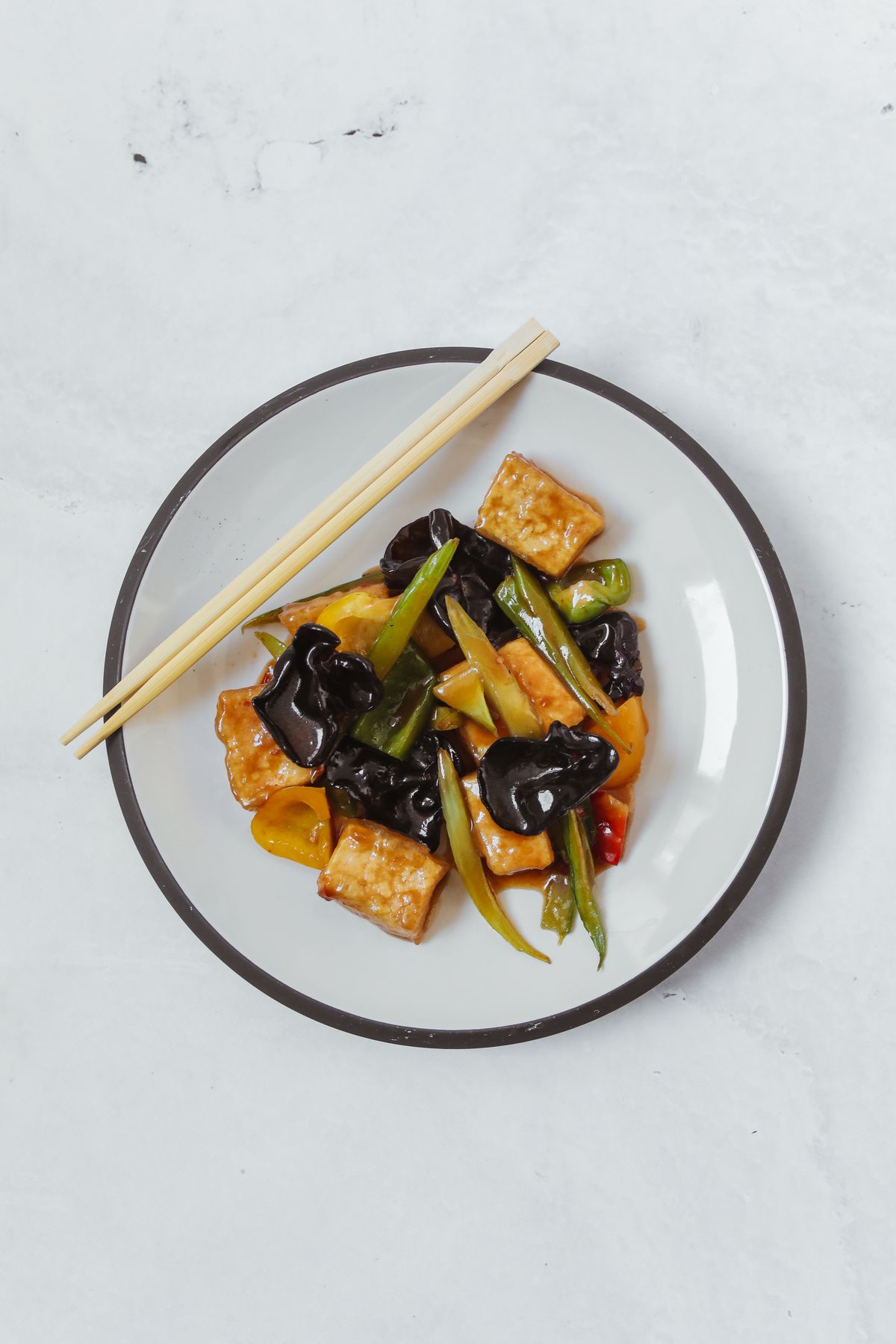
This page is rewritten around the exact tofu, wood ear, pepper, and scallion stir-fry image instead of the old steamed minced-pork draft. The method teaches a home-style Chinese tofu stir-fry where tofu stays intact, wood ears keep their snap, and the sauce glosses the vegetables without pooling.
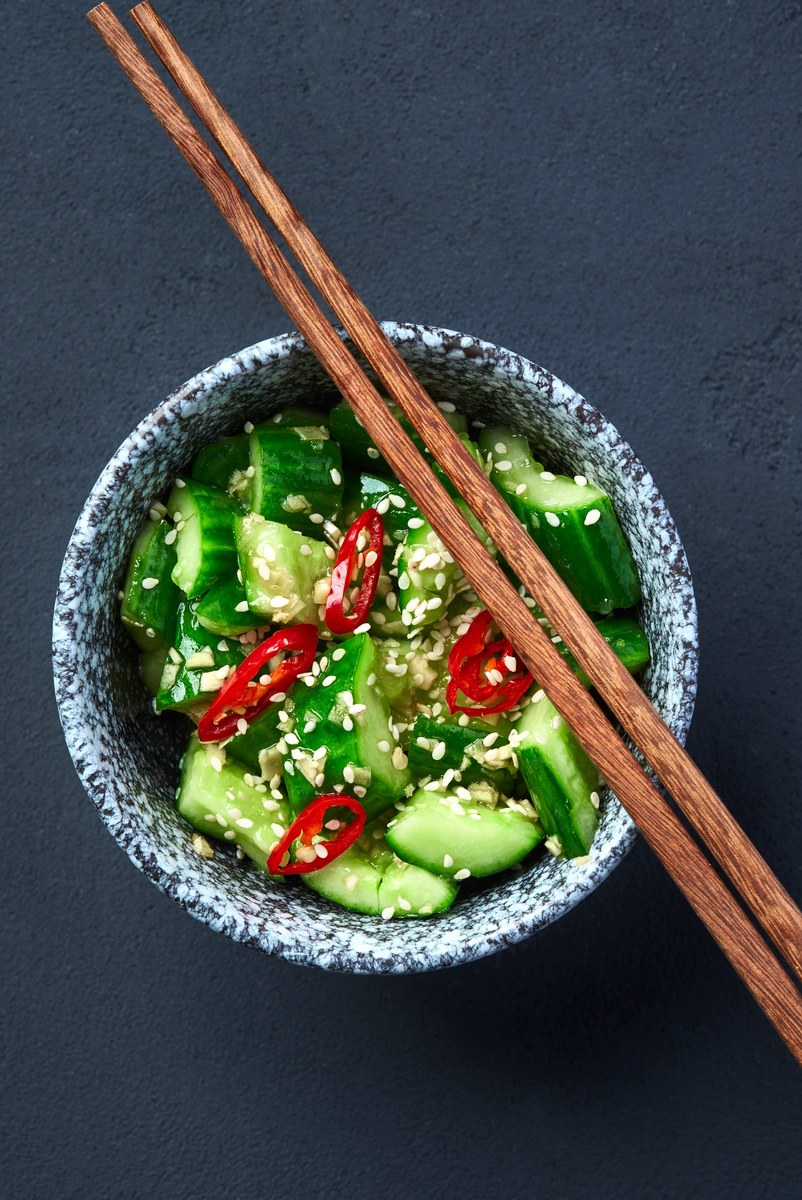
A Chinese smashed cucumber salad recipe focused on salting, draining, rough cracked texture, garlicky vinegar dressing, and a refreshing cold finish.
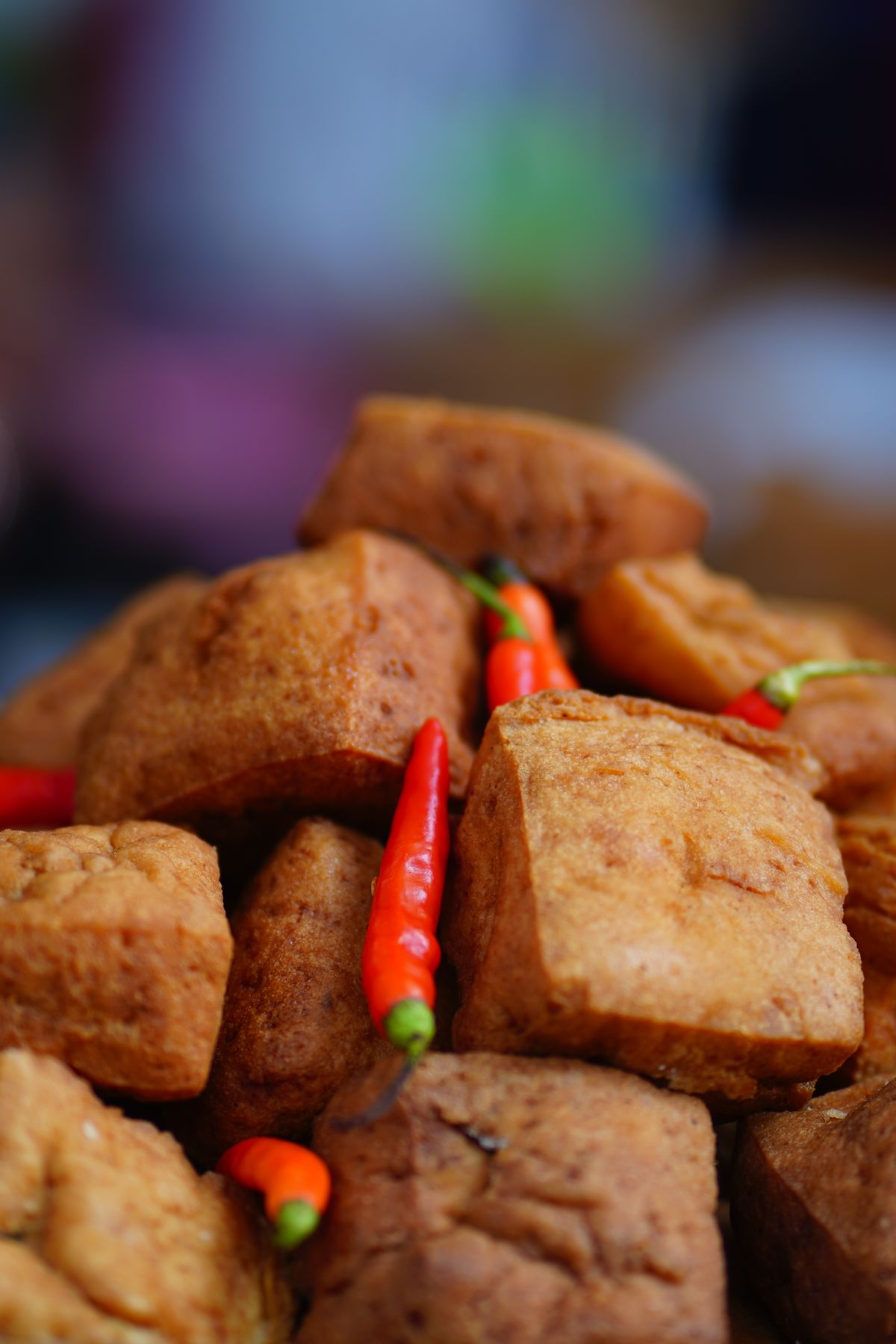
This page is rebuilt around the exact fried tofu image instead of the old smoked tofu draft. The recipe focuses on golden tofu cubes with red chiles: crisp outside, tender inside, and seasoned with garlic, ginger, scallions, salt, pepper, and a small gloss of chili oil.
A Chinese snow pea stir-fry recipe focused on stringing the pods, quick garlic aroma, optional blanching, and a crisp green finish that never turns dull or soggy.
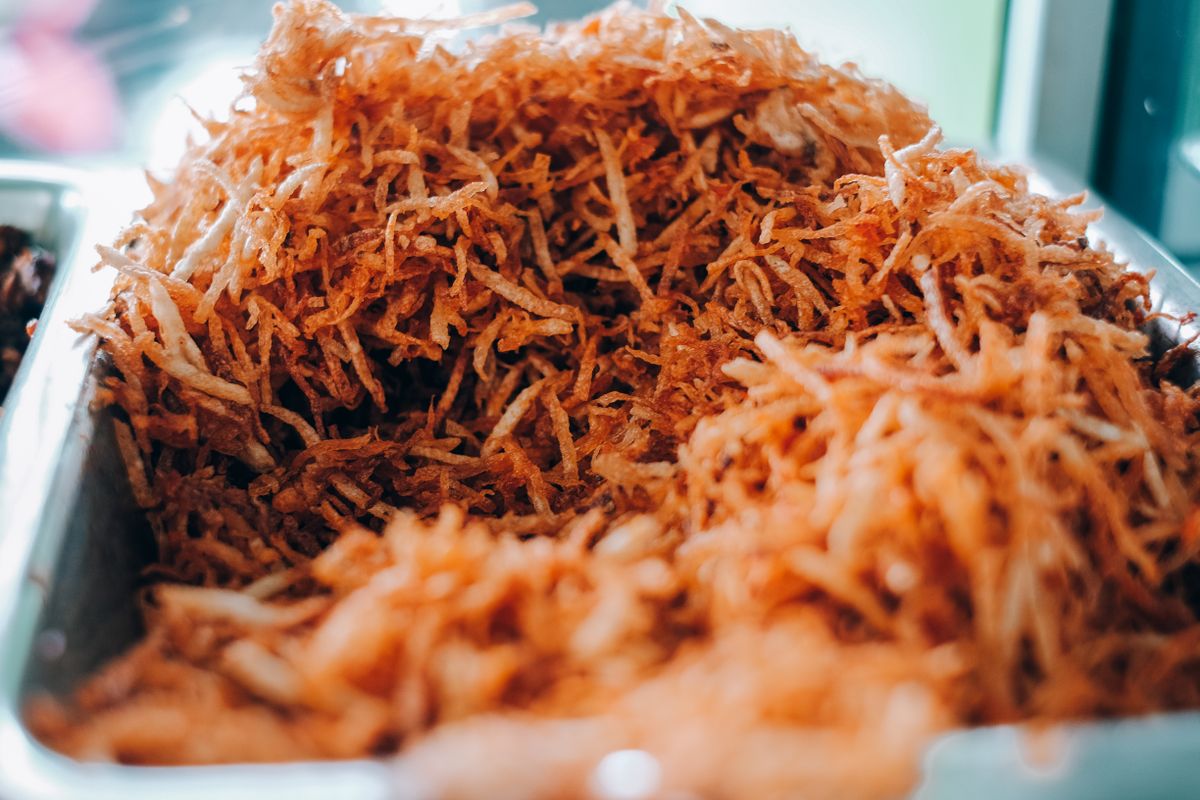
This article now follows the image: a pile of thin shredded potatoes with a crisp, lightly golden texture. The recipe is written as a Chinese sour-spicy shredded potato salad, where the trick is to rinse starch, blanch briefly, and dress while the potatoes still have snap.
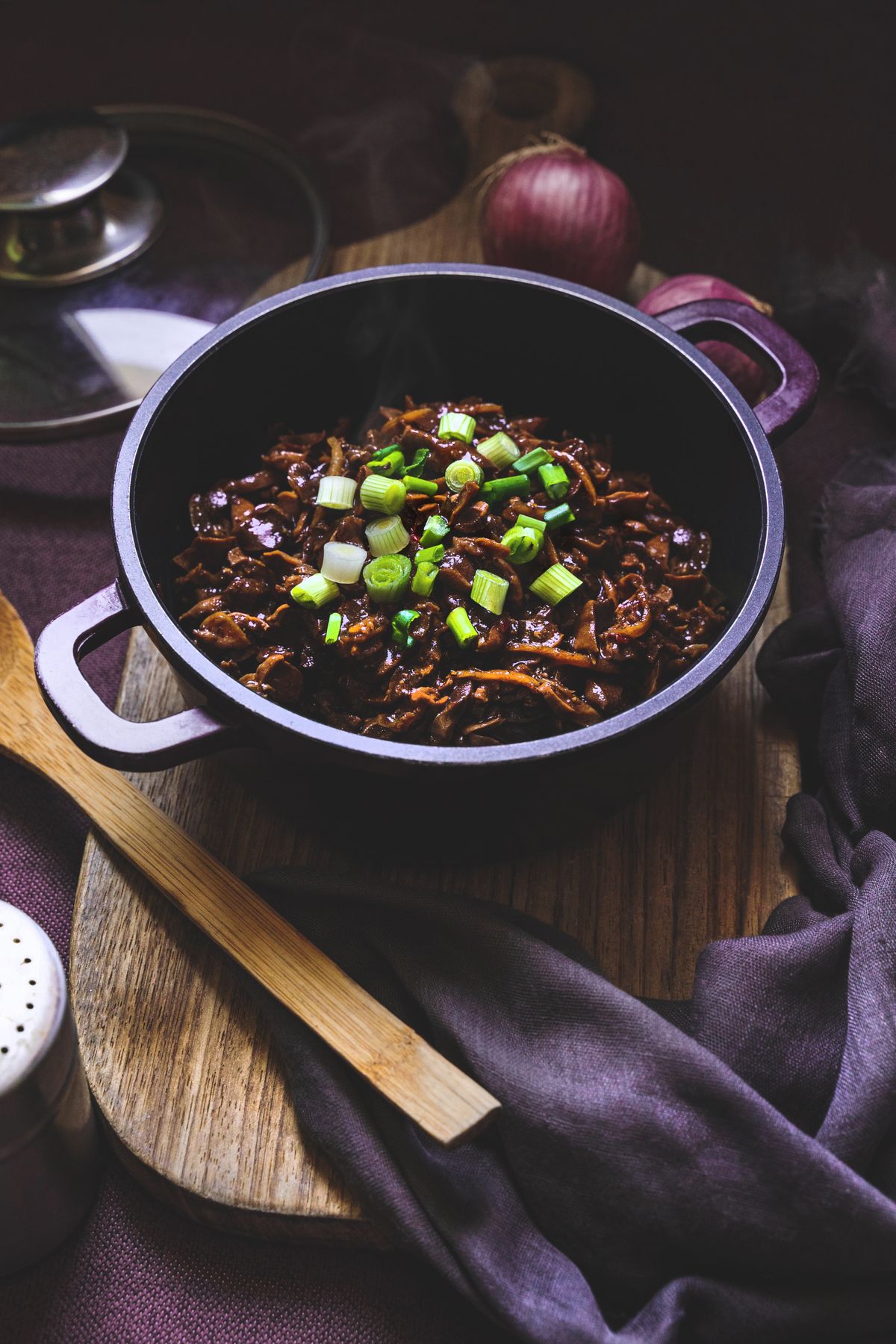
Soy-braised shredded mushrooms is the honest match for this image because the pot shows dark glossy mushroom-like strips finished with bright scallions. It does not show pale bamboo shoots. The refined recipe treats mushrooms as the main ingredient: brown them first, braise with soy and wine, then reduce until the sauce clings instead of leaving a soupy pot.
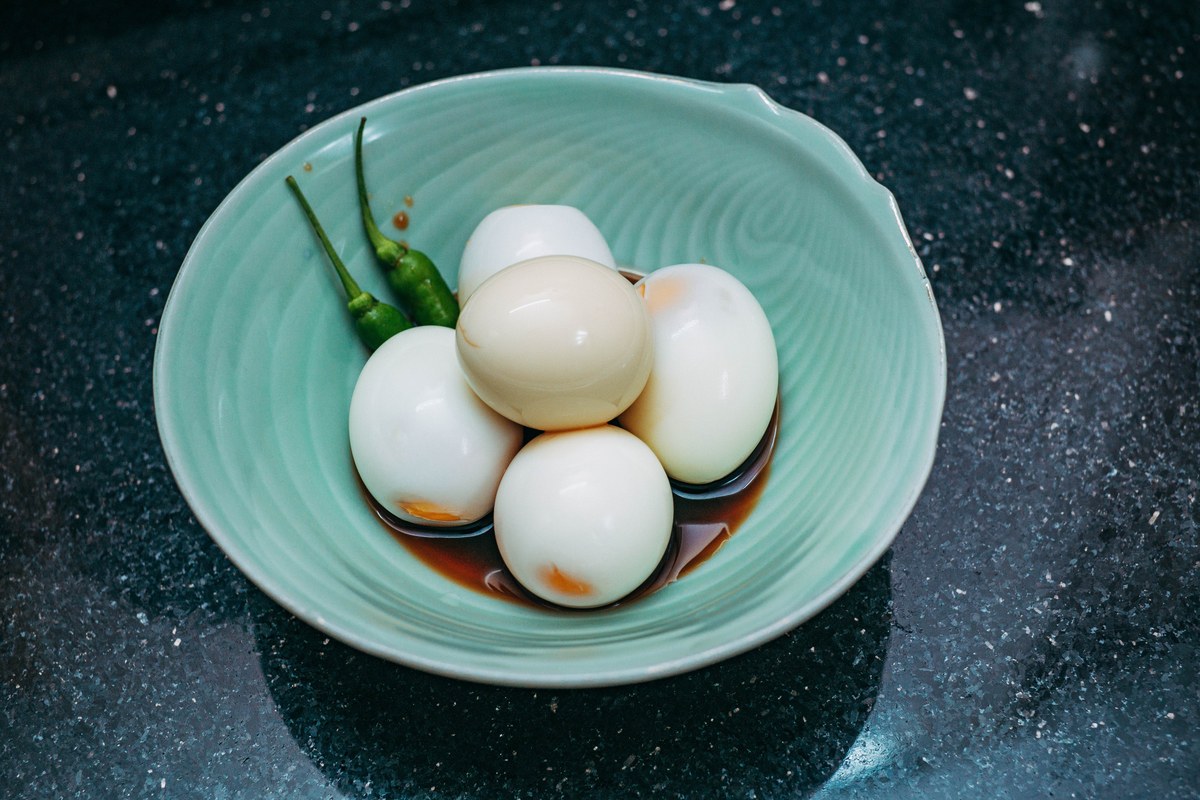
A Chinese soy sauce eggs recipe focused on clean peeling, balanced soy marinade, and make-ahead timing for rice bowls, noodle bowls, and snacks.
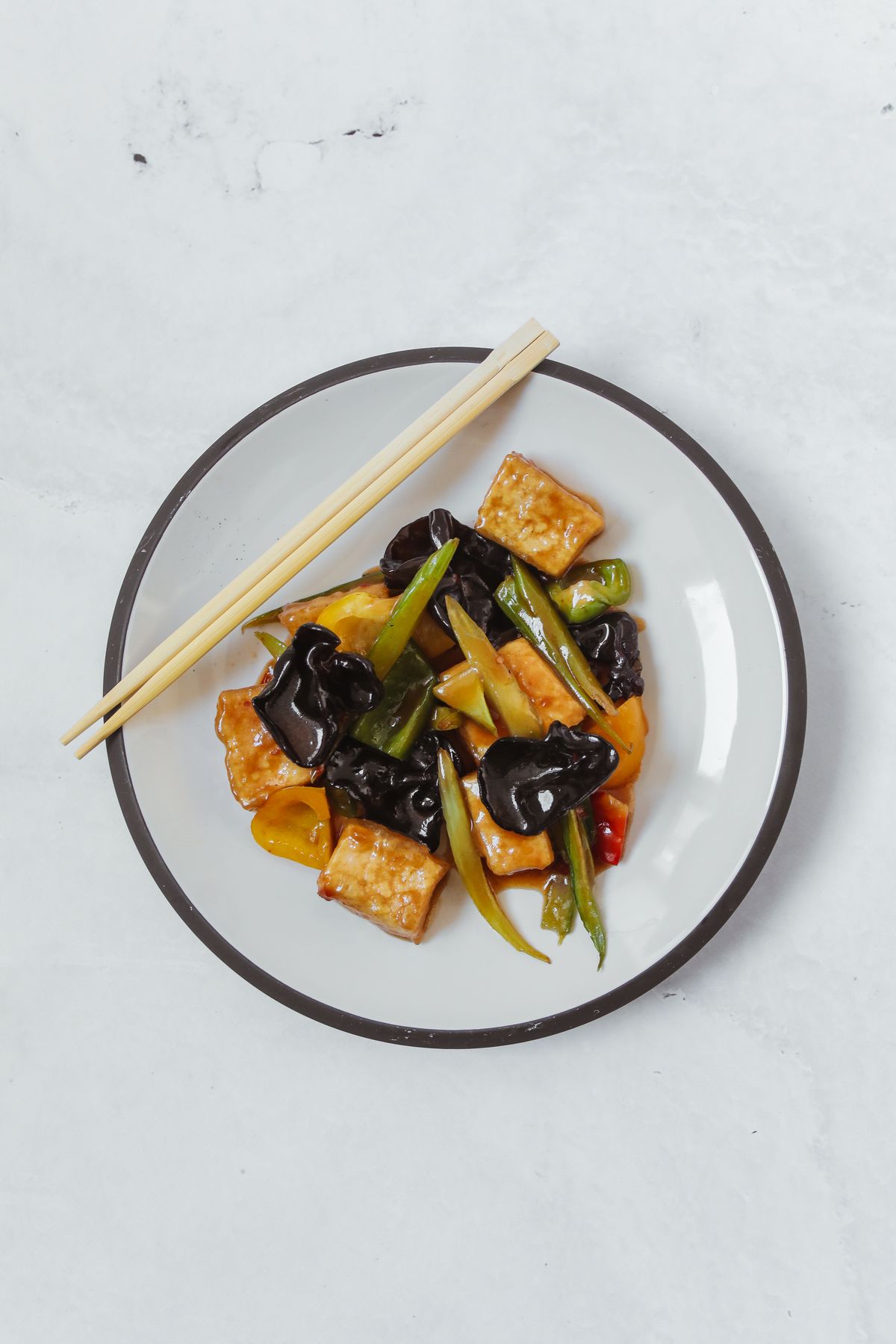
This page is rewritten around the exact tofu and wood ear image instead of the old green bean tofu draft. It now teaches a quick tofu stir-fry with wood ear mushrooms, peppers, garlic, and a savory soy-oyster glaze.
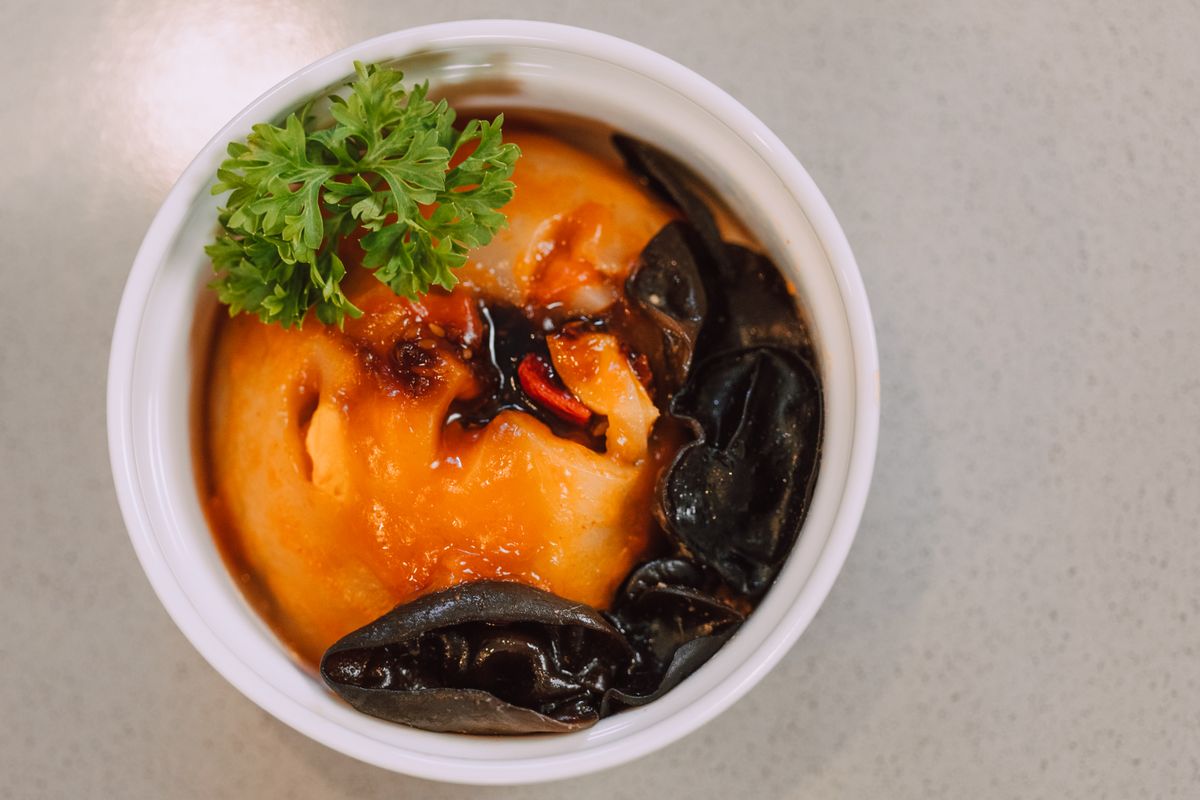
Steamed egg custard with wood ear and chili oil is the accurate page for this image because the bowl shows smooth orange-yellow custard, dark wood ear-like pieces, red chile oil, and a small herb garnish. It does not visibly show minced pork. The refined article teaches the part readers actually need: strain the eggs, steam gently, and add the toppings after the custard sets so the surface stays smooth.
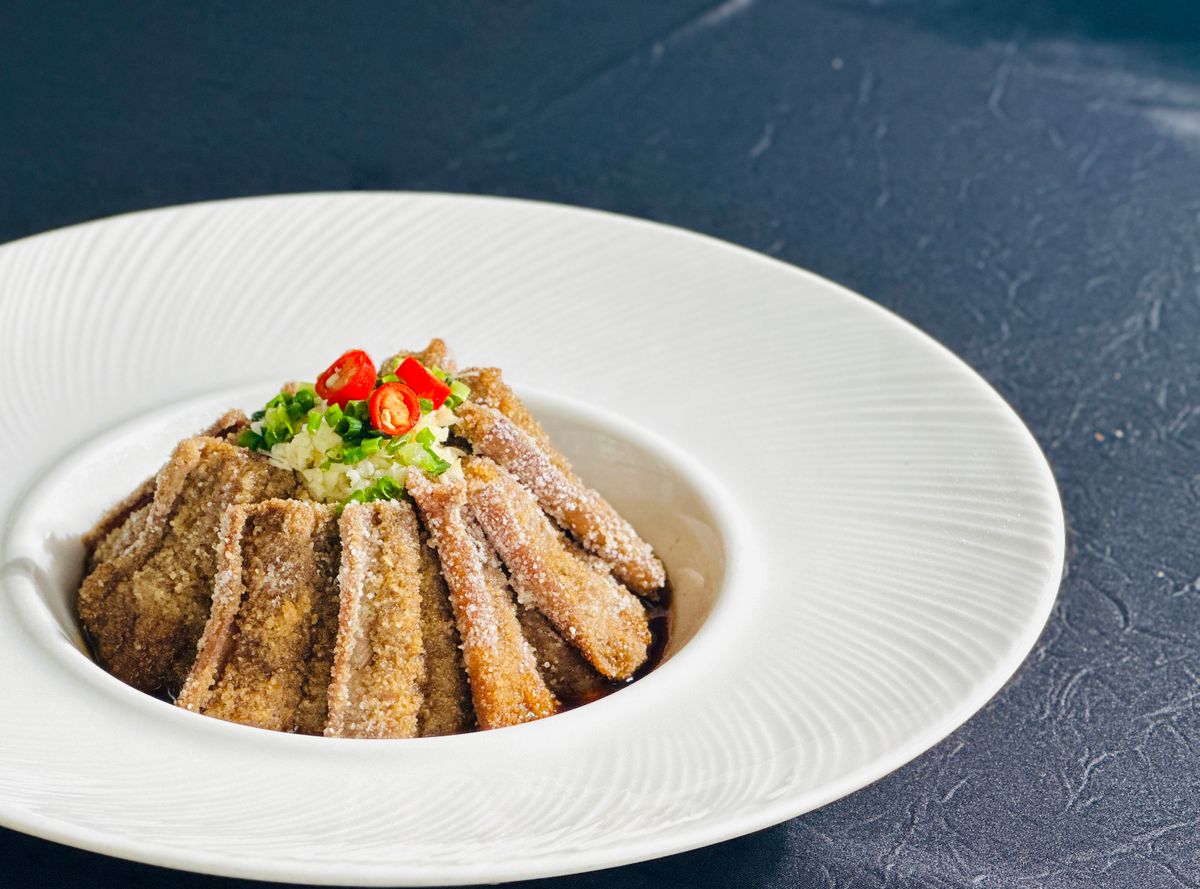
Crispy garlic chili eggplant is the accurate promise for this image because the plate shows pale golden eggplant pieces finished with chopped garlic, green herbs or scallions, and red chile. It does not show soft steamed eggplant with a poured dressing. The useful lesson is to separate texture from sauce: crisp the eggplant first, then add the garlic-chile glaze only long enough to cling.
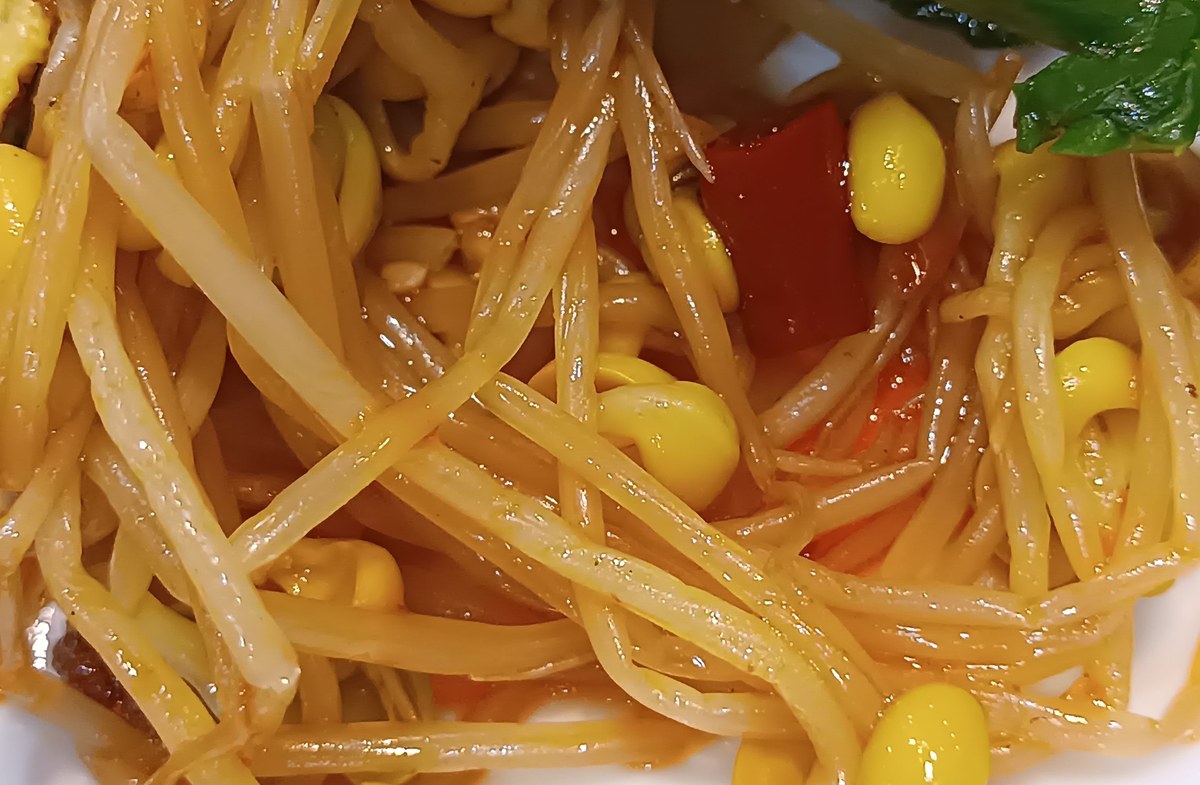
Stir-fried bean sprouts with garlic should taste fresh, crisp, and lightly savory, not limp or wet. The trick is to rinse and drain the sprouts well, cook them over high heat, and season late so they keep their snap.
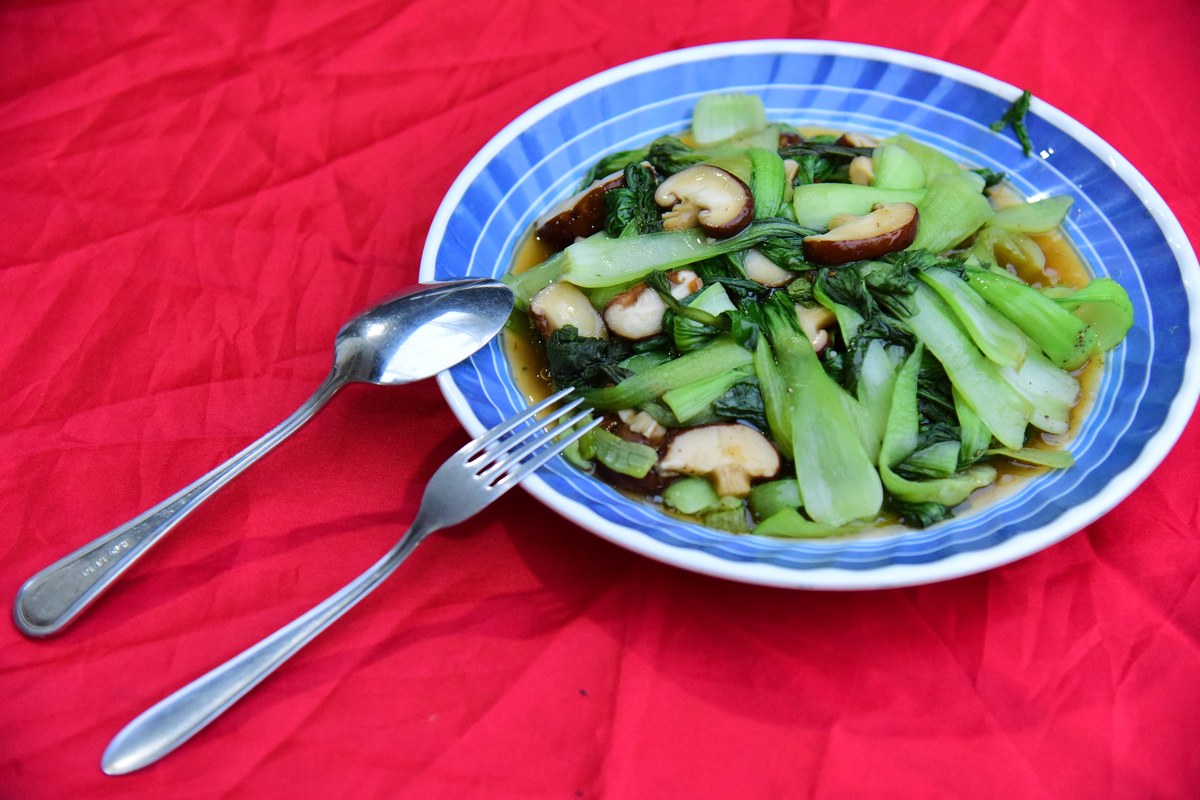
A stir-fried bok choy recipe that keeps stems crisp, leaves bright, garlic fragrant, and sauce light enough to cling without turning the pan watery.
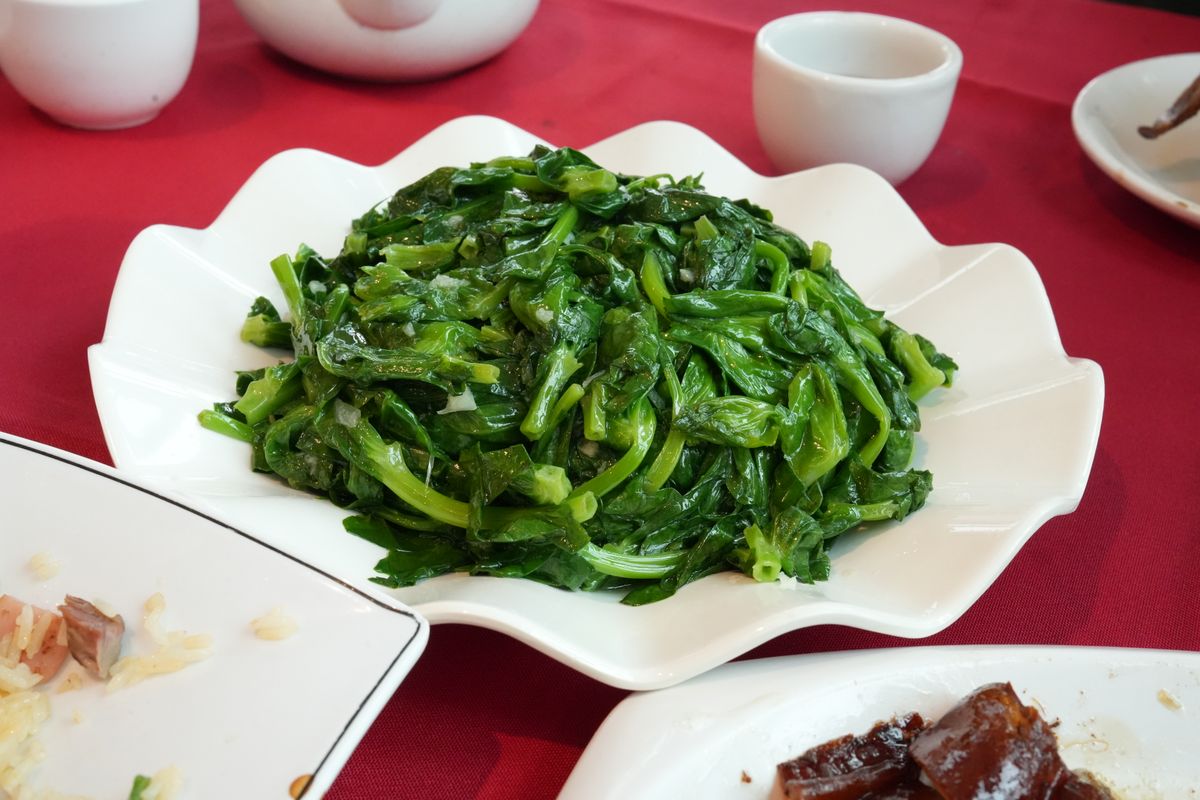
Chinese stir-fried lettuce with garlic is the accurate promise for this image because the white platter shows glossy wilted green leaves with pale garlic pieces. The old page was close, but it needed sharper author judgment: cooked lettuce succeeds only when the leaves are hot, bright, and still lightly crisp, not boiled into a wet pile.
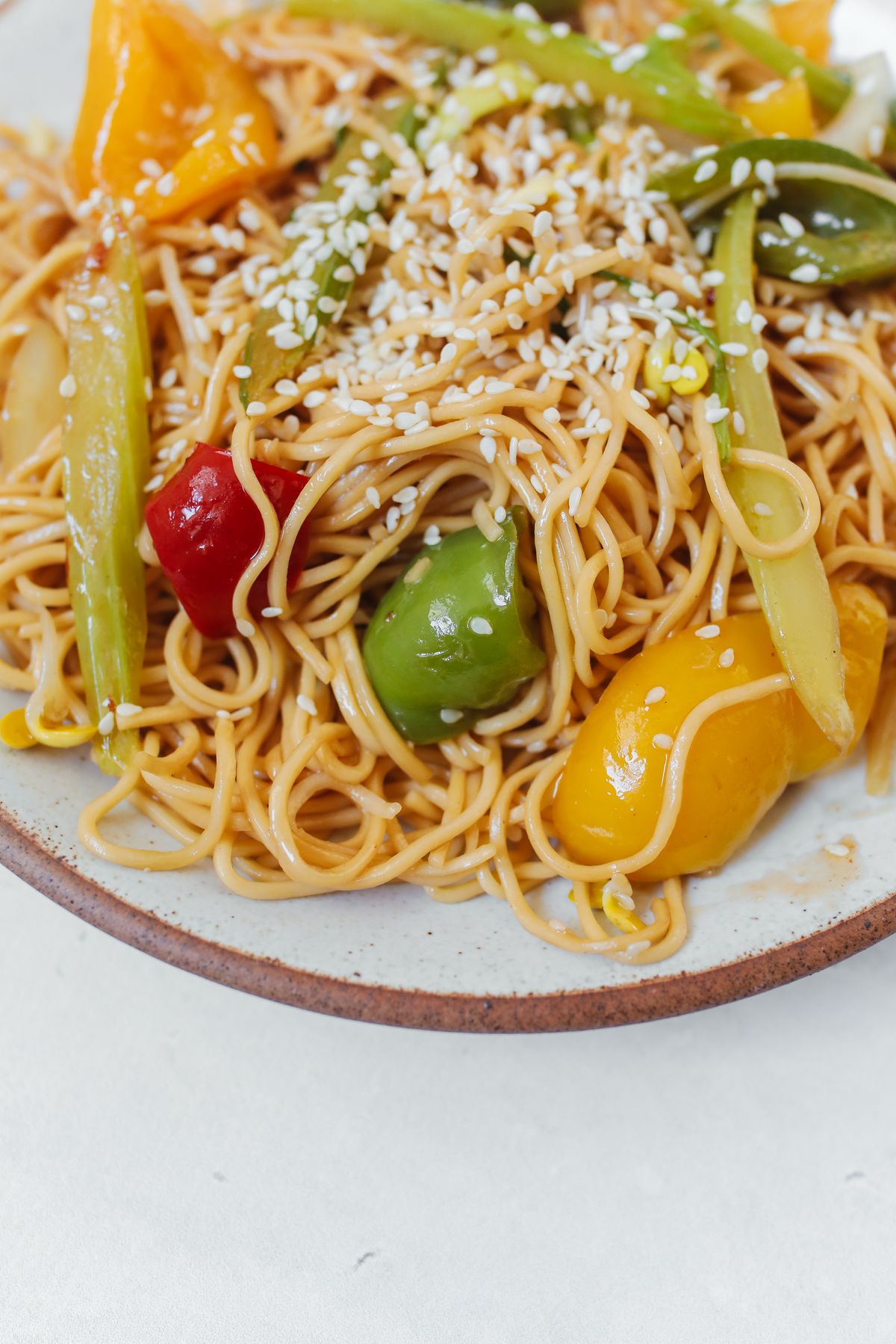
This page now follows the actual image instead of forcing a strict Suzhou soup-noodle promise. The bowl shows dry tossed noodles, glossy sweet soy color, bell peppers, pale scallion stems, and sesame seeds, so the recipe is framed as a sweet soy noodle plate with a Jiangnan-leaning gentle sweetness.
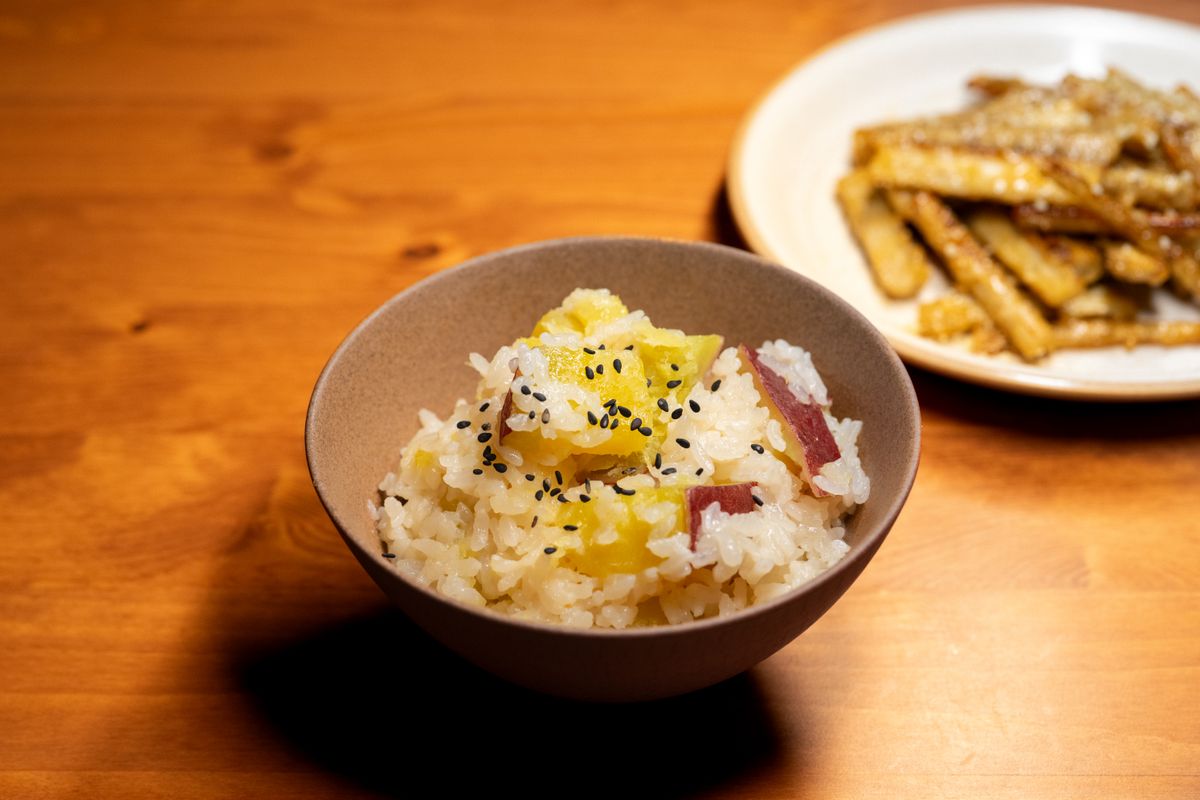
This page is rewritten around the exact sweet potato rice image instead of the old congee draft. The bowl is not porridge; it is steamed rice with tender yellow sweet potato pieces and black sesame, a simple rice-cooker style dish that tastes gently sweet and nutty.
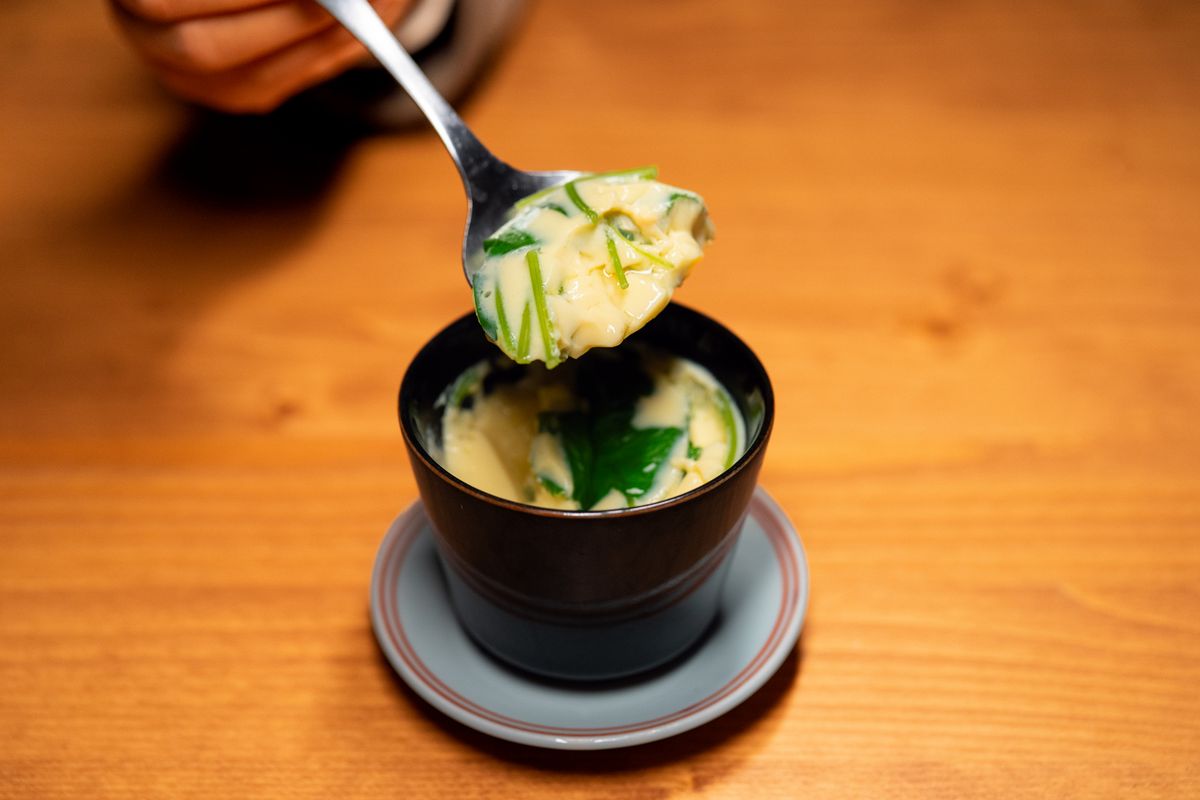
This page is rewritten around the exact steamed egg custard cup image instead of the old sweet soy eggplant draft. The recipe uses Chinese steamed egg logic: beaten eggs diluted with warm water or broth, strained, gently steamed, and finished with soy sauce, sesame oil, and scallion.
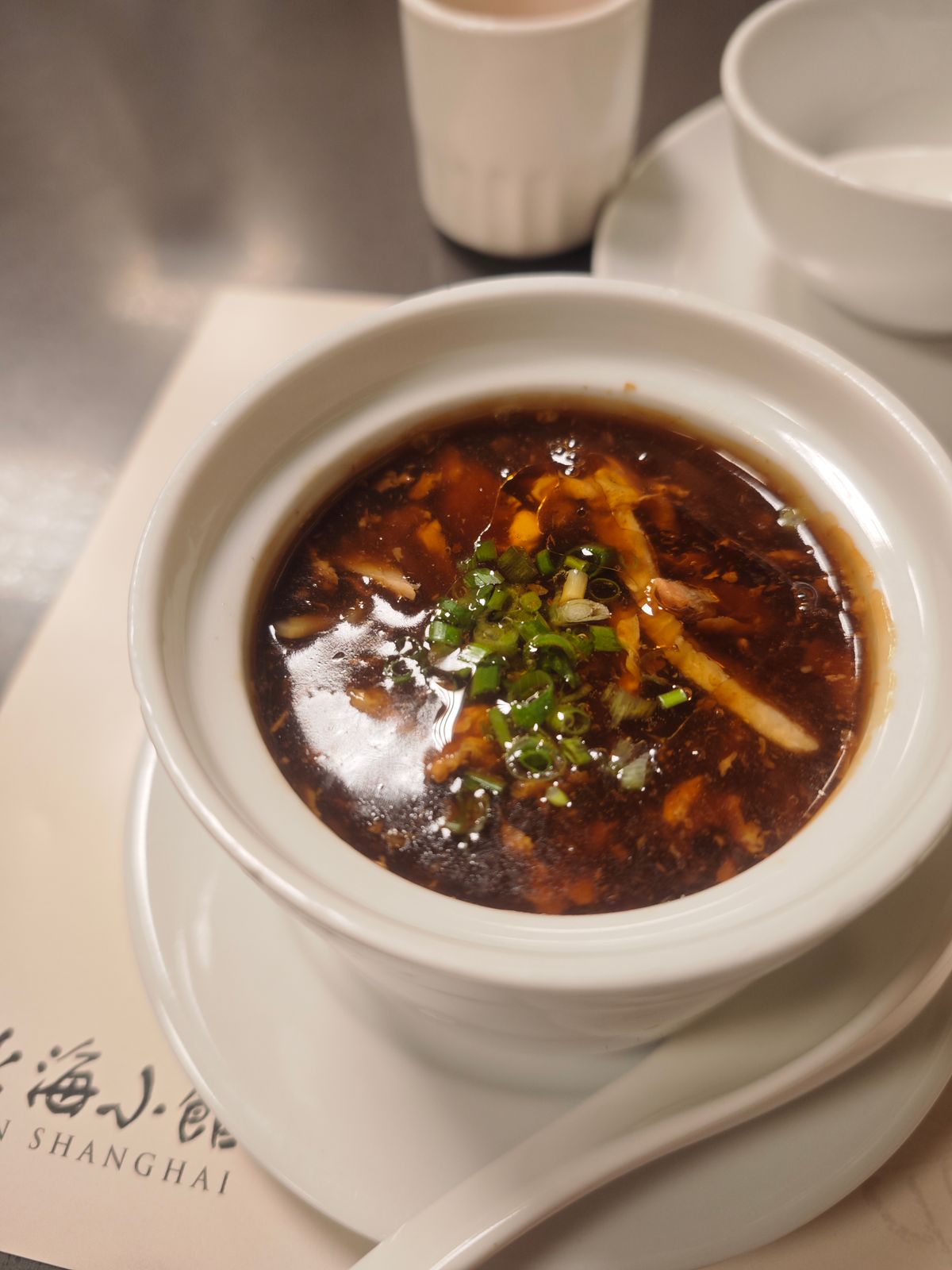
This page is rewritten around the exact dark soup image instead of the old tofu and egg stir-fry draft. The bowl is a hot and sour egg drop tofu soup: dark broth, fine egg ribbons, tofu and mushroom pieces, scallions, vinegar brightness, and white pepper heat.
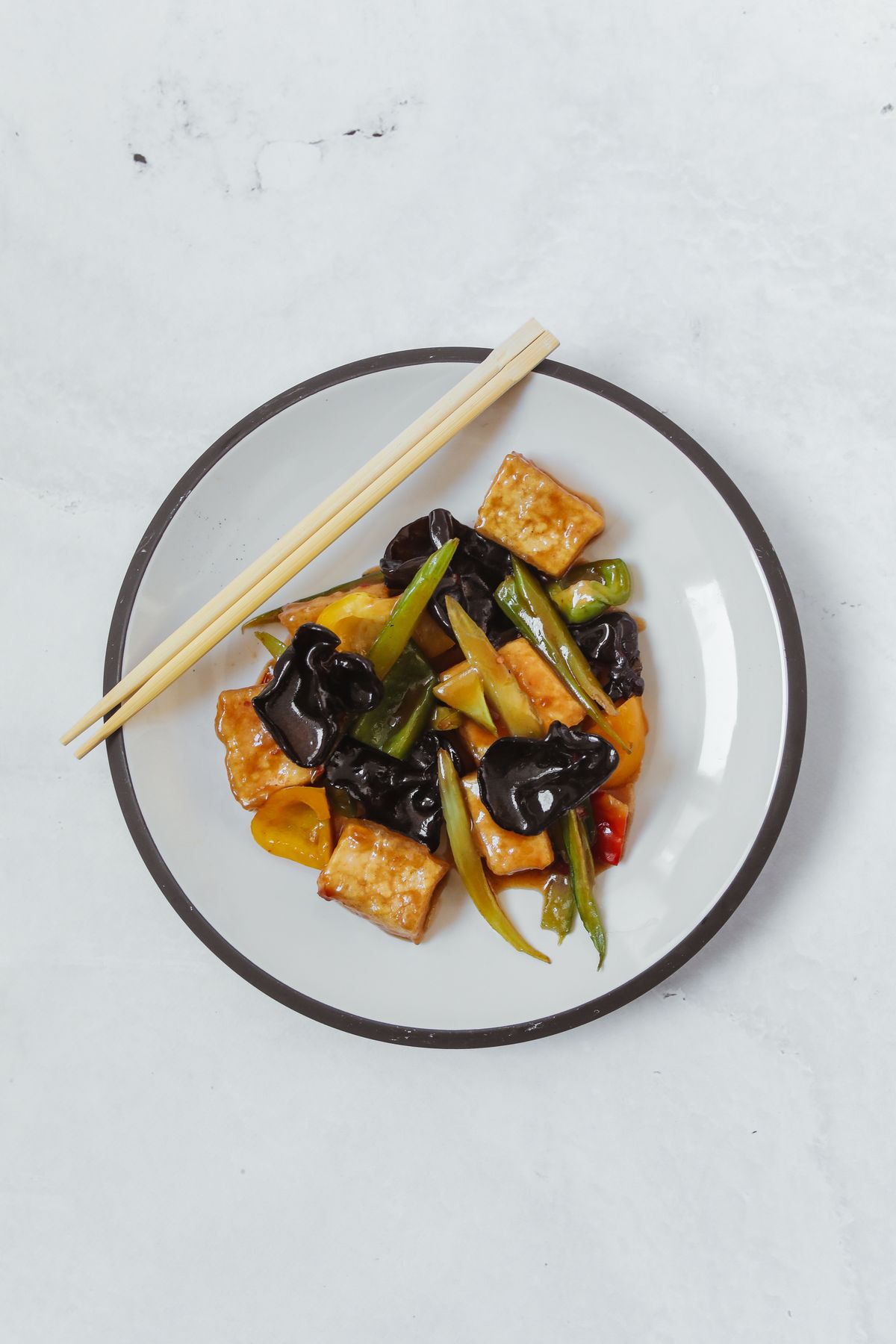
This page is rewritten around the exact tofu, wood ear, pepper, and snap pea image instead of the old tofu broccoli draft. The method focuses on pan-fried tofu cubes, rehydrated wood ear mushrooms, crisp green vegetables, and a glossy light-soy sauce that coats without flooding the plate.
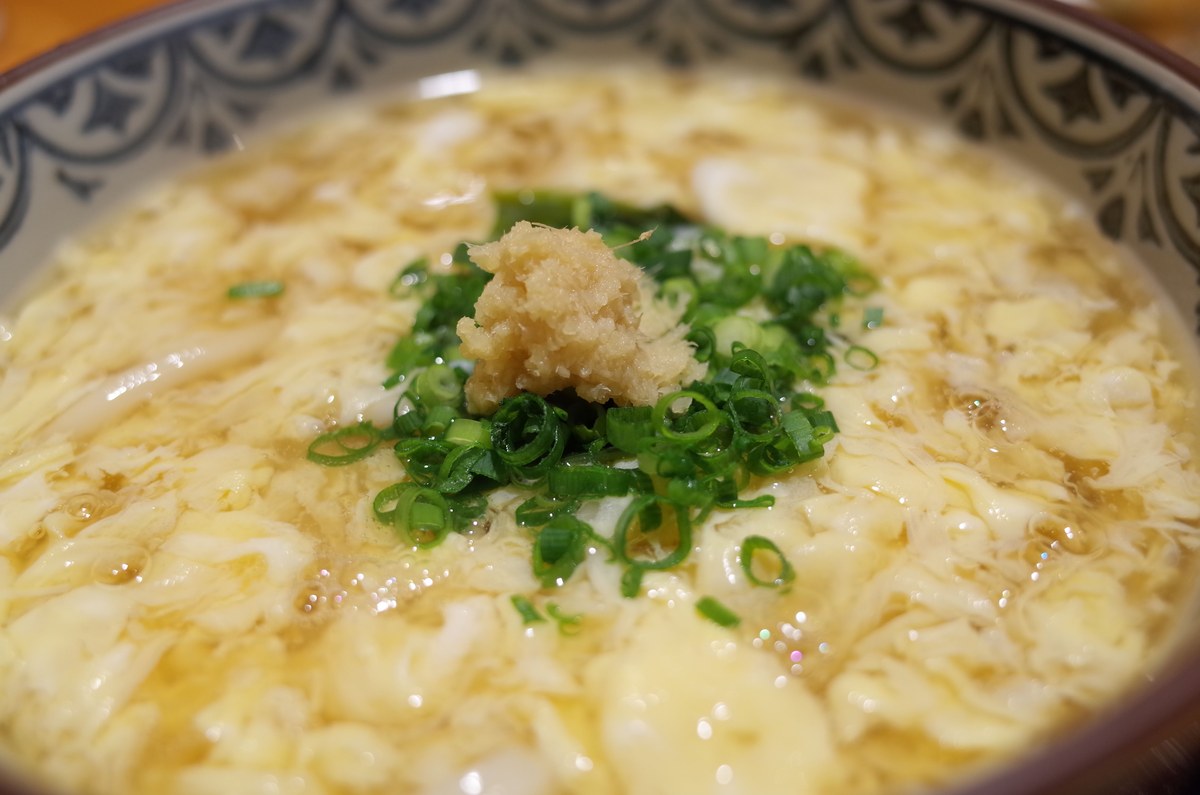
Chinese egg drop soup, or dan hua tang, is fast but not careless. A lightly thickened broth holds the egg ribbons in suspension, while a slow drizzle and gentle stirring create soft flowers instead of scrambled bits.
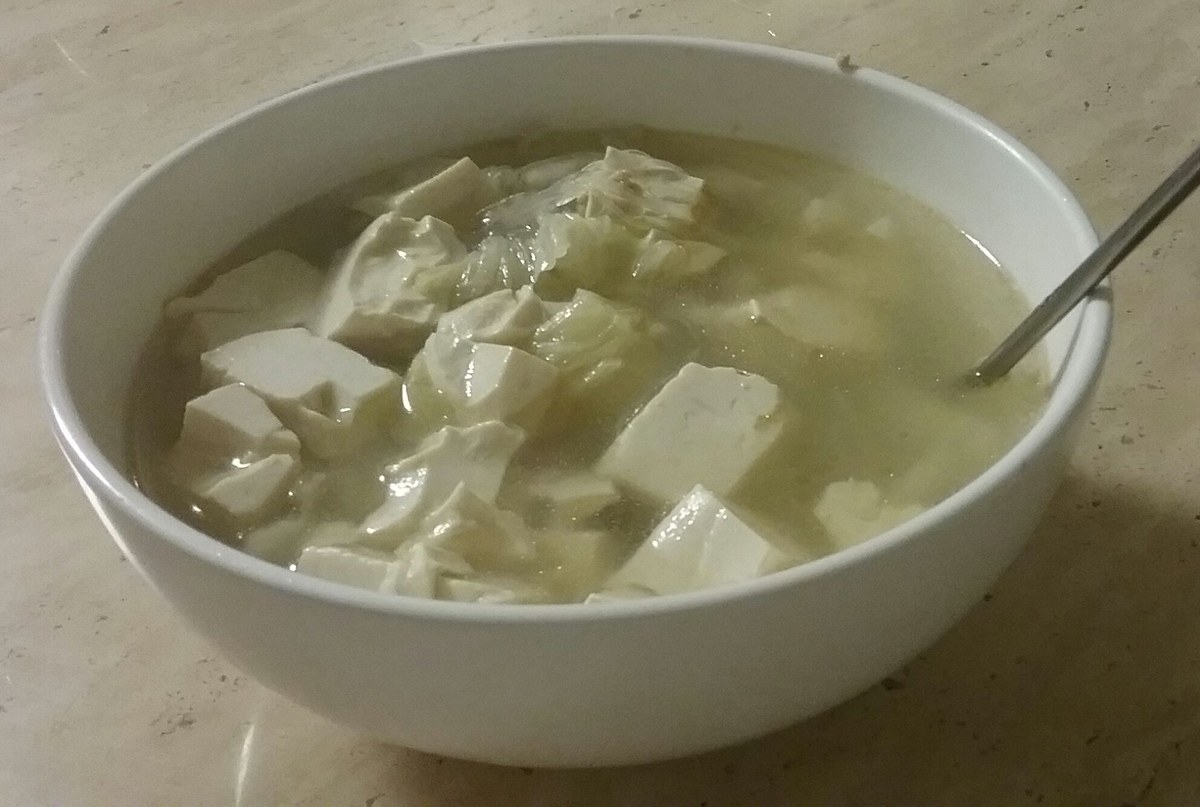
Napa cabbage tofu soup, or bai cai dou fu tang, is the kind of Chinese home soup that tastes simple only when the order is right. The cabbage stems soften first, tofu goes in gently, and white pepper, sesame oil, and scallions finish the broth without muddying it.
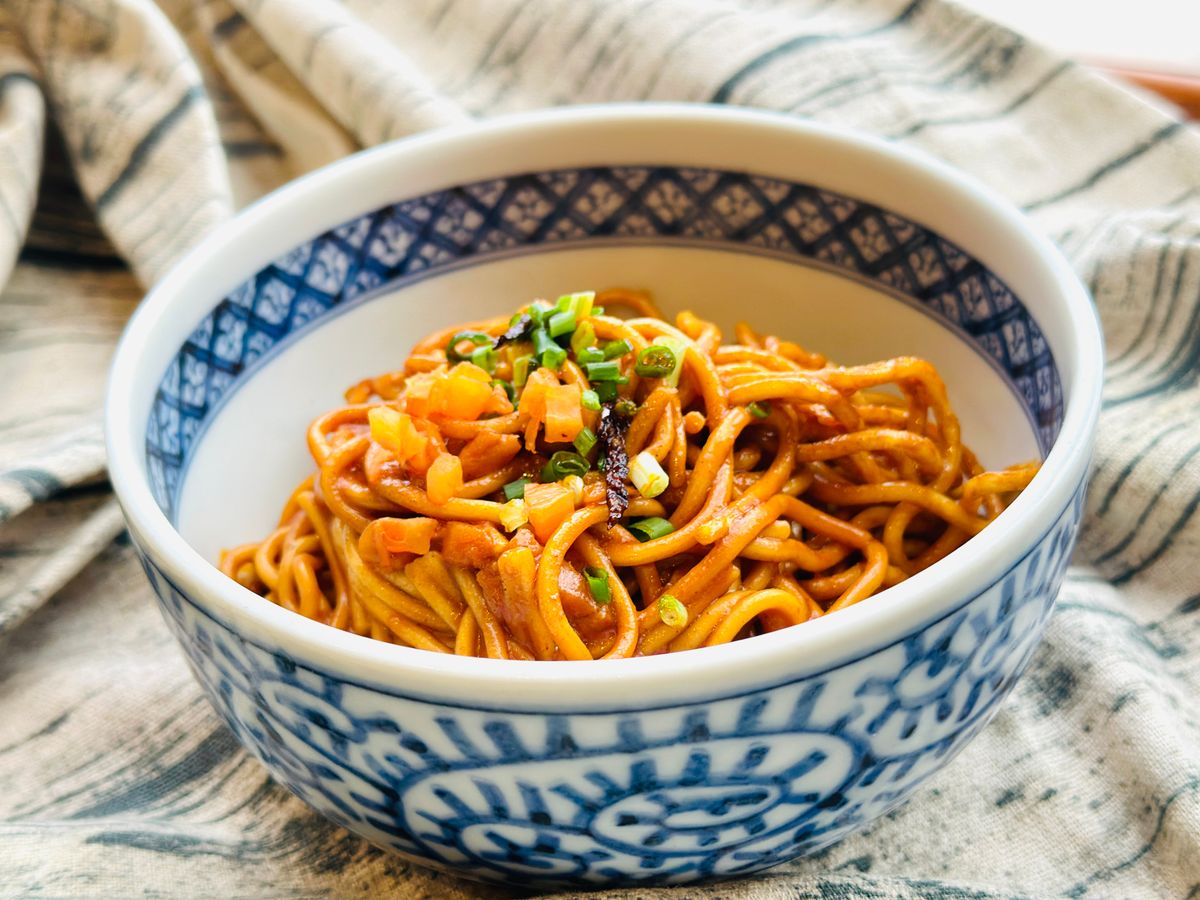
This page is rewritten around the exact orange-sauced noodle image instead of the old tomato beef rice noodle draft. It teaches a quick Chinese tomato scallion noodle bowl where jammy tomato sauce and scallion oil cling to noodles without turning watery.
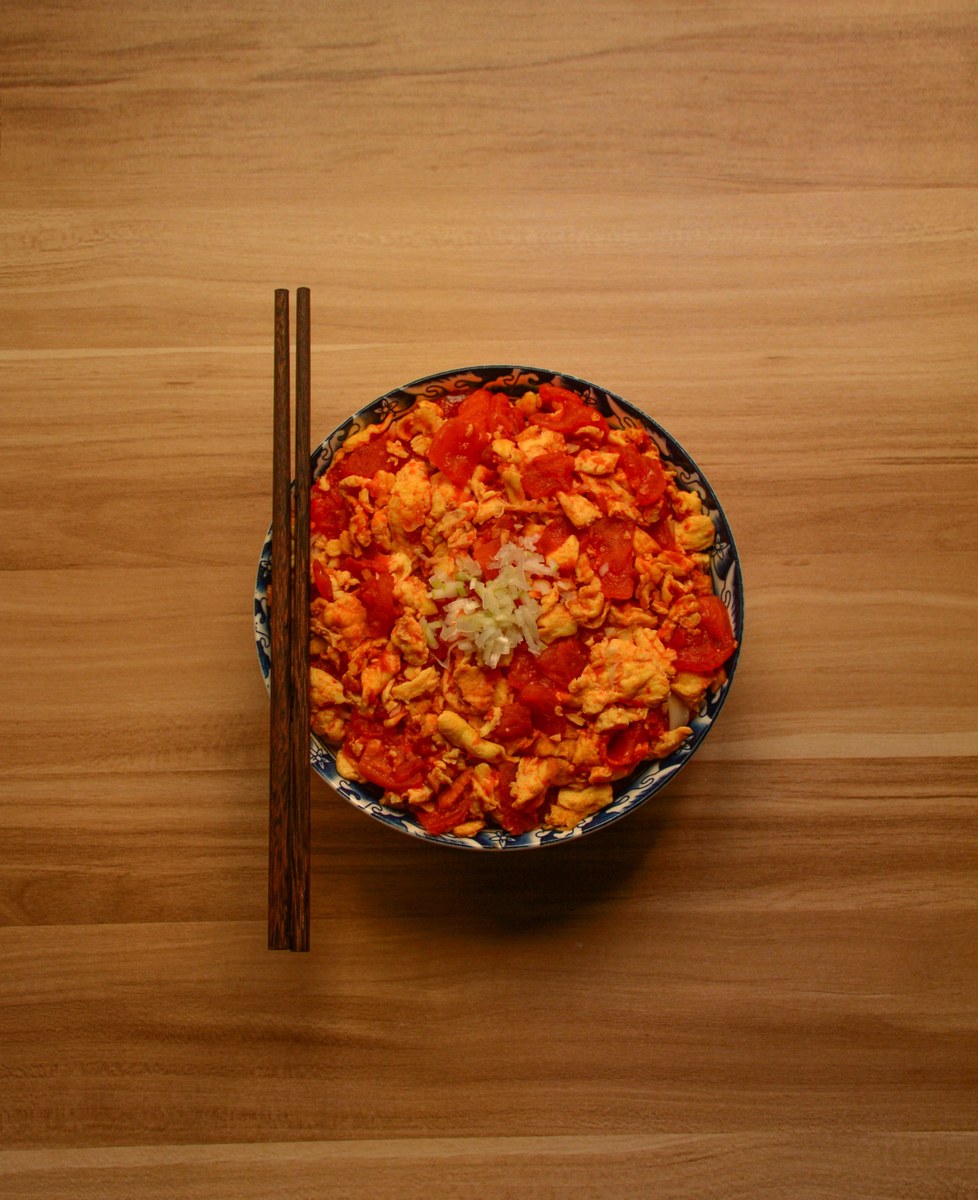
A Chinese tomato egg stir-fry recipe that keeps the eggs glossy, cooks tomatoes into a spoonable sauce, and shows when to use sugar, ketchup, or cornstarch without hiding the tomato flavor.
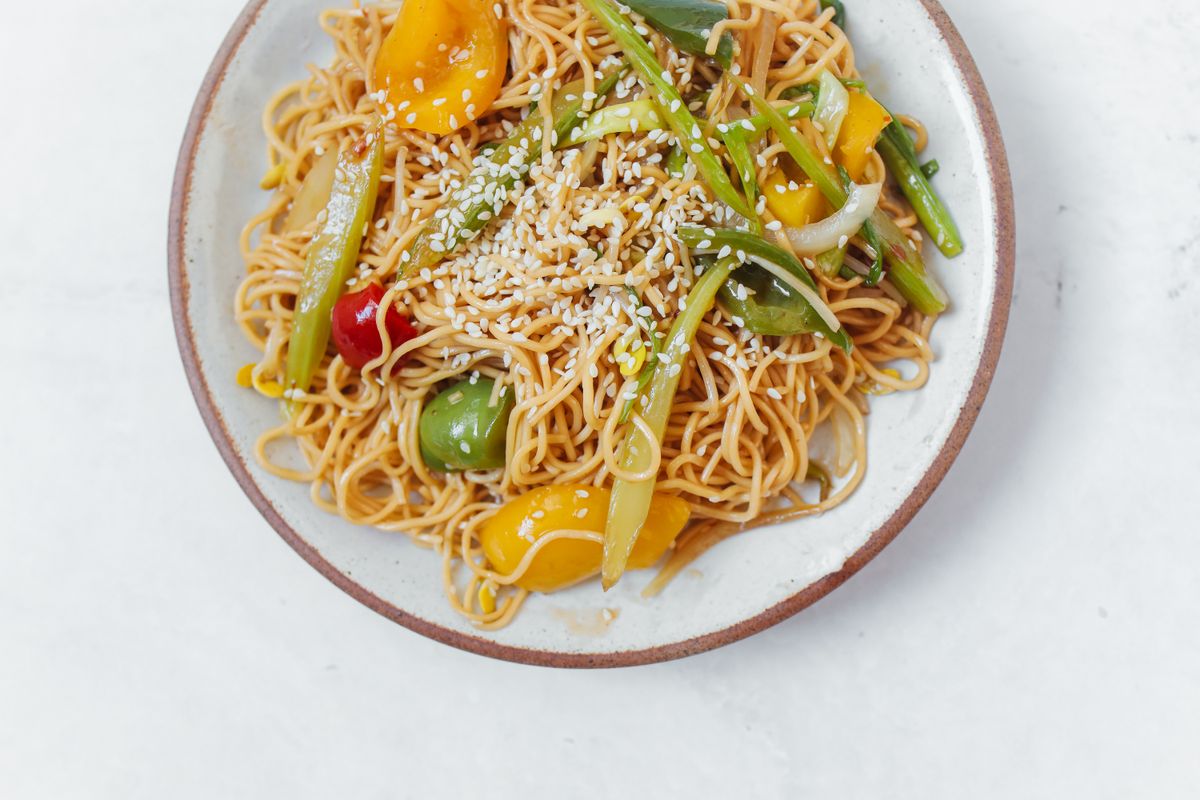
This page is rewritten around the exact noodle image instead of the old tomato pepper egg noodle draft. The bowl is a quick vegetable lo mein with yellow and green bell peppers, long scallion pieces, glossy soy-sesame sauce, and toasted sesame seeds on top.
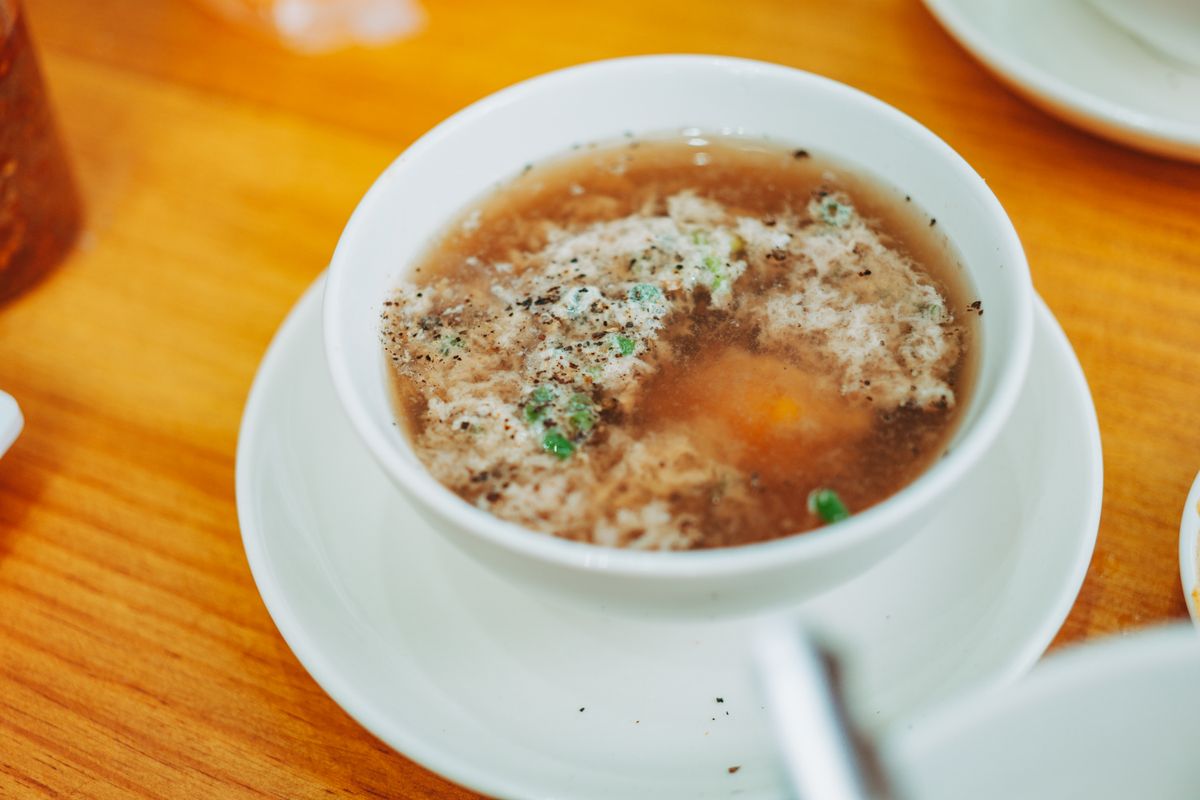
Tomato Tofu Soup with Egg Ribbons is a fast Chinese home soup built around a light tomato broth, soft tofu, and silky egg. The image shows a tomato-colored soup with tofu pieces and pale egg-like ribbons, so the page now teaches the timing that keeps tofu intact and eggs feathered.
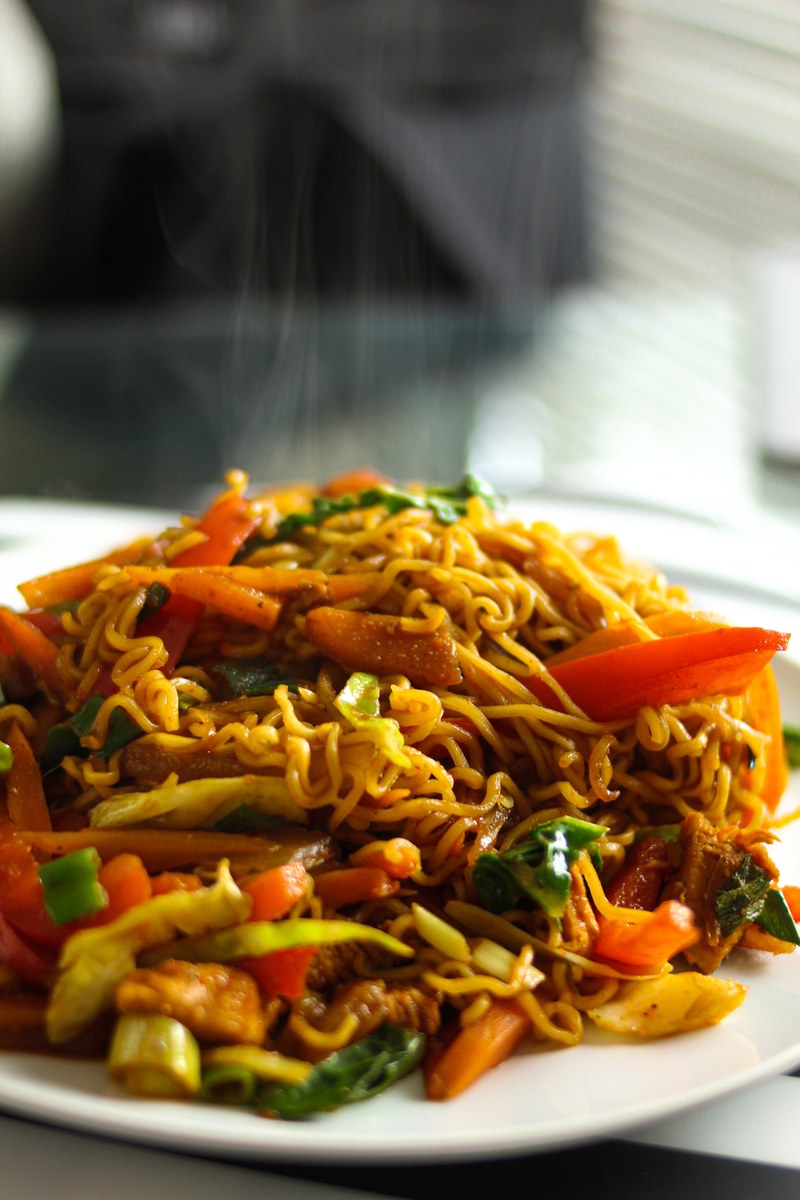
A vegetable chow mein recipe for springy noodles, crisp vegetables, and a glossy sauce that coats without steaming the pan.
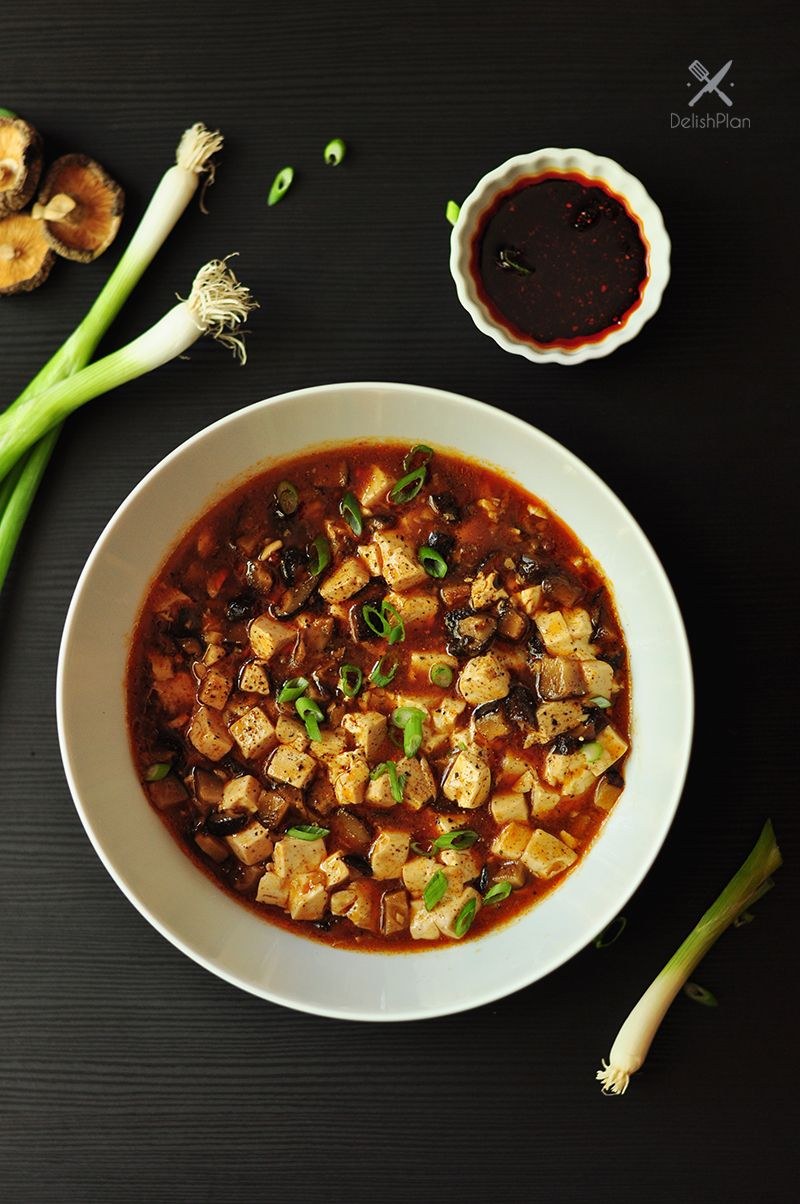
Vegan mapo tofu should not taste like tofu in generic spicy sauce. Mushrooms, doubanjiang, fermented black beans, chili oil, and Sichuan pepper need to be cooked until aromatic before soft tofu goes in, so the sauce has the same savory pull as the meat version.
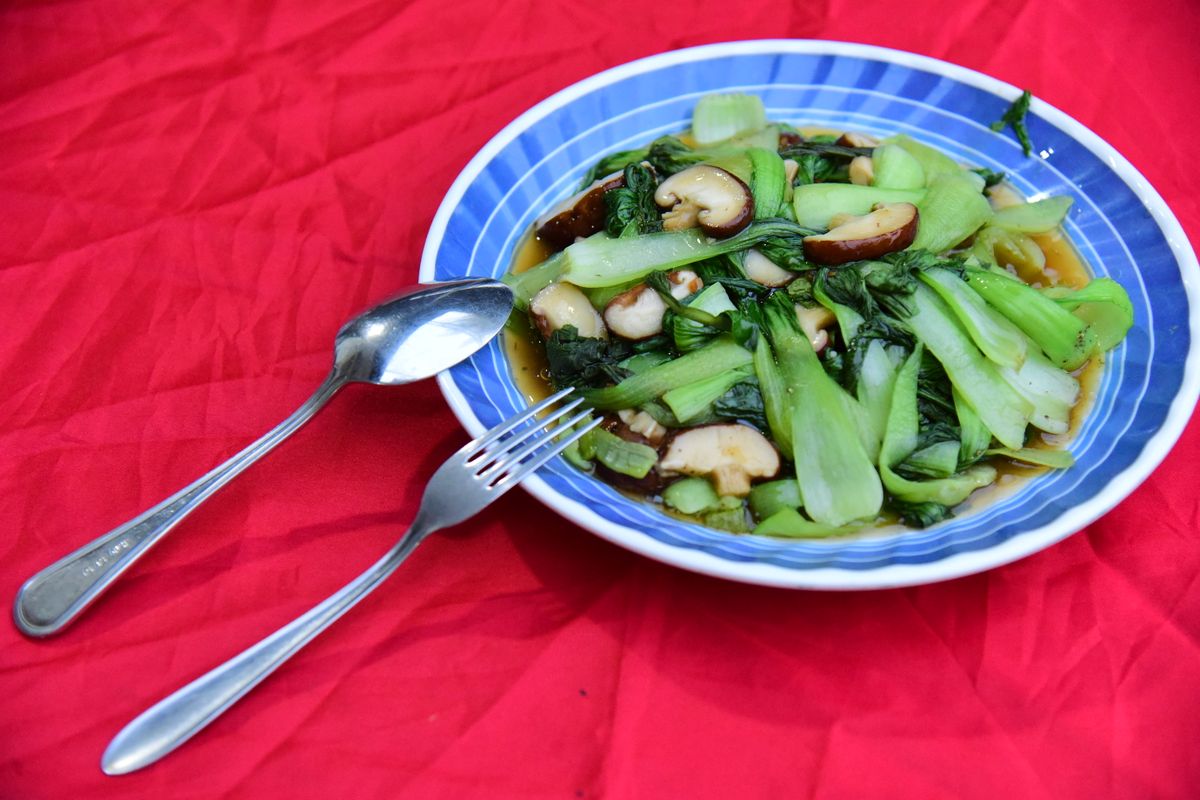
This page is rewritten around the exact bok choy and mushroom image instead of the old vinegar cabbage draft. It now teaches a quick Chinese vegetable stir-fry with bok choy, shiitake mushrooms, garlic, and a light soy-based sauce.
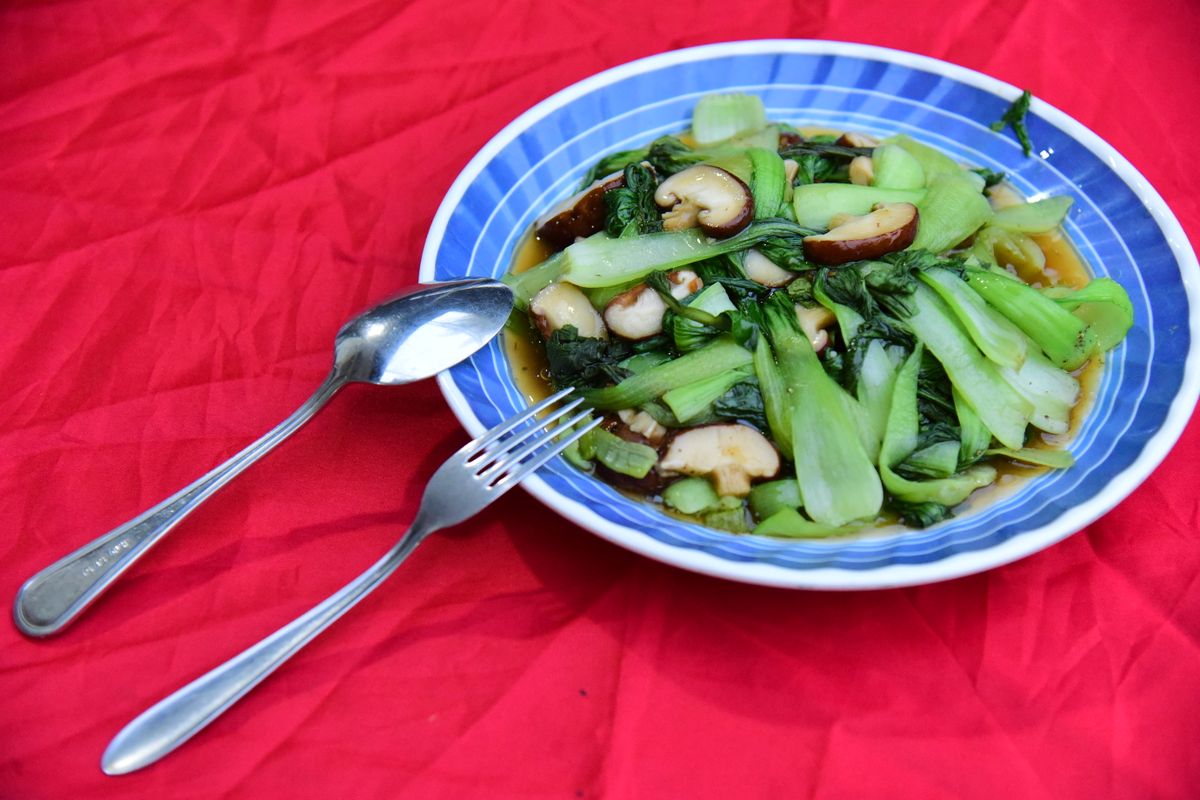
This page is rewritten around the exact bok choy and mushroom image instead of the old vinegar potato draft. The dish is a quick vegetable plate: bok choy stems stay crisp, leaves wilt gently, shiitake mushrooms bring savoriness, and a light soy-garlic sauce collects at the bottom.
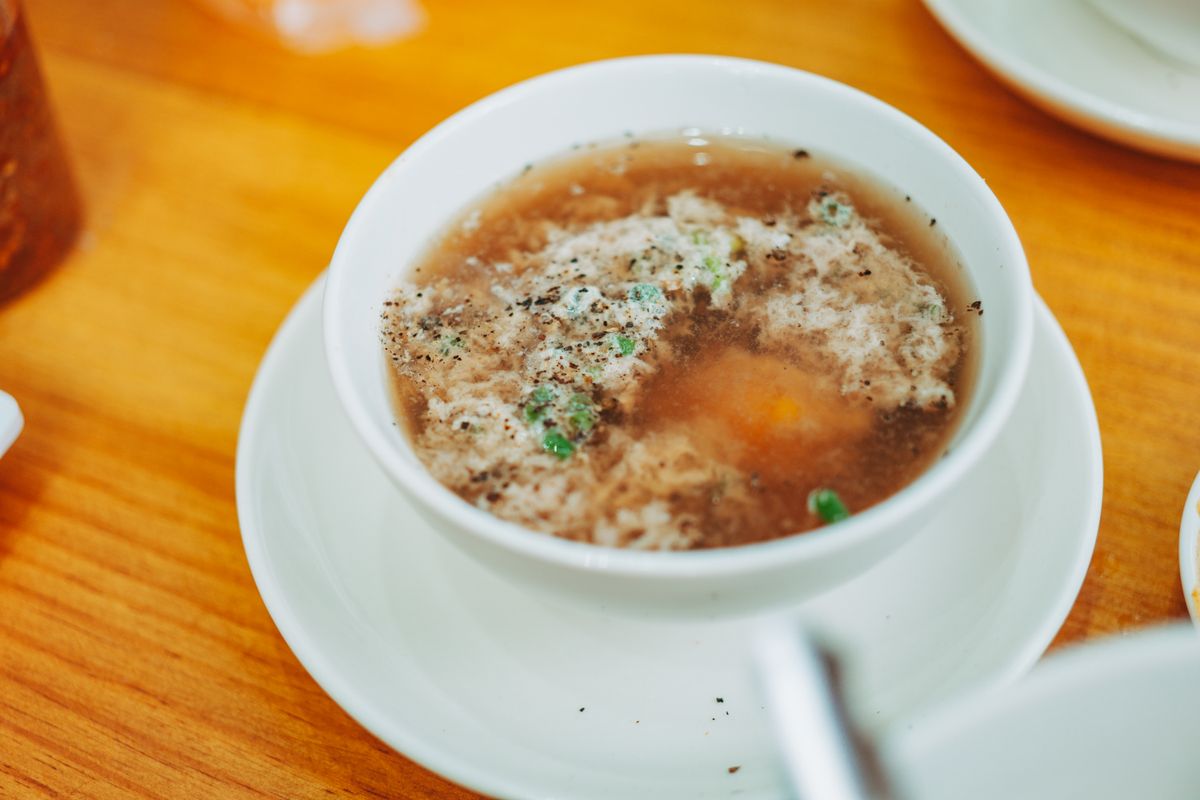
This page is rewritten around the exact egg flower soup image instead of the old wine-simmered fish soup draft. The recipe focuses on light broth, white pepper, thin cornstarch body, and egg ribbons that float in soft blossoms.
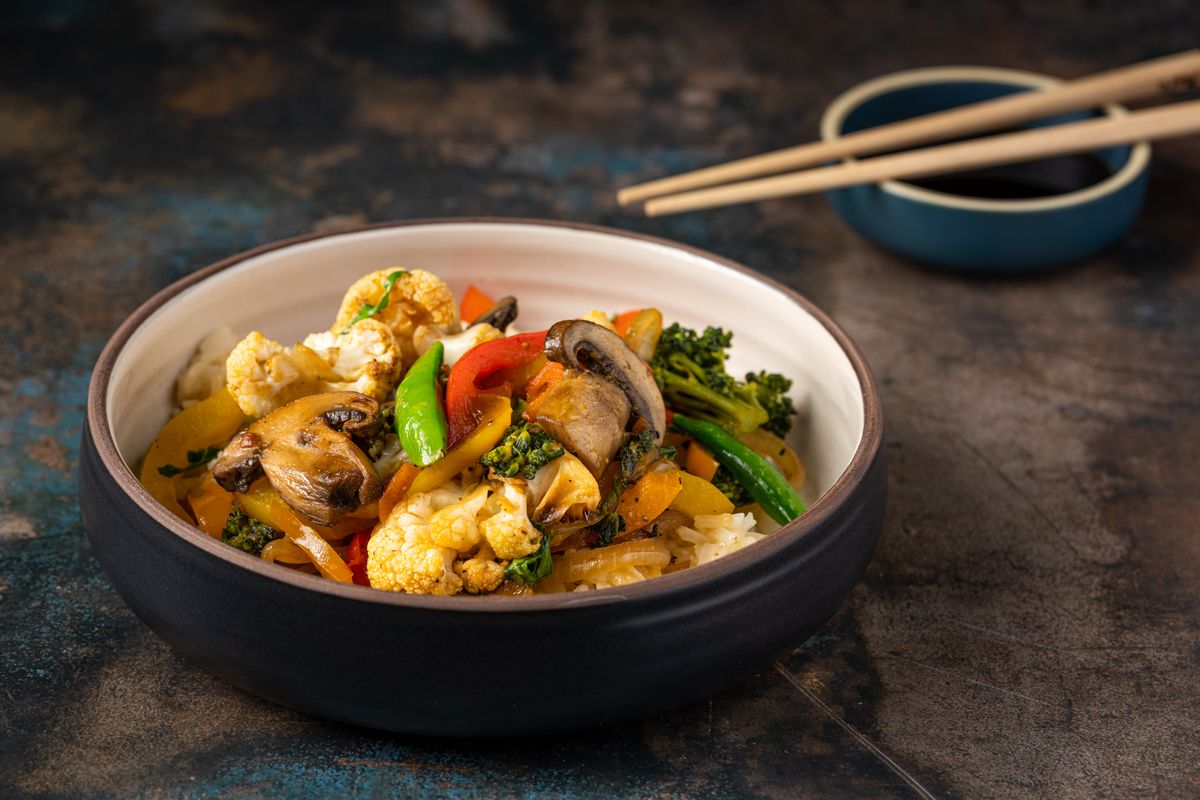
This page is rewritten around the exact vegetable rice bowl image instead of the old Xinjiang chickpea rice draft. The bowl is built for a weeknight Chinese-style vegetarian dinner: crisp-tender cauliflower, browned mushrooms, broccoli, peppers, and a light soy glaze spooned over hot rice.
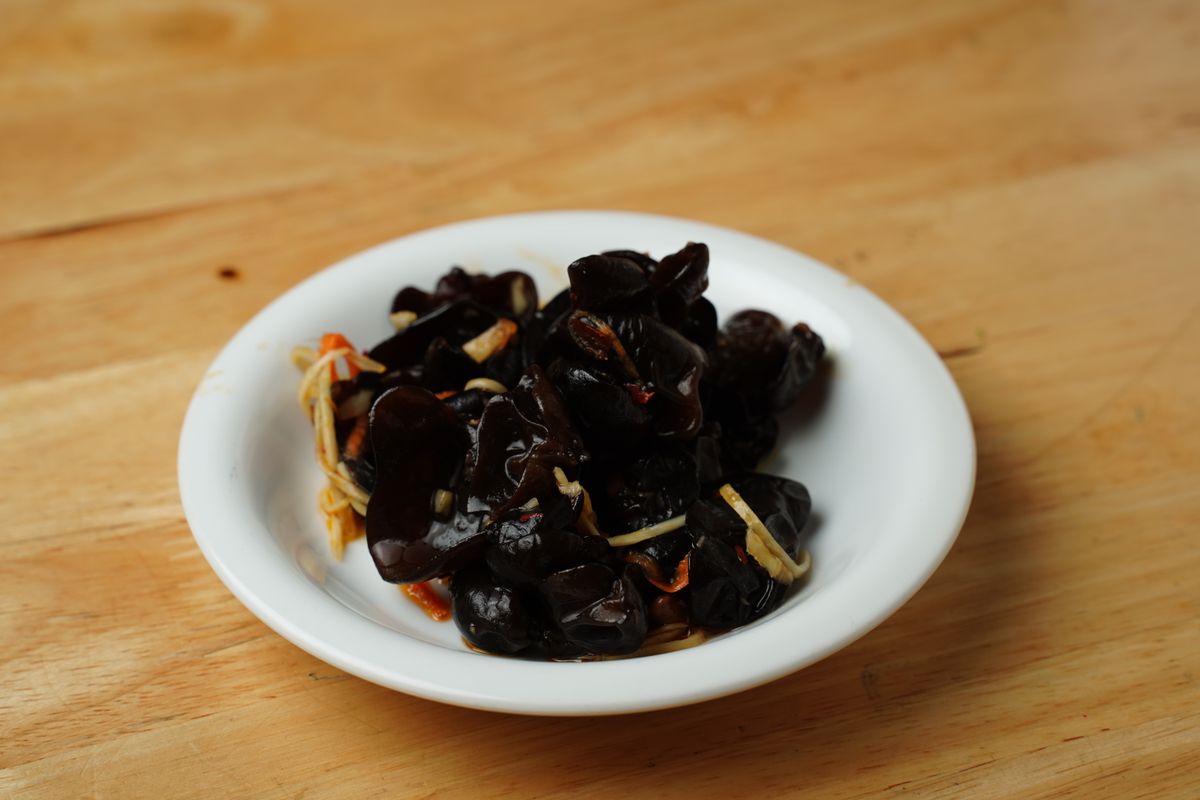
This page is rewritten around the exact wood ear mushroom image instead of the old cucumber-onion draft. The dish is a cold Chinese salad built on springy wood ear texture, black vinegar, raw garlic, chili oil, and a short rest in the dressing.
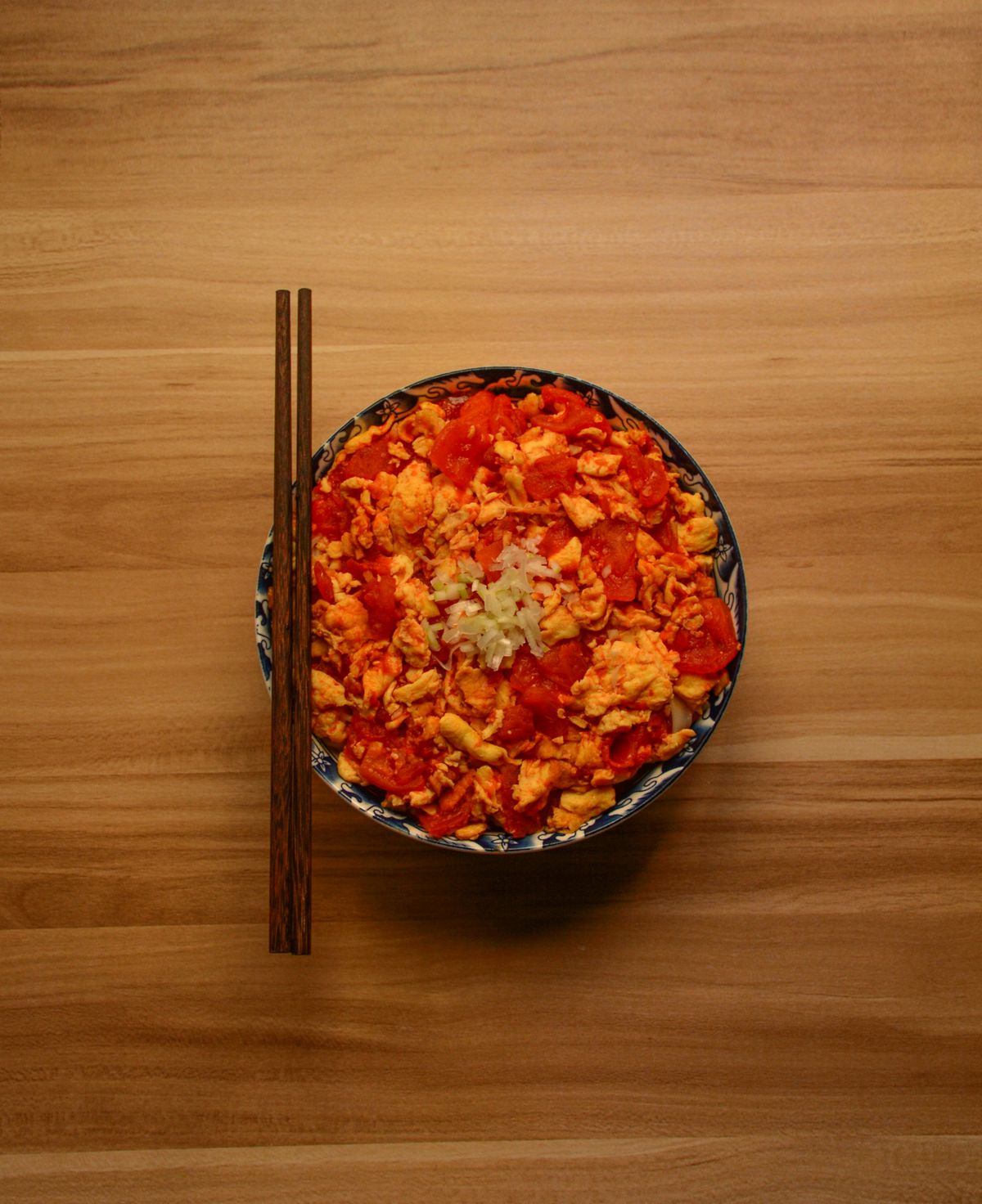
This page is rewritten around the exact tomato-and-egg bowl image instead of the old Xinjiang tomato noodle draft. The bowl highlights soft scrambled eggs folded through ripe tomatoes, with noodles underneath or alongside to catch the sweet-savory tomato sauce.
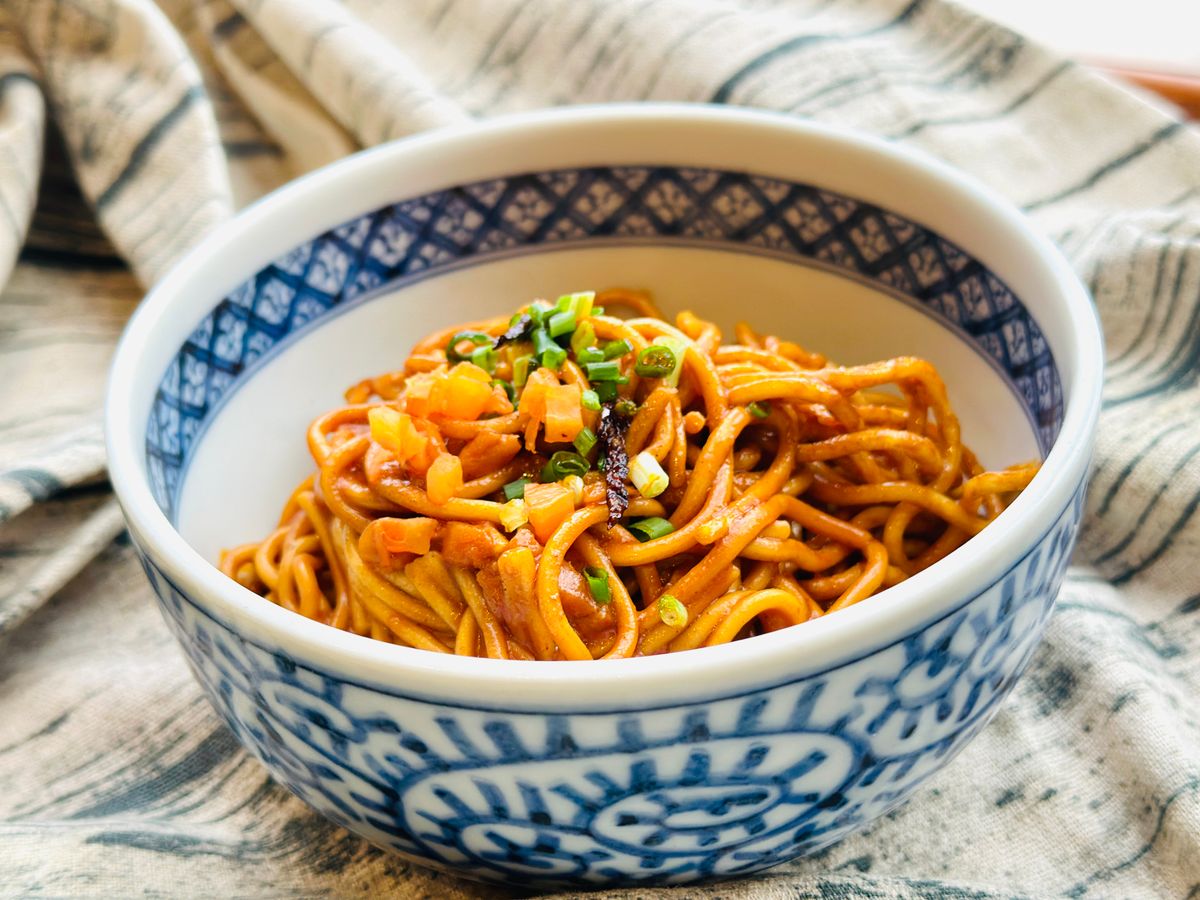
This page is rewritten around the exact red-orange noodle bowl image instead of the old XO-style shrimp noodle draft. The recipe focuses on a fast Chinese noodle bowl seasoned with chili oil, garlic, scallion, light soy sauce, and chopped zha cai for the crunchy yellow topping visible in the bowl.
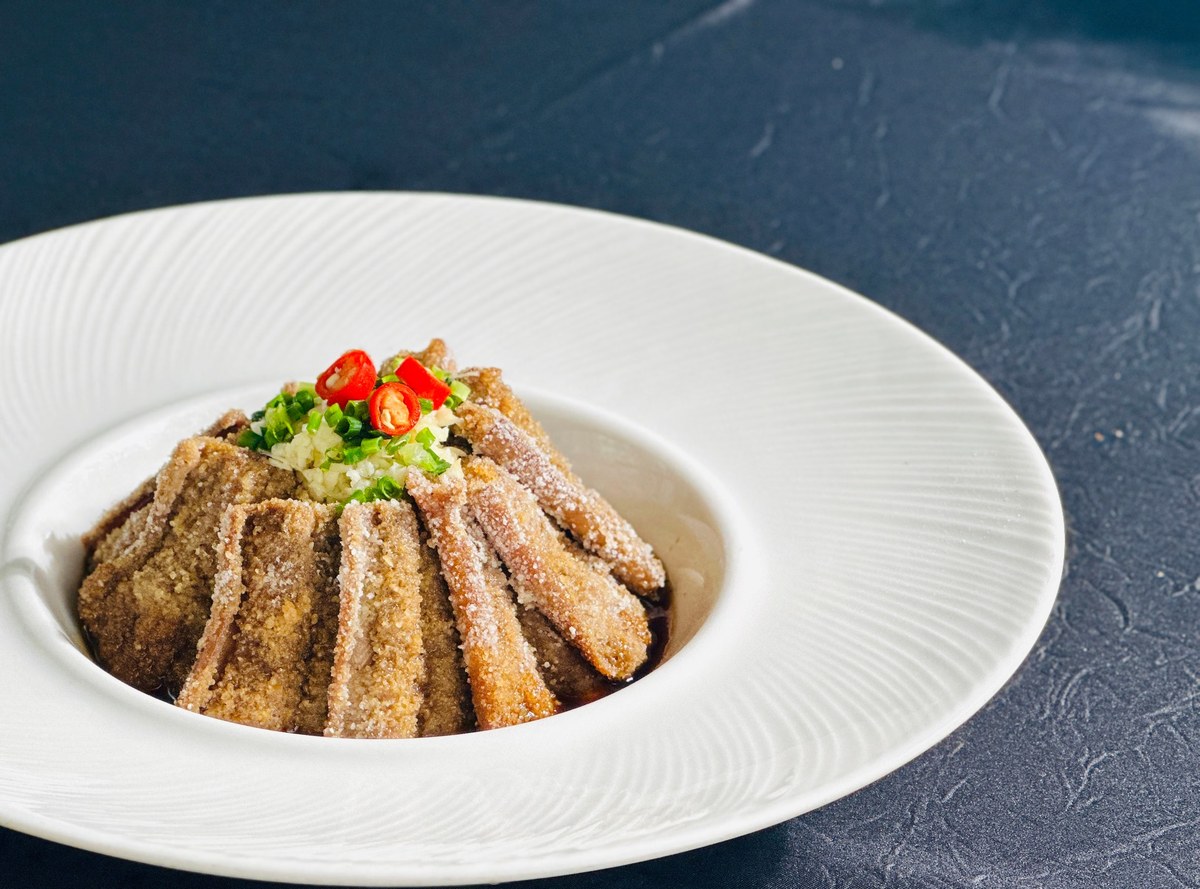
A yu xiang eggplant recipe focused on silky eggplant pieces, garlic-ginger aromatics, doubanjiang red oil, and the sweet-sour-savory balance that makes the sauce taste lively without using fish.
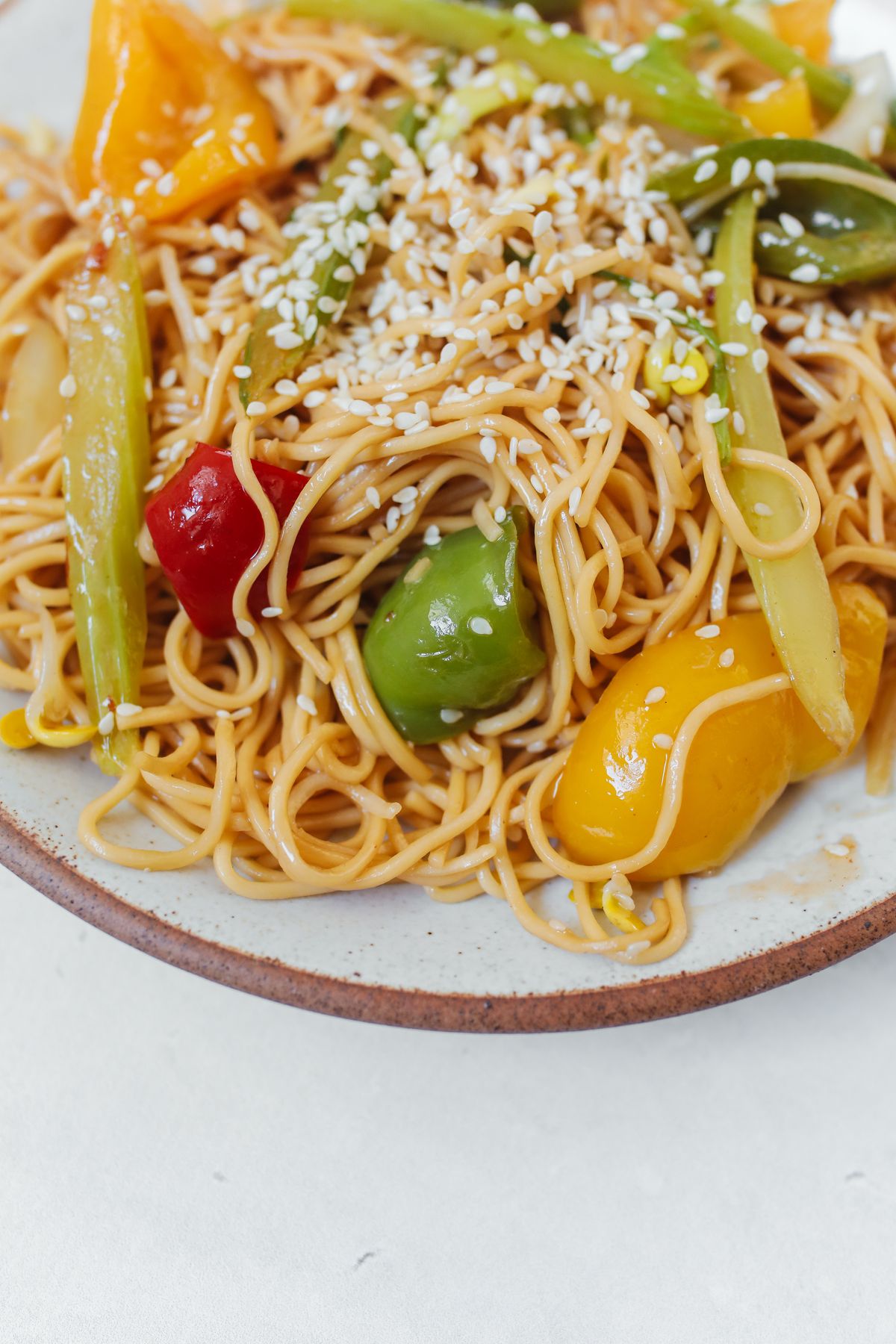
This page is rewritten around the exact sesame noodle image instead of the old Yunnan mint chicken draft. The recipe focuses on springy noodles, a light sesame-soy coating, sweet bell peppers, scallion, and toasted sesame so the plate tastes glossy and fresh rather than heavy.
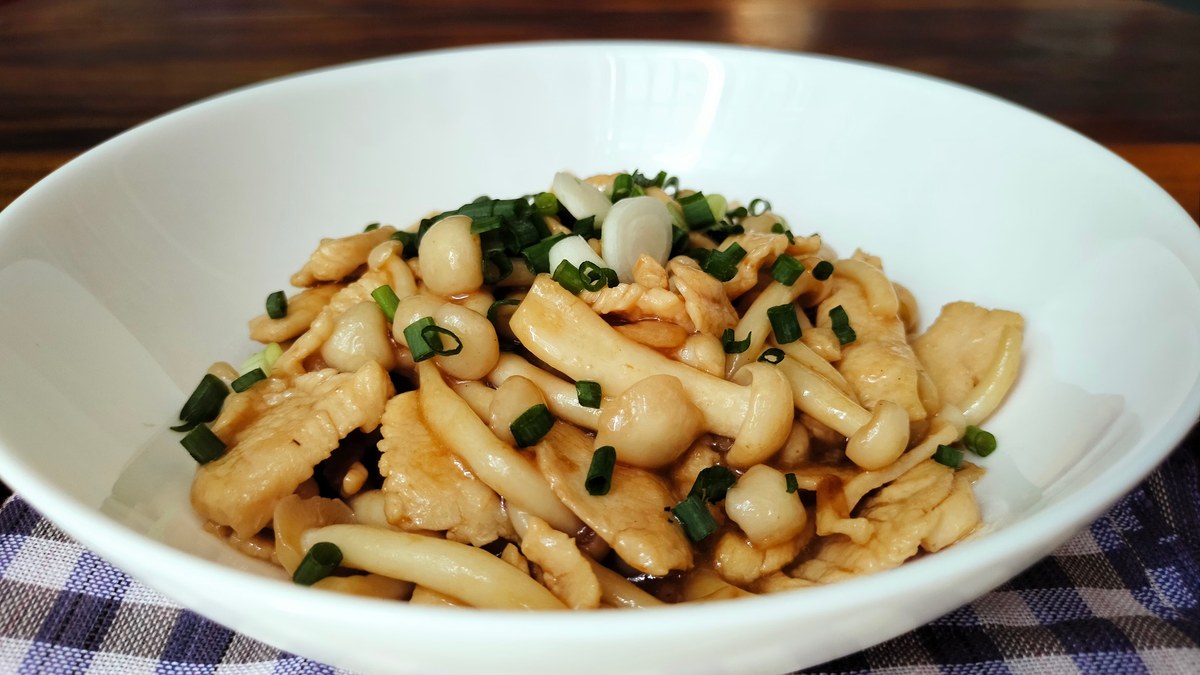
A Yunnan mushroom stir-fry recipe focused on browned mushroom edges, garlic, chiles, scallions, and the dry heat needed to keep mushrooms savory instead of watery.
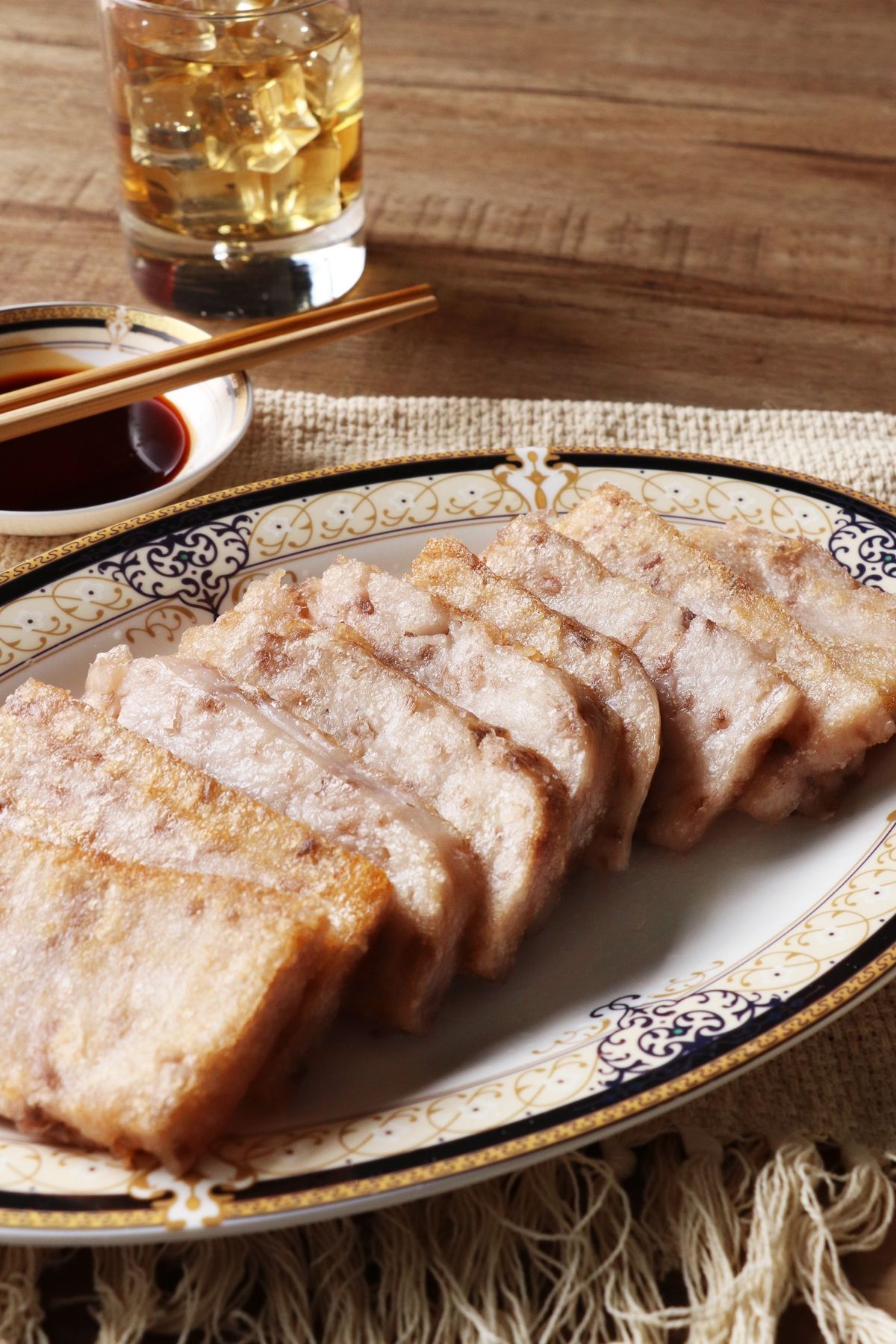
This page is rewritten around the exact sliced cake image instead of the old Yunnan potato pancake draft. The platter looks like Chinese taro cake slices: a steamed rice-flour and taro cake chilled until firm, sliced thick, pan-fried until the edges crisp, and served with a small dish of soy sauce.
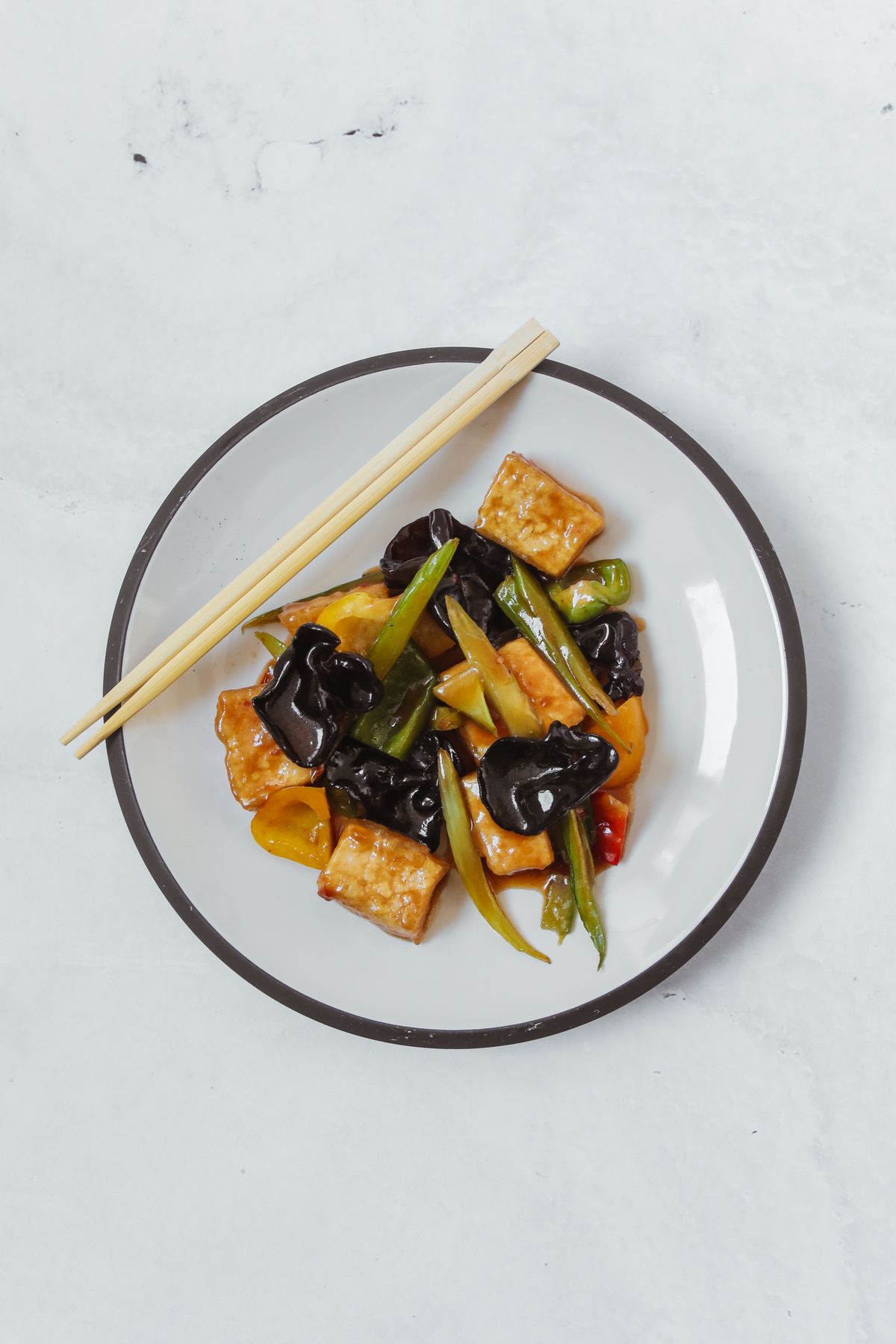
Yunnan Tofu with Mushrooms now matches its photograph: tofu cubes, glossy wood ear mushrooms, green pepper strips, yellow pepper pieces, and a light brown sauce. The article focuses on texture contrast, which is the point of the dish: soft tofu, springy mushrooms, and crisp vegetables in one fast stir-fry.
Cook with context
An earthy spice used in Xinjiang-style lamb, noodles, and dry stir-fries.
A fragrant oil that carries chili heat, toasted spice, and color into noodles, cold dishes, and dumpling sauces.
The everyday salty soy sauce used for seasoning, not the same as dark soy sauce.
A strong licorice-like spice used sparingly in red braises, master sauces, and aromatic chicken dishes.
A Chinese rice wine used to reduce raw aromas and add gentle complexity.
A glossy savory sauce that brings sweetness, salt, and body to Cantonese greens and noodle stir-fries.
How soy sauce, wine, sugar, and time create a glossy savory-sweet braise.
A home-stove method for hot-pan cooking without pretending every kitchen has restaurant burner power.
How to cook noodles so they stay springy for soup, sauce, and stir-fry recipes.
How to keep rice separate, hot, and lightly seasoned instead of wet or clumpy.
A practical home method for clear broth, gentle simmering, and final seasoning.
A skillet method for crisp bottoms, tender centers, and controlled steam.
Collection depth
Vegetarian Chinese Recipes gathers recipes around a practical cooking intent. This collection gathers Chinese vegetable, tofu, noodle, rice, and cold dishes that work without meat or can be adapted with mushroom sauce and plant-forward pantry swaps.
Use the collection by choosing a constraint first: time, ingredient, method, diet, or comfort level. Then compare recipes by what can go wrong. A fast stir-fry needs prep finished before heat starts, while a braise may be slower but more forgiving once the pot is simmering.
Representative dishes include Spicy Braised Tofu, Bok Choy with Mushroom Sauce, Braised Bamboo Shoot Noodles, Shanghai Braised Gluten with Peanuts, and Braised Sea Cucumber-Style Mushrooms. They are grouped together because they answer a similar user need, but they still differ in heat level, texture, prep style, and how much pantry knowledge they require.
The pantry links are Cumin, Chili Oil, Light Soy Sauce, Star Anise, Shaoxing Wine, and Oyster Sauce. These pages help a reader decide whether a recipe is practical tonight or needs a shopping trip. They also keep substitutions grounded in flavor role instead of guesswork.
The technique links are Chinese Red Braise, How to Stir-Fry at Home, Noodle Boiling and Rinsing, Fried Rice Texture, Chinese Soup Base, and Pan-Fry Dumplings and Pancakes. Read those when a recipe seems simple but depends on texture. Many Chinese home recipes are short on paper because the technique carries the difficulty.
Use Vegetarian Chinese Recipes as a practical cooking guide rather than a decoration around a recipe list. Read the opening idea, then scan the linked recipes for timing, heat level, texture, and pantry overlap. That order helps a home cook decide what to make before shopping, while still giving enough context for search visitors who landed on the page with a specific question. The collection is meant to help readers choose a dish and then move into the supporting recipe, pantry, and technique pages.
Vegetarian Chinese Recipes also works as an internal map for the site. The recipes, pantry notes, and technique links are intentionally connected so a reader can move from a broad question into a concrete dish, then back into a supporting skill or ingredient explanation. That pattern builds useful internal links without forcing the same paragraph onto every page. The collection is meant to help readers choose a dish and then move into the supporting recipe, pantry, and technique pages.
For cooking decisions, the most important detail is not only the name of the dish. A reader needs to know what texture to expect, what ingredient carries the flavor, which step is fragile, and what can be prepared ahead. This page keeps those decisions close to the recipes so the user does not need to open ten tabs before starting dinner. The collection is meant to help readers choose a dish and then move into the supporting recipe, pantry, and technique pages.
The page is written for English-speaking home cooks using ordinary pans, grocery-store ingredients, and a mixed pantry. It avoids assuming a restaurant wok burner, a full Chinese pantry, or previous knowledge of regional cooking terms. When a linked recipe needs a special paste, sauce, starch, or folding method, the surrounding notes explain why that element matters. The collection is meant to help readers choose a dish and then move into the supporting recipe, pantry, and technique pages.
If you are comparing options, start with the dishes that share ingredients you already own. Then check the method and total cooking time. A short recipe can still fail if the heat sequence is wrong, and a longer recipe can be easy if the work is mostly simmering, steaming, resting, or cooling. The collection is meant to help readers choose a dish and then move into the supporting recipe, pantry, and technique pages.
For meal planning, keep one anchor dish and one supporting dish. Pair a bold sauce with plain rice, a crisp stir-fry with a soup, or a rich braise with a cold vegetable plate. That approach keeps the table balanced and makes the cooking session feel organized instead of crowded. The collection is meant to help readers choose a dish and then move into the supporting recipe, pantry, and technique pages.
For SEO and reader trust, the page should answer the obvious question in plain language, then give enough detail to prove the answer is usable. That means naming the dishes, showing the relevant techniques, explaining pantry substitutions, and warning about texture or food safety when a recipe depends on those choices. The collection is meant to help readers choose a dish and then move into the supporting recipe, pantry, and technique pages.
The repeated theme is cue-based cooking. Timers help, but visible changes matter more: oil color, sauce thickness, steam strength, noodle spring, dumpling edges, vegetable brightness, and whether a protein is cooked through. Those cues make the page useful even when the reader changes brands, pan size, or serving count. The collection is meant to help readers choose a dish and then move into the supporting recipe, pantry, and technique pages.
Use Vegetarian Chinese Recipes as a practical cooking guide rather than a decoration around a recipe list. Read the opening idea, then scan the linked recipes for timing, heat level, texture, and pantry overlap. That order helps a home cook decide what to make before shopping, while still giving enough context for search visitors who landed on the page with a specific question. The collection is meant to help readers choose a dish and then move into the supporting recipe, pantry, and technique pages.
Vegetarian Chinese Recipes also works as an internal map for the site. The recipes, pantry notes, and technique links are intentionally connected so a reader can move from a broad question into a concrete dish, then back into a supporting skill or ingredient explanation. That pattern builds useful internal links without forcing the same paragraph onto every page. The collection is meant to help readers choose a dish and then move into the supporting recipe, pantry, and technique pages.
Vegetarian and vegan-adaptable Chinese recipes organized by texture, pantry sauce, and weeknight practicality.
Spicy Braised Tofu, Bok Choy with Mushroom Sauce, Braised Bamboo Shoot Noodles, Shanghai Braised Gluten with Peanuts, and Braised Sea Cucumber-Style Mushrooms
Cumin, Chili Oil, Light Soy Sauce, Star Anise, Shaoxing Wine, and Oyster Sauce
Chinese Red Braise, How to Stir-Fry at Home, Noodle Boiling and Rinsing, Fried Rice Texture, Chinese Soup Base, and Pan-Fry Dumplings and Pancakes